Seafood experience in Da Nang: More than just a meal
Some cities are visited for the scenery. Some for the shopping. And then there are cities people visit to eat—and remember forever because of it. Da Nang belongs to the third group.
It’s not because the seafood here is expensive or rare. It’s because the seafood experience in this coastal city carries a depth that few other places can match: a combination of ultra-fresh ingredients, the distinctive culinary culture of Central Vietnam, and a seaside evening atmosphere that no photograph can fully capture.
This article isn’t a guide on choosing a restaurant or ordering a dish. It tells the story of what makes a seafood experience in Da Nang something you take home—not in a suitcase, but in your memories.
1. What makes a memorable seafood experience?
1.1. Not the most expensive dish—but the “right” dish
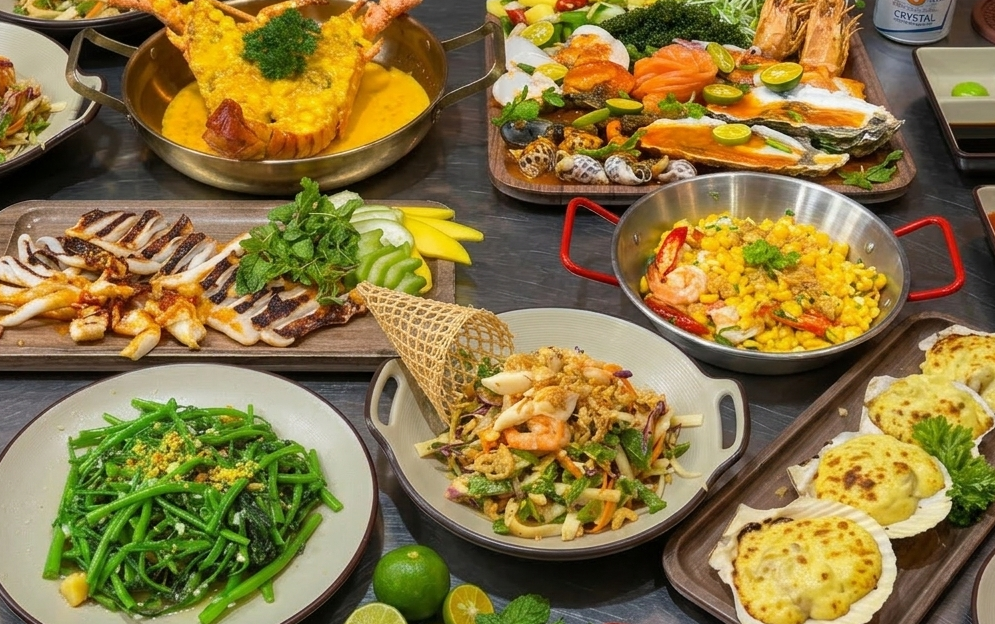
Many people think a memorable seafood experience must be tied to lobster or King Crab. In reality, that’s not the case. The seafood meals people remember longest are usually not the most expensive—but the “right” ones: the right species, the right season, the right preparation, and the right people at the table.
A plate of blue flower crabs sautéed with tamarind in October when the crabs are at their fattest, enjoyed with a cold beer and a close friend—that is a far more memorable seafood experience than an expensive lobster eaten in a hurry alone. Da Nang understands this—and that’s why the culture of eating seafood here is never just about what you eat, but always about who you eat with and in what atmosphere.
1.2. The sweetness of the sea—an authentic flavor
The people of Da Nang have an informal phrase to describe truly fresh seafood: “the sweetness of the sea.” It’s not the sweetness of sugar or seasoning—it’s a clean, natural sweetness that only exists in seafood that has left the ocean within a few hours.
The sweetness of the sea is something people recognize instantly when it’s there—and remember long after they leave. It’s the reason many tourists say the shrimp they ate in Da Nang tasted better than any shrimp they’ve had elsewhere—even if it’s the same species and prepared the same way. What creates that sweetness isn’t the kitchen, but the supply chain: from the sea to Tho Quang port, from the port to the restaurant tanks—all in the shortest time possible.
1.3. A seafood experience is a communal experience
Few people eat seafood alone in Da Nang. This is a type of meal designed for sharing—many plates, many species, many people. Every crab needs to be cracked, every snail needs to be picked, every shrimp needs to be peeled—all these actions create natural interaction between those at the table.
This is why the seafood experience in Da Nang is often associated with long conversations, loud laughter, and connections not found in Western-style meals with fixed menus and cutlery.
1.4. How does the time of day affect the seafood experience?
This is something few tourists notice: the same restaurant, the same dish—but the seafood experience in the early evening (5:30 PM – 6:30 PM) and late night (8:00 PM – 9:00 PM) can be significantly different.
Early evening is when the restaurant is still quiet, the staff isn’t under pressure, the kitchen is in its best state, and the seafood tanks still have many choices. The table atmosphere is more relaxed, the staff has time to provide detailed advice, and you don’t have to wait between courses.
Late night has its own charm—the atmosphere is livelier, and the characteristic noise of a seafood restaurant at its peak creates a unique sense of excitement. But if you are someone who likes space to truly savor each dish, arriving early will provide a much more complete seafood experience.
2. Moments that create the Da Nang seafood experience
2.1. The moment of standing before the fish tanks—choosing your own
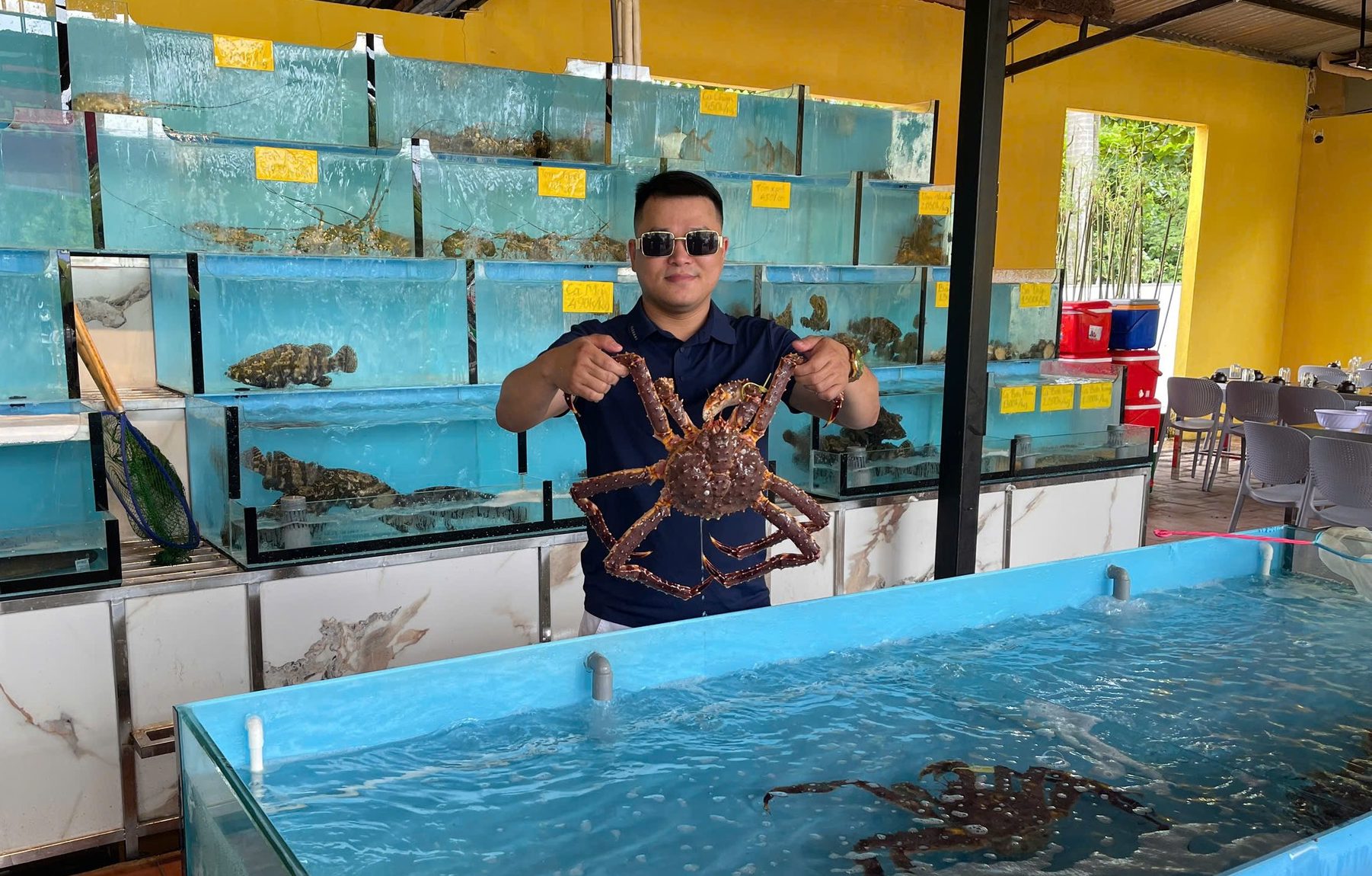
This is the most iconic moment of the seafood experience in Da Nang. You stand in front of the live fish tanks, point to the one you want, the staff nets it and weighs it in front of you—and you know exactly what you are about to eat.
That moment creates a direct connection between you and your food source—something modern urbanites rarely have the chance to undergo. You don’t choose from a photo on a menu; you choose a living, swimming creature that is truly fresh—and that completely changes how you perceive the meal afterward.
2.2. The moment the first dish arrives at the table
For those experiencing the seafood experience in Da Nang for the first time, the moment the first plate is placed on the table is often accompanied by a hard-to-explain reaction: surprise. It’s not because of elaborate presentation—Da Nang seafood is rarely plated like fine dining. It’s because of the aroma.
The sea sweetness from a plate of steamed shrimp just arriving, or the charcoal smoke from a plate of grilled squid still sizzling—those are sensory moments that no food photo can convey. They only exist in reality and can only be experienced; they cannot be viewed through a screen.
👉 See more: Natural Sweetness of the Sea: What Factors Shape Seafood Flavor?
2.3. The end of the meal—the final bowl of soup
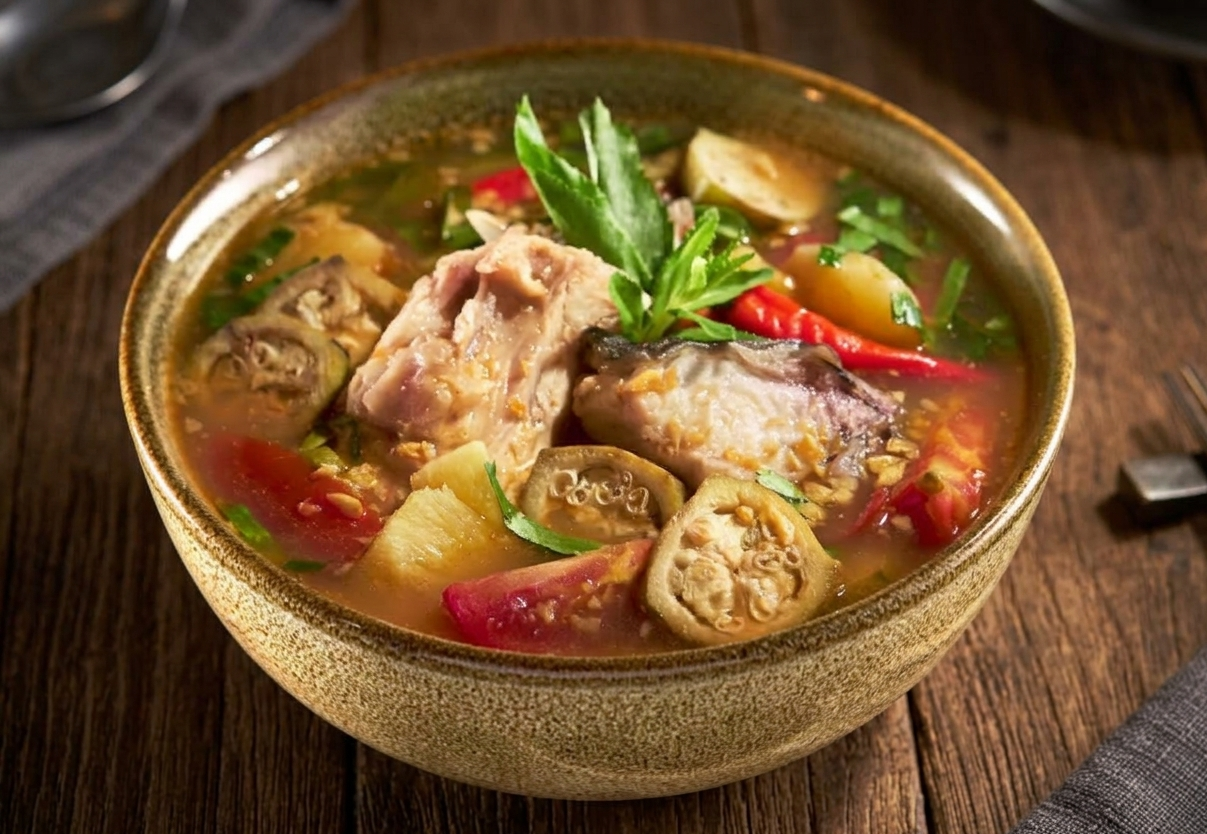
The people of Da Nang end a seafood meal with soup or porridge. And that moment—when everyone is full, the atmosphere at the table has become more relaxed, and the chatter has slowed down—is often the most memorable moment of the entire evening.
A bowl of crab soup cooked with water spinach or a bowl of hot oyster porridge is not just an end point. They are the moments of reflection—where you look back at the whole evening and realize: this is a meal I will mention many times in the future.
3. Premium seafood in Da Nang—an elevated experience
3.1. When should you choose premium seafood?
Not every seafood experience requires premium seafood. But there are occasions—anniversaries, welcoming important guests, or simply wanting a truly special meal—when you want to take the experience to another level.
In Da Nang, premium seafood doesn’t mean imported seafood or foreign styles. It means high-value species caught in the waters of Central Vietnam, prepared by people who understand the characteristics of each species: Phu Yen ornate spiny lobster, Quang Ngai king crab (Ranina ranina), fresh imported Korean abalone, or King Crab from cold waters.
3.2. Lobster—the symbol of the ultimate seafood experience
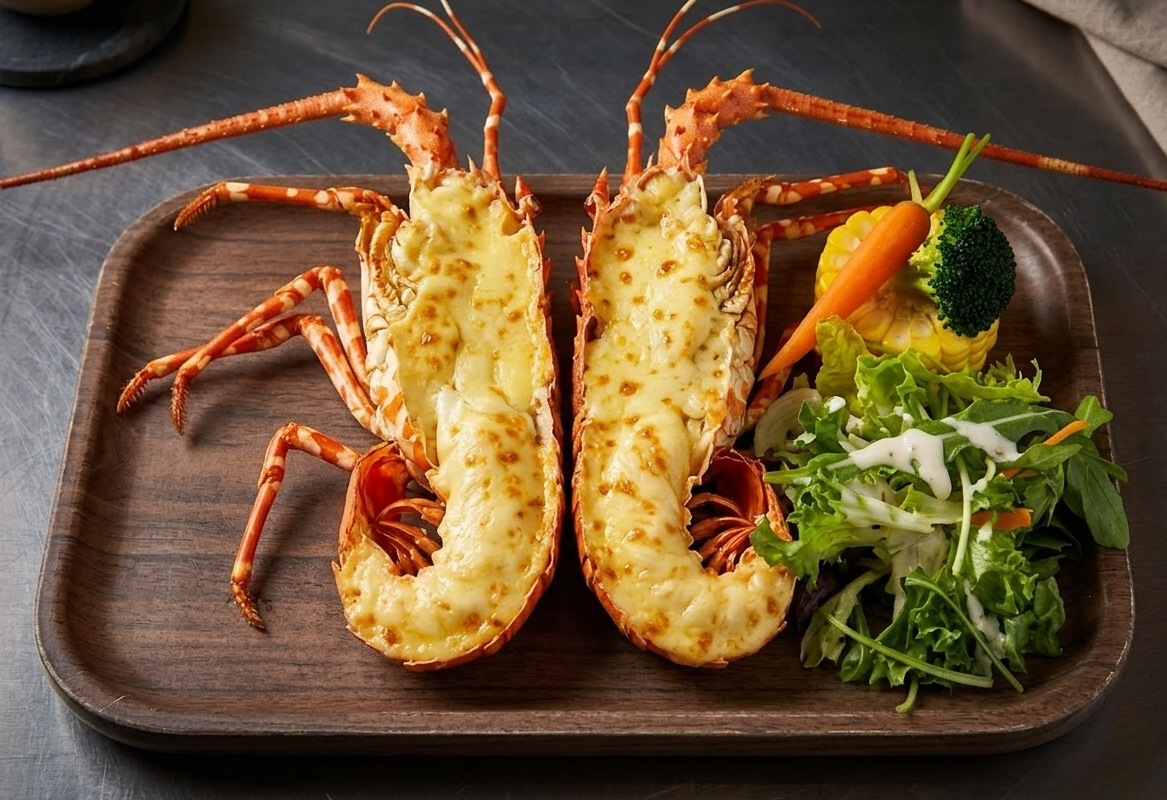
If one had to choose a single dish to represent the premium seafood experience in Da Nang, the ornate spiny lobster would be the answer for most locals. The meat of the ornate spiny lobster is firm, sweet, and has a texture entirely different from regular shrimp—it is unmistakable.
Eating the body as sashimi to feel the purest sea sweetness, or grilling it with cheese for a blend of creamy richness and natural sweetness—both are ways of preparation that honor the value of this species, which no other can replace.
3.3. Abalone—the lesser-known but most worthwhile seafood to try
Korean abalone is one of the premium seafood species that appears least on Da Nang restaurant menus—and is also the species most often mentioned by truly gourmet guests after a meal.
Abalone meat has a delicate sweetness and a special texture unlike any other mollusk. Eating it as sashimi is the purest way to sense its true flavor. Grilling with scallion oil or steaming with garlic oil are two options for those not used to the raw taste—both preserve most of the natural flavor.
👉 See more: Premium seafood – A fresh ocean flavor experience worth trying
4. Group seafood experiences—a characteristic Da Nang dining culture
4.1. Why is a group seafood experience different?
A group seafood experience is the most popular form in Da Nang—and also the form that brings the most complete seafood experience. When eating in a group, you can order many different species, share each one, and compare the flavors of each preparation right at the table.
Alone, you cannot order tamarind-sautéed crab, beer-steamed prawns, grilled squid, and lemongrass-steamed snails all at once—because you won’t finish it. But with a group of six, all of that becomes a balanced, diverse, and non-wasteful seafood feast.
4.2. How to order seafood appropriately for many people
In the culture of the group seafood experience in Da Nang, choosing dishes is often based on experience with the season, the location, and how to order reasonably. For tourists, if the right restaurant is chosen, the service team can assist very effectively.
Professional staff will ask about the number of people, budget, and taste preferences to suggest a suitable menu—helping the whole group have a complete seafood experience without needing to be an expert.
4.3. Atmosphere—the part of the seafood experience few notice
A memorable seafood experience doesn’t just come from the plate of food. It comes from the space you sit in.
A table by the window looking out at Da Nang’s night streets. An outdoor corner with just enough sea breeze to not feel hot. Yellow lights warm enough to make the faces of those sitting with you look friendlier. Those details don’t appear on the menu—but they are part of the seafood experience you bring back later.
When booking a table at Kim Seafood, you can request a position suitable for your group—inside or outside, near the fish tanks or near the entrance. This is a small detail but has a big impact on the overall feeling of the meal, especially when you are organizing a purposeful evening—a birthday, a reunion, or simply wanting this meal to be different from everyday ones.
5. How to have the most memorable seafood experience?
5.1. Don’t plan too carefully
The paradox of the seafood experience in Da Nang: the most memorable meals are usually not the ones most meticulously planned. Come to the restaurant with a few basic criteria—fresh, transparent pricing, airy space—and then let the staff advise on what is delicious today.
Don’t stick too closely to a pre-set list of dishes you want to eat. The best seafood is the seafood in season that day—and only the people in the kitchen know that every day.
5.2. Stay longer than you think you need to
People in Da Nang don’t eat seafood in a hurry. A true seafood experience needs at least 90 minutes—not because the preparation is slow, but because this is a type of meal that needs to be enjoyed at its own rhythm. Peeling shrimp one by one, extracting crab roe, sipping cold beer between dishes—all create a unique rhythm that cannot be rushed.
If you only have 30 minutes, it’s best not to eat seafood. Spend that time on a bowl of Mi Quang or a Da Nang Banh Mi—and leave the seafood experience for an evening with enough time. Eating seafood in a hurry not only ruins the taste—it ruins the entire meaning of the meal.
👉 See more: Seafood meal: How to combine dishes and cooking
5.3. Bring your loved ones
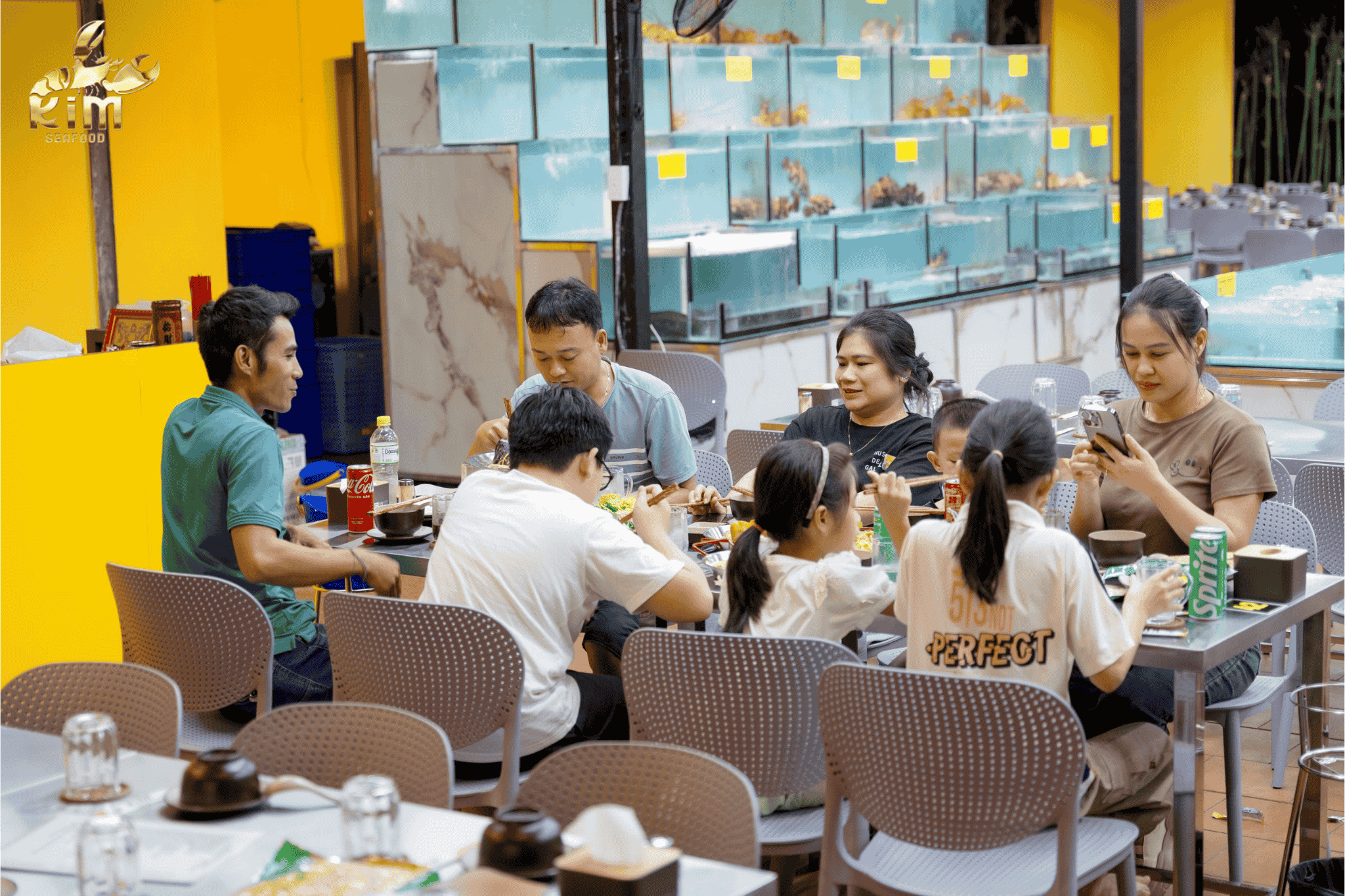
Finally—the best seafood experience in Da Nang doesn’t come from the shrimp or the crab. It comes from the person sitting opposite you.
Da Nang seafood is fresh and delicious—that is almost guaranteed if you choose the right place. But what turns a good meal into a truly memorable seafood experience is the people, the stories, and the atmosphere that no one can pre-design. Come to Da Nang, eat seafood, and bring the person you want to share that with—the rest, this coastal city will take care of.
5.4. Record it—but don’t let recording break the experience
One final piece of practical advice: take photos before eating, not while eating. A beautiful photo of the seafood plate just arrived is completely worth it—but don’t let finding the right angle, adjusting the light, and posting a story let the food get cold and the table atmosphere turn chilly.
The most memorable seafood experience isn’t in your phone. It’s in your memory—in that sea sweetness you still clearly remember a week later, in the laughter of the people at the table, and in the feeling of satisfaction as you walk out of the restaurant with the Da Nang sea breeze blowing on your face.
Conclusion
A seafood experience in Da Nang doesn’t start when you sit at the table and doesn’t end when you pay the bill. It starts from the moment you see the crystal-clear fish tanks—and ends weeks or months later, when you retell that meal to someone who has never been to Da Nang.
That is something no restaurant elsewhere can sell to you. Only the sea can create that sea sweetness. And only Da Nang has its own way of bringing it to the table.
Contact Information:
- Address: Kim Seafood, A2.01 Ly Nam De Street, An Hai Trung Ward, Son Tra District, Da Nang, Vietnam.
- Phone: 0916111143
- Opening Hours: 10:00 AM – 11:00 PM
- Email: hello.kimseafood@gmail.com
- Facebook Fanpage: Hải sản KIM Seafood