Quality seafood restaurant Da Nang: Best season to go?
For a long time, Da Nang has been an ideal destination for those who love the sea and are passionate about seafood. However, not every trip leaves a deep impression—and the reason isn’t always the location. Many diners return with the feeling of “it was okay, but not truly delicious” simply because of one thing: they chose the wrong time.
When you arrive at the right season, even a quality seafood restaurant with an average reputation can serve you stir-fried blue crabs with tamarind full of meat, steamed squid with ginger that is both firm and sweet, or grilled lobster with cheese as firm as the most luxurious restaurants in the city. Conversely, if you come in the wrong season, even if you sit at the most famous quality seafood restaurant in Da Nang, you might still receive a bland meal lacking in flavor.
This article will help you clearly understand the seasonal characteristics of seafood in Da Nang, the criteria to identify a true quality seafood restaurant, and especially the “golden moments” when each signature seafood type reaches its peak flavor.
1. Seasonal characteristics of seafood in Da Nang at different times of the year
Located on the South Central Coast, Da Nang is influenced by a tropical monsoon climate with two distinct seasons—the dry season and the rainy season. This directly affects the fishing activities of fishermen, thereby impacting the source of fresh seafood at markets and Da Nang seafood restaurants. Each season brings its own signature seafood, and only when you visit the right quality seafood restaurant at the right time can you fully feel that sophistication.
1.1. Summer (May to August) — Calm seas, the most abundant seafood source
This is the time when the sea in Da Nang is in its most stable phase of the year. Fishermen go out to sea regularly, and boats return to shore every early morning with hulls full of fresh seafood. The extremely abundant supply means that any quality seafood restaurant in Da Nang can serve you a diverse selection—firm blue crabs, plump tiger prawns, thick-fleshed squid, or mantis shrimp steamed with ginger and lemongrass just brought in from the sea that morning.
Summer is also the peak tourist season, so Da Nang seafood restaurants are often crowded. If you want to visit a famous quality seafood restaurant without waiting, book a table at least one day in advance—especially on weekends or holidays. This is also the season for reef fish such as grouper or sole—with firm, sweet meat, perfect for steaming with soy sauce or grilling with chili salt.
1.2. Autumn (September to November) — Rough seas but many rare specialties appear
From September, the sea in Da Nang begins to have large waves and erratic weather. The amount of fresh seafood brought ashore decreases significantly, but in return, this is when many rare specialties begin to appear: ivory snails, large milk oysters, large black clams, and baby squid—things that are hard to find in the summer but are abundant and most delicious during this season.
The clearest difference during this period is the strong differentiation between a truly quality seafood restaurant and average ones. Restaurants with close relationships with local fishermen will still maintain a reputable and stable source of seafood; while many others must import seafood from elsewhere or use frozen stock—something any gourmet will recognize immediately upon tasting.
1.3. Winter and Spring (December to April) — The time for premium specialties
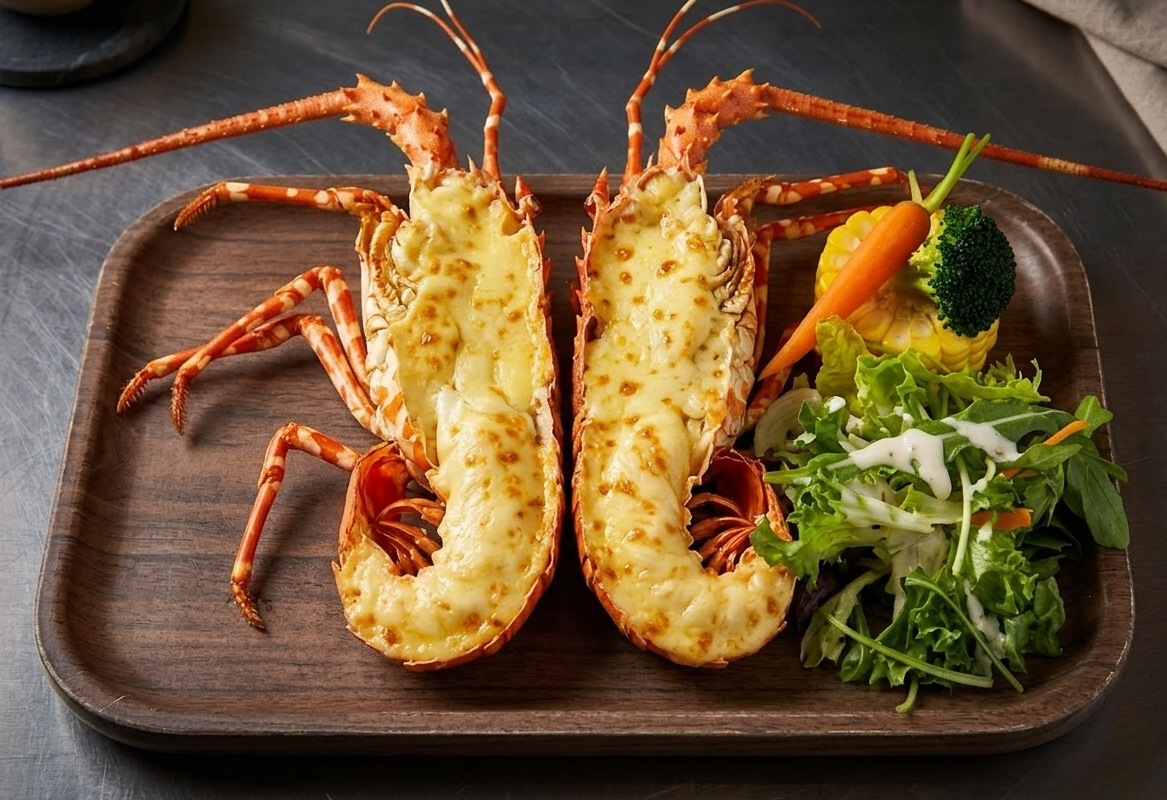
Falling temperatures create conditions for certain cold-season seafood species to appear. Ornate spiny lobster, King crab, Korean abalone, Japanese scallops—types usually only seen on the menus of high-end Da Nang seafood restaurants—are particularly abundant and fresh during this period. This is the ideal time to choose a seafood restaurant and book a year-end party, a “Tất niên” feast, or a Tet celebration with premium ingredients.
Many gourmet diners share that the ornate spiny lobster they enjoyed in Da Nang in January—whether simply prepared as grilled with cheese or steamed whole—was much more delicious and firm than lobster bought in July. This is no coincidence—it is a seasonal rule that only an experienced quality seafood restaurant truly understands and knows how to utilize.
2. Why does timing determine the quality of a seafood meal?
The question “What is delicious to eat this season?” is not just a habit of foodies—it is the smartest culinary approach when visiting any quality seafood restaurant. Because timing directly affects three core factors: the freshness of the ingredients, the price, and the diversity of the menu.
2.1. In-season fresh seafood — sweeter, firmer, better price
In-season fresh seafood always has superior quality compared to out-of-season seafood. When a seafood species is in its best natural growth stage, the meat is firmer, the roe is creamier, and the flavor is more intense. This cannot be replicated regardless of how good the farming or processing techniques are.
A truly quality seafood restaurant always knows this and actively updates its menu according to the season instead of fixedly selling the same list of dishes all year round. This is also the easiest way for you to identify a reputable quality seafood restaurant—if the menu never changes regardless of the season, it is a sign to be cautious.
👉 See more: Fresh seafood – a clear difference in quality and natural flavor
2.2. Prices fluctuate significantly by season
Blue crabs in June – July are abundant and significantly cheaper than in November – December when the supply drops. Korean abalone and Japanese scallops at the beginning of the year usually have better prices and more stable quality than in the middle of the year. When you understand the seasonal calendar and choose the right quality seafood restaurant according to the season, you not only eat better—you also save a significant amount in your culinary budget.
3. Criteria to identify a truly quality seafood restaurant in Da Nang
It’s not just about being near the sea, having an eye-catching sign, or high prices that makes a quality seafood restaurant. There are more specific and objective criteria you should master before deciding to choose a seafood restaurant to book a table.
3.1. Transparent origin of fresh seafood
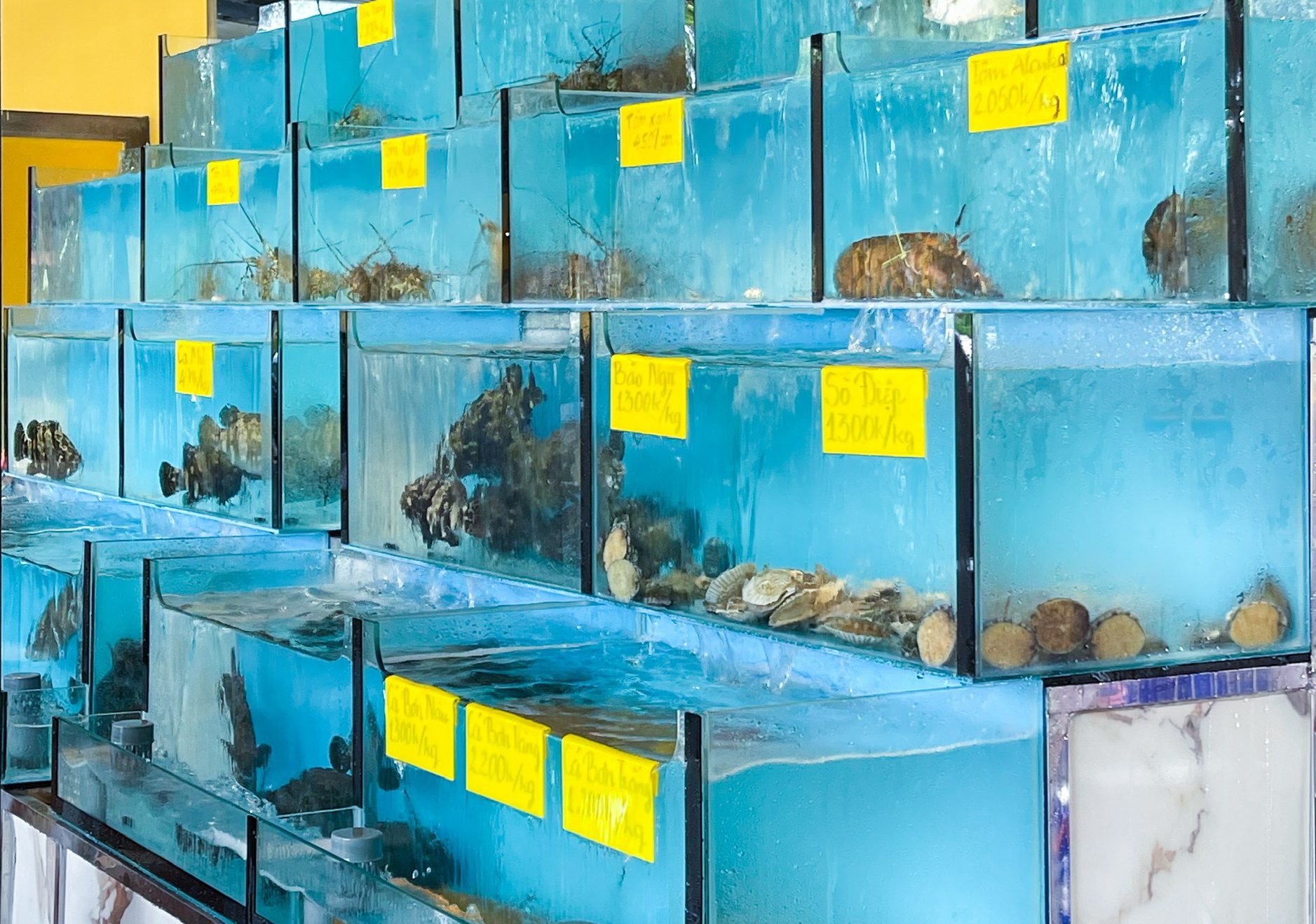
A quality seafood restaurant never hesitates when you ask about the origin of the ingredients. Is the fresh seafood caught by local fishermen or imported from other provinces? Are there live tanks for you to choose from or is it just kept behind a freezer? These are simple questions but accurately reflect the quality standards of the establishment.
The easiest sign to recognize a reputable quality seafood restaurant is having live seafood tanks right at the entrance, with clear tank water and seafood that is still active. This is not just an aesthetic factor but also a commitment to freshness that the restaurant wants to convey to diners.
3.2. Diverse menu with various preparation styles, not just one way
A quality seafood restaurant clearly demonstrates its skill through diversity in preparation. Instead of just monotonous grilling or steaming, restaurants that truly have the craft will allow you to choose the same ingredient in many different styles—for example, tiger prawns can be steamed, grilled with chili salt, served with garlic butter sauce, stir-fried with tamarind, or prepared with Szechuan sauce; or blue crabs can be salt-crusted, served with Singapore sauce, Cajun sauce, or stir-fried with black pepper sauce.
That diversity is not only to serve different tastes but also shows that the kitchen team truly understands each ingredient and knows how to offer the best choice for each diner.
3.3. Space, hygiene, and service reflect true class
The dining environment is also part of the experience at a quality seafood restaurant. Clean tables and chairs, carefully wiped dining tools, enthusiastic staff who listen—these small details show that the owner truly cares about the customer experience rather than just chasing quantity.
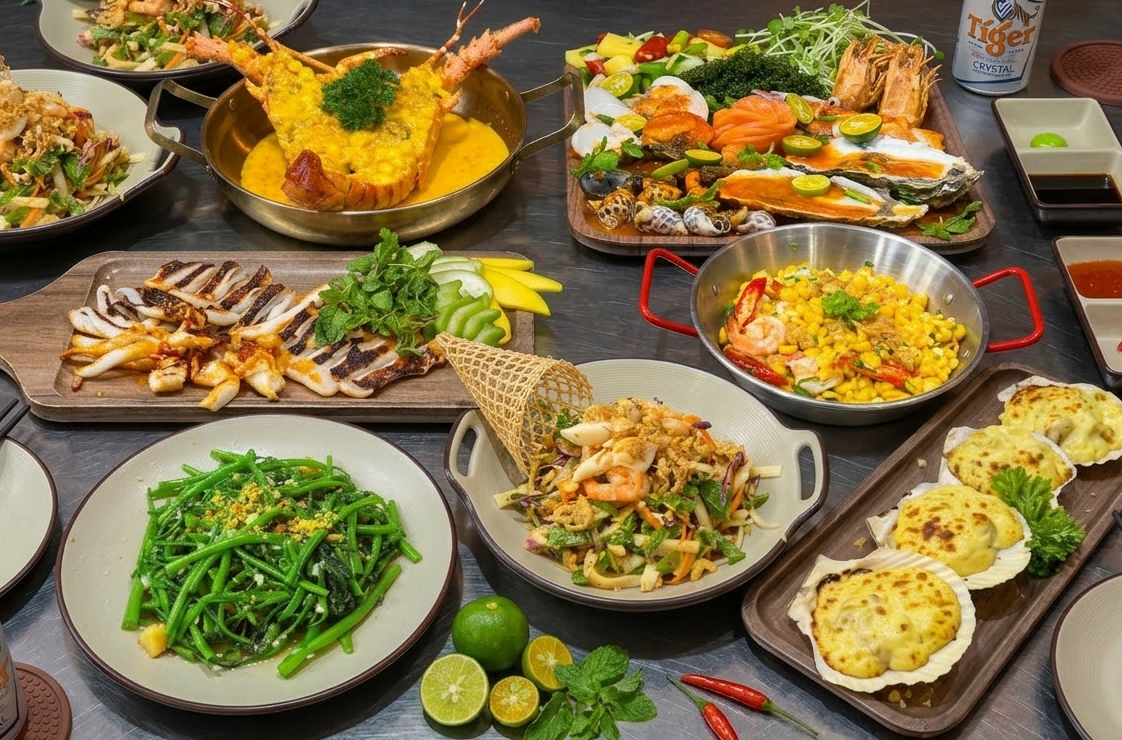
Kim Seafood Restaurant in Da Nang is a trusted address for many diners when looking for a truly quality seafood restaurant. The menu is rich, from appetizers like hand-pounded squid cakes and Thai-style fresh oyster salad to premium ingredients such as King crab, Alaska lobster, Korean abalone, or Japanese scallops—all are imported fresh and served with many different preparation options upon request.
4. Golden moments for each signature seafood type in Da Nang
4.1. March to May — Season of lobster and squid
This is a great time to visit any quality seafood restaurant and order a plate of squid steamed with ginger or sun-dried squid grilled to a fragrant crisp. Green lobsters in this season have soft meat and a characteristic sweet taste—ordering a lobster grilled with cheese or garlic butter sauce is an experience hard to forget. This is also when large milk oysters are in season; enjoying oyster sashimi or grilled oysters with cheese at a quality seafood restaurant by the beach will give you the clearest sense of the freshness of in-season ingredients.
4.2. June to August — Peak season for blue crab and tiger prawns
This is when Da Nang blue crabs are at their best—full of roe, firm meat, and thick shells. Stir-fried with tamarind, garlic butter sauce, or Singapore sauce all yield excellent flavors. Simultaneously, fresh tiger prawns are most abundant during this season—ordering a portion of tiger prawns steamed with beer at the table or plain grilled tiger prawns dipped in salt, pepper, and lime is a choice that is never wrong. Da Nang seafood restaurants in this season have a more diverse menu than ever, making it the ideal time to organize group parties at a quality seafood restaurant.
👉 See more: Seafood Restaurant in Da Nang – Top Local Dining Spots for Tourists
4.3. October to November — Season of snails and specialty oysters
Although the sea is somewhat rougher, this is the time when ivory snails and large milk oysters reach peak quality. Ivory snails in October – November have firm meat; whether salt-crusted or served with garlic butter sauce, they make diners crave for more. Large milk oysters in this season are fatter and sweeter—grilled with cheese or grilled with scallion oil are both extremely attractive. A quality seafood restaurant during this season will show its class by maintaining a stable supply even though fishermen go to sea less often.
4.4. December to February — Peak season for premium seafood
Korean abalone, King crab, Japanese scallops, and ornate spiny lobster—these are the species that appear most and are freshest during this period. If you are looking for a quality seafood restaurant to organize a year-end party or a special meal, December to February is the “golden season” you should not miss. A tray of King crab with garlic butter sauce combined with Korean abalone grilled with scallion oil or fresh abalone sashimi—those are experiences that can only be found at a truly quality seafood restaurant at the right time of year.
5. Important notes when finding and choosing a quality seafood restaurant in Da Nang
5.1. Book a table in advance during peak season

Summer from June to August is the peak of tourism in Da Nang. Famous quality seafood restaurants are frequently in a state of being fully booked if not reserved in advance. Call or message to book a table at least one day prior—especially if you have a large group or want to choose a group combo. Booking early also allows you to pre-order dishes that require preparation time such as three-way King crab, three-way Alaska lobster, or Thai-style seafood hotpot for the whole table.
5.2. Ask for the seasonal menu before ordering
This is a habit of smart diners when coming to a quality seafood restaurant. Questions like “Which type is best today?” or “What should we eat this season?” are open questions that provide an opportunity for staff to give honest advice. A reputable quality seafood restaurant will not hesitate to suggest the freshest dish of that day, rather than just aiming for the highest-priced items on the menu.
5.3. Read recent reviews before choosing a seafood restaurant
Before choosing a seafood restaurant to visit, refer to Google Maps and local culinary groups. Focus on reviews within the last 3 months to get an accurate view of the current status. Pay special attention to comments about the freshness of ingredients, service attitude, and food hygiene—three factors that most honestly reflect the true class of a quality seafood restaurant.
👉 See more: Choosing a seafood restaurant that fits your taste and budget
6. Conclusion

Da Nang is generous to seafood lovers—there is something delicious to enjoy all year round, but each season has its own “stars.” Understanding those rules and knowing how to find a quality seafood restaurant at the right time is the difference between an ordinary meal and a memorable culinary experience.
Whether you are a tourist visiting Da Nang for the first time or have visited this city many times, there is always something new to discover when you approach seafood cuisine according to the right season. Save the information in this article, plan your next trip, and choose the right quality seafood restaurant so that your meal in Da Nang truly becomes an unforgettable memory of the sea, of sweetness, and of the characteristic flavors of the Central region.
Contact Information:
- Address: Kim Seafood, A2.01 Ly Nam De Street, An Hai Trung Ward, Son Tra District, Da Nang, Vietnam.
- Phone: 0916111143
- Opening Hours: 10:00 AM – 11:00 PM
- Email: hello.kimseafood@gmail.com
- Facebook Fanpage: Hải sản KIM Seafood