Premium seafood – A fresh ocean flavor experience worth trying
Premium seafood is becoming the top choice for many diners as they prioritize freshness, clear origins, and a complete culinary experience in every dish. No longer defined solely by price or rarity, this segment is evaluated based on ingredient quality, preservation processes, and preparation techniques that retain the natural flavor of the sea. The article below will help you understand the criteria that create this distinction and why premium seafood is increasingly favored.
1. What is premium seafood and why is it increasingly favored?
1.1. The concept of premium seafood in modern cuisine
Premium seafood is not just evaluated based on price or rarity; it lies primarily in the quality of ingredients, freshness, and the handling process before preparation. In the context of modern cuisine, this concept is associated with clear origins, standardized preservation processes, and the ability to preserve the natural flavor of the seafood when served to diners. This is also why consumers are becoming more concerned with the true value behind each dish, rather than just looking at the appearance or the name.
When choosing premium seafood, diners often expect a consistent experience from raw ingredients to the finished product. This includes seafood being caught or farmed at the right time, processed quickly after harvest, and minimizing any impacts that diminish its inherent freshness. It is these factors that create a clear distinction between ordinary seafood and the premium seafood segment that the market is increasingly expanding.
1.2. Consumer trends prioritizing delicious and high-quality seafood
The shift in eating habits shows that modern consumers no longer emphasize quantity, but focus more on the quality of the meal. Delicious seafood, ensuring freshness and safety, is becoming a priority criterion when choosing dining locations, especially for experiential meals or those intended for families and partners. This reflects a clear trend of selective consumption, emphasizing health and perceived value.
Furthermore, a growing awareness of food sources makes consumers care more about quality seafood that is well-controlled from input to processing. They are willing to research, compare, and choose places that meet higher standards rather than choosing out of habit. This very trend has created the conditions for premium seafood to become a worthy consideration, not just for special occasions but also for everyday dining needs.
👉 See more: What key factors does delicious seafood dining depend on?
2. Criteria for a true premium seafood experience
2.1. Freshness and origin of seafood

A premium seafood experience is first determined by the freshness and transparency of the ingredient source. Seafood needs to be exploited or farmed in suitable conditions, with clear information regarding the fishing area, harvest time, and transport duration. This is the foundational factor that helps consumers evaluate the actual quality of the dish, rather than relying solely on external perceptions.
As consumers become more cautious in food selection, particularly regarding safety, clear origins not only provide peace of mind but also reflect the serious investment level of the provider. Premium seafood, therefore, is often associated with a strict input control process, helping to maintain the best live state when reaching the hands of diners.
2.2. Preservation and handling of live seafood
Besides origin, the method of preservation and handling plays a key role in maintaining the quality of live seafood. From storage temperature and environment to the processing time before cooking, every step directly affects the texture and flavor of the ingredients. Even a small error in this process can significantly reduce the value of the seafood, even if the initial quality was excellent.
In modern culinary standards, handling live seafood often follows strict protocols to limit unnecessary contact and avoid the loss of the seafood’s natural juices. This is why a premium seafood experience cannot be separated from a well-controlled preservation and operational system.
👉 See more: Fresh seafood – a clear difference in quality and natural flavor
2.3. Preparation techniques to retain the full natural sea flavor
Preparation techniques are the final step but have a major impact on the diner’s perception. With premium seafood, the goal is not to create elaborate flavors but to maintain the inherent natural sea flavor of the ingredients. Preparation methods often prioritize simplicity, limiting strong spices so as not to overpower the characteristic taste of the seafood.
When preparation techniques are applied correctly, live seafood will clearly demonstrate its sweetness, firmness, and natural aftertaste. This is also the factor that helps diners easily distinguish between an ordinary meal and a true premium seafood experience, where the value lies in actual quality rather than superficial display.
3. The difference between premium seafood and ordinary seafood
3.1. Differences in ingredient standards
The most obvious difference between premium seafood and ordinary seafood lies in the quality of ingredients right from the input stage. Premium seafood is often carefully selected based on freshness, uniform size, and the intact condition of the ingredients before processing. This process ensures each dish achieves consistent quality, minimizing factors that affect the natural flavor of the seafood.
In contrast, ordinary seafood may not undergo such a rigorous selection process, leading to discrepancies in freshness and meat texture. It is this difference in ingredient control that makes premium seafood more highly regarded for its sweetness, firmness, and mouthfeel. This is the foundation of the core value, rather than just focusing on the external appearance of the dish.
Additionally, the origin and preservation conditions also contribute to the gap between the two segments. Premium seafood is typically handled and transported according to clear standards to maintain the original quality, while ordinary seafood may be subject to more impacts during warehousing and distribution. This difference directly affects the dining experience of the customer.
3.2. Differences in the culinary experience
The difference does not stop at ingredients but is also clearly shown in the overall dining experience. When choosing premium seafood, diners often feel a sense of completeness from the flavor to the way the dish is served. The seafood retains its natural sweetness and is not overwhelmed by seasonings, making it easy for the eater to recognize the true quality of the ingredients.
Conversely, with ordinary seafood, the dining experience may lack consistency between dishes, making the perception of flavor unstable. This does not mean the food is not good, but it clearly makes it difficult to provide a long-term sense of peace and satisfaction for those who focus on quality. Premium seafood is therefore considered the appropriate choice for those who value the experience and wish to understand the true value of each dish.
More importantly, the premium seafood experience lies not only in taste but also in the feeling of trust while eating. When quality is controlled throughout from ingredients to processing, diners can focus entirely on sensing the flavor rather than worrying about the freshness or safety of the food. This is a long-term point of difference between the two approaches to seafood cuisine.
4. Experiencing the full sea flavor through each premium seafood dish
4.1. Lightly steamed to keep the inherent sweetness
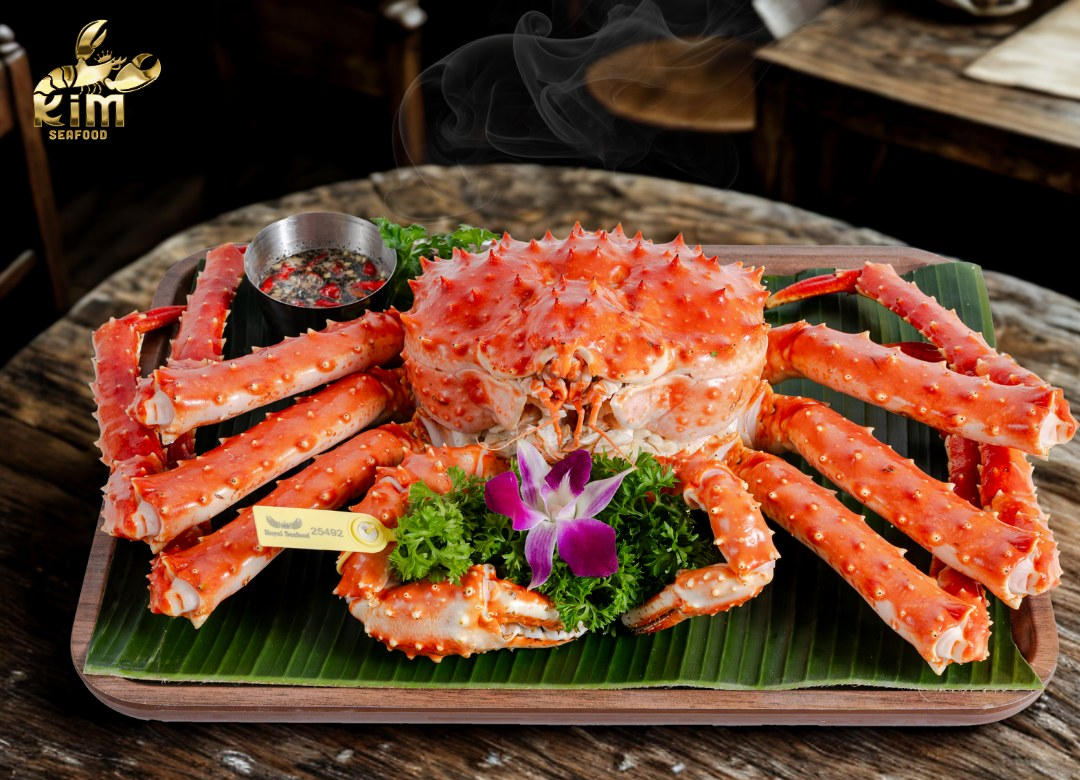
In the world of seafood cuisine, steamed dishes are often seen as the best way to showcase ingredient quality. When the correct technique is applied, this method helps seafood retain its natural sweetness, firm texture, and prevents water loss during cooking. With premium seafood, steamed dishes do not require too many accompanying spices, because the original flavor itself is the factor that creates the experiential value.
Choosing the appropriate steaming time for each type of seafood plays an important role in preserving quality. If handled correctly, diners can feel the difference from the very first bite—from the tenderness and sweetness to the aftertaste. This is also why steamed dishes are often prioritized in meals that focus on a natural sea flavor experience.
4.2. Grilled dishes – fragrant and bold sea flavor
Unlike steamed dishes, grilled dishes offer a different perspective on enjoying seafood. High temperatures help bring out the characteristic aroma of each type of seafood while creating a firm surface that keeps the inside meat from drying out. When prepared correctly, grilled dishes still maintain a clear sea flavor without losing the inherent freshness of the ingredients.
For premium seafood, grilling techniques must be strictly controlled from temperature to time to avoid charring or overpowering the natural flavor. The spices used are usually at a moderate level, enough to increase the depth of flavor but not overshadow the characteristics of the seafood. This approach makes grilled dishes a balanced choice between a bold sensation and sophistication in the experience.
4.3. How to combine dishes to prevent palate fatigue
A complete seafood experience lies not just in individual dishes but also in the arrangement and combination of dishes throughout the meal. Alternating between steamed and grilled dishes helps balance the palate, avoiding a heavy or greasy feeling when enjoying many dishes in succession. This is a principle often applied in meals that emphasize quality and the overall experience.
Besides, the order of serving dishes also greatly affects the diner’s perception. Starting with light dishes that maintain the original flavor and then gradually moving to bolder dishes helps the palate adapt naturally without becoming overloaded. When combined reasonably, premium seafood dishes not only maximize their individual flavors but also create a seamless, easy-to-enjoy meal that leaves a lasting impression.
5. Why premium seafood is particularly suitable in coastal cities
5.1. The advantage of Da Nang seafood sources

Coastal cities possess a clear advantage in seafood supply, with Da Nang being a prime example. With a favorable geographical location and regular fishing activities, Da Nang seafood can be put into use shortly after harvest, helping to maintain its original freshness and quality. This is an important condition for developing premium seafood experiences, where the ingredient factor is always prioritized.
Additionally, seafood sources in coastal cities are often diverse in species and seasonal, creating conditions for selecting ingredients that meet high-quality standards. When the distance between the extraction site and the processing site is shortened, the risk of quality degradation during transport also decreases. This advantage helps premium seafood in coastal cities maintain stability in freshness, texture, and flavor—something that areas far from the sea find difficult to meet consistently.
Beyond natural factors, the logistics system and experience in handling seafood in coastal cities also contribute significantly to improving quality. The process of preservation, classification, and supply is formed and improved over time, creating a solid foundation for developing culinary models that focus on quality and experience.
👉 See more: Seafood Restaurant in Da Nang – Top Local Dining Spots for Tourists
5.2. Seafood eating habits of diners in Da Nang
Not only having the advantage of ingredient sources, the consumption habits of diners in coastal cities are also a factor that makes premium seafood suitable. In Da Nang, seafood appears not only on special occasions but is also a familiar part of daily culinary life. This makes diners capable of clearly distinguishing between quality levels and easily recognizing the difference when enjoying it.
This very understanding creates a more demanding consumption environment, where seafood experiences need to meet expectations regarding freshness, preparation methods, and overall perception. Premium seafood, therefore, does not just aim for presentation but must convince diners with actual quality. When eaters are accustomed to fresh and delicious seafood, well-invested experiences will easily be appreciated and recognized.
Furthermore, the development of tourism also contributes to the demand for high-quality culinary experiences in coastal cities. Diners want not just to eat seafood, but to understand and fully feel the value of each dish. This is the ideal context for premium seafood to play its role, becoming a suitable choice for both locals and tourists seeking a memorable culinary experience.
6. Suggestions for reliable premium seafood dining locations
6.1. Factors to consider when choosing a seafood restaurant
Choosing a place to enjoy premium seafood should not be based solely on initial impressions, but should consider a holistic view of many factors related to quality and experience. First is the stability of the ingredient source, including how the seafood is selected, the frequency of stock arrival, and the ability to maintain freshness throughout the preservation process. Restaurants that focus on input control often provide a more consistent experience, helping diners feel secure when enjoying their meal.
Besides, the preparation method and service style also reflect the level of serious investment of a location. With premium seafood, preparation techniques need to be subtle enough to highlight the natural flavor rather than relying on spices or elaborate presentation. A tidy dining space, clear service procedures, and a professional attitude are also factors that contribute to completing the experience, especially for diners concerned with the overall quality of the meal.
Additionally, feedback from those who have experienced it before is a valuable source of information. Realistic reviews often show the level of stability in food quality and service, helping the reader better imagine whether the location is suitable for their expectations of premium seafood. Carefully considering these factors helps limit risks and increases the likelihood of having a complete meal.
6.2. Practical experience at a seafood restaurant highly rated by many diners

From the selection criteria mentioned above, practical experiences at highly-rated restaurants often show a clear difference in organization and operation. Diners easily notice the meticulousness from the reception and dish consultation to the service throughout the meal. The seafood dishes are prepared just right, maintaining their natural flavor and clearly demonstrating the quality of the ingredients, consistent with the expectations when seeking a true premium seafood experience.
Notably, these restaurants often do not focus on ostentation but prioritize the actual perception of the eater. Dishes are served in the correct order, with reasonable portions that do not cause a feeling of being overwhelmed, helping the meal proceed comfortably. This consistency creates long-term trust, making many diners willing to return or recommend it to others.
Among the frequently mentioned locations, there are restaurants in coastal cities that meet the criteria for quality and experience well, receiving positive reviews from diners after many visits. Kim Seafood is an example often cited in experience shares, thanks to its stability in ingredients, clear preparation methods, and a service style suitable for those seeking an authentic premium seafood meal. Referring to such practical experiences helps readers have more grounds to choose a location that fits their needs.
Contact Information:
- Address: Kim Seafood, A2.01 Ly Nam De Street, An Hai Trung Ward, Son Tra District, Da Nang, Vietnam.
- Phone: 0916111143
- Opening Hours: 10:00 AM – 11:00 PM
- Email: hello.kimseafood@gmail.com
- Facebook Fanpage: Hải sản KIM Seafood