What key factors does delicious seafood dining depend on?
Why is it that with the same platter of lobster or king crab, some people praise it as “excellent” upon the first bite, while others find it mediocre or even get bored quickly? In reality, delicious seafood dining does not merely depend on whether the dish itself is expensive or cheap. Many people mistakenly believe that simply choosing fresh ingredients is enough, yet they overlook the critical links in the preparation and enjoyment process.
If you are looking for the secrets of delicious seafood dining to elevate your palate, this article will analyze the key factors that help you enjoy seafood flavors to the fullest. The content below will not only help you understand why the same dish can feel different to each person but also suggest specific solutions regarding ingredient selection and timing.

1. Freshness – The Deciding Factor in Delicious Seafood Dining
Freshness is the soul of the dish, determining 80% of the success or failure of a seafood feast. Below are the reasons why freshness is so vital.
How does live seafood differ from frozen seafood?
The biggest difference lies in the muscle fiber structure and the juiciness of the meat. Live seafood, when prepared, retains a firm, crunchy texture and does not release as much water as frozen goods. Conversely, seafood that has been frozen for a long time often has broken cellular structures, making the meat mushy, bland, and possessing a characteristic cold-storage smell that significantly reduces the sensation of delicious seafood dining.
How to identify fresh seafood with the naked eye
For fish, look for clear eyes and bright red gills instead of dark purple ones; for shrimp and crabs, the joints must be flexible, the shells hard, and they should feel heavy in your hand. Many seafood restaurants nowadays invest in on-site live tanks not just for decoration but to allow diners to directly verify the health of the product before it is prepared.
Why does freshness directly affect natural sweetness?
Seafood contains natural sweetness-enhancing amino acids, but these substances decompose very quickly after death. When you enjoy fresh items, the rich sweetness released from the meat fibers lingers long in the aftertaste without needing too much seasoning intervention. Understanding this principle will help you always have a true delicious seafood dining experience, fully enjoying the precious gifts from the ocean.
2. Seafood Origin – Which Sea or Region Tastes Best?

Besides freshness, the origin is the “birth certificate” that guarantees flavor. A product caught in the right sea area will have superior quality.
Wild-caught vs. Industrial-farmed seafood
Wild-caught seafood usually has firmer, more fragrant, and richer meat because the animals must actively forage and move constantly in the ocean environment. Meanwhile, industrially farmed seafood, despite having uniform sizes and lower prices, can sometimes have mushy meat or a smell of synthetic feed if the farming process is not guaranteed. Many savvy diners always prioritize wild-caught goods to ensure delicious seafood dining that matches the value spent.
The influence of sea regions on seafood quality
The salinity of the water, temperature, and ocean currents in each region create unique characteristics for each seafood species. For example, lobsters in the sun-drenched Central coastal waters often have a deeper sweetness, or Ca Mau crabs are famous thanks to the specific mangrove environment that makes the meat firm and the roe creamy. Understanding the specialties of each region not only helps you avoid confusion when choosing a menu for a party but also contributes to a delicious seafood dining experience that is authentic and seasonal.
Why is local seafood often rated higher?
Enjoying seafood right in the locality where it was caught minimizes transport time, preserving the nutritional content and original sweetness. Practical experience shows that the feeling of sitting by the beach and enjoying squid or sentinel crabs just brought in from the boat brings a completely different level of satisfaction. This is the simplest secret for you to achieve delicious seafood dining without needing overly sophisticated processing techniques.
👉 Discover more at: Experience delicious seafood dining in Da Nang: Fresh, tasty, and worth the money.
3. Preparation – Simple or Sophisticated for Delicious Seafood Dining?
Preparation techniques are the bridge that turns raw ingredients into a culinary work of art, but the line between sophistication and losing the flavor is very thin.
The golden rule for preparing fresh seafood
The most important rule is minimalism; the fresher the seafood, the less it should be interfered with by complex cooking methods. You need to strictly control the temperature and time because seafood meat cooks very quickly; if overcooked, it will become tough, dry, and lose the precious sweet juice inside.
Boiling – Steaming – Grilling: Which way preserves the sea flavor?
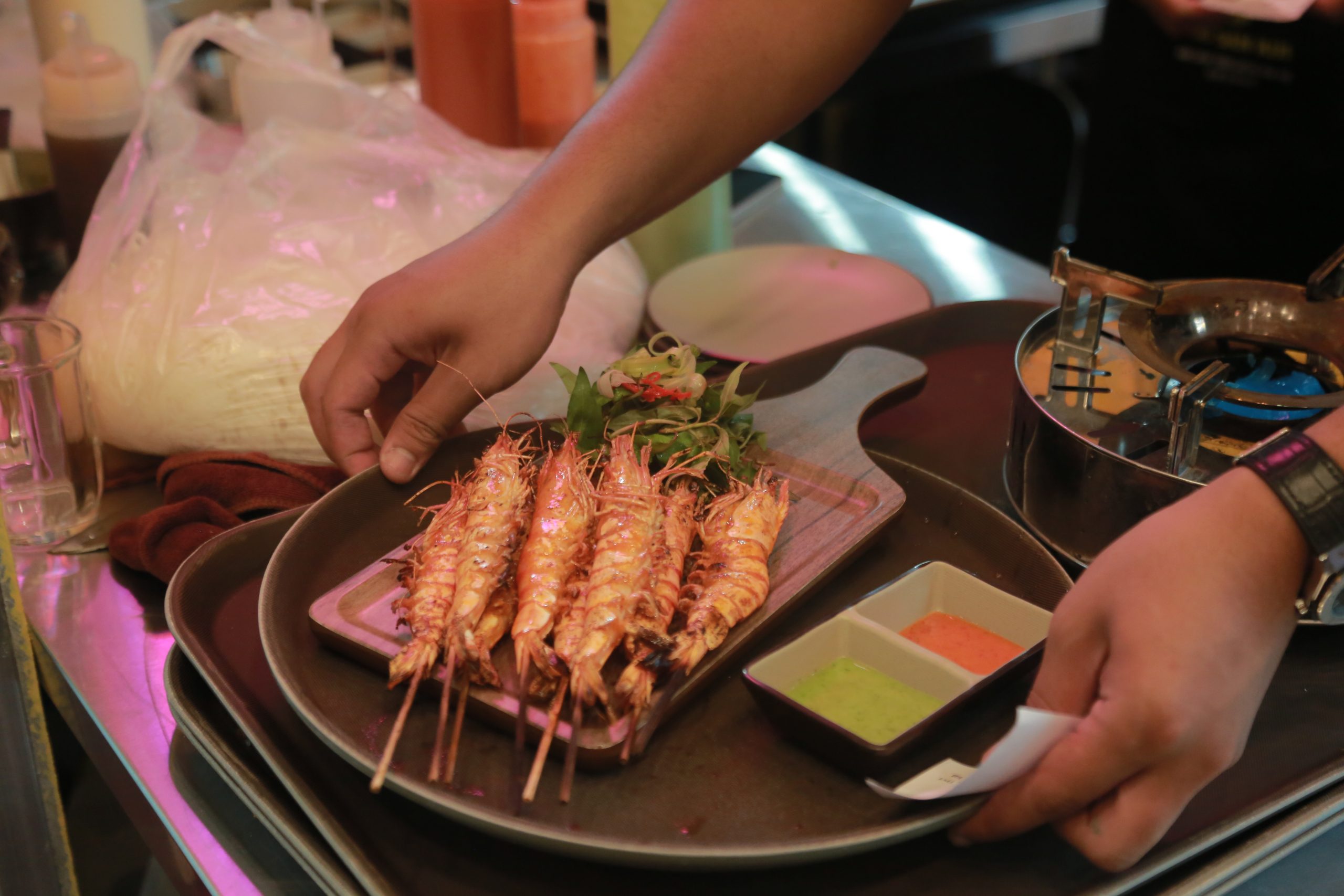
Each method brings a different experience, but steaming is always the top choice to preserve complete sweetness. Steaming allows steam to penetrate and cook evenly without losing nutrients, while grilling creates a characteristic aroma thanks to the heat reaction on the shell surface. Whichever method you choose, the ultimate goal remains feeling the firmness of the meat and the natural aroma characteristic of delicious seafood dining.
Seasoning: When should it be “light” and when “bold”?
The use of spices needs clear classification based on the characteristics of each seafood type and cooking method. For steamed or raw dishes (sashimi), just a bit of salt and pepper with lime, wasabi, or specialized seafood dipping sauce is enough to stimulate the palate, helping the delicious seafood dining experience without overpowering the meat’s natural sweetness. Conversely, dishes like salt-crusted, garlic-sauteed, or salted egg sauce should only be applied to seafood with hard shells or thick meat to create a flavor explosion, bringing a complete yet harmonious sensation of delicious seafood dining.
Common mistakes that make seafood lose its taste
The biggest mistake often encountered is marinating with too many spices that mask the smell or improper thawing before cooking. To truly achieve delicious seafood dining, you need to learn to “listen” to the ingredients and avoid incompatible food combinations that affect the digestive system and reduce the value of the dish.
4. Chef’s Skill – The Factor Many People Overlook
A premium ingredient only truly shines when placed in the hands of a chef who understands the characteristics of the sea. Many diners only focus on freshness and forget that processing skills are the final step determining the sophistication of the dish.
Why is the taste different despite using the same ingredients?
A dedicated chef will know when shrimp is just cooked enough to retain its crunch, or when steamed fish has reached the ideal juiciness without breaking apart. Understanding the meat texture of each species helps them offer optimal processing methods, allowing diners to enjoy delicious seafood dining in the most complete way without wasting the value of precious ingredients.
Experience in handling the fishy smell in seafood
Handling the fishy smell is the basic but most important test of a professional seafood chef’s level. Clean preparation techniques, from removing the shrimp’s back vein to the ink sac, will make the dish elegant, ensuring the original flavor is not clouded.
The role of the chef in the delicious seafood dining experience
A chef is not just a cook but a guide for the diner’s emotions through presentation and flavor coordination. At some seafood restaurants like Kim Seafood, the skill factor is emphasized to keep the ingredients’ freshness. The dedication in every cut and balanced seasoning is the key to elevating the experience, making delicious seafood dining a memorable culinary memory rather than just a regular meal.
5. Space & Experience – Delicious Seafood Dining is Not Only About Taste

When enjoying the essence of the ocean, the surrounding environment acts as an important catalyst to sublimate the dish’s flavor. Many people focus only on food quality and forget that the mood and context of dining also largely determine the satisfaction of the feast.
How does the space affect the perception of the dish?
An airy, clean space with a close-to-nature layout not only creates comfort but also stimulates other senses besides taste. When you sit in a restaurant with a beautiful view or the sound of waves, the brain automatically adjusts its relaxation level, making a piece of squid or shrimp sweeter and richer than usual. Conversely, a cramped, overly noisy place can distract the senses, making delicious seafood dining less complete even if the ingredients are expensive.
Is seafood better when eaten with family and friends?
Cuisine is essentially a story of connection, and seafood, with its characteristic of being served on large platters, is very suitable for sharing. Laughter and conversations with loved ones create a cozy atmosphere, helping the already tasty dish become more attractive, bringing an emotional delicious seafood dining experience.
Sound – Scent – Emotion during enjoyment
The harmonious combination of the characteristic scent of grilled seafood, the crackling sound of fire, or gentle music all contribute to building a multi-sensory experience. Understanding this resonance is the final key to helping you truly achieve delicious seafood dining and feel that your time and cost are well-spent.
👉 Some restaurants to try: Explore the Top 10 Best Seafood Restaurants Near the Beach in Da Nang
6. Timing – Delicious Seafood Dining Needs to Be at the Right Time
Many people think that fresh seafood is naturally attractive, but in reality, the time you choose to enjoy it plays an equally important role.
Which season of the year is best for delicious seafood dining?
In Vietnam, summer from April to August is the most ideal time because the sea is calm and food sources are abundant, helping fish and shrimp become plump and firm. Conversely, you should carefully research reproductive characteristics; for example, during the breeding season, nutrition focuses on eggs, making the main meat watery or bland. Choosing the right season not only helps you with delicious seafood dining but also ensures the most reasonable price due to the abundant supply.
Is it better to eat seafood for lunch or dinner?

Regarding taste, both lunch and dinner have their own interesting experiences, but from a health and digestion perspective, lunch is often preferred. Seafood contains extremely high protein content, requiring more time for the body to fully decompose. Enjoying a sea feast at lunch helps you replenish durable energy for the whole day without worrying about bloating or indigestion at night. However, if you choose to eat dinner, try to dine before 7:00 PM so the digestive system works effectively, helping the delicious seafood dining sensation be complete without pressuring the stomach.
Times when you should limit eating seafood
You should be especially careful to avoid eating seafood on days with rough seas or during big storms because at these times, boats cannot go out, and the source of goods is mainly frozen or long-stocked items. Additionally, people with digestive issues, allergies, or those undergoing gout treatment should also consider carefully.
7. Choosing a Location – How Do Restaurants Affect Quality?
The dining location is not just a place to sit; it is the entity responsible for verifying the entire process from importing goods to the table.
Criteria for choosing a restaurant for delicious seafood dining
A reputable restaurant must first have a standard tank system to maintain the life of the ingredients. In addition, a clean space, airy kitchen, and a team of chefs who understand each species’ characteristics are prerequisite factors. When you choose the right professional establishment, delicious seafood dining becomes simpler than ever because they have performed the strictest quality screening for you right at the gateway.
Does transparent pricing affect the experience?
In the world of seafood, price often goes hand in hand with quality, and price transparency is a factor that guarantees a restaurant’s reputation. Listing prices clearly according to market rates or allowing customers to weigh the products directly at the tank helps eliminate the fear of being “overcharged.”
Why are specialized seafood restaurants often highly rated?
Specialized restaurants usually have the advantage of a stable supply and fast turnover of goods, keeping seafood in the best condition. In particular, some specialized seafood restaurants like Kim Seafood are chosen by many diners for their focus on freshness and simple but flavor-retaining preparation, which is the leading factor for authentic delicious seafood dining.
👉 Refer to the booking process: Kim Seafood reservation – Enjoy authentic Da Nang seafood
Conclusion
The journey to find the answer to enjoying the essence of the ocean shows that delicious seafood dining is not merely a meal, but the result of a calculated choice. We have reviewed 5–6 core factors: from absolute freshness and skillful preparation to the resonance of dipping sauces, timing, and a reputable restaurant space. Once again, remember that a true delicious seafood dining experience always starts with the strict selection of ingredients and ends at locations with transparent quality. We hope the above shares will help you always have complete and memorable sea feasts with your relatives and friends.
👉 See more details at: Eat seafood the right way: delicious, balanced, and never greasy
Contact Information:
- Address: Kim Seafood, A2.01 Ly Nam De Street, An Hai Trung Ward, Son Tra District, Da Nang, Vietnam.
- Phone: 0916111143
- Opening Hours: 10:00 AM – 11:00 PM
- Email: hello.kimseafood@gmail.com
- Facebook Fanpage: Hải sản KIM Seafood