Eat seafood the right way: delicious, balanced, and never greasy
Many people today still do not know how to enjoy ocean delicacies scientifically to both fully perceive the fresh taste and avoid the common feelings of bloating or quickly getting tired of the food. In fact, although this is a highly nutritious food group, if you enjoy it the wrong way or combine it with unsuitable side dishes, you will easily feel heavy immediately after the feast.
The act to eat seafood properly not only helps you enjoy the full fresh flavor but also protects your digestive system, effectively avoiding bloating and getting tired of the food. This article will share detailed practical secrets to help you enjoy ocean delicacies scientifically, ensuring palatability while still being good for digestive health.
🌊 Why is it Easy to Get Tired of Seafood if You Don’t Know How?
Many people often wonder why they start feeling full and lose the desire to continue eating shortly after a seafood feast begins, even when the table is filled with appealing dishes. At first glance, enjoying a seafood meal may seem simple and effortless, yet the experience is often cut short by an uncomfortable sense of heaviness.
In reality, the way people eat seafood plays a much larger role than they realize. Without understanding basic principles such as portion control, order of dishes, and proper combinations, the body can quickly become overwhelmed. This is why many diners experience what could be called “reverse boredom,” where appetite fades despite the abundance of premium offerings.
When you eat seafood without a thoughtful approach, rich protein content and improper pacing can dull the palate and strain digestion, preventing you from fully appreciating the quality and craftsmanship behind each exquisite dish.
Characteristics of Being Rich in Protein – Easy to Cause Nausea
Seafood is inherently an abundant source of protein but is extremely low in fiber. It is this concentrated protein content that makes the stomach quickly reach its endurance limit, creating a feeling of “getting full quickly – heavy stomach” immediately if you do not know how to regulate your portions. Therefore, learning how to eat seafood intelligently, combined with various vegetables, will help your digestive system operate more smoothly and lightly.
Incorrect Processing Loses the Natural Sweetness
A common mistake is abusing deep-frying with a lot of oil or over-grilling, which makes the meat fibers dry and hard, losing the original succulence. Besides, using too many pungent spices sometimes backfires by accidentally overwhelming the quintessential characteristic flavors of the ocean.
Eating Too Many Types of Seafood in One Meal
Loading too many types at once, from crab and squid to shrimp and oysters, will unintentionally put great pressure on the digestive system, leading to overload. Instead of fully enjoying each dish, this hurried way of eating only makes your taste buds saturated and leaves you feeling tired after the meal.
⭐ Golden Principles to Eat Seafood Deliciously Without Getting Tired
To fully enjoy the essence of the ocean, mastering the principles of arranging and choosing dishes is mandatory. Instead of just focusing on quantity, a scientific eating plan will help you maintain stable taste buds and protect your digestive system throughout the feast. When you know how to eat seafood intelligently, you not only feel more delicious but also avoid the uncomfortable bloating commonly encountered.
Choose Fresh Ingredients, not Just More Food
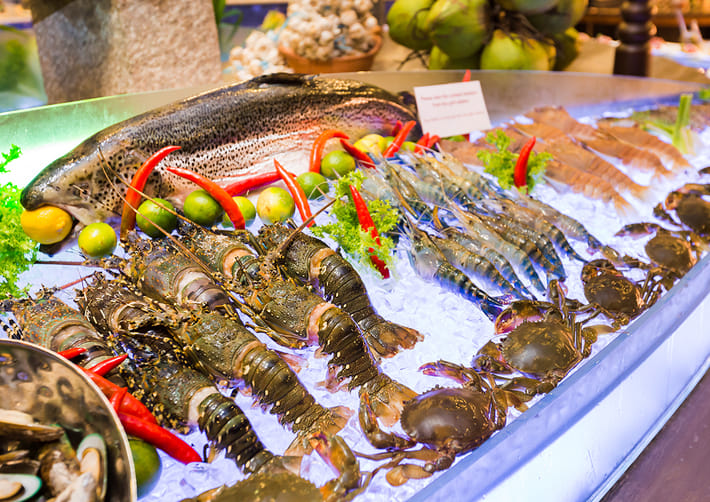
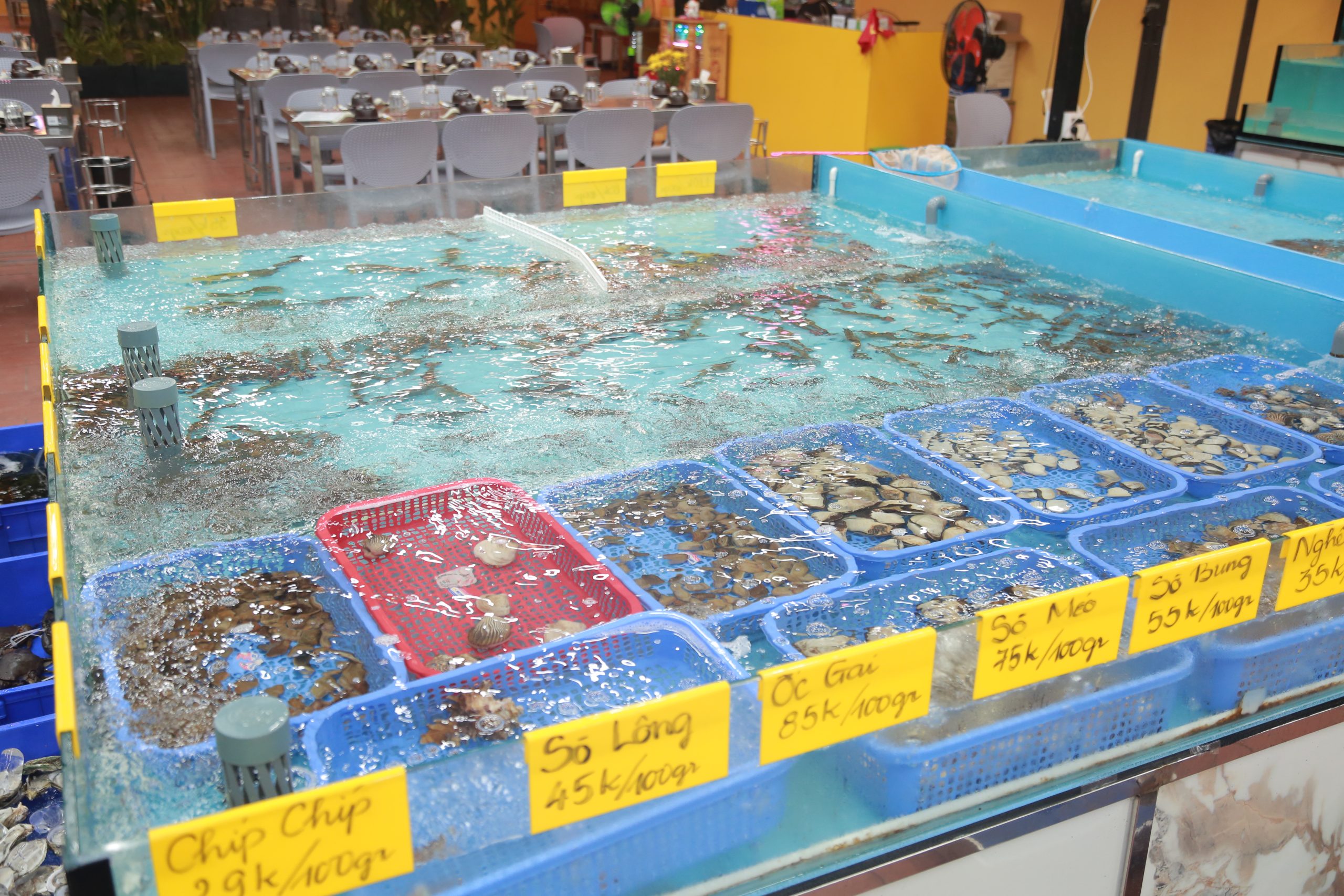
The prerequisite factor for a quality meal is the freshness of the ingredients, as fresh seafood always brings a natural sweetness without needing too many seasonings. You should prioritize choosing foods that are still swimming in the tank to ensure the nutritional content and characteristic flavors remain intact.
Freshness is the factor that makes the difference for seafood restaurants chosen by locals for many years 👉 Affordable Seafood in Da Nang for Locals & Tourists
Diversify Processing Methods to Avoid Monotony
To prevent the menu from becoming monotonous, you should flexibly combine methods such as steaming, grilling, making salad, or cooking porridge. Try to minimize the abuse of too many fried or stir-fried dishes at the same time, because excess oil is the main cause of the feeling of nausea.
Eat Slowly, Savor Each Dish

It is important to discard the “eat to get your money’s worth” mentality that leads many people to rush through expensive dishes too quickly. When food is consumed in haste, the enjoyment is often replaced by discomfort and fatigue. Eating slowly and chewing thoroughly allows you to clearly recognize the differences in texture, aroma, and natural sweetness of each type of seafood, rather than letting flavors blur together.
This mindful pace also gives your digestive system enough time to function properly and send accurate signals of fullness to the brain. When you eat seafood with patience and intention, the experience becomes more refined and satisfying, helping you appreciate quality over quantity while avoiding unnecessary heaviness after the meal.
Reasonable Allocation of Light Dishes – Bold Dishes
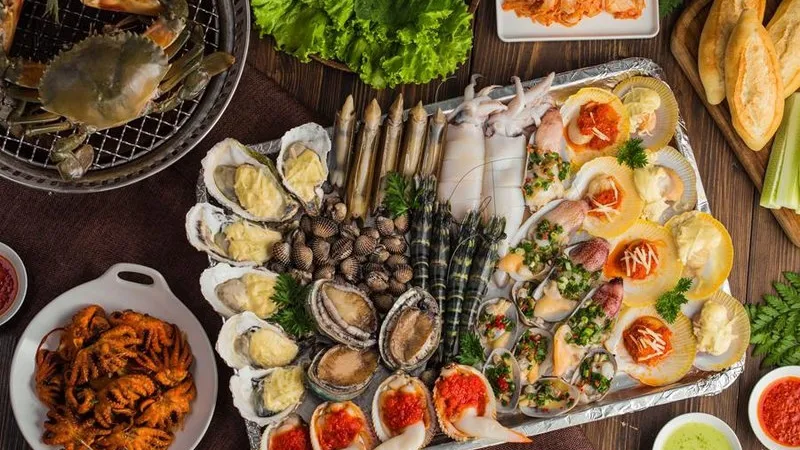
The order of enjoyment plays an extremely important role: start with light steamed dishes to awaken the taste buds, then move on to bold grilled dishes, and finish with a bowl of hot soup or congee. This process to eat seafood according to the sequence helps the stomach adapt gradually, ensuring you can enjoy all the delicious dishes without being hindered by the feeling of taste bud saturation.
🍽️ The Correct Order to Eat Seafood to Help Avoid Bloating
Arranging a scientific and well-balanced sequence of dishes is the key to fully enjoying a seafood feast without placing unnecessary strain on the digestive system. The order in which dishes are served and consumed directly affects how comfortably the body processes nutrients throughout the meal.
Light, gentle flavors help prepare the stomach, while richer dishes are better appreciated once digestion is properly activated. When you follow a thoughtful process to eat seafood, your body can absorb nutrients more efficiently while your palate remains fresh and responsive.
This structured approach allows you to maintain a pleasant sense of enjoyment from the very first dish to the last, preventing heaviness, bloating, or early loss of appetite. As a result, the entire dining experience feels smoother, more refined, and far more satisfying.
Start with Light, Refreshing Dishes
Awaken your taste buds with dishes that are cool and gentle, such as seafood salad, seaweed soup, or a bowl of heat-clearing sour soup. These appetizers help stimulate the secretion of gastric juices, preparing for the next protein-rich dishes without causing a feeling of nausea from the start.
Next is Steamed – Grilled Seafood
After the taste buds have been awakened, this is the ideal time for steamed or grilled dishes to fully perceive the natural sweetness of the seafood meat. This processing method not only keeps the nutrients intact but also minimizes oil, helping you eat seafood more while still feeling light in your stomach.
Finish with a Stomach-Warming Dish
To close the feast smoothly, you should choose hot starch dishes such as seafood porridge or light hotpot. These warm dishes play the role of “soothing” the stomach, helping to warm the digestive system and prevent bloating or indigestion after you eat seafood.
🌿 How to Eat Seafood to Keep the Full Natural Flavor?
The secret to elevating the culinary experience does not lie in elaborate recipes but in respecting the inherent rustic flavor of the ingredients. Understanding the sophisticated way to eat seafood will help you clearly feel the crisp, sweet taste without being overwhelmed by nausea or pungent spices that drown out the ocean’s originality.
Choose Seafood by Season
Enjoying seafood in season is the key factor helping you enjoy the firmest, sweetest, and fattiest meat of aquatic species. Each time of the year, there will be a specialty that reaches its peak in terms of flavor as well as the highest nutritional value. Choosing ingredients at the right time they grow best not only helps the meal stay fresh but is also a smart way to eat seafood to limit the consumption of long-term preserved foods, ensuring maximum safety for health.
👉 See more: Fresh seafood – a clear difference in quality and natural flavor
Dipping Sauces Should “Enhance Flavor” Not “Overwhelm Flavor”
Instead of using sauces that are too pungent or too spicy, prioritize lemon salt and pepper, ginger fish sauce, or a bit of moderate wasabi to stimulate the taste buds. These simple spices act as a lead, helping to evoke the richness of the food meat without losing the characteristic aroma of the ocean. A small rule when you eat seafood is to only dip lightly to feel the harmony between the saltiness of the spice and the sweet taste from the fresh meat fibers.
Limit Bold Sauces That Hide the Ocean Scent
The abuse of greasy cheese sauces, salted egg sauces, or too much garlic butter often unintentionally hides the precious sweet taste of fresh ingredients. These ingredients, when used excessively, will create a feeling of getting tired quickly and put pressure on the digestive system due to the high fat content. You should moderate these ingredients when you eat seafood to not only enjoy more dishes but also help the body always feel light and comfortable after finishing the feast.
Processing Temperature Determines 50% of the Deliciousness
The key to a standard steamed or grilled dish is to time it just long enough to cook to keep the succulence and natural crunchy structure of the meat. Cooking for too long under high temperatures will make shrimp, crab, or squid dry, tough, and lose most of the inherent sweet essence. When you know how to control the temperature, the act to eat seafood will become more complete as you feel the smoothness and juiciness in every bite, preserving the value of the gift from the sea.
⚠️ Common Mistakes When Eating Seafood That Many People Make
Many people unintentionally combine foods that are incompatible during a feast, which can lead to reactions that are unfavorable to overall health. These mistakes often go unnoticed, as the symptoms may appear mild at first but gradually affect digestion and comfort. Without proper awareness, certain pairings can interfere with how the body processes nutrients and may cause bloating or discomfort after the meal.
Understanding the basic taboo rules is therefore essential when you eat seafood, as it helps protect the digestive system from unnecessary stress. More importantly, being mindful of these combinations allows the body to absorb the full range of valuable nutrients more effectively. With the right knowledge, diners can enjoy seafood meals in a safer, more balanced way while preserving both health and long-term well-being.
Eating Seafood with Unsuitable Drinks
The habit of using cold beer or carbonated soft drinks right during a seafood feast is a very common mistake. This combination easily increases uric acid levels in the blood, causing joint problems or making the stomach cold, leading to bloating and indigestion.
Avoid Using Seafood with Incompatible Foods
You should absolutely avoid eating sour fruits or drinking milk immediately after enjoying seafood. The acid in fruit and the protein in seafood, when meeting each other, can form difficult-to-dissolve compounds, causing irritation to the intestinal mucosa and reducing the ability to absorb calcium.
Eating Too Late or Too Full
Consuming a large amount of protein-rich food at too late a time causes the stomach to work excessively while the body needs to rest. This frequently leads to bloating, indigestion, and reduces the quality of your sleep after every feast.
💚 How to Eat Seafood to be Good for Long-term Health?
Seafood is widely recognized as a valuable source of high-quality protein and essential minerals that support overall health. However, consuming large amounts in a single meal can sometimes place unexpected strain on the digestive system, leading to discomfort rather than nourishment. To maintain long-term well-being and fully benefit from its nutritional value, moderation plays a crucial role.
Establishing a scientific and balanced dietary approach allows the body to process nutrients more effectively while reducing unnecessary digestive pressure. When you eat seafood in a planned and controlled manner, you can enjoy its health benefits without triggering adverse reactions. A thoughtful regimen that considers portion size, frequency, and preparation methods should therefore be a top priority for anyone aiming to build a sustainable and healthy daily menu.
Reasonable Amount of Seafood Per Week
You do not necessarily have to put shrimp, fish, or snails on the menu every day to supplement nutrients for the body. According to nutrition experts, in fact, we only need to maintain 2 to 3 meals per week to be enough for the body to maximally absorb the amount of Omega-3, zinc, calcium, and essential minerals. The act to eat seafood moderately like that helps you receive enough health benefits without having to worry about excess protein or heavy metal accumulation often found in some large fish species.
Choose Healthy Cooking Methods
Instead of indulging in deep-fried dishes with a lot of oil or greasy cheese sauces, prioritize simple processing methods such as steaming, boiling, or charcoal grilling. These ways help keep the natural sweetness and freshness of the ingredients without changing the nutritional structure. More importantly, limiting oil when you eat seafood not only helps you well control the amount of calories consumed but also protects the cardiovascular system and reduces the burden on the liver and kidneys.
Combine Green Vegetables – Fiber
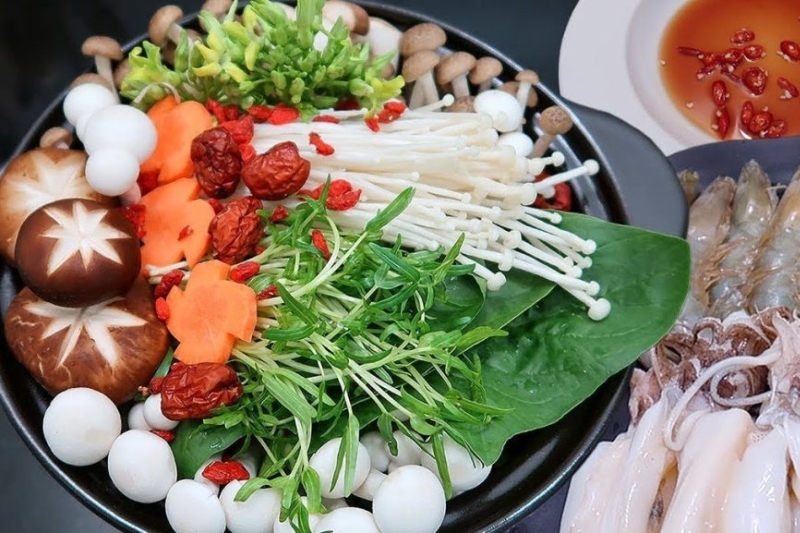
A golden rule to help the meal be more complete is to always use it with green vegetables such as water spinach, green cabbage, or various seaweeds. Seafood inherently has “cold” properties, so when combined with green vegetables and warm spices like ginger and lemongrass, it will create a perfect heat balance for the body. In addition, the abundant fiber content in vegetables helps promote metabolism, supporting the digestive system to operate more smoothly, thereby eliminating the feeling of a heavy stomach after you eat seafood and other protein-rich foods.
Listen to the Body When Eating Seafood
Finally, always take the time to pay attention to the body’s reaction after every feast. Each person has a different constitution; therefore, monitoring signs such as allergies, red rashes, bloating, or a feeling of internal heat after you eat seafood is extremely important. If you notice abnormal expressions, you should actively adjust the type of food or change the way ingredients are combined to find a menu that is safest and most suitable for your own physical condition.
✨ Conclusion
To have a truly quality meal, mastering basic rules is indispensable. The secret lies in three key factors: choosing fresh ingredients, following a reasonable enjoyment order, and absolutely not being greedy for too many dishes in the same meal to avoid overloading the digestive system.
The act to eat seafood is not simply about loading nutrients but is also an art of enjoyment. When you know how to balance the dosage and choose smart processing methods, every seafood feast will become sophisticated, civilized, and ensure absolute safety for health.
If you want to fully apply these scientific principles to eat seafood in a luxurious space with ocean-standard ingredients, Kim Seafood is the ideal meeting point for every feast.
👉 Da Nang Seafood Restaurants: Why Kim Seafood Stands Out
Contact Information:
- Address: Kim Seafood, A2.01 Ly Nam De Street, An Hai Trung Ward, Son Tra District, Da Nang, Vietnam.
- Phone: 0916111143
- Opening Hours: 10:00 AM – 11:00 PM
- Email: hello.kimseafood@gmail.com
- Facebook Fanpage: Hải sản KIM Seafood