Seafood Hotpot at Kim Seafood – Rich Ocean Broth in the Heart of Da Nang
Seafood hotpot at Kim Seafood Da Nang – fresh ingredients, rich ocean broth, five distinctive hotpot styles. Da Nang has fresh seafood. That is not in question. But finding a genuinely good seafood hotpot — where the broth is naturally sweet, the ingredients have not been stored overnight, and the menu is varied enough that everyone at the table is happy — is a different matter.
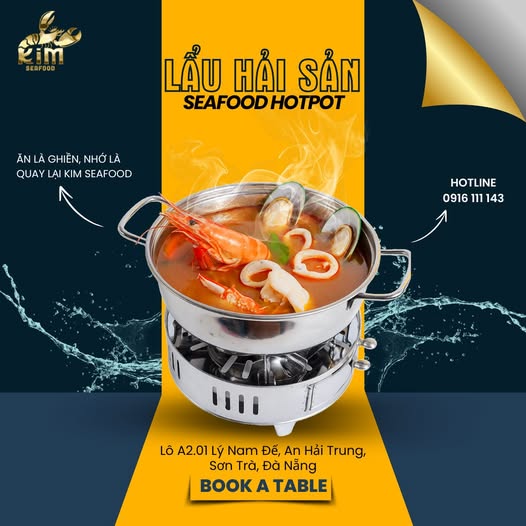
This article goes straight to what you actually need to know: what makes a good seafood hotpot, which styles are worth trying, and why Kim Seafood keeps appearing on local lists when anyone asks where to eat seafood hotpot in Da Nang.
What Makes a Seafood Hotpot in Da Nang Worth Eating?
Many places advertise seafood hotpot but in practice serve little more than packaged broth with a few shrimp placed on top for presentation. Anyone who has eaten a properly made seafood hotpot once can tell the difference the moment they take the first sip.
Three things determine whether a seafood hotpot is genuinely worth eating: the broth, the ingredients, and the fit between the hotpot style and what is served alongside it.
The Broth – The One Thing You Cannot Fake
The broth of a proper seafood hotpot must carry sweetness that comes from fish bones, prawn heads, or the natural base of whichever style is being served. There is no shortcut to this. It requires time and real ingredients.
Broth made from instant powder or stock cubes tends to be sweet in a one-dimensional way — no depth, none of the natural seafood aroma, and it does not improve as you cook things in it. Add more ingredients and the broth stays flat, or even thins out.
Real broth works the opposite way. Each time fresh seafood is added, the liquid picks up more flavor and becomes richer. This is the clearest way to tell a genuine seafood hotpot from one that is going through the motions.
The Ingredients – Freshness Shows the Moment They Hit the Heat
Seafood that is past its best releases a fishy odor when it meets boiling liquid. That smell gets absorbed into the broth, clouds the liquid, and damages the overall flavor. This is why many hotpot broths taste noticeably worse toward the end of a meal — not because the broth itself changed, but because the ingredients dragged it down.
Fresh seafood in a hotpot behaves entirely differently: the flesh stays firm rather than soft and falling apart, the natural sweetness releases into the broth rather than a tainting smell, and the liquid actually improves with each addition.
This is why the broth and the ingredients in a seafood hotpot cannot be evaluated independently. One weak element pulls the other down with it.
The Style – Not Every Seafood Hotpot Tastes the Same
Seafood hotpot in Da Nang comes in multiple variations: sour broth styles, Thai-inspired bases, local leaf-soured versions, and regional fish-based preparations. Each has its own broth foundation, its own best ingredients to accompany it, and its own way of being eaten.
Choosing the right style for the group, the occasion, and the mix of people at the table is part of the experience. A good restaurant is one where the staff can actually guide you through that choice — not just hand over a menu and wait.
👉Watch more Kim Seafood – Seafood Restaurant in Da Nang Loved by All
Five Seafood Hotpot Styles at Kim Seafood – Each One Distinct
Kim Seafood has five seafood hotpot styles on the menu. Each is built from a different broth base and works better for different groups and occasions. There is no ranking here — only what fits which situation.
Tomato Shrimp Hotpot – Light, Approachable, Crowd-Friendly
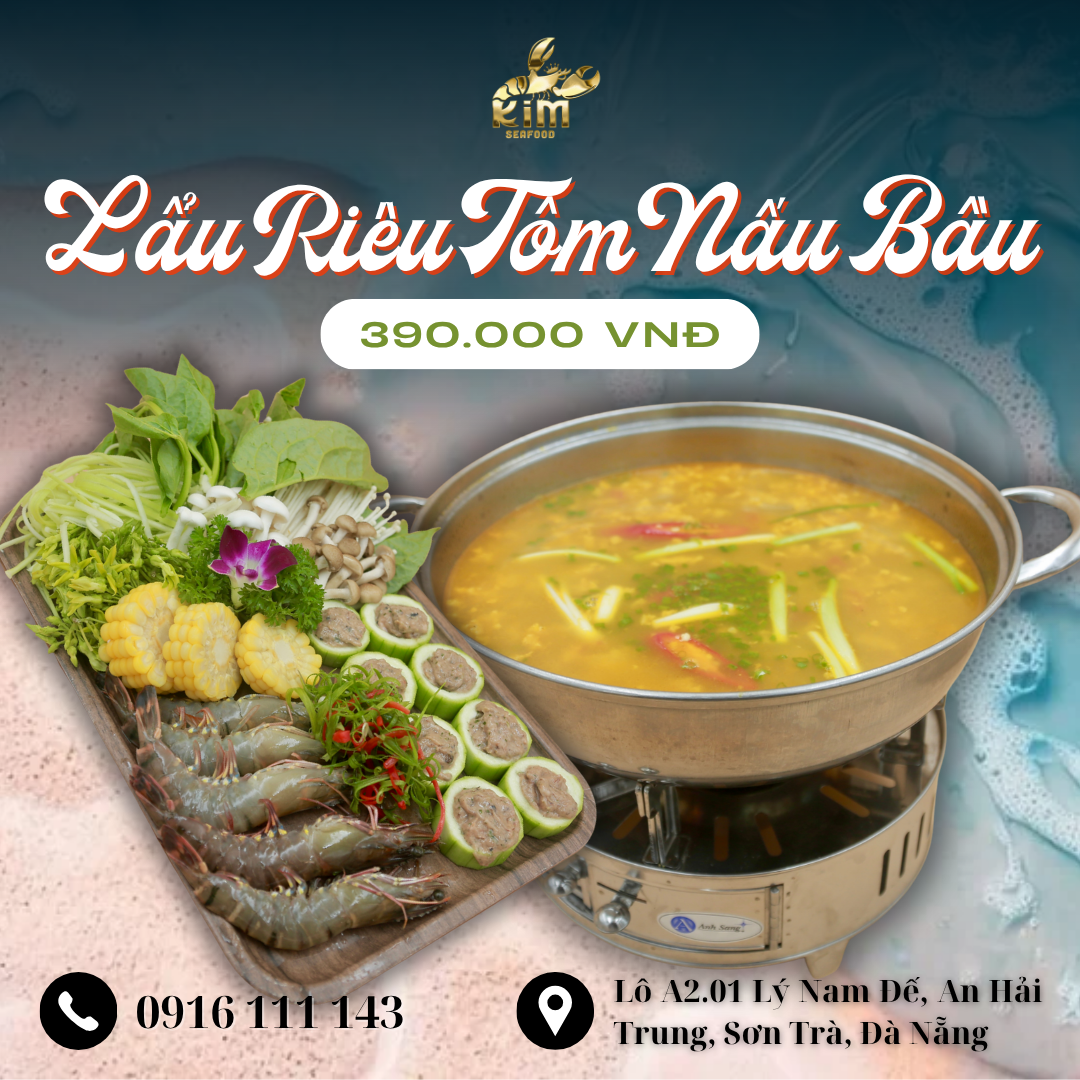
This is the seafood hotpot style at Kim Seafood best suited to groups where someone does not eat spicy food or is not comfortable with strong fish sauce flavors. The tomato-based broth gives a gentle, clean sourness without any sharpness.
Marrow cooked into the base keeps a natural vegetable sweetness in the liquid that stops it from becoming rich or heavy over a long meal. shrimp cooked in this broth stay firm and retain their sweetness rather than being overpowered by acidic notes.
This seafood hotpot style tends to be the choice for family meals that include older members and young children — flavorful enough to satisfy, gentle enough that no one has to avoid it.
Thai-Style Seafood Hotpot – Layered, Complex, Widely Loved
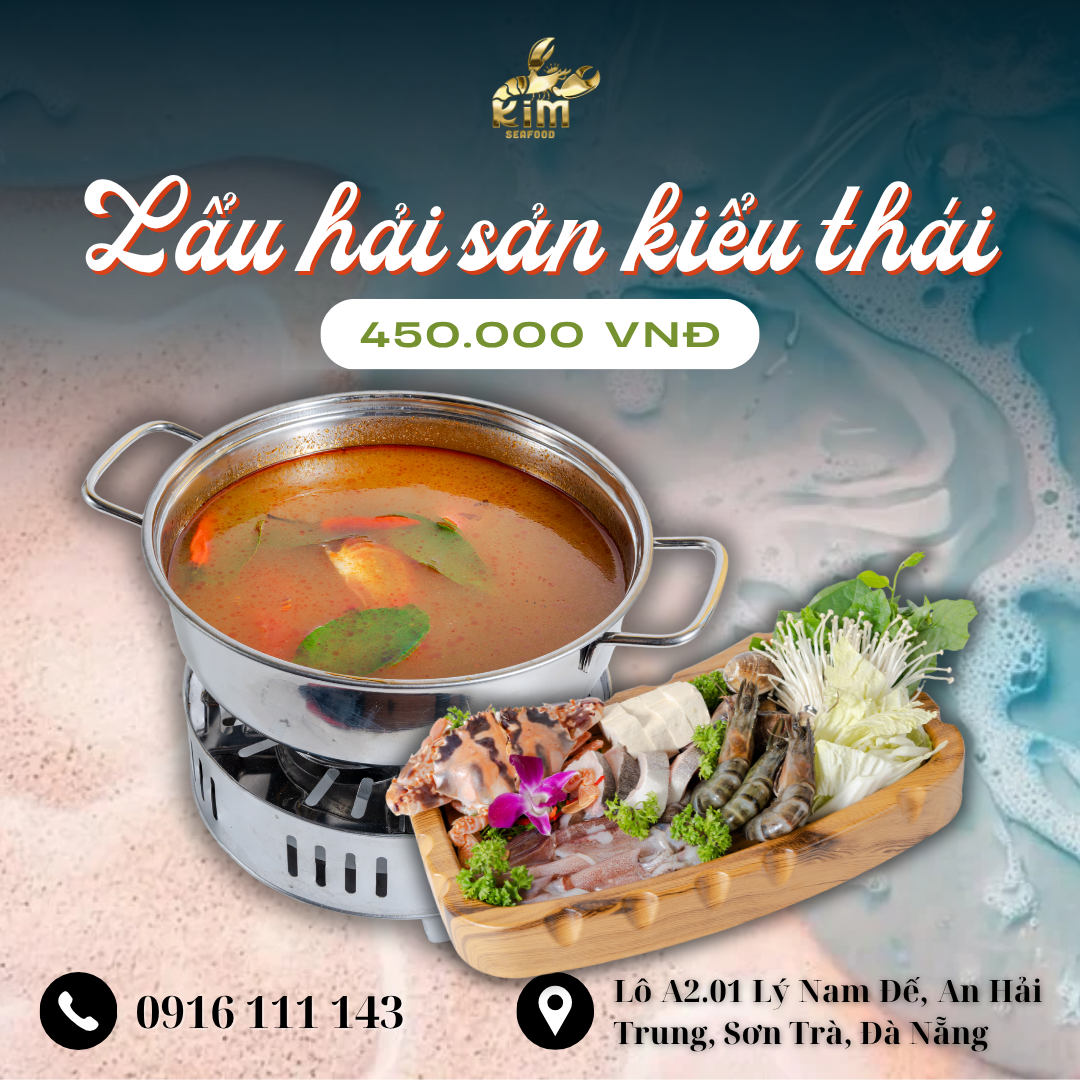
The Thai-style seafood hotpot is the most frequently ordered option at Kim Seafood, particularly by guests arriving from other cities and international visitors. The broth combines lemongrass, kaffir lime leaf, chili, and coconut water into an aromatic base where sour, spicy, and sweet notes exist simultaneously without any one of them dominating.
One of the key strengths of this seafood hotpot style is how well it works with a wide variety of seafood. Prawns, squid, fish, clams, cockles — each brings out its own natural flavor in this broth rather than being masked by it. Nothing gets lost in the pot.
This is the seafood hotpot style for groups who want to eat boldly, want multiple flavors in a single pot, and can handle mild to moderate heat. It is also the style most commonly chosen when someone wants to introduce a visitor to Da Nang seafood in a single dish.
Leafed Hotpot – Natural Sourness from Local Leaves
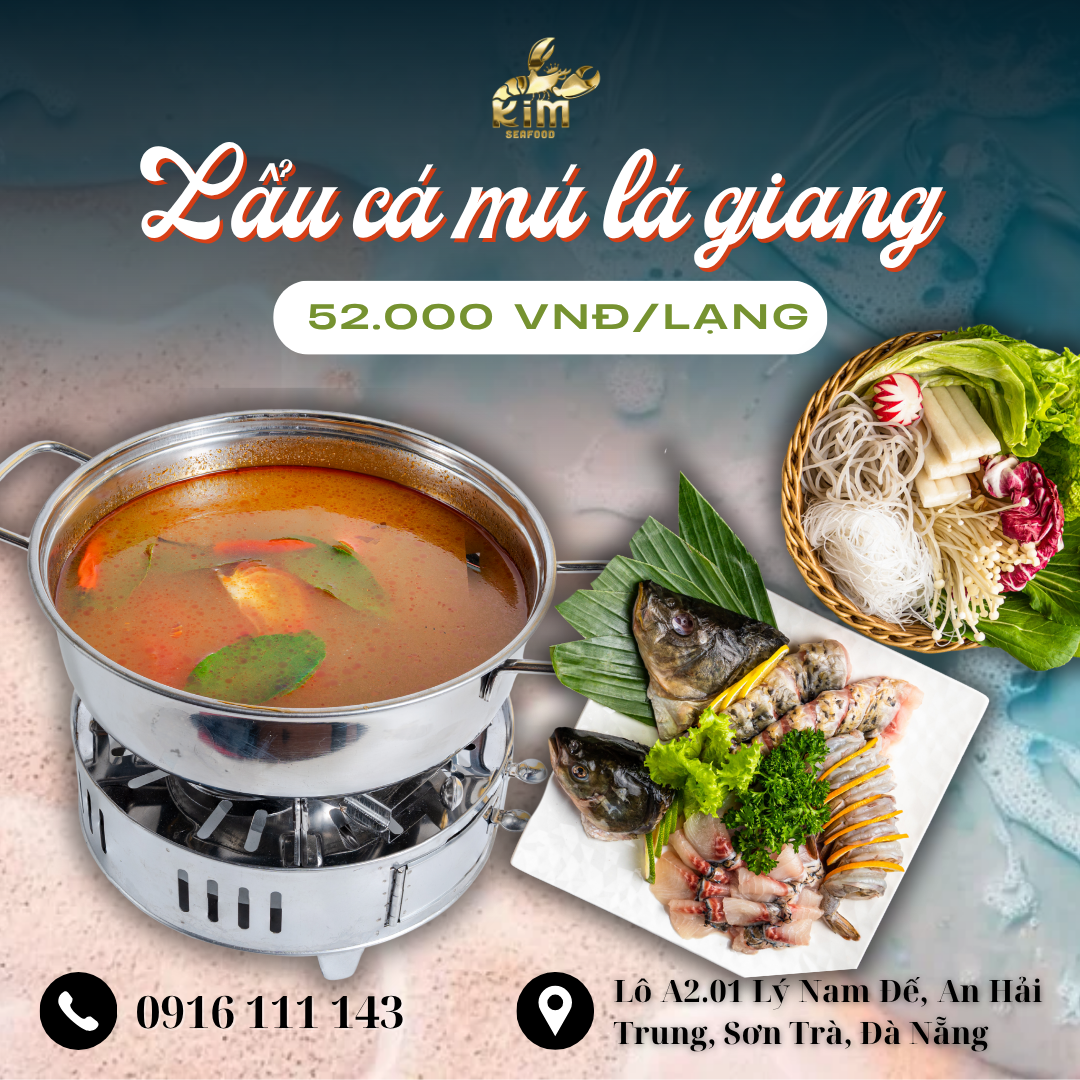
La giang is a leaf native to Central Vietnam that creates a mild, clean sourness entirely from the plant itself — not from tamarind, vinegar, or any added acid. When combined with fresh grouper, the broth has a depth of flavor that carries no artificial quality.
Grouper in a la giang seafood hotpot is a long-established combination in Quang Nam and Da Nang cooking, though not every restaurant executes it well. What determines the outcome is whether the fish is fresh enough to avoid any tainting of the broth, and whether the leaves are cooked just long enough to release their sourness without becoming harsh.
For guests who want a seafood hotpot that reflects the actual local cooking tradition of Da Nang rather than a generalized version, this is the style that delivers most authentically.
Spicy Bamboo Shoot Frog Hotpot – A Different Experience Within the Same Meal
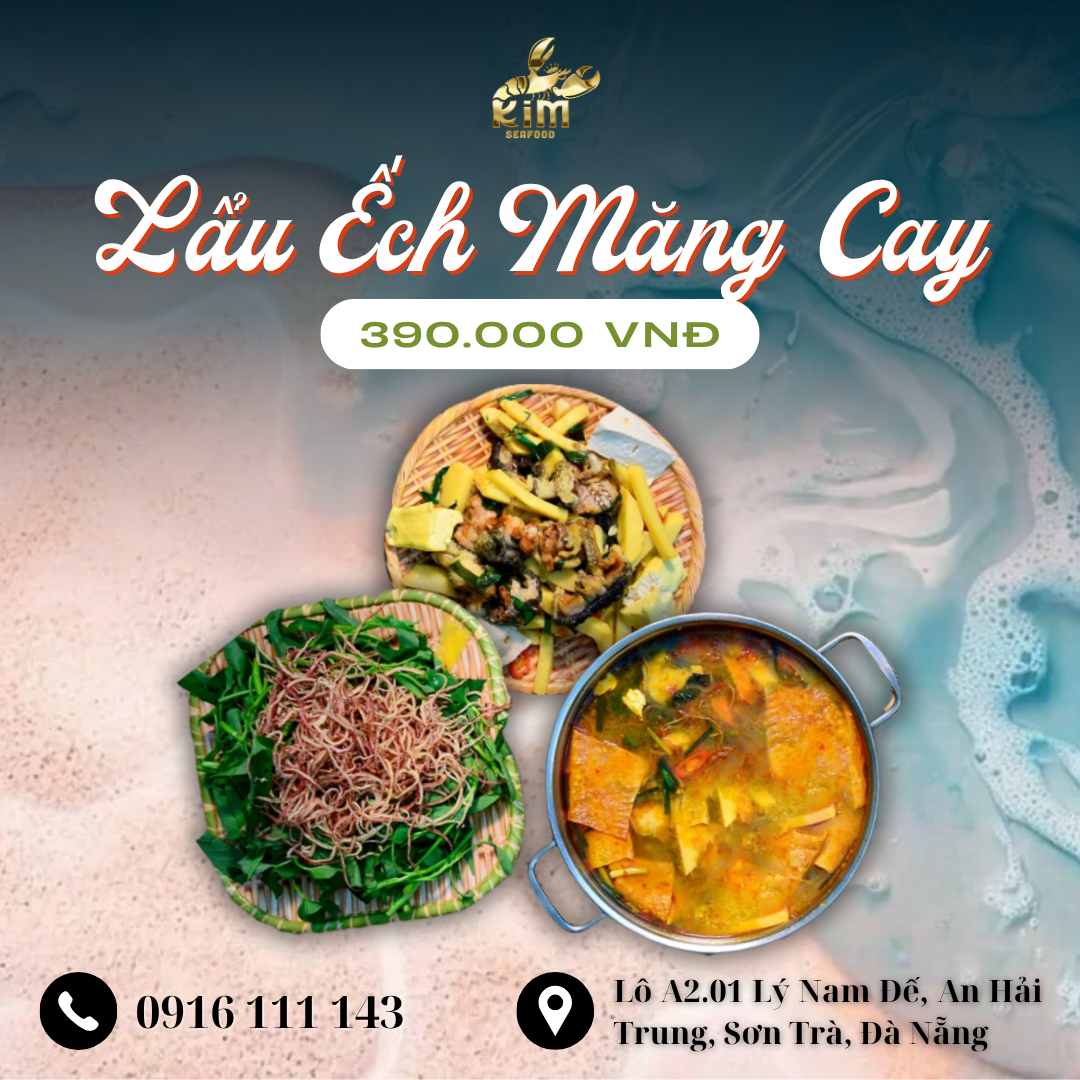
The frog and bamboo shoot hotpot is less common on seafood restaurant menus, but Kim Seafood includes it as an alternative for groups that want to break from the usual seafood formats.
The chili-forward broth and the slight bitterness of fresh bamboo shoots create a flavor profile that stands completely apart from the other hotpot styles on the menu. Frog meat cooked in this broth holds its texture well — it does not turn soft the way chicken does or become dense the way pork can in long-cooked broths.
This seafood hotpot alternative is best suited to tables that have already explored the standard options and want to add something genuinely different to the same meal.
Barramundi Fish Hotpot – Sweet, Clean, Easy for Everyone
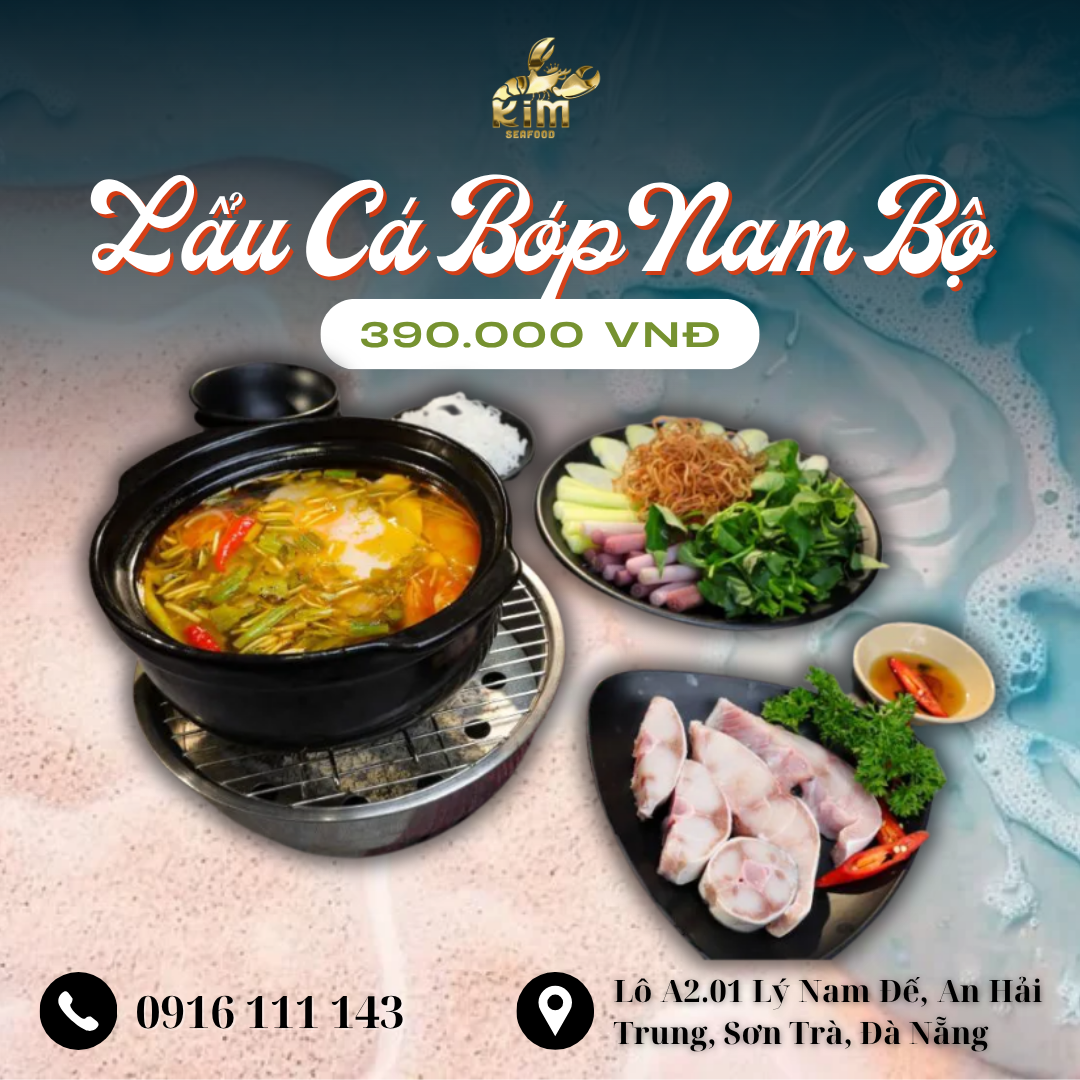
Barramundi is a white-fleshed fish with minimal bones, mild flavor, and natural sweetness that makes it one of the most versatile fish for hotpot cooking. The southern Vietnamese broth style used here is built on tomatoes and a selection of herbs typical of Mekong Delta cooking — naturally sweet, no heat.
This seafood hotpot style is consistently chosen when the group includes older guests or children. The fish flesh is soft and easy to eat without the fiddly bone situation many other fish create, and the flavor is gentle enough that no one has to negotiate around what is in the pot.
Among the five hotpot options at Kim Seafood, this is the lightest — a long meal that leaves you satisfied rather than overwhelmed.
What Sets the Seafood Hotpot at Kim Seafood Apart?
There are many seafood hotpot options in Da Nang, but not many that maintain consistent quality across visits. The first time is often good; subsequent visits sometimes tell a different story.
The difference at Kim Seafood does not come from a single standout element but from how the whole operation is run.
Ingredients Sourced Daily, Never Carried Over
Kim Seafood sources seafood from Da Nang’s fishing ports and neighboring provinces every day. There are no ingredients held overnight and re-presented the next morning. This directly affects the quality of the seafood hotpot broth — fresh seafood raises the broth as it cooks, seafood that is no longer fresh does the opposite.
On days when supply is limited, some items on the hotpot menu may not be available or are restricted in quantity. This is not an inconvenience — it is a sign that the restaurant is holding its standard rather than filling gaps with substitutes.
Broth Made from Real Ingredients, Not Instant Powder
Each seafood hotpot style at Kim Seafood has its own broth, made from the corresponding real ingredients. The tomato sour style uses actual tomatoes and prawn shells. The Thai style uses fresh lemongrass, kaffir lime leaves, and coconut water. The la giang style uses freshly sourced wild leaves.
Anyone who eats hotpot regularly will notice the difference in the first sip. The sweetness has dimension, the aroma is natural and layered, and the flavor improves rather than staying static as more ingredients are added. These are qualities that instant broth bases cannot replicate.
Multilingual Service – No Friction When Ordering Hotpot

Groups that include Korean or English-speaking guests often run into difficulty when ordering hotpot — because the menu descriptions for different broth styles and ingredient combinations require explanation that simple translation does not always capture.
Kim Seafood has staff who can assist in both English and Korean, helping guests understand each hotpot style and recommending portion sizes and combinations appropriate to the group. This is a practical advantage when organizing a meal for a mixed group of Vietnamese and international guests.
How to Eat Seafood Hotpot Better – Things Most People Overlook
The quality of a seafood hotpot is not only determined by the restaurant. How you eat it also shapes the experience.
Cook Each Type Separately, Not All at Once
Different seafood requires different cooking times to reach the right point. Prawns and squid are done in one to two minutes. Fish needs a little longer. Clams and cockles are ready when the shells open naturally.
Adding everything to the seafood hotpot at once means the fast-cooking items overcook and turn rubbery while the slower-cooking ones are still raw. Cooking each type separately, in the right order, is the most reliable way to get each ingredient to its ideal point without compromise.
Choose Vegetables That Suit the Hotpot Style
Thai-style seafood hotpot works well with water spinach, banana blossom, and bean sprouts. La giang hotpot is traditionally paired with water mimosa or local jungle greens. Tomato-based broths are compatible with most local vegetables.
Staff at Kim Seafood can advise on the right vegetables for whichever seafood hotpot style you choose. It is a detail that is easy to overlook but has a meaningful effect on the overall balance of the meal.
Taste the Broth Before Adjusting It
Each seafood hotpot broth at Kim Seafood is seasoned specifically for its style. Adding fish sauce, salt, or other seasonings before tasting shifts the base flavor in ways that are difficult to correct afterward.
Taste first, cook a small amount of seafood in it, then taste again. Only then is there a sound basis for adjusting if needed. This gives you the best chance to understand the original flavor of the broth before changing it.
👉Watch more Fresh Seafood at Kim Seafood – Authentic Ocean Flavor in Da Nang
Which Occasions Suit a Seafood Hotpot Meal?
Seafood hotpot is not only a weekend choice. The five styles on the Kim Seafood menu cover enough variety to suit many different kinds of meals and groups.
Multi-Generational Family Meals
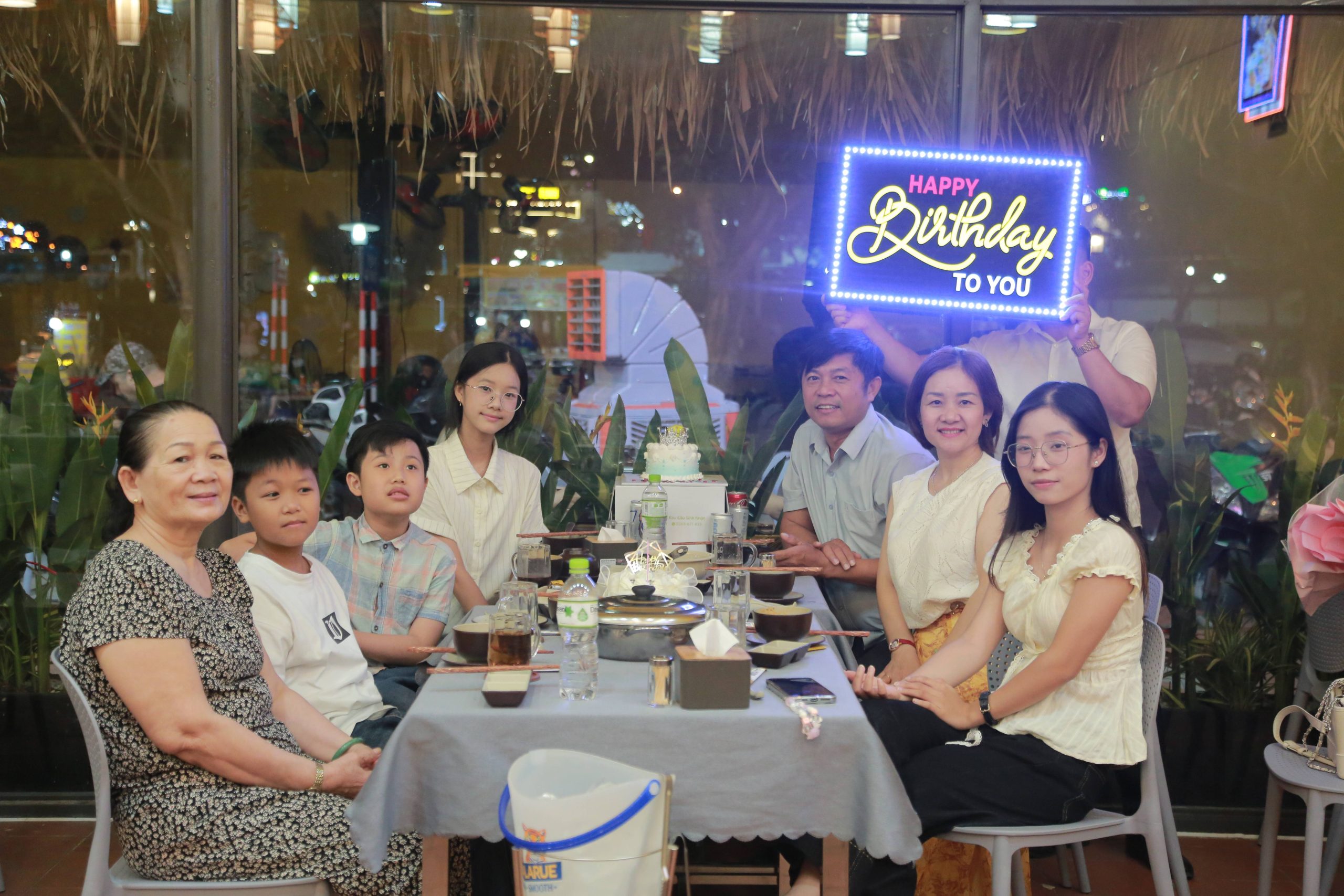
Seafood hotpot is one of the most flexible formats for a family meal because everyone cooks at their own pace and according to their own preferences without affecting anyone else at the table.
For families with young children, the sour tomato prawn hotpot or the southern barramundi style offers a gentle, non-spicy base that younger and older members alike can eat comfortably. Adults who prefer stronger flavors can opt for the Thai style or the la giang version at the same table.
Introducing Visitors to Da Nang Seafood
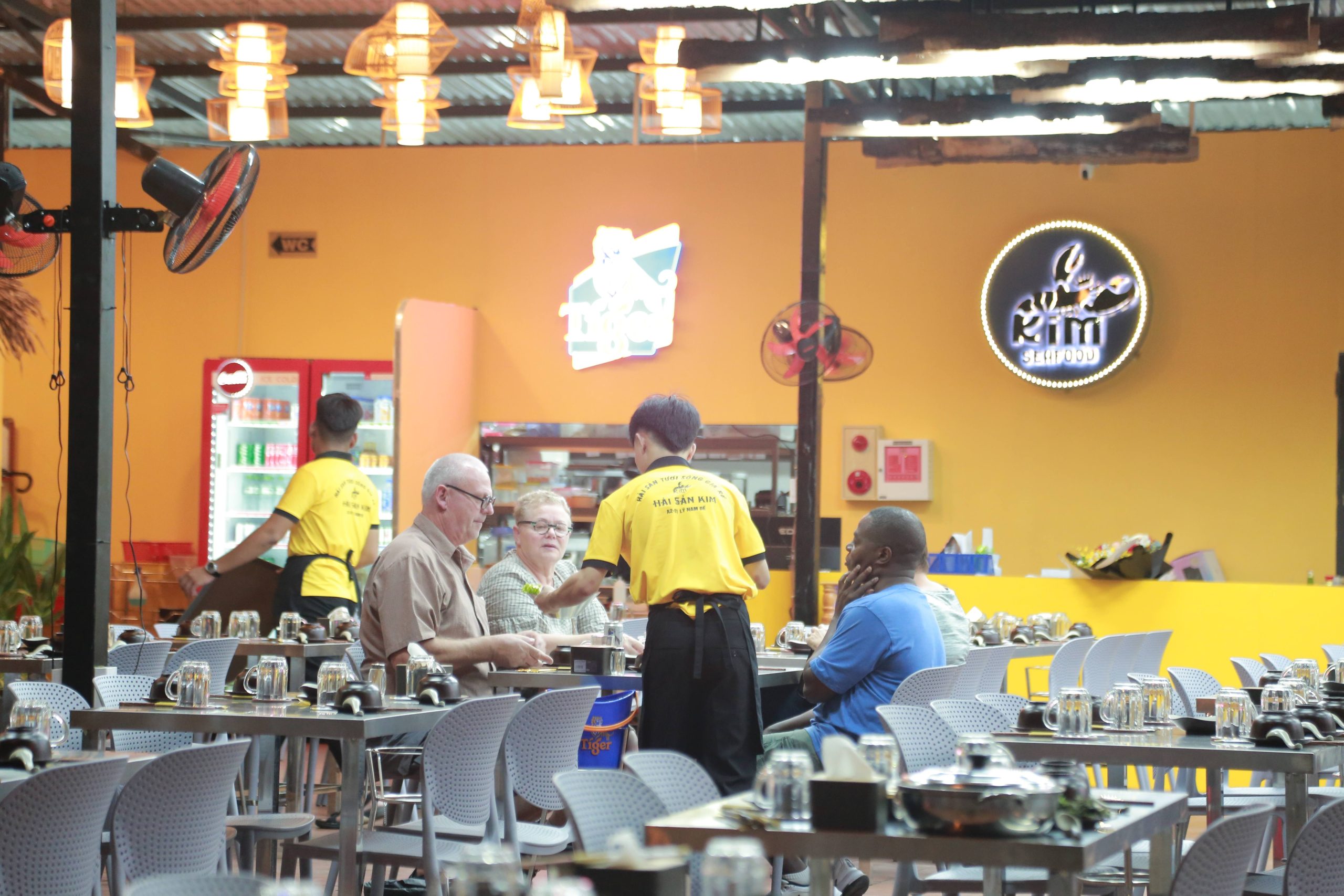
When bringing guests from outside Da Nang to experience local seafood, a hotpot provides the broadest introduction in a single dish. A well-made seafood hotpot allows guests to try multiple varieties of fresh seafood within one meal rather than committing to individual dishes they may or may not enjoy.
The Thai-style seafood hotpot at Kim Seafood is the most common choice in this context — distinct enough to be memorable, flexible enough to accommodate different taste preferences, and visually impressive enough to make an impression.
Group Gatherings After a Long Day
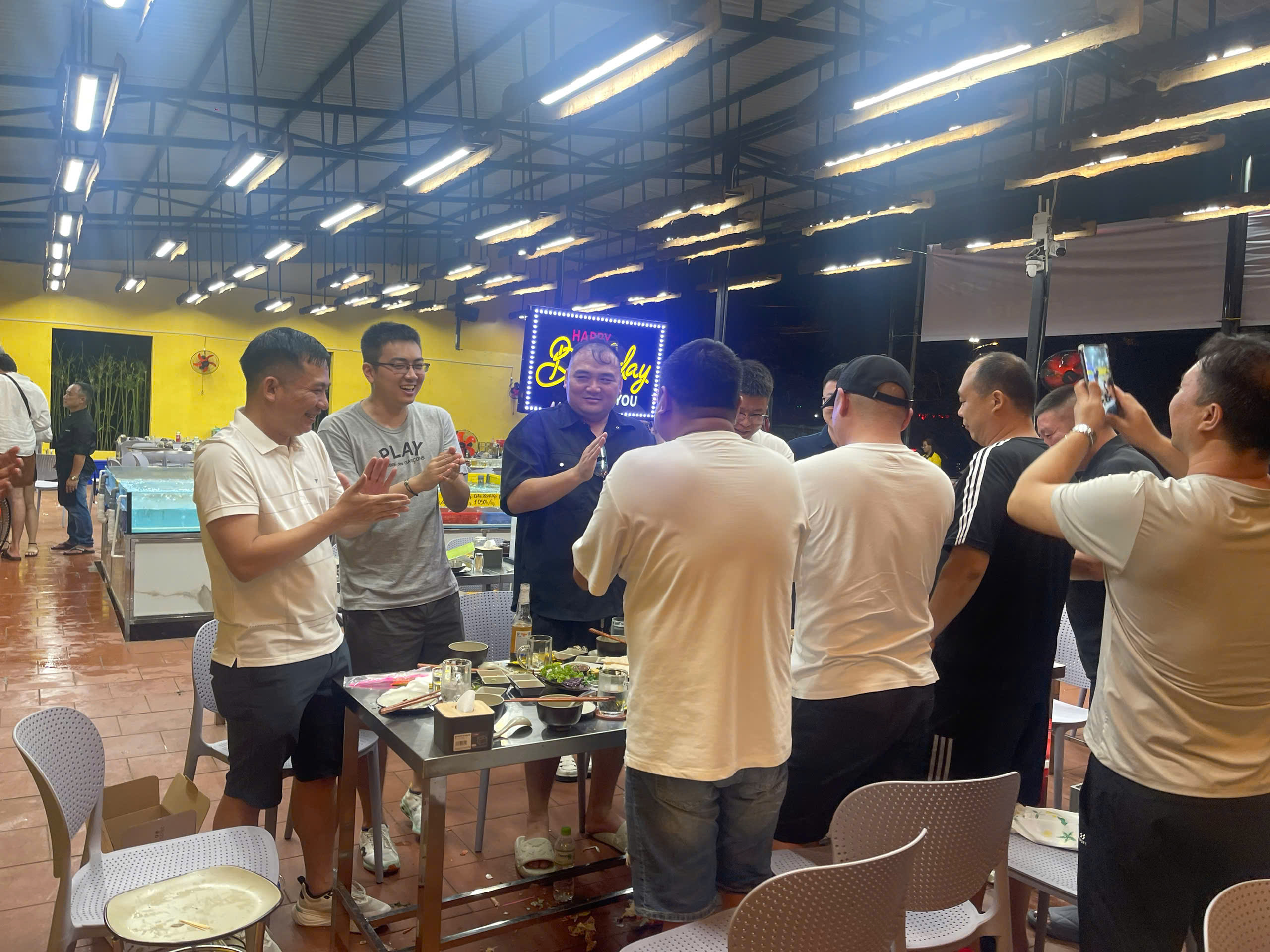
The dining space at Kim Seafood accommodates groups of 4 to 15 people comfortably. A seafood hotpot meal unfolds naturally over the course of an evening — eating, cooking, and conversation happen simultaneously without the awkward pauses that come from ordering separate dishes and waiting for each one to arrive.
A well-made hotpot naturally extends the meal without anyone feeling rushed. This is why seafood hotpot suits a relaxed group gathering better than most individual-dish formats.
Common Mistakes When Choosing a Seafood Hotpot in Da Nang
Not every seafood hotpot experience in Da Nang meets expectations. Most disappointments trace back to a few avoidable mistakes made before the food even arrives.
The first mistake is choosing based on appearance or price rather than the quality of the ingredients. A seafood hotpot that looks well-presented but uses stored or reheated seafood will reveal itself the moment the broth starts cooking.
The second mistake is not asking about the broth before ordering. Many hotpot restaurants in Da Nang use instant powder or pre-mixed stock. Asking directly — what is the broth made from — gives a clear answer quickly. A place that can answer that question specifically and confidently is generally a place that takes it seriously.
The third mistake is over-ordering ingredient variety for a single pot. Too many different types of seafood in one broth dilutes the characteristic flavor of the hotpot style. Starting with three or four main seafood types, along with appropriate vegetables, and adding more gradually keeps the broth focused and flavorful from beginning to end.
Practical Tips for Your First Seafood Hotpot at Kim Seafood
If this is your first visit to Kim Seafood for a seafood hotpot, a few practical notes will help the experience go exactly as expected.
Book ahead for weekend evenings. Kim Seafood fills up between 6:00 PM and 8:30 PM on Fridays, Saturdays, and Sundays. For groups of five or more, a reservation is essential if you want a specific table layout and do not want to wait.
Tell the staff how many people are eating, who can handle heat, and who cannot. They will recommend the right hotpot style and portion scale based on that information. This is a practical interaction, not a sales pitch — if a style does not fit your group, they will say so directly.
Taste the broth first before adding anything to the pot. This single habit gives you the best read on the quality of what you are about to eat and allows you to experience the intended flavor of the hotpot style before anything else changes it.
Do not over-order on a first visit. A full seafood hotpot with appropriate vegetables and one or two side dishes is usually more than enough for most groups. It is always possible to add more — it is not possible to un-order.
Frequently Asked Questions About Seafood Hotpot at Kim Seafood
How many seafood hotpot styles does Kim Seafood offer?
Kim Seafood currently has five seafood hotpot styles on the menu: Sour Tomato Prawn Hotpot with Marrow, Thai-Style Seafood Hotpot, Grouper and La Giang Leaf Hotpot, Spicy Frog and Bamboo Shoot Hotpot, and Southern-Style Barramundi Hotpot. Each has a distinct broth base and flavor profile.
How many people does one seafood hotpot pot serve at Kim Seafood?
One pot is generally suited to groups of 2 to 6 people depending on pot size. Larger groups can order additional pots. Staff can advise on the right number of pots and which styles work best in combination for your group size and preferences.
Is a reservation necessary for seafood hotpot at Kim Seafood?
Not strictly required, but strongly recommended for weekend evenings. The 6:00 PM to 8:30 PM window on Fridays through Sundays fills quickly, especially for larger groups. Booking ahead ensures your table and preferred seating without waiting.
Does Kim Seafood use instant broth powder for its seafood hotpots?
No. Each seafood hotpot style at Kim Seafood uses a broth made from the corresponding real ingredients. The Thai style is built from fresh lemongrass, kaffir lime leaves, and coconut water. The la giang style uses freshly sourced wild leaves. The tomato sour base uses actual tomatoes and seafood shells. Instant powder or pre-mixed stock is not part of the kitchen process.
Can Kim Seafood serve international guests for seafood hotpot?
Yes. Staff at Kim Seafood can assist in both English and Korean, which is particularly useful for explaining the differences between hotpot styles and making ingredient recommendations for mixed groups. The menu is also available in multiple languages.
Conclusion – A Good Seafood Hotpot in Da Nang Comes Down to Where You Choose
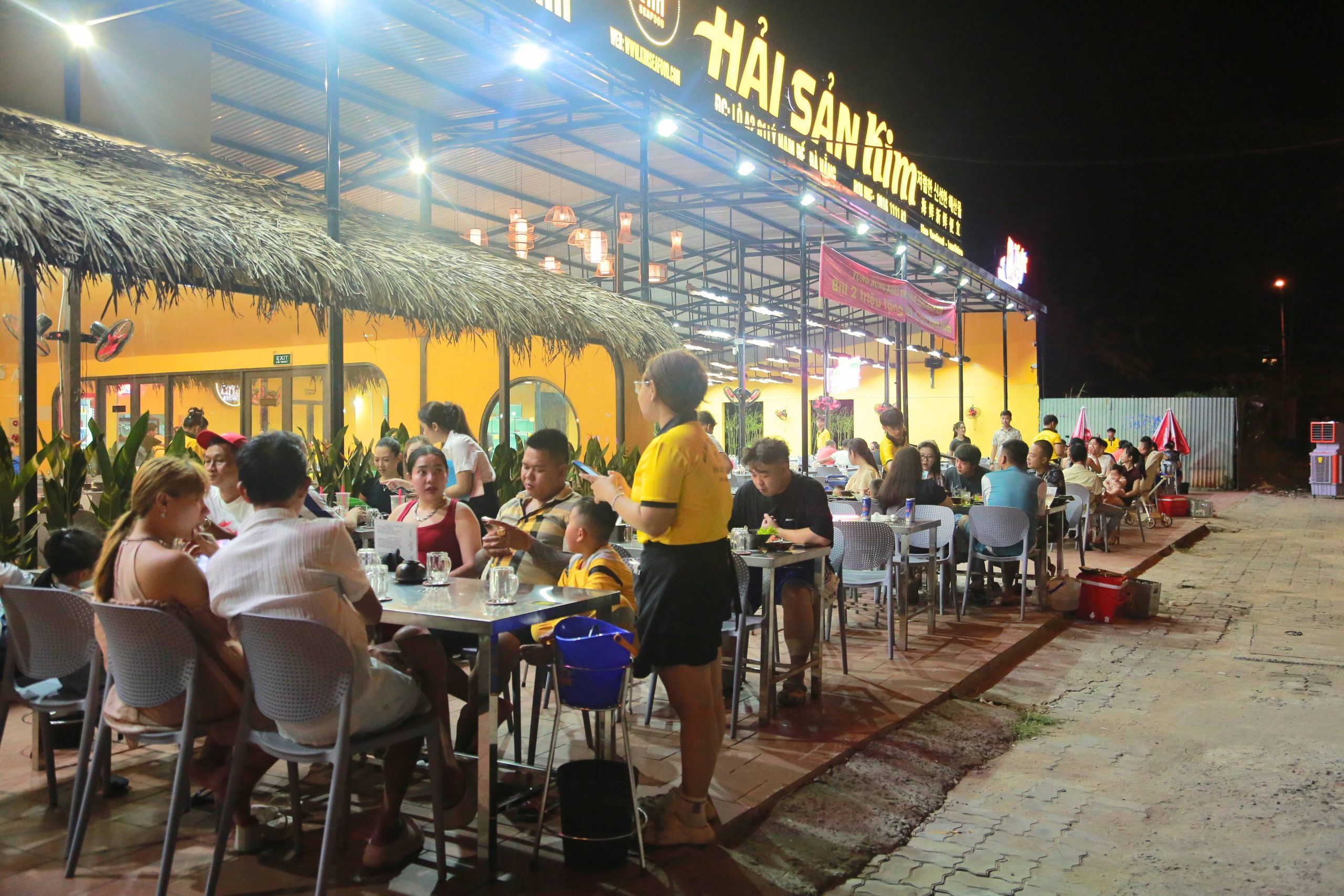
Da Nang has the conditions to produce genuinely outstanding seafood hotpot: daily access to fresh catch, a cooking culture built around the ocean, and a climate that makes hotpot a year-round pleasure rather than a seasonal one.
The limitation is not the ingredients — it is whether the restaurant in front of you knows what to do with them. Instant broth, stored seafood, and staff who cannot explain the difference between hotpot styles are the things that consistently prevent a genuinely good seafood hotpot experience in Da Nang from actually happening.
Kim Seafood is not the only place in Da Nang doing seafood hotpot well. But it is one of the places that has maintained that standard long enough and consistently enough that local residents recommend it without hesitation when the question comes up.
The next time you are looking for seafood hotpot in Da Nang — for yourself, for family, or for guests arriving from elsewhere — let the broth and the ingredients do the talking rather than the sign outside.
Kim Seafood – Seafood hotpot in Da Nang. Rich ocean broth. Fresh ingredients every day. Five hotpot styles for every palate.
👉 Watch more Where to Eat Seafood in Da Nang? Kim Seafood Is Your Answer
Contact Information:
- Address: Kim Seafood, A2.01 Ly Nam De Street, An Hai Trung Ward, Son Tra District, Da Nang, Vietnam.
- Phone: 0916111143
- Opening Hours: 10:00 AM – 11:00 PM
- Email: hello.kimseafood@gmail.com
- Facebook Fanpage: Hải sản KIM Seafood