Fresh Seafood at Kim Seafood – Authentic Ocean Flavor in Da Nang
Fresh seafood in Da Nang at its best – Kim Seafood delivers quality from ocean to table, true to the sea. If you are searching for a Da Nang seafood restaurant where every shrimp and crab arrives live and fresh to your table, that is exactly what Kim Seafood has committed to for every guest who walks through the door.
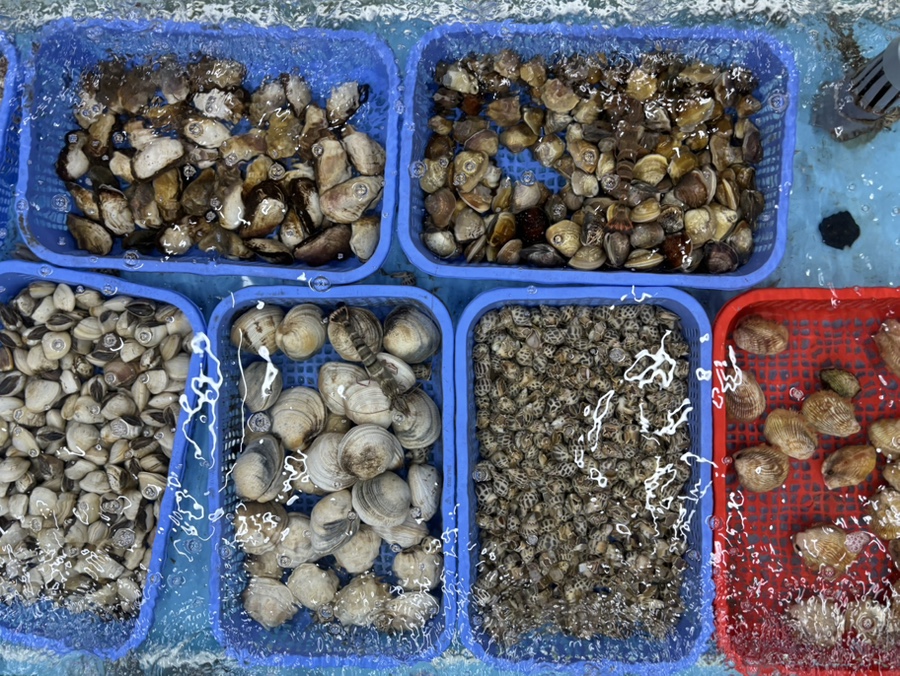
Eating seafood in Da Nang is easy. Finding a place where fresh seafood in Da Nang is genuinely managed from sourcing to storage — rather than just printed on a sign outside — is a different matter entirely.
This article gets straight to the point: what fresh seafood actually means, why it matters in every meal, and what Kim Seafood is doing to uphold that standard in a way that goes beyond marketing claims.
What Is Fresh Seafood and Why Does It Matter?
Fresh seafood in Da Nang — or anywhere — is not simply “alive when purchased.” The concept covers the entire chain: the moment of catch, how it is transported, how it is stored, and the conditions in which it reaches the kitchen. A crab pulled directly from the trap and delivered to a restaurant within a few hours — that is what fresh seafood in Da Nang truly means.
The opposite is also real: seafood caught days earlier, packed in ice, thawed, then soaked in water to look fresh again. This is a practice that exists in more places than people realize. To the untrained eye the difference is hard to spot, but the eating experience gives it away immediately — soft flesh, a strong fishy smell, flat taste, and none of the natural sweetness that defines genuinely fresh seafood.
Real fresh seafood in Da Nang delivers firm, naturally sweet flesh, no off-odors, and the full nutritional profile intact. Once someone has eaten seafood at this standard, it is very hard to go back to anything less — which is exactly why diners who know the difference are so selective about where they eat.
Where Does the Fresh Seafood at Kim Seafood Come From?

Kim Seafood sources its fresh seafood in Da Nang from local fishing ports and from coastal provinces including Quang Nam and Quang Ngai — regions known for clean, naturally caught seafood rather than large-scale farmed products.
The restaurant maintains direct relationships with fishermen and trusted suppliers. Every day, fresh seafood in Da Nang is transported to the restaurant either chilled or kept live in tanks, depending on the species. There is no storing of yesterday’s stock or using frozen seafood for main dishes.
This process ensures that when you sit down and place your order, what arrives at your table is fresh seafood sourced that same day — not something held over from the day before and presented as fresh.
👉 See more Seafood recommendations Da Nang: what to eat all day
Types of Fresh Seafood Regularly Available at Kim Seafood
Subject to daily supply and seasonal availability, Kim Seafood typically carries: lobster, tiger prawns, white-leg shrimp, sea crab, blue swimmer crab, tube squid, cuttlefish, octopus, clams, cockles, blood clams, grouper, red snapper, sea bass, and a range of other seasonal ocean fish.
Beyond the fixed menu, the restaurant also offers daily specials based on what the fishermen bring in that morning. This is why regular guests often ask staff about today’s catch rather than relying solely on the printed menu — because the best fresh seafood in Da Nang on any given day may not be on the standard list.
How to Identify Genuinely Fresh Seafood
Rather than taking a restaurant’s word for it, here are the specific signs you can look for yourself to verify fresh seafood in Da Nang — at Kim Seafood or anywhere else you dine.
Signs of Fresh Shrimp
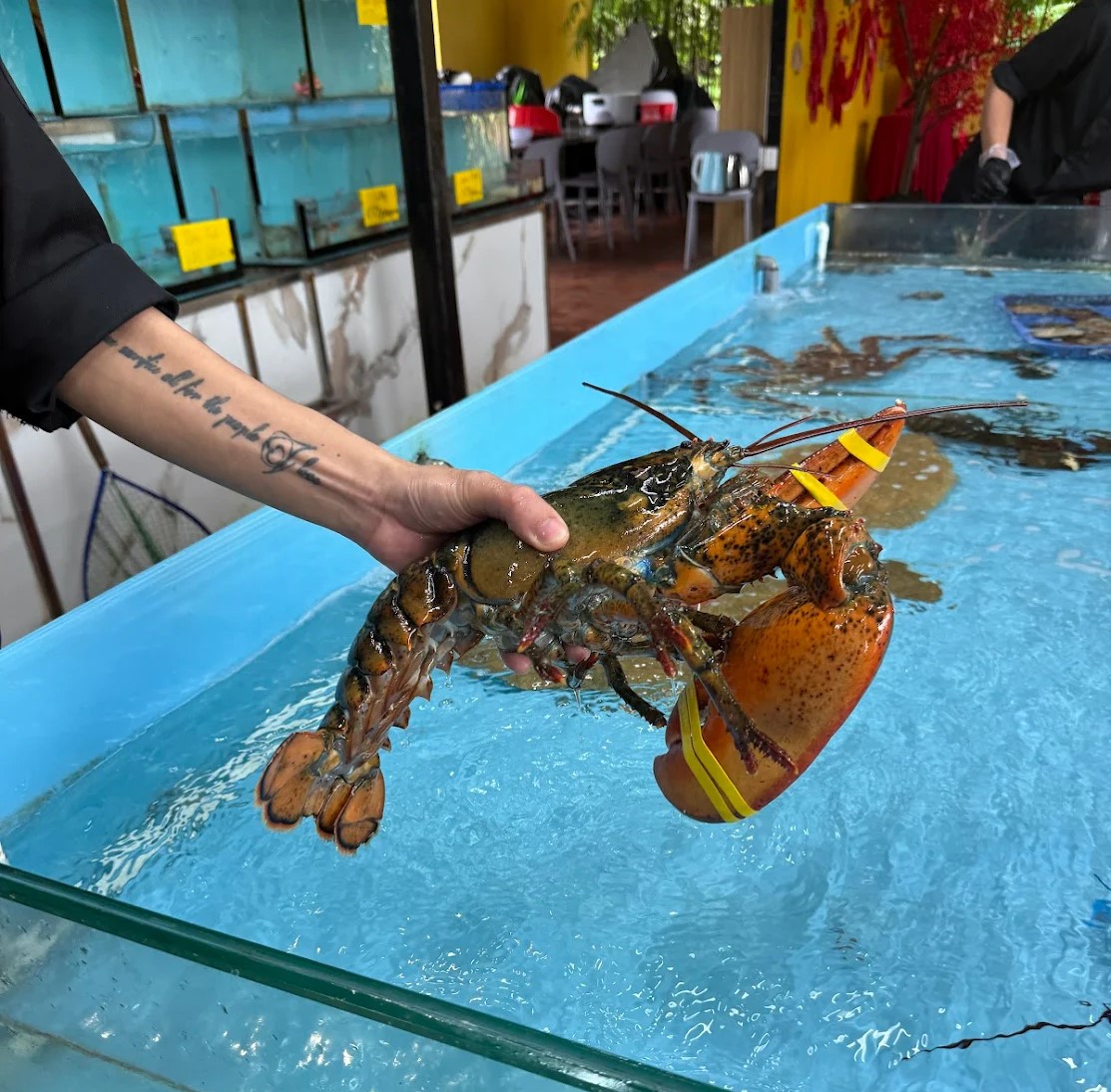
Live or very recently caught shrimp have a smooth, glossy shell in a natural blue-grey tone, a firm body that curls and springs back, and no discoloration around the head. When cooked, the flesh should be firm, sweet, and come away cleanly from the shell. Signs of poor quality include blackened heads, a soft body, and a strong fishy smell — all indicators that the shrimp have been stored for too long.
Signs of Fresh Crab
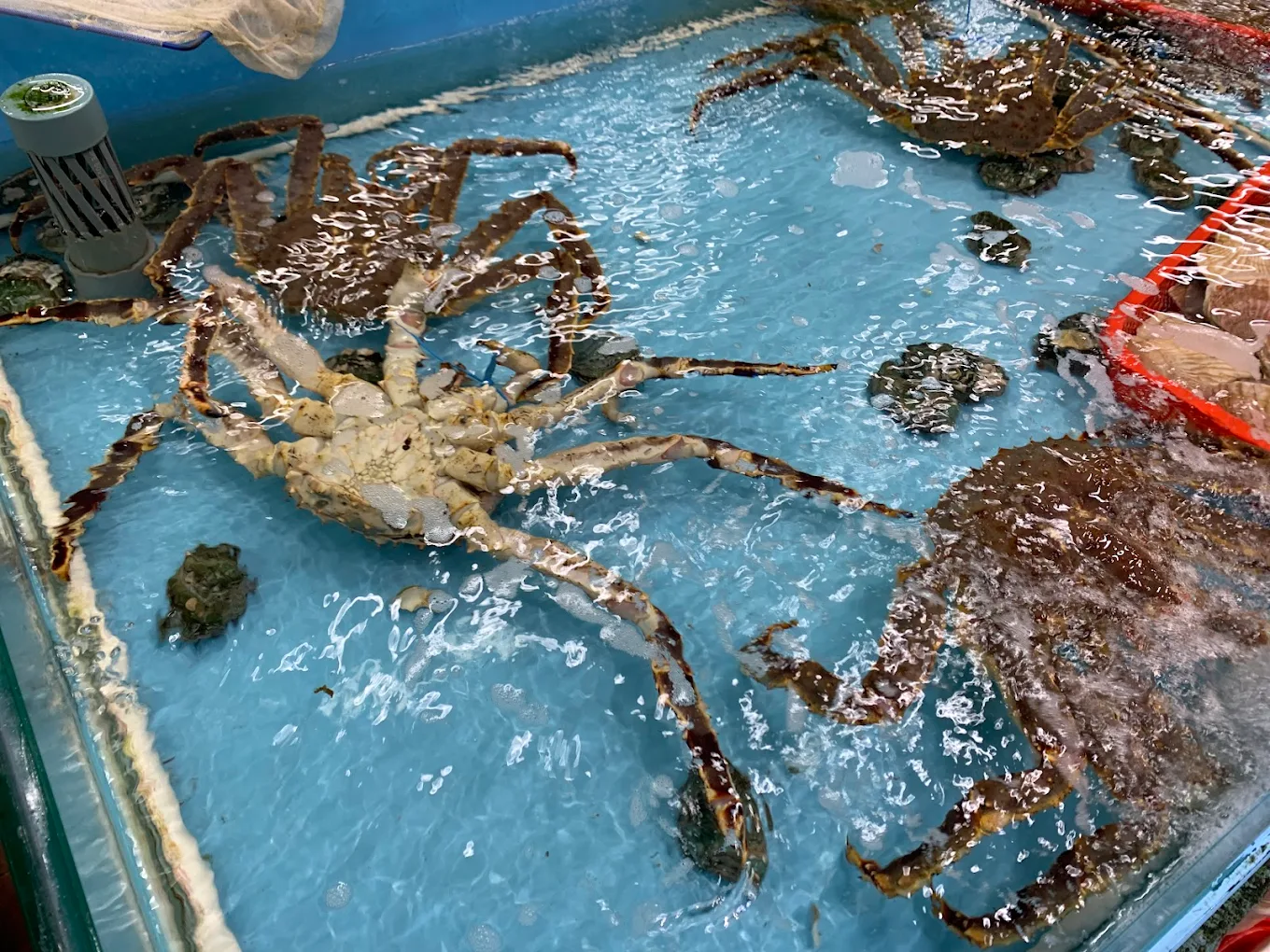
A fresh live crab should still be moving its legs and claws actively. When held, it should feel heavy and dense for its size. The shell should be evenly colored without sliminess or unusual odor. Crab that has died before cooking produces noticeably softer flesh, cloudy juices, and a more pronounced fishy smell — clear signs of compromised freshness.
Signs of Fresh Squid
Fresh squid has a glossy skin, a natural white-opaque tone with characteristic brown spots, and a firm body that springs back when pressed. Squid past its prime turns uniformly pale, the skin wrinkles, and the smell becomes noticeably stronger. When cooked, fresh squid is pleasantly chewy and lightly sweet — old squid either becomes rubbery and tough or turns soft and bland.
How Kim Seafood Stores Its Fresh Seafood
Sourcing great fresh seafood in Da Nang is only the first step. Proper storage is what determines whether that quality actually reaches the plate.
Live species — lobster, sea crab, blue crab — are kept in seawater tanks with regulated temperature and salinity, maintaining their natural living state until the moment of preparation. This is not a decorative display; it is a functional system for preserving the seafood at peak quality.
Fresh seafood that has been filleted or pre-prepared is held at 0–4°C, stored separately from other ingredients, and used entirely within the day. No ingredient is carried over to the next day if there is any doubt about its condition.
Maintaining this discipline requires real operational consistency, but it is precisely what separates restaurants that offer genuinely fresh seafood in Da Nang from those that simply use the phrase as a selling point without the practices to back it up.
Why Fresh Seafood Tastes Better Than Frozen — The Science Behind It
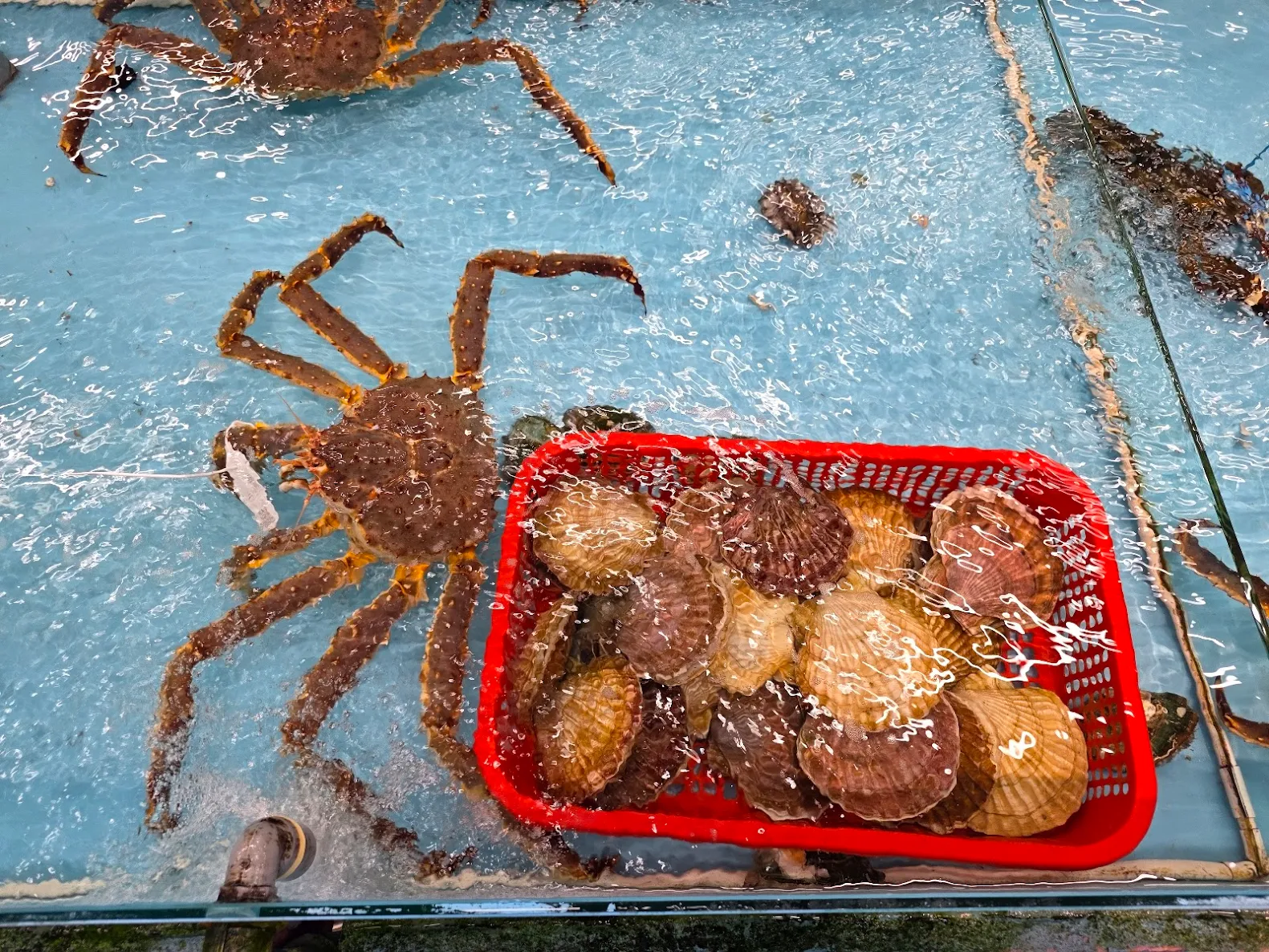
Most people know that fresh seafood tastes better than frozen, but fewer can explain exactly why. The difference is not just about perception — it is backed by food science.
Fresh seafood in Da Nang, served on the same day it is caught, retains its full cellular structure. When cooked, the natural juices stay inside the flesh rather than escaping. The natural sweetness comes from glycogen and free amino acids — compounds that begin breaking down immediately after the animal dies and continue degrading throughout cold storage.
Frozen seafood, however carefully processed, undergoes ice crystal formation that physically ruptures cell walls. When thawed, the liquid inside the cells leaks out, leaving the flesh softer and less flavorful. The same species of shrimp eaten fresh versus thawed-from-frozen will taste noticeably different in texture and sweetness — this is not subjective preference, it is chemistry.
At Kim Seafood, the commitment to fresh seafood in Da Nang is not just a quality preference. It is a commitment to serving food that has not been chemically treated, artificially refreshed, or misrepresented. What you eat is exactly what it appears to be.
Cooking Techniques That Preserve the Flavor of Fresh Seafood
Having high-quality fresh seafood is the foundation. Turning that into a great dish requires cooking techniques that protect rather than destroy what makes the ingredient special.

Steaming – The Most Faithful Technique
Steaming is the preparation method that interferes least with the natural flavor of fresh seafood in Da Nang. Lemongrass-steamed lobster, beer-steamed crab, ginger-steamed blue crab — these dishes at Kim Seafood are timed precisely to cook the flesh just through, without driving out the moisture or diminishing the sweetness.
The principle is straightforward: even, consistent steam heat, minimal heavy seasoning. The goal is for diners to taste the seafood itself — not a sauce or marinade layered over it. This only works with genuinely fresh seafood in Da Nang, because the natural flavor has to be worth tasting on its own.
Charcoal Grilling – Aroma Without Sacrifice
Charcoal grilling is the second most popular technique at Kim Seafood for fresh seafood including squid, shrimp, and fish. Charcoal provides steady, even heat without direct flame contact, which prevents burning the outside while the inside remains undercooked.
Fresh seafood in Da Nang grilled over charcoal develops a lightly sealed exterior that locks in moisture, a characteristic smoky aroma, and a subtle caramelized surface. The difference between freshly caught squid grilled over charcoal and thawed frozen squid treated the same way is immediately apparent in both smell and texture.
Hotpot – The Broth as Evidence of Quality
In a seafood hotpot, the quality of the ingredients shows up directly in the broth. Fresh seafood in Da Nang releases natural sweetness into the stock as each piece is cooked, building depth and flavor over the course of the meal. A hotpot broth at the end of a good meal is noticeably richer and sweeter than when it started — this is the direct result of fresh ingredients.
The reverse is equally obvious: seafood past its prime releases a murky, fishy quality into the broth that no amount of seasoning can fix. This is why the quality of a seafood hotpot is a reliable indicator of an entire restaurant’s ingredient standards — it is impossible to hide poor freshness in a shared broth.
Seasonal Availability of Fresh Seafood in Da Nang – What to Expect Throughout the Year
One aspect of fresh seafood in Da Nang that visitors sometimes overlook is how significantly seasonal cycles affect what is available and at what quality. Da Nang sits on a stretch of coastline where fishing conditions vary considerably across the year, and understanding those patterns helps you make better choices when you visit.
From roughly March through August, the central Vietnamese coast enters its calmer fishing season. Boats go out more frequently, catches are more consistent, and a wider variety of fresh seafood in Da Nang is available on any given day. This is the period when lobster, grouper, red snapper, and premium crab tend to appear most reliably on restaurant menus.
The typhoon season — roughly September through December — brings rougher seas that reduce fishing activity. During this period, fresh seafood in Da Nang becomes more limited in variety, and prices for premium species can rise. Restaurants that genuinely source fresh seafood daily will reflect this honestly: their menus get shorter, not longer, because they only offer what actually came in that day.
Kim Seafood adjusts its offerings according to the season rather than maintaining an artificially consistent menu year-round by substituting frozen or lower-quality stock. If a particular species is unavailable or below standard on a given day, it simply will not appear on the table. This seasonal honesty is one of the clearest signals of a restaurant that takes the quality of its fresh seafood in Da Nang seriously.
For visitors planning a trip around eating well, the practical takeaway is simple: come with an open mind about what is on the menu that day. Ask what is freshest, let the staff guide you toward what arrived that morning, and trust the seasonal rotation. The best meal you will have in Da Nang is almost always the one built around what the ocean provided that specific day — not a fixed selection designed to look consistent regardless of actual conditions.
👉 See more Seafood cuisine Da Nang: how it differs from Nha Trang, Phu Quoc, Hoi An
What to Check When Choosing a Restaurant for Fresh Seafood in Da Nang
Not every place offering fresh seafood in Da Nang is transparent about what that actually means in practice. Here are a few things you can check for yourself before ordering at any Da Nang seafood restaurant.
First, look at the seafood tanks. The water should be clear, free of unusual odor, and the live seafood inside should be moving normally. Cloudy water, dirty tanks, or seafood floating at the surface are warning signs that should not be ignored.
Second, ask about sourcing. A restaurant with genuinely fresh seafood in Da Nang will know exactly where today’s stock came from, which species arrived this morning, and which ones are currently unavailable. A vague or evasive answer to that question is itself meaningful information.
Third, pay attention to how staff respond when you ask about freshness. Well-trained staff at a serious restaurant will answer directly — including telling you honestly when a particular item is not at its best that day, rather than just recommending everything.
The Health Benefits of Eating Genuinely Fresh Seafood
Beyond flavor, fresh seafood in Da Nang eaten at its best carries meaningful nutritional advantages over seafood that has been stored, frozen, or chemically treated.
Protein in fresh seafood retains its full structure and is more bioavailable — easier for the body to absorb and use — than protein in seafood that has undergone extended preservation. The omega-3 fatty acids found in ocean fish, shrimp, and squid begin oxidizing after the animal dies; the fresher the seafood, the higher the remaining omega-3 content.
Zinc, selenium, iodine, and other trace minerals are also maintained at higher levels in genuinely fresh seafood. These nutrients play key roles in immune function, thyroid health, and overall wellbeing. Eating fresh seafood in Da Nang the right way is not just a better culinary experience — it is demonstrably better for your health.
Kim Seafood’s Commitment to Fresh Seafood – A Standard That Doesn’t Change

Across its years of operation, Kim Seafood has held to one consistent principle: fresh seafood in Da Nang of questionable quality does not go onto a guest’s plate, even when supply is limited or the restaurant is under pressure on a busy weekend.
In practice, this sometimes means a particular item is unavailable on a given day, or quantities are limited. But this is precisely why long-term guests trust the restaurant. When you order fresh seafood at Kim Seafood, you get what was promised — not a version that has been chemically brightened or artificially presented as fresh.
It is also why the fresh seafood menu at Kim Seafood is not entirely fixed. What is available on any given day depends on what the fishermen brought in that morning. This is not an inconvenience — it is a reliable signal that the restaurant is doing things the right way.
Conclusion – Fresh Seafood in Da Nang Is Not Luck If You Choose the Right Place
Genuinely fresh seafood in Da Nang means ingredients moved from the ocean to the table in the shortest possible time, under proper storage conditions, with no techniques used to falsify freshness. That requires a real commitment from the restaurant — not just a tagline.
Kim Seafood has maintained that commitment not because it is the easiest or cheapest way to operate, but because it is the only way to give diners a reason to come back. A Da Nang seafood restaurant can attract first-time visitors through its location or its décor, but keeping guests coming back over years only happens one way: by letting the quality of the ingredients speak for itself.
Next time you are looking for fresh seafood in Da Nang, do not just read the menu or look at the photos online. Check the tanks, ask the staff, watch how the kitchen operates. And if you would rather skip that verification process, come to Kim Seafood — because that work has already been done for you, every single day.
👉 See more Kim Seafood – Seafood Restaurant in Da Nang Loved by All
Contact Information:
- Address: Kim Seafood, A2.01 Ly Nam De Street, An Hai Trung Ward, Son Tra District, Da Nang, Vietnam.
- Phone: 0916111143
- Opening Hours: 10:00 AM – 11:00 PM
- Email: hello.kimseafood@gmail.com
- Facebook Fanpage: Hải sản KIM Seafood