Quality seafood: How is it different from regular seafood?
Quality seafood is increasingly becoming a top priority for diners, replacing the previous trend of simply choosing cheap seafood. Reality shows that while it may all be seafood, the dining experience can differ completely—from flavor and freshness to the sense of peace of mind when enjoying the meal. A delicious seafood dish does not only depend on the chef’s skill but begins with the quality of the ingredients right from the selection stage.
So, what creates that difference, and what are the factors that help identify quality seafood in practice? The article below will specifically analyze each aspect to provide you with a clearer perspective before making a choice.
1. What is quality seafood and why is it increasingly gaining attention?
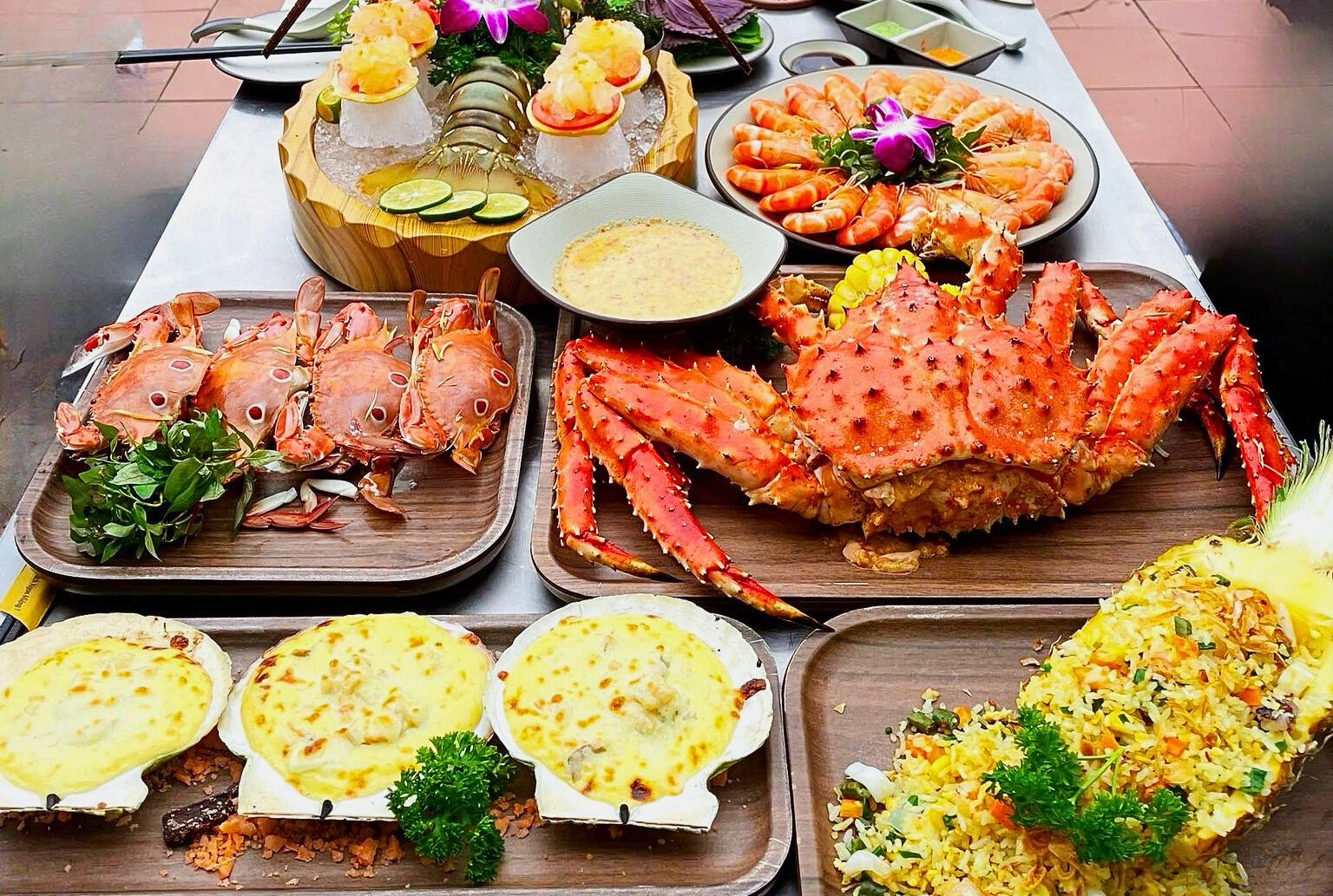
In recent years, the concept of quality seafood has garnered more attention from consumers, especially in the context of the rising demand for safe and selective dining. Reality shows that many people are willing to pay more for high-quality ingredients instead of prioritizing cheap seafood as before. This stems from a clearer realization that a delicious seafood dish depends not only on the preparation but begins with the very quality of the seafood used.
The difference between quality seafood and ordinary seafood lies not only in the flavor but also in the sense of security when eating. As consumers better understand nutritional values and the impact of food on health, choosing quality seafood is no longer a random act but a calculated decision.
Quality seafood is not just fresh – it is about origin and process
Many people often judge the freshness of seafood based on external appearance, also known as “visible freshness.” However, “true freshness” depends on a closed process, from harvesting to preservation and transportation.
Seafood harvested at the right time, processed quickly, and stored under appropriate conditions will maintain its meat structure, natural sweetness, and inherent nutritional value. Therefore, standard fresh seafood is not just seafood that is still alive, but seafood that is well-controlled throughout the entire supply chain.
Why modern consumers prioritize quality seafood
The primary reason consumers prioritize quality seafood is health. Poor quality seafood carries risks of food safety issues, directly affecting the post-meal experience. Besides, the gustatory experience is a crucial factor. Quality seafood usually has a natural sweetness, firm meat, and is easy to prepare simply while remaining delicious.
Furthermore, transparency in gastronomy is increasingly emphasized. Diners want to know where the seafood comes from, how it was processed, and whether it fits the trend of eating seafood correctly. In particular, seafood originating from coastal seafood areas is highly valued due to shortened transportation times and better quality retention.
👉 See more: Review of the Best Seafood Restaurant Near the Beach in Da Nang – A Must-Try Experience in Son Tra
2. The biggest difference between quality seafood and ordinary seafood
Not all types of seafood on the market offer the same value, even if they look quite similar on the outside. The difference between high-quality seafood and ordinary seafood lies in core factors such as freshness, meat structure, flavor after processing, and safety levels for consumption. This is also why many people find it hard to explain why they buy the same seafood and use the same cooking method, yet the experience of delicious seafood is not the same.
Differences in freshness and meat structure
Freshness is the first factor creating a clear gap between the two groups. Quality seafood is usually processed and preserved to standard immediately after harvest, helping to maintain a firm meat structure, elasticity, and preventing it from becoming mushy during cooking.
By maintaining its natural state, the seafood meat has a distinct sweet taste, a pleasant characteristic aroma, and no strange odors. In contrast, ordinary seafood easily becomes soft, watery, or loses its scent due to prolonged storage, directly affecting the quality of the dish.
Differences in flavor after the cooking process
Flavor is the factor users sense most clearly when placing two types of seafood on the table. With quality ingredients, even simple preparation like steaming or grilling allows the dish to retain its natural sweetness and characteristic aroma, creating a sense of fulfillment when enjoying delicious seafood.
Meanwhile, ordinary seafood often requires many spices to mask odors or enhance flavor, making the taste dependent more on seasoning than the initial ingredient quality. This is why the same recipe can yield such different results.
Differences in safety and nutritional value
Besides flavor, safety and nutritional value cannot be ignored. Quality seafood is well-controlled regarding origin and preservation processes, limiting residual ice, chemicals, and the risk of nutrient loss.
Conversely, seafood frozen for long periods may suffer from reduced nutritional content and potential risks if not handled correctly. Understanding this helps consumers make better and more suitable choices, rather than judging seafood solely by price or appearance.
👉 See more: What key factors does delicious seafood dining depend on?
3. Origin determines 70% of seafood quality
Origin is the factor with the greatest impact on seafood quality, yet it is often overlooked by consumers. In reality, where the seafood is caught, how it is handled, and how long it takes to reach the user will determine most of the freshness, meat structure, and flavor after processing. This is why the same type of ingredient can lead to a significant disparity in the perception of delicious seafood across different suppliers.
Advantages of coastal seafood versus long-distance transported seafood

The biggest advantage of coastal seafood lies in the time from harvest to processing. This short interval helps the ingredients maintain their natural freshness, limits protein degradation, and reduces the risk of meat structure changes.
Additionally, coastal seafood often does not require deep freezing or multiple thawing cycles during transport. Limiting freezing helps the meat retain its firmness, natural sweetness, and characteristic scent, thereby creating a better foundation for delicious seafood dishes even with simple preparation.
Why seafood at coastal restaurants is always highly rated
The fact that coastal restaurants are highly rated does not stem from subjective factors, but from very practical advantages regarding raw materials. By having direct access to the daily catch, they can easily select seafood that meets standards, reducing dependence on frozen warehouses or intermediaries.
The diner’s experience reflects this clearly, as dishes often have a distinct fresh taste, firm meat, and less fishy odor. The stability of quality has helped seafood in these areas be considered quality seafood, meeting both flavor and food safety standards.
From a consumer perspective, understanding the role of origin will help avoid choosing seafood based solely on price or appearance. When prioritizing this core factor, the ability to fully enjoy delicious seafood is higher, while reducing risks regarding quality and nutrition in daily meals.
4. Eating seafood the right way to fully feel the difference
Many people believe that choosing good ingredients is enough for a delicious seafood meal, but in reality, the way it is eaten and prepared is the deciding factor of the final experience. Even quality seafood, if handled incorrectly, can lose its natural sweetness and characteristic flavor. Therefore, understanding and eating seafood correctly is an important step to clearly perceive the difference between high-quality seafood and ordinary seafood.
Quality seafood does not need elaborate seasoning
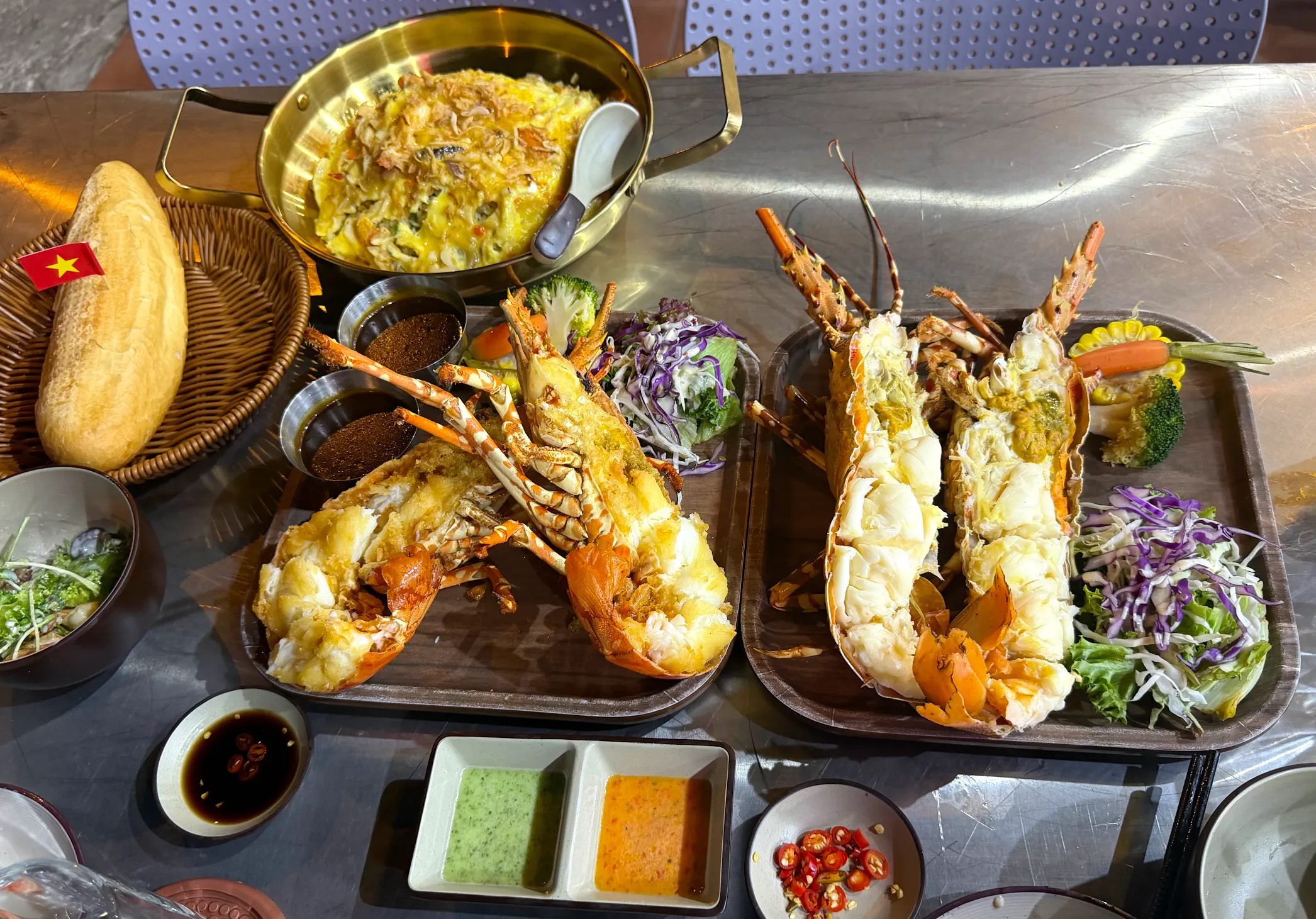
For seafood that reaches high quality, simple preparation methods are always the most suitable choice. Methods such as steaming, quick boiling, or light grilling help keep the meat structure intact and limit water loss during cooking.
When not overwhelmed by spices, the natural sweetness of the seafood will be more apparent. This is the point where diners easily recognize the difference of delicious seafood compared to types that require heavy marinating to hide defects.
Mistakes that turn delicious seafood into “ordinary” food
One of the most common mistakes is overcooking seafood. Cooking for too long or grilling over high heat makes the meat dry, tough, and lose its inherent sweetness, especially with shrimp, squid, and sea fish.
Additionally, using too many strong spices completely masks the natural flavor of the ingredient. Instead of sensing the freshness, the diner only tastes the sauce or seasoning, making the experience of delicious seafood less complete.
Furthermore, inappropriate food pairings also greatly affect taste perception. Some seafood dishes, when eaten with heavy-smelling or overly greasy ingredients, significantly reduce the crispness and characteristic sweetness of the seafood.
From a consumer perspective, eating seafood correctly is not just about choosing the right dish but also about understanding how to prepare and enjoy it. When these common mistakes are avoided, the difference between quality seafood and ordinary seafood becomes clearer from the very first bite.
👉 See more: Eat seafood properly to fully enjoy the ocean’s fresh sweetness
5. Why does the seafood experience differ completely at the same price point?
Many people have had the experience of eating seafood at the same price point but having completely different feelings, from flavor to post-meal satisfaction. This difference does not come from subjectivity but originates from the quality of ingredients, the selection process, and the service. This is also why some places are very satisfying, while others, despite not being cheap, are hard to call delicious seafood.
Value is measured by quality, not quantity
A common mistake among consumers is evaluating a dish based on quantity—whether there is a lot or a little. In reality, quality seafood is often served in moderate portions but ensures freshness, meat structure, and natural sweetness.
When comparing actual experiences, a small but fresh seafood plate that is easy to eat and not cloying often brings a greater sense of satisfaction than many dishes of average quality. This difference makes it easy for diners to identify what is truly delicious quality seafood, even if the initial price does not differ significantly.
When “quality seafood” becomes the criterion for choosing a restaurant
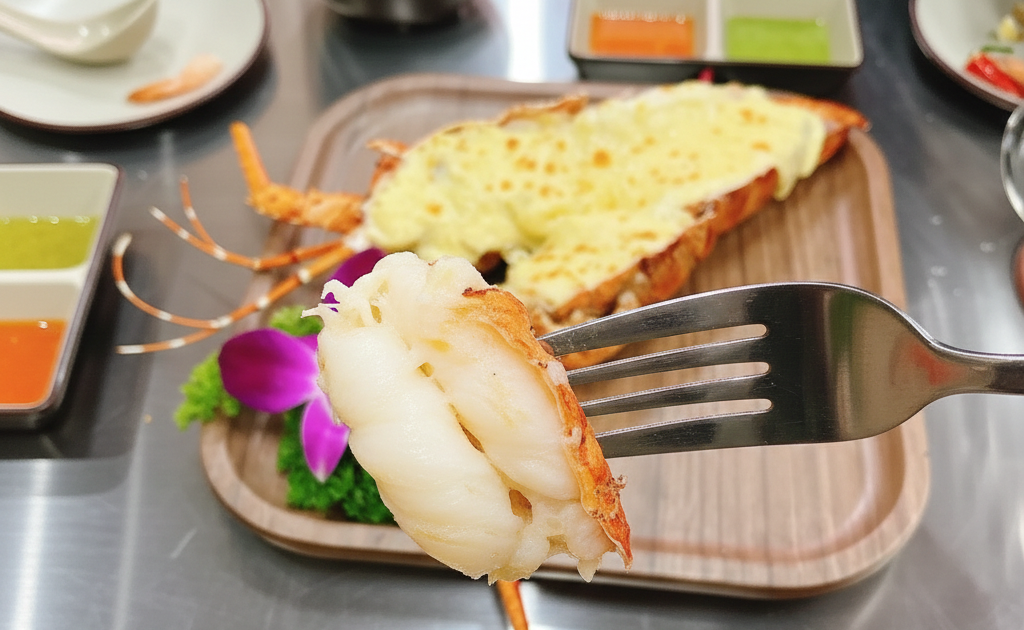
Current consumer trends are gradually changing, as diners prioritize quality instead of chasing promotions or large portions. Eaters are increasingly concerned about the origin of ingredients, freshness, and the feeling after the meal, rather than just looking at the price on the menu.
From an overall perspective, the same price does not mean the same value received. When understanding the factors that create this difference, consumers will tend to make smarter choices, focusing on quality instead of quantity. This is also the foundation for quality seafood criteria to increasingly become the standard in the dining decisions of modern foodies.
6. How to identify quality seafood when dining out
When eating out, consumers often find it difficult to control the origin of ingredients, leading to an experience of whether the seafood is delicious or not depending heavily on observation and on-site evaluation skills. However, quality seafood still has fairly clear identifying signs if you pay attention to the right points. Mastering these basic criteria helps diners be more proactive in their choices, rather than entirely depending on advertising or selling prices.
Observing ingredients before processing
The first factor to observe is the color of the seafood. Fresh seafood usually has a natural color, not faded, not pale, and without strange dark spots on the surface.
The next factor is the elasticity of the meat. When lightly pressed, fresh seafood meat will quickly return to its original state, not being soft, mushy, or watery.
Smell is also an important sign; quality seafood only has a light characteristic smell of the sea, not a pungent fishy odor and no strange smells even before processing.
Identifying through the restaurant’s dish consultation

The way staff advise on dishes also reflects quite clearly the quality of ingredients the restaurant is using. Places that prioritize quality seafood often suggest dishes by the day, based on actual ingredients rather than a fixed menu for all times.
Additionally, quality restaurants usually do not pressure customers to order combos or large quantities. Instead, they focus on advising dishes suitable for the number of diners and preparation methods to preserve the full flavor. This transparency and flexibility help diners easily recognize which locations can provide a truly delicious quality seafood experience.
👉 See more: Seafood Restaurant in Da Nang – Top Local Dining Spots for Tourists
7. Conclusion
After looking back at factors from origin, freshness, and preparation to actual experience, it can be seen that quality seafood is not only different in its ingredients but also in the feeling the meal brings. A delicious seafood meal does not come from complexity or ostentation, but from each dish maintaining its original flavor and creating a pleasant sensation throughout the enjoyment process. This consistency is what makes diners remember and want to return.
When seafood meets standards for freshness and is handled correctly, diners easily sense the difference from the very first bite. Firm meat, clear sweetness, and not being cloying help the meal become more complete, even if the menu does not have too many dishes. This is why more and more people are prioritizing quality seafood instead of chasing quantity or external appearance.
Contact Information:
- Address: Kim Seafood, A2.01 Ly Nam De Street, An Hai Trung Ward, Son Tra District, Da Nang, Vietnam.
- Phone: 0916111143
- Opening Hours: 10:00 AM – 11:00 PM
- Email: hello.kimseafood@gmail.com
- Facebook Fanpage: Hải sản KIM Seafood