The Definitive Da Nang Seafood Guide: Why Seafood Hotpot is the Ultimate Coastal Culinary Experience
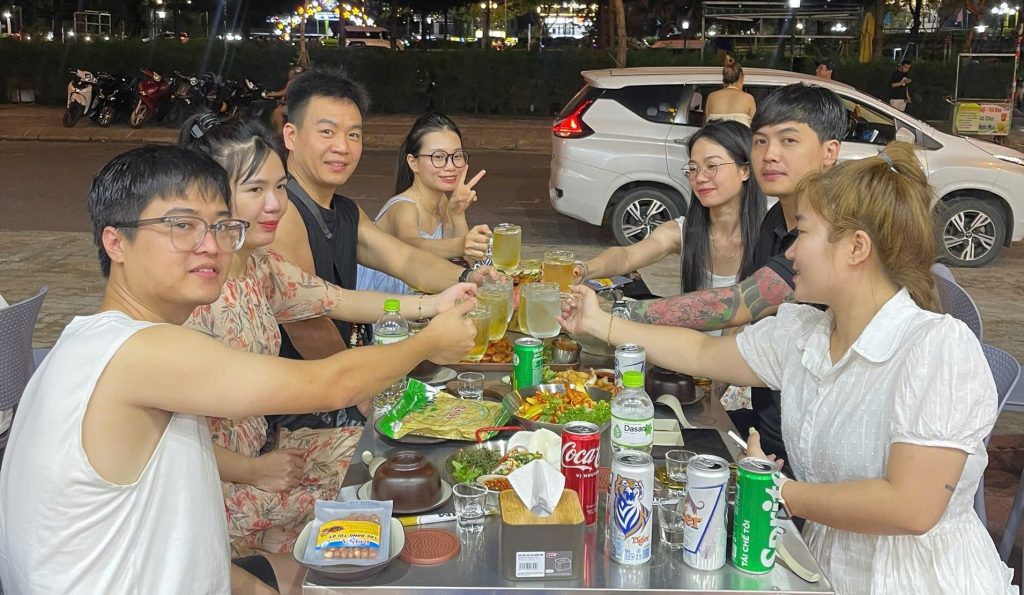
Da Nang, Vietnam, is a city defined by its relationship with the East Sea. Stretching along miles of pristine white sand beaches, from the foot of the Son Tra Peninsula down to the marble gates of Hoi An, this coastal metropolis has transformed from a sleepy fishing port into Asia’s most vibrant culinary playground. For global travelers, food critics, and local epicureans alike, Da Nang offers a rare culinary luxury: an unbroken, hyper-local supply chain that delivers seafood from the ocean depths to dining tables in a matter of hours.
While there are dozens of ways to enjoy this marine bounty—from charcoal-grilled oysters dripping with scallion oil to mud crabs stir-fried in rich tamarind paste—one dish stands supreme as the ultimate expression of Vietnamese coastal dining: the seafood hotpot (known locally as Lẩu Hải Sản).
This comprehensive, 3,000-word culinary guide explores the deep-rooted culture of Da Nang’s seafood scene, dissects the anatomy of a world-class coastal hotpot, provides insider strategies for navigating the city’s wet markets and dining strips, and offers an in-depth review of an authentic local institution that embodies the true spirit of ocean-to-table dining: Kim Seafood.
Part 1: The Geographic & Cultural Anatomy of Da Nang’s Seafood Prowess
To understand why a seafood hotpot tastes fundamentally different in Da Nang compared to inland capitals like Hanoi or international hubs like Bangkok, one must look at the unique marine geography of Central Vietnam.
The Deep-Sea Advantage of Central Vietnam
Unlike the shallow, muddy gulfs of the Mekong Delta to the south or the Red River Delta to the north, Da Nang’s coastline drops off rapidly into deep-sea trenches. The waters surrounding the Son Tra Peninsula and the nearby Cham Islands are characterized by high salinity, strong oceanic currents, and rocky coral reefs.
This specific marine ecology creates an ideal habitat for premium seafood species that thrive in clean, highly oxygenated water:
-
Giant Tiger Prawns (Tôm Sú): Renowned for their firm, sweet, lobster-like snap.
-
Blue Crabs (Ghẹ Xanh): Prized for their intensely sweet leg meat and rich roe.
-
Grouper (Cá Mú) and Red Snapper (Cá Hồng): Deep-water fish with clean, flaky, non-fishy profiles.
-
Squid (Mực Lá): Thick-walled, translucent cuttlefish and reef squid that maintain a crunchy texture when cooked.
The Dawn Ritual: From Tho Quang Port to Your Table
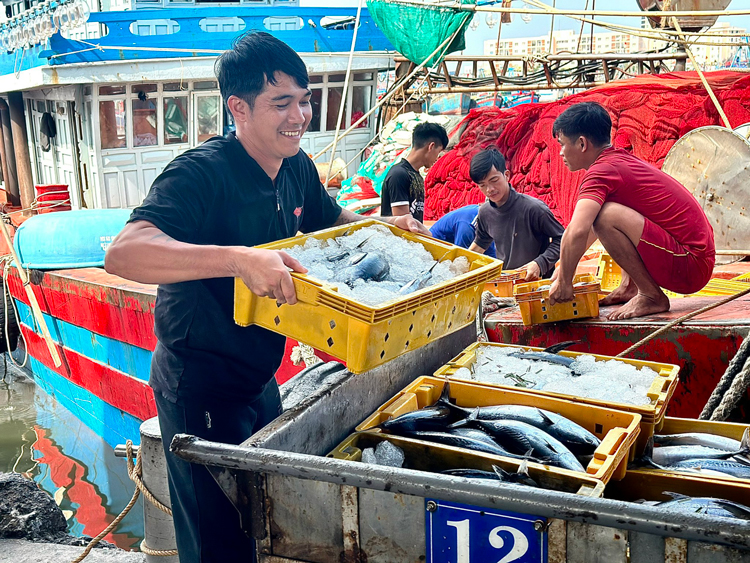
The pulse of Da Nang’s seafood economy beats at the Tho Quang Fishing Port, the largest fishing hub in Central Vietnam. Every night, hundreds of traditional wooden fishing vessels venture out into the East Sea. Between 2:00 AM and 5:00 AM, these boats return, flooding the docks with silver buckets of live, flopping marine life.
By 6:00 AM, the owners of premium local restaurants are physically present at the docks, bidding on the finest specimens before they ever reach the public wholesale markets. When you sit down for a seafood hotpot in Da Nang in the afternoon or evening, you are consuming a catch that was swimming in the open ocean just hours prior. This lack of freezing, long-distance transport, or chemical preservation is the foundational secret to the city’s culinary magic.
The Cultural Significance of “Lẩu” (Hotpot) in Vietnam
In Western dining, seafood is often served as an individual, plated portion—a solitary fillet of fish or a precisely measured half-lobster. In Vietnam, seafood is inherently communal, and nothing embodies this collective joy better than Lẩu.
Gathering around a boiling pot of broth placed in the center of the table is a sacred social ritual. It transcends socio-economic boundaries. On any given evening along the coast, you will see multi-generational Vietnamese families, corporate executives in business attire, and international backpackers sitting on low stools, laughing over the steam of a shared hotpot. It is a slow, interactive, and immersive style of dining where everyone acts as their own chef, cooking raw ingredients piece by piece, ensuring that every bite is consumed at its absolute peak of thermal and structural perfection.
Part 2: Deconstructing the Authentic Da Nang Seafood Hotpot
A masterful seafood hotpot is an exercise in culinary balance. It requires a deep understanding of Yin and Yang—the cooling nature of fresh seafood must be harmoniously counterbalanced by the warming properties of spices, herbs, and acidic broths.
To evaluate a truly elite hotpot, a diner must analyze its three core components: the master broth, the live protein platter, and the botanical accompaniments.
1. The Master Broth: The Liquid Architecture
The hallmark of an amateur seafood restaurant is a broth that relies on artificial bouillon cubes, heavy MSG, or pre-packaged Tom Yum pastes. An authentic Da Nang coastal kitchen constructs its hotpot broth from scratch through a multi-stage simmering process.
-
The Base: The foundation is laid by boiling high-quality pork marrow bones or chicken carcasses for 6 to 8 hours, continuously skimming the surface to ensure a crystal-clear liquid. To this, master chefs add the heads and shells of pristine prawns, which imparts a deep, pinkish hue and an unmistakable oceanic umami baseline.
-
The Aromatics: Aromatic complexity is achieved by bruising and sautéing fresh lemongrass stalks, galangal root (riềng), purple shallots, and garlic in a small amount of oil before introducing them to the broth.
-
The Acid and Fruit Profiles: Unlike the heavy, coconut-milk-laden hotpots found in southern regions, Central Vietnamese hotpots favor a clean, sharp, refreshing acidity designed to slice through the rich fats of seafood. This is achieved by adding fresh slices of local pineapple, ripe tomatoes, and pure tamarind pulp (me).
-
The Final Balance: Just before serving, fresh kaffir lime leaves are torn and tossed into the broth, releasing volatile essential oils that create a mesmerizing citrus aroma as the pot comes to a rolling boil at your table.
2. The Protein Platter: A Symphony of Textures
When your seafood hotpot order arrives, the seafood should never be served drowning in ice or pre-marinated in heavy sauces. A premium restaurant displays the seafood raw, pristine, and beautifully arranged, allowing the diner to inspect the clarity of the fish eyes, the rigidity of the prawn shells, and the vibrant color changing of the squid skin.
-
The Crustaceans: Live blue crabs are carefully cleaned and split just before serving so their sweet inner juices infuse directly into the hotpot broth. Prawns are often served swimming or freshly harvested from the tank.
-
The Cephalopods: Squid must be sliced into thick, bite-sized rings or scored in a diamond pattern. When plunged into the boiling broth, these scores cause the squid to curl into a flower-like shape, creating pockets that trap the flavorful soup.
-
The Finfish: Thick, boneless fillets of wild grouper, sea bass, or red snapper are laid out. The fish must be sliced with surgical precision—too thin, and it will disintegrate into the broth; too thick, and the interior will remain undercooked while the exterior overcooks.
3. The Botanical Accompaniments: Textural Contrast and Alkaline Balance
Seafood and rich broth require a crisp, refreshing counterpart. The vegetable platter that accompanies a Da Nang hotpot is a lesson in local agriculture:
-
Water Spinach (Rau Muống): The hollow stems act like straws, soaking up the savory broth while the leafy tops wilt into tender, earthy bites.
-
Shredded Banana Blossom (Bắp Chuối): Offering a slightly astringent, nutty flavor and an incredible fibrous crunch that holds up beautifully against hot liquids.
-
Culantro and Rice Paddy Herb (Rau Ngổ): These highly specific local herbs impart bright, citrusy, and slightly peppery notes that elevate the overall flavor profile.
-
The Carbohydrate Vehicle: The hotpot is traditionally served with a side of fresh, soft rice vermicelli noodles (bún). Diners place a small nest of noodles in their personal bowls, ladle the boiling broth and seafood over them, and enjoy.
Part 3: Local Hidden Gem Spotlight – Kim Seafood
For travelers seeking an authentic, uncompromised, and deeply trusted seafood experience in Da Nang, navigating past the flashing neon lights of the massive, tourist-centric seafood halls along the main beach drag is essential. Many of those mega-restaurants cater to massive tour buses, resulting in inflated prices, rushed service, and inconsistent tank rotations.
Instead, discerning food lovers and local families head to Kim Seafood—a restaurant that has earned a sterling reputation within the local community for its absolute adherence to freshness, radical price transparency, and culinary expertise.
The Experience: A Living Seafood Market
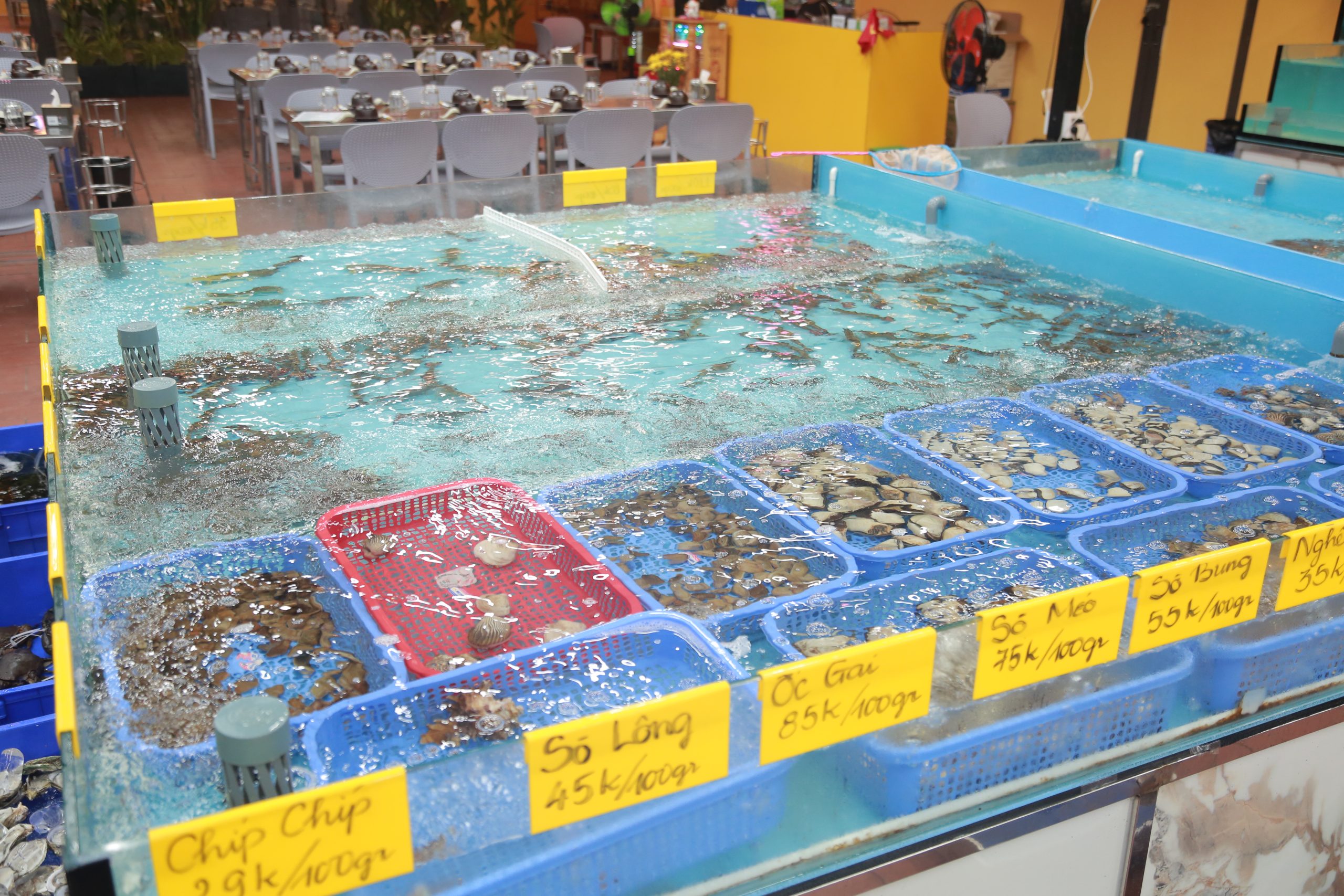
Walking into Kim Seafood is more akin to entering a beautifully curated coastal aquarium-market than a sterile dining room. The heart of the restaurant is dominated by an extensive, state-of-the-art live-tank filtration system. Here, water temperature, salinity, and oxygenation levels are meticulously calibrated to mimic the natural environments of the East Sea.
Unlike establishments that hide their live stock in backrooms, Kim Seafood operates with a philosophy of complete transparency. Diners are encouraged to walk up to the tanks with a dedicated staff member, select their exact fish, crabs, or prawns, and watch as they are placed in a basket and weighed on a digital scale right before their eyes. There are no hidden fees, no “tourist taxes,” and no surprises when the bill arrives.
The Masterpiece: Kim Seafood’s Signature Seafood Hotpot
While Kim Seafood excels at executing classic preparations like garlic-butter razor clams or grilled sea urchin, their seafood hotpot is the undisputed crown jewel of their menu.
What elevates the hotpot at Kim Seafood above its competitors is their uncompromising approach to the broth. In an era where many commercial kitchens cut corners by using pre-formulated chemical powders, Kim Seafood’s culinary team maintains the old-school tradition of slow-simmering pork bones and wild shrimp shells.
When the hotpot is set upon your table’s induction cooker, the broth possesses a remarkable clarity and depth. The initial taste reveals a bright, clean tang from fresh pineapples and natural tamarind, followed immediately by a rich, savory backbone that coats the palate without leaving a heavy, artificial, thirst-inducing MSG aftertaste.
The protein platter provided with their standard hotpot is a generous testament to local abundance. Diners are treated to an artfully arranged mountain of live tiger prawns, freshly shucked local clams, pristine rings of thick-walled reef squid, and thick, glistening slices of wild-caught grouper. Every single item on that platter displays the hallmarks of premium quality: the squid is translucent and iridescent, the prawns are active until processing, and the fish fillets are firm, bright, and completely free of any cloudy discoloration.
Expertise in Service and Culinary Guidance
The commitment at Kim Seafood extends to their floor staff. For international visitors who may feel intimidated by the mechanics of cooking a traditional Vietnamese hotpot, the staff act as knowledgeable culinary guides.
They don’t merely drop off the food and walk away. They will actively monitor your table’s hotpot, adjust the heat settings precisely, and instruct you on the exact cooking times required for each item—ensuring that your expensive grouper fillet doesn’t overcook into mush and that your squid is pulled from the liquid at the exact second it achieves its perfect, tender-crunchy state.
Part 4: The Gastronomic Masterclass – How to Properly Eat a Seafood Hotpot Like a Local Expert
To the uninitiated, a hotpot can appear chaotic. Ingredients are thrown in at random, items get lost at the bottom of the pot, and seafood becomes overcooked, rubbery, and stripped of its natural flavors. To dine like a true culinary insider in Da Nang, one must follow a structured, step-by-step hotpot strategy.
[ STEP 1: Aromatics & Shellfish ] ──► Establishes deeper umami broth
              │
              ▼
[ STEP 2: Finfish Fillets ]       ──► Cooked gently; pulled at peak tenderness
              │
              ▼
[ STEP 3: Cephalopods & Prawns ]  ──► Flash-boiled for crisp, snappy texture
              │
              ▼
[ STEP 4: Greens & Vegetables ]   ──► Added continuously to maintain crunch
              │
              ▼
[ STEP 5: The Noodle Finish ]     ──► Concentrated soup ladled over fresh bún
Step 1: The Broth Priming (Shellfish First)
When the master broth first reaches a rolling boil, do not dump the entire platter of seafood into the pot. This drastically drops the water temperature, halting the boiling process and causing the seafood to steam poorly rather than poach.
Instead, start by dropping in the hard-shelled items: the clams and any split blue crab sections. These ingredients require a longer cooking time to open up and release their internal, mineral-rich sea liquor. By allowing them to simmer for the first 5 minutes, you are actively “priming” the broth, transforming the kitchen’s base soup into a complex, multi-layered seafood elixir.
Step 2: The Delicate Fish Poach
Next, move to your grouper or snapper fillets. Using a perforated metal ladle, gently lower a few slices of fish into the center of the boiling pot. Keep your eyes on the flesh.
Wild-caught ocean fish cooks incredibly fast in a highly acidic, boiling broth. Within 60 to 90 seconds, the translucent flesh will turn an opaque, milky white, and the edges will begin to flake slightly. Immediately remove the fish from the broth. Letting it sit at the bottom of the pot for twenty minutes is a culinary sin; the fish will break apart, clouding the broth and turning into dry, fibrous fragments.
Step 3: The Flash-Boil for Squid and Prawns
Squid and tiger prawns require absolute precision. Squid should be dipped into the boiling broth for no more than 30 to 45 seconds. The moment the scored edges curl inward and the flesh turns brilliant white, it is done. At this exact moment, the squid possesses a sensational, addictive crunch. If left in longer, the proteins cross-link tightly, turning the squid into a rubbery texture that is impossible to chew comfortably.
Prawns should be cooked until their shells turn a vibrant, bright orange-red and the body curves into a tight “C” shape. Pull them out, let them cool slightly on your side plate, and peel them. The meat inside will be incredibly juicy, sweet, and bursting with snappy texture.
Step 4: Intermittent Greens
Throughout this process, continuously add small handfuls of water spinach and shredded banana blossoms into the pot. Do not cook all the vegetables at once. Add just enough for one or two bites, allow them to wilt for 30 seconds so they retain their bright green color and structural crispness, and consume them alongside your seafood.
Step 5: The Master Dipping Sauce Formulation
In Da Nang, seafood is never eaten plain; it is always accompanied by a sauce that acts as a flavor amplifier. While simple salt, pepper, and lime juice are always available, the true local secret is Muối Ớt Xanh (Green Chili Seafood Sauce).
This sauce is a brilliant culinary invention. The intense capsaicin heat from the green chilies neutralizes any residual oceanic “fishiness” from the seafood, while the thick, sweet-sour creaminess coats the seafood, clinging to the nooks and crannies of the curled squid and flaky fish. Dip your poached seafood generously into this vibrant green sauce before every bite.
Step 6: The Grand Finale
By the end of the meal, after multiple rounds of seafood and vegetables have been cooked in the pot, the liquid has completely transformed. It is no longer just a broth—it is a highly concentrated, intensely savory, sweet, and sour reduction infused with the essence of crabs, clams, prawns, fish, and caramelized fruit juices.
This is when you prepare your final bowl. Take a fresh bunch of rice vermicelli noodles (bún), place them in your bowl, and ladle a generous amount of this rich, concentrated broth over the top. Toss in any remaining bits of tender clams or wilted water spinach. It is a spectacular, comforting conclusion to an authentic coastal feast.
Part 5: Comparing Da Nang’s Seafood Landscape (At a Glance)
To help you navigate the vast array of dining options in Da Nang and understand where Kim Seafood fits into the broader culinary ecosystem, we have compiled a comparative analysis based on firsthand evaluations across multiple dining categories.
Part 6: Essential Practical Information for the Ultimate Da Nang Seafood Adventure
To ensure your dining experience is flawless, free from logistical headaches, and aligned with local customs, consider these essential travel and dining insights compiled by local experts.
1. Timing is Everything
The timing of your seafood dinner completely dictates the quality of your experience.
-
The Golden Window (6:00 PM – 8:00 PM): This is when the local dining scene comes alive. The intense heat of the Central Vietnamese sun has dissipated, and a cool, refreshing breeze sweeps in from the East Sea. Eating a hot, steaming seafood hotpot is immensely comfortable during these cooler evening hours.
-
The Tank Refresh: Most premium restaurants, including Kim Seafood, receive their secondary daily tank deliveries from local fishermen between 3:00 PM and 4:00 PM. Arriving around 5:30 PM or 6:00 PM guarantees you first access to the absolute highest-tier, most active specimens in the tanks before the peak dinner rush clears them out.
2. Navigating the Language Barrier
While high-end tourist establishments have fully translated English menus, many authentic local gems may have limited English fluency among their entry-level floor staff. However, do not let this deter you.
The universal language of seafood dining in Da Nang is pointing and choosing. Because the best restaurants operate via live tanks, you do not need to read a complex text menu. Simply walk up to the tanks, point to the seafood you want, use your phone to verify weights if necessary, and use the key phrases below to communicate your culinary desires:
🗣️ Essential Local Seafood Phrases for Travelers:
“Lẩu Hải Sản” (pronounced: Lao High San): Seafood Hotpot.
“Lẩu Thái” (pronounced: Lao Thai): Hotpot with a sweet, sour, and spicy lemongrass-tamarind profile (highly recommended for seafood).
“Cân tươi” (pronounced: Can Tuoi): Please weigh this live catch for me.
“Không bột ngọt” (pronounced: Khong Bot Ngoat): No The Definitive Da Nang Seafood Guide: Why Seafood Hotpot is the Ultimate Coastal Culinary Experience When visiting Da Nang, one cannot overlook the exquisite culinary offerings available in this coastal city, particularly the renowned seafood hotpot. This dish, celebrated for its rich flavors and fresh ingredients, epitomizes the region’s commitment to culinary excellence. Among the distinguished establishments serving this delicacy is Kim Seafood, known for its dedication to quality and authenticity. Guests at Kim Seafood can indulge in an array of fresh seafood options, all prepared without added MSG, ensuring a natural taste that highlights the freshness of the ingredients. A meal here not only satisfies the palate but also provides a glimpse into the vibrant seafood culture of Da Nang, making seafood hotpot a must-try for any food enthusiast. added MSG (useful if you are sensitive to flavor enhancers).
3. Ethical and Sustainable Seafood Consumption
As a responsible traveler and ethical diner, it is vital to maintain the sustainability of Da Nang’s marine ecosystem. When inspecting live tanks at local restaurants, practice the following guidelines:
-
Avoid Juvenile Catches: If blue crabs or lobsters appear abnormally small, skip them. Choosing fully matured specimens ensures that local populations have had time to reproduce, preserving the livelihoods of Da Nang’s artisanal fishing communities.
-
Respect the Seasonal Bans: During certain months of the year (typically late autumn during the rough sea monsoon season), certain species like specific local clams or rock lobsters are scarcer. Rely on the recommendations of honest proprietors like Kim Seafood, who will guide you toward seasonal species that are abundant, sustainable, and at their natural peak of flavor.
Conclusion: Why You Must Experience Da Nang’s Hotpot Culture
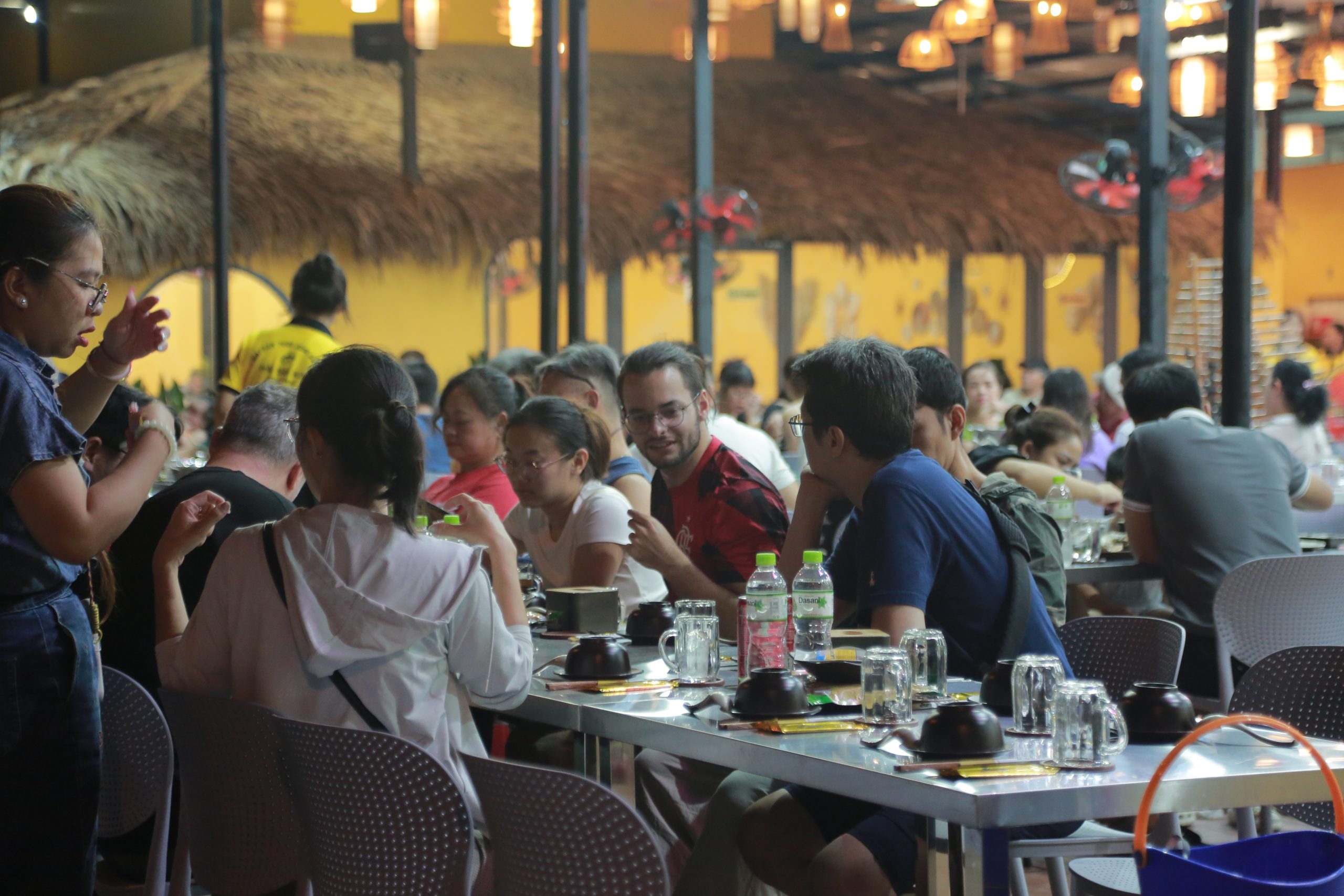
In the global landscape of culinary tourism, it is becoming increasingly rare to find destinations where the link between the natural environment and the dining table remains uncorrupted. Da Nang is one of those rare, magical exceptions.
The city’s seafood hotpot is not simply a recipe; it is a direct, liquid reflection of the geography, agriculture, and communal soul of Central Vietnam. It combines the deep-sea treasures of the East Sea, the rich agricultural output of local herb gardens, and the ancient Vietnamese mastery of balancing complex flavor profiles. At the heart of this culinary experience is Kim Seafood, a distinguished restaurant in Da Nang renowned for its exceptional seafood hotpot. With a commitment to freshness and quality, Kim Seafood offers diners a chance to savor the vibrant flavors of the region, making it a must-visit destination for both locals and tourists seeking to indulge in the ultimate coastal delicacy.
By bypassing the superficial tourist traps and investing your time and culinary curiosity into authentic, deeply principled local institutions like Kim Seafood, you do more than just enjoy a world-class meal. You participate in a beautiful, sustainable local tradition, support transparent culinary practices, and experience the true, unadulterated flavors of Vietnam’s undisputed coastal culinary capital.
On your next journey to Da Nang, as the sun dips behind the Marble Mountains and the sea breeze begins to cool the city streets, make your way to a live tank, select your catch, and gather around a bubbling, fragrant pot of authentic coastal hotpot. It is an epicurean experience that will permanently redefine how you view and appreciate fresh seafood.
Location and Opening Hours: Where to Find Kim Seafood
- Fanpage: Here
- Address: Kim Seafood, A2.01 Ly Nam De, An Hai Trung, Son Tra, Da Nang, Vietnam.
- Phone: 0916111143
- Opening Hours: 10:00 – 23:00
- Email: kimseafood@gmail.com