Seafood spot Da Nang: why locals have trusted it for years
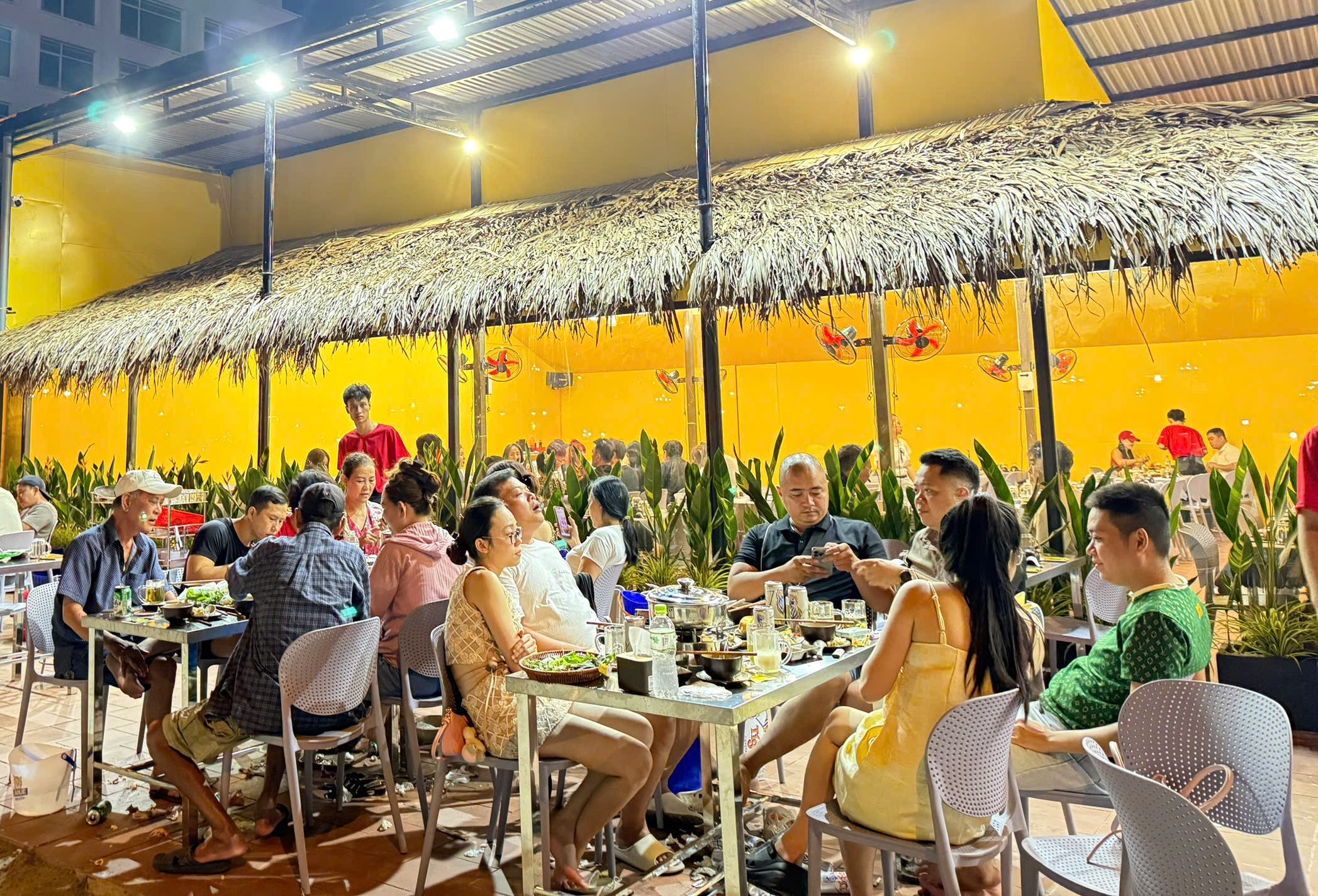
Da Nang locals don’t need Google Maps to find a place to eat seafood. They have their own list—unwritten, not posted online—but passed down through word of mouth for years within families, friend groups, and among colleagues. These are the places they return to not because there are no other options, but because no other options are needed.
So, by what criteria do Da Nang people choose their seafood spot? And what makes an address trustworthy in the eyes of those who have lived here for years—rather than just visiting for a few days?
1. Locals and how they evaluate a seafood spot
1.1. Consistency is more important than excellence
When a Da Nang local says “I eat there a lot,” what they are really saying is not that the place is the most excellent in the city. They mean: every time I go, I am never disappointed.
This is the first and most important criterion when evaluating a seafood spot according to local standards. A meal that is exceptionally excellent but followed by disappointment on the next visit is not enough to become a “regular” spot. Conversely, a place that is consistently an 8/10 over ten visits is much more trusted than a place that has one 10/10 and three 5/10s.
That consistency is shown in many ways: the quality of the seafood does not change by the day, the cooking recipes are consistent, and the service attitude does not differ between regulars and new customers.
1.2. The relationship between the owner and regular customers
At many seafood spots trusted by locals, there is a small but very meaningful detail: the owner remembers the customers’ faces. It’s not necessarily about remembering names, but when you walk in, someone nods, smiles, or asks “Sitting at the old spot?”—that is the sign of an eatery truly connected to the community.
Da Nang people do not trust places that serve like a production line—fast, efficient, but cold. They trust places that have something like “neighborly love” in the way they treat customers.
1.3. No need to look at the menu—a sign of true trust
One of the clearest signs that someone truly trusts a seafood spot: they sit down and order without opening the menu. They know what they will order today, they know which species is delicious in season, and they trust that the staff will give the right advice if there is anything different today.
That is a level of trust that no shop can create after just one visit. It takes time—and it only comes when that address is consistent long enough that people no longer feel the need to check.
2. Common characteristics of a trusted seafood spot
2.1. Transparent and stable seafood sources
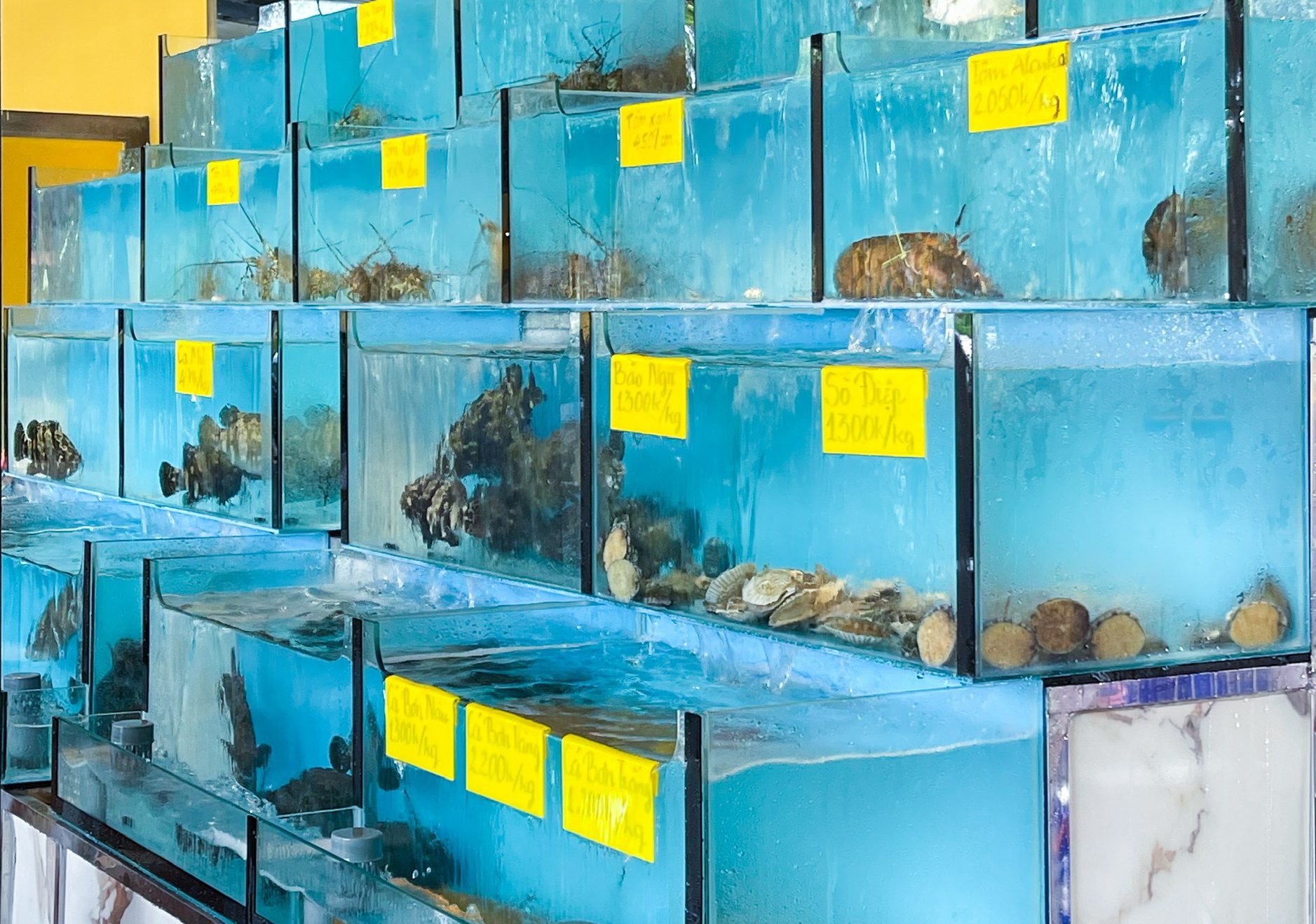
At seafood spots trusted by locals, the source of ingredients is often something “everyone knows” within the friend group or neighborhood. “That shop gets goods from Tho Quang port every morning” or “That place, the owner goes to choose fish himself from 5 AM”—these sentences are not marketing, but reality verified through many meals.
Live seafood doesn’t need to be advertised with words—it is present in the natural sweetness of each dish, in the crystal-clear fish tanks, and in the way the staff handles the ingredients. Frequent diners will recognize immediately when something is not up to standard—and that is exactly why they only return to places that always maintain those standards.
2.2. Predictable pricing
Locals eat seafood regularly, so they know market prices well. They don’t need the cheapest place—they need a place where the price is predictable. Ten visits, ten times the bill is approximately the same according to the season—that is a seafood spot worth returning to.
Da Nang seafood prices fluctuate by season and by species—that is normal and everyone understands it. The problem is when prices are “adjusted” according to the customer’s appearance—tourists pay differently than locals, foreigners pay differently than domestic guests. The addresses recommended by locals are the ones that do not do that.
2.3. Menus do not change arbitrarily
There is an interesting paradox: the most trusted addresses are often the ones that change the least. The recipes, the presentation, even the table arrangement—stable year after year. Adjustments are made seasonally, but the identity does not change.
That stability is not conservative—it is evidence of confidence. The shop knows what it is doing well and doesn’t need to constantly change to attract customers. Customers come because they know what they will receive, not because they are curious to see what is new today.
3. Areas with seafood spots frequented by Da Nang people
3.1. Man Thai and Tho Quang area—close to the source, close to quality
This is the area where fishermen live, near the Tho Quang fishing port—where seafood arrives every morning. Many seafood spots here do not have beautiful signs or large spaces, but they have something that cannot be bought with investment in decoration: extremely fresh seafood and prices close to port prices.
Da Nang people know this area. Tourists find it less often—and that makes the quality better maintained because the shop doesn’t need to adjust to serve large numbers of transient guests.
3.2. Dragon Bridge and central area—convenient and diverse
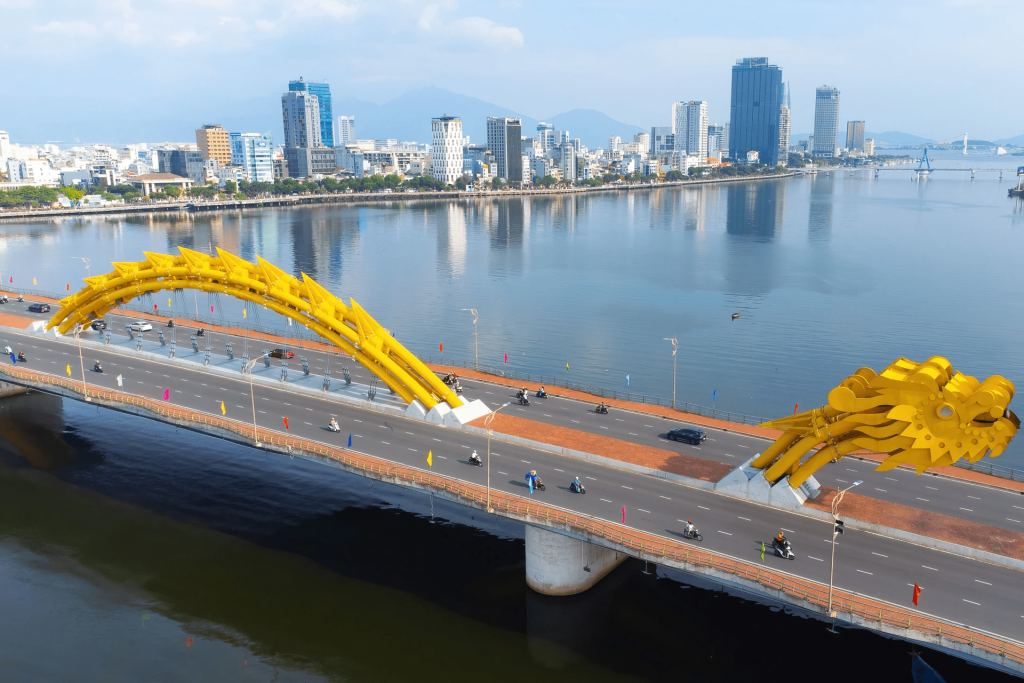
This is the most suitable area for tourists looking for a seafood spot with a clear brand, standardized processes, and easy transportation. Many restaurants here have served both locals and international guests long enough to build consistent processes.
Kim Seafood is located in this area—chosen by many tourists and locals as a familiar seafood spot not only because of its convenient location but also because of its transparent select-weigh-confirm pricing process and live seafood sources controlled every morning from Tho Quang port.
👉 See more: Kim Seafood Restaurant: What Makes It a Must-Try in Da Nang
3.3. Small alleys along Nguyen Van Thoai street—few people know, many regulars
Along this road, there are many small seafood spots that are not on TripAdvisor or Google Maps but are always crowded in the evening—entirely with locals. These shops advertise little, sometimes only having a hand-written board, but regular customers remember the address without needing Google.
This is the type of address that is hard to find but worth it if you have time to explore—or have a local take you.
4. Why should foreigners trust local choices?
4.1. Locals have no reason to eat at a place that isn’t good
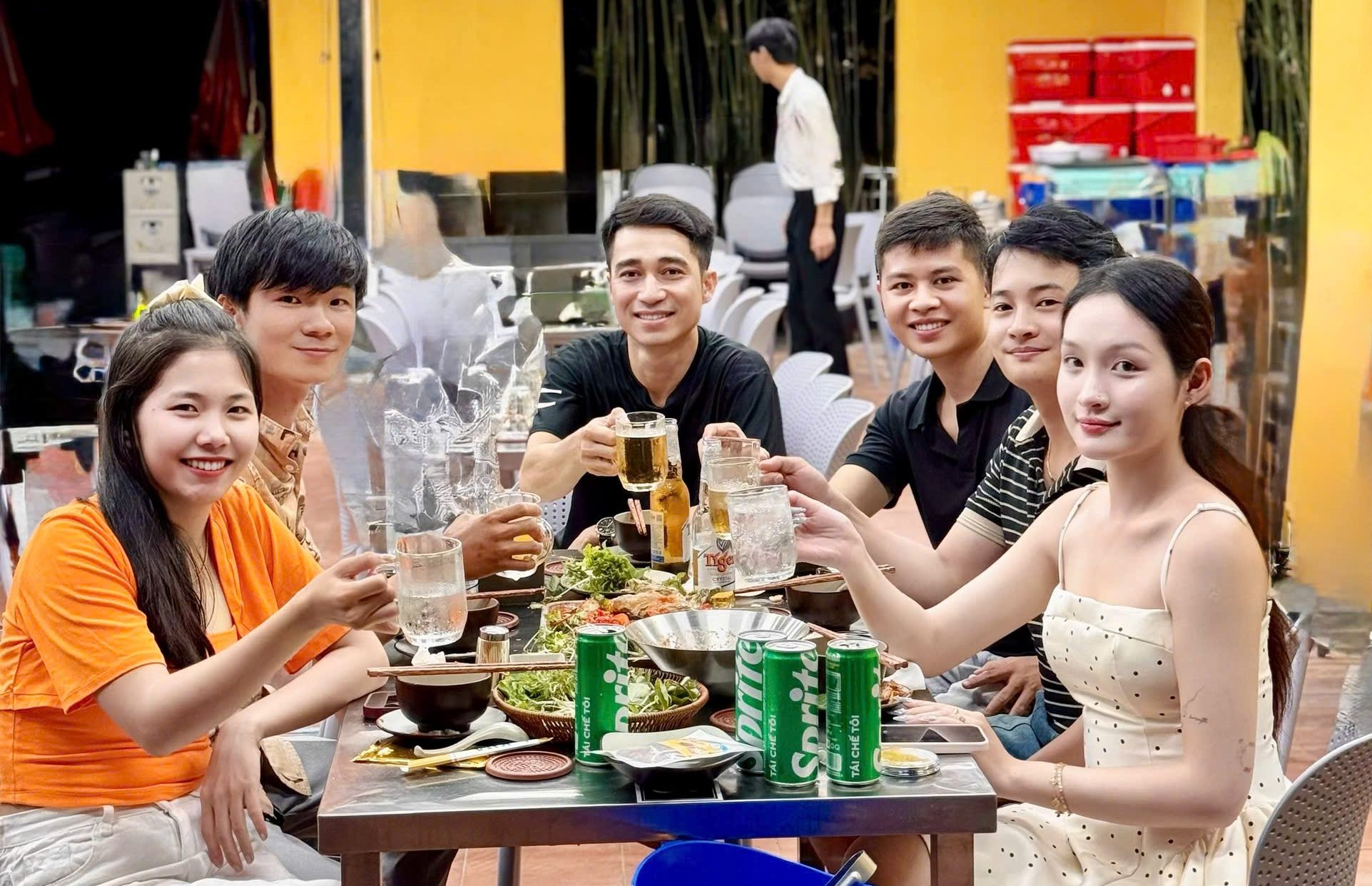
This is the simplest logic: locals don’t come because they were invited for a review, they don’t come to take check-in photos, they don’t come out of curiosity for one time. They come because they want to eat well. And they only return when it’s worth it.
When you see a seafood spot crowded with locals—families, groups of middle-aged friends, Da Nang couples—it is a more reliable signal than any star on a booking app. Locals have already done the quality audit for you through dozens of visits.
4.2. Local trust is hard to earn and hard to fake
No marketing campaign can buy local trust in the long run. They know the difference between truly delicious Da Nang seafood and seafood that is beautifully presented on the table. They recognize immediately when the natural sweetness is no longer there—no matter how complex the processing is to hide it.
Therefore, when a local recommends a seafood spot to a guest from elsewhere, it is an action with weight. They are putting their personal reputation into that recommendation—and Da Nang people do not do that arbitrarily.
👉 See more: Delicious seafood in Da Nang – Why do diners keep coming back to Kim Seafood?
4.3. How to find a seafood spot like a local when you are a tourist
Instead of opening Google Maps, try this: ask the people working at your hotel or homestay—not the professional receptionists, but the housekeeping staff or security guards. They are true locals and usually have a personal list of seafood spots that doesn’t overlap with any guidebook.
Or more simply: take a walk at 6 PM, find out which shop is the most crowded and mostly consists of locals. That is usually the most reliable sign you can have in a strange city.
5. Trustworthy seafood spot—a quick checklist before sitting down

5.1. Four questions to ask before ordering
Before sitting down at any seafood spot in Da Nang, ask these four questions:
-
“Which species is the freshest today?” — Staff who know the goods will answer specifically, not “everything is fresh.”
-
“What is the price/kg of that species?” — Ask before choosing, not after cooking.
-
“Can you weigh it in front of me before cooking?” — The answer should be yes, without hesitation.
-
“Which way is the best to cook it?” — Staff who understand the product will be able to advise, not just list the options on the menu.
5.2. Signs you should leave immediately
Not every seafood spot is worth your time and money. Leave if you see: the staff cannot answer questions about the origin of the seafood, the fish tanks are cloudy or the seafood is inactive, the price is not announced before processing, or the service attitude changes significantly when they know you are a tourist.
Eating Da Nang seafood in the true sense doesn’t have to be a risky adventure. With enough information, you can completely choose a worthy seafood spot from the very first time.
👉 See more: Seafood experience in Da Nang: Fresh, delicious and worthy
6. Dos and Don’ts at a Da Nang seafood spot
6.1. Dos
Ask about the origin of the seafood. A trustworthy address is not afraid to share where their seafood comes from. Specific answers—”lobster from Phu Yen,” “crab from Tho Quang fishermen”—are signs of transparency. This is also the simplest way to distinguish a seafood spot that truly cares about quality from a place that only sells daily goods.
Try a simple dish first. Steamed tiger shrimp with lemongrass, steamed clams Thai-style, or steamed baby squid—these dishes are simple but clearly show the quality of the ingredients. If the steamed dish is not naturally sweet, the live seafood is not there. Complex sauces or stir-fries can hide poor ingredients—steamed dishes cannot.
Order just enough for the number of people. Da Nang people do not order in bulk. They order just enough, finish it, and if they need more, they order more. This way not only saves money but also helps you truly enjoy each dish instead of rushing because there is too much on the table.
6.2. Don’ts
Don’t trust social media photos absolutely. Beautiful photos do not equate to delicious seafood. Many addresses invest heavily in content marketing but do not invest proportionally in supply sources and craftsmanship. A truly good seafood restaurant often lets quality speak for itself—no filters needed.
Don’t order only premium dishes if you aren’t sure about the freshness. Lobster, King crab, or abalone taste great when fresh—but it will be a bad experience and a waste of money if they aren’t fresh. Check with a mid-range dish first. Once you trust the supply source, then order higher-value dishes.
Don’t let the late-night hour affect your experience. After 9 PM, most seafood spots have run out of the freshest catches of the day. The kitchen is tired, the staff is tired, and the service quality may not be as it was at the beginning of the evening. If you want the best experience, come early.
6.3. Special note for international guests
Da Nang seafood restaurants serve a large number of international guests every year—and most branded seafood spots have staff who can speak basic English. However, language is not the only barrier. The difference in expectations is also a factor to note.
Vietnamese seafood is served whole, fresh from the tank to the table—different from the pre-processed presentation many Western guests are used to. This is not a problem—it is a unique feature. But knowing this in advance will help you prepare mentally and truly enjoy instead of being surprised.
Conclusion
Da Nang locals have spent many years building their list of trusted seafood spots. You don’t have many years—but you can shorten that process by understanding the criteria they use.
Consistency, transparency, true freshness, and treating every guest equally—these are the four pillars of any seafood spot worthy of trust, whether you are a local or a tourist visiting for the first time. And when you find such a place—you will understand why Da Nang people don’t need Google Maps to find a great place to eat.
Contact Information:
- Address: Kim Seafood, A2.01 Ly Nam De Street, An Hai Trung Ward, Son Tra District, Da Nang, Vietnam.
- Phone: 0916111143
- Opening Hours: 10:00 AM – 11:00 PM
- Email: hello.kimseafood@gmail.com
- Facebook Fanpage: Hải sản KIM Seafood