Fresh Da Nang Seafood: Kim Seafood’s Commitment from Sea to Table
Discover what it really means to eat fresh seafood in Da Nang — and how Kim Seafood maintains that standard every day, from the morning catch to your plate. Da Nang is not short of seafood. But genuinely fresh seafood in Da Nang — controlled from the dock all the way to the dish — is something far fewer restaurants can deliver consistently over the long term.
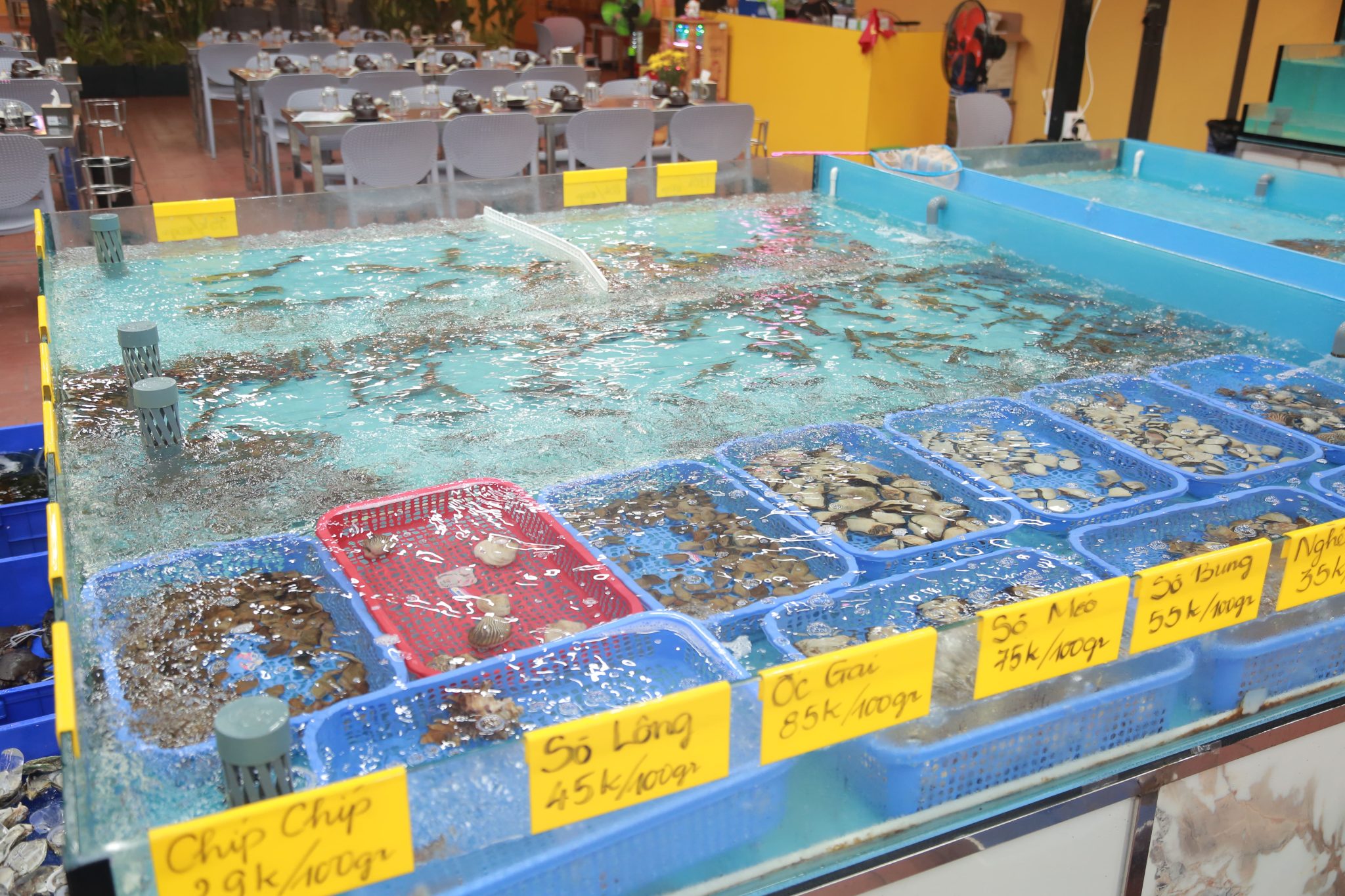
This article gets straight to the point: what fresh seafood in Da Nang actually means, how to recognise it, and what Kim Seafood does every day to back that commitment with action rather than words.
What Does “Fresh Seafood” Actually Mean?
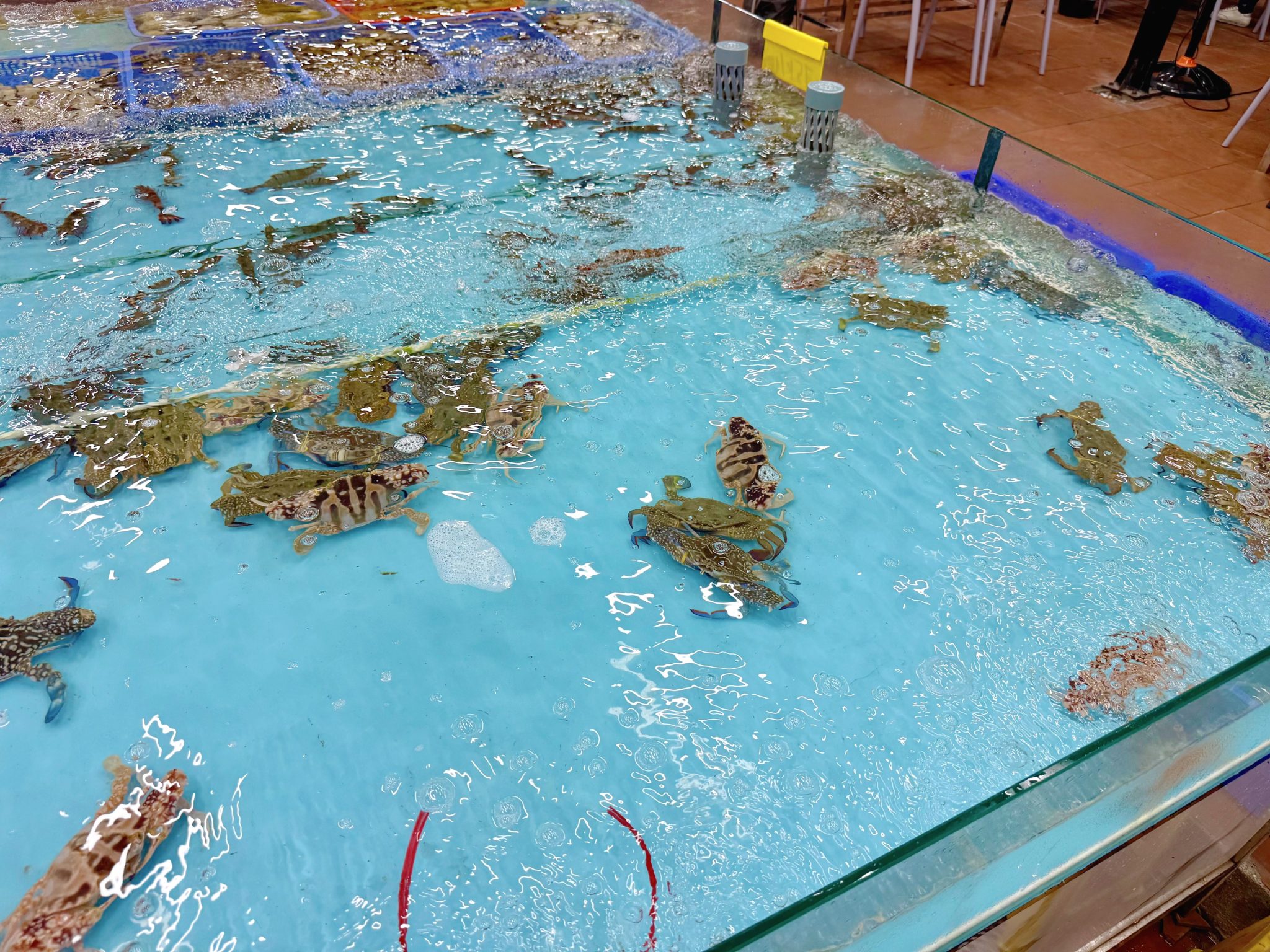
This is a question many people never ask because they assume they already know the answer. The reality is more nuanced. Fresh seafood in Da Nang is not simply “still alive when purchased” — it refers to the entire chain: the moment of harvest, how the catch is transported, storage conditions, and the state of the ingredient when it enters the kitchen.
A crab pulled from a cage that same morning, transported in a tank of seawater and delivered to a restaurant within a few hours — that is genuinely fresh seafood in Da Nang. A crab caught the previous day, packed on ice overnight, then placed back into a tank to look alive — that is an entirely different product, even if the two are visually indistinguishable at a glance.
The difference is immediately obvious when eating: truly fresh crab meat is firm, naturally sweet, and free of off-odours. Crab that has been held overnight tends to be softer, blander, and may carry a faint unpleasant smell that experienced diners pick up without being able to name it.
👉 Watch more Kim Seafood – Authentic Vietnamese Dishes, True Local Flavors
Why Fresh Seafood in Da Nang Makes Such a Difference to Every Meal
Seafood is unlike pork or chicken — it degrades far more rapidly once removed from its natural environment. Glycogen and free amino acids — the compounds responsible for the natural sweetness in fresh seafood in Da Nang — begin breaking down the moment the animal dies and continue to diminish with every hour of storage.
This is why a seafood hotpot made with live, fresh ingredients produces a broth that is sweet and clear, while one made with lower-quality seafood yields a cloudy, fishy-smelling stock — not because of poor cooking, but because the ingredients had already deteriorated before they ever reached the stove.
For diners, this means: the same dish, the same recipe, but a completely different result depending on the quality of the fresh seafood in Da Nang used. No amount of seasoning or cooking technique can compensate for ingredients that were compromised at the source.
How Kim Seafood Controls the Quality of Fresh Seafood in Da Nang
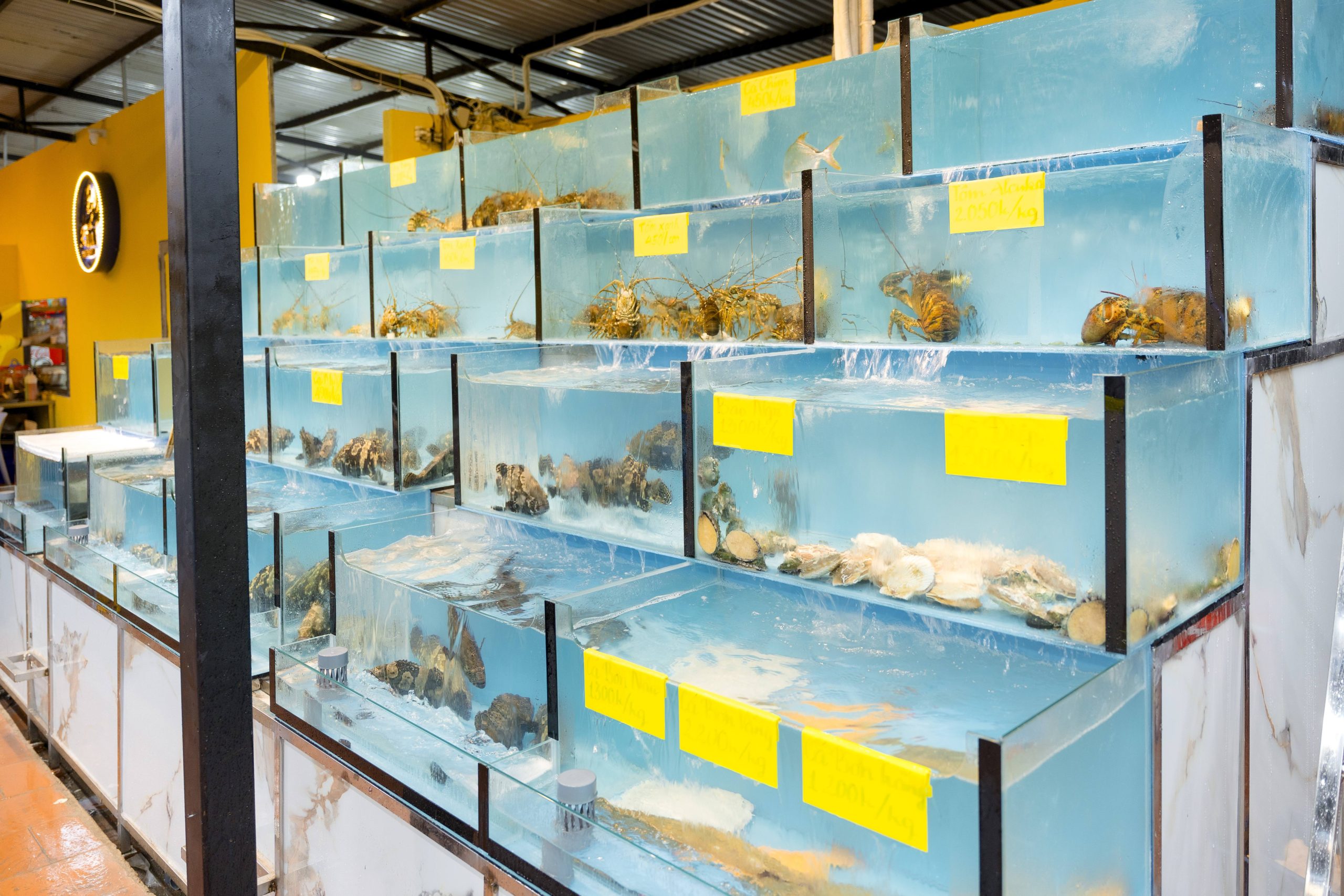
Kim Seafood sources its seafood from local Da Nang fishing ports and nearby coastal provinces on a fixed morning delivery schedule. No ingredients are carried over from the previous day for main dishes. When fresh seafood in Da Nang is in short supply, Kim Seafood does not substitute frozen alternatives — instead, certain dishes may simply be unavailable that day if the quality cannot be guaranteed.
The live tanks at the restaurant are maintained with clean water, appropriate temperature, and correct salinity for each species. These are not display tanks — they are operational systems designed to keep fresh seafood in Da Nang in optimal condition from the moment it arrives until it is prepared to order.
Each day, kitchen staff inspect all ingredients before service begins. If a crab or a batch of shrimp does not meet the standard, it does not reach the table — even when that means a dish is removed from the menu for that day.
How to Identify Genuinely Fresh Seafood in Da Nang — Specific Signs to Look For
Rather than relying on restaurant claims, diners can evaluate the quality of fresh seafood in Da Nang themselves the moment they walk in. Several concrete indicators require no specialist knowledge to recognise.
Look at the Live Tank
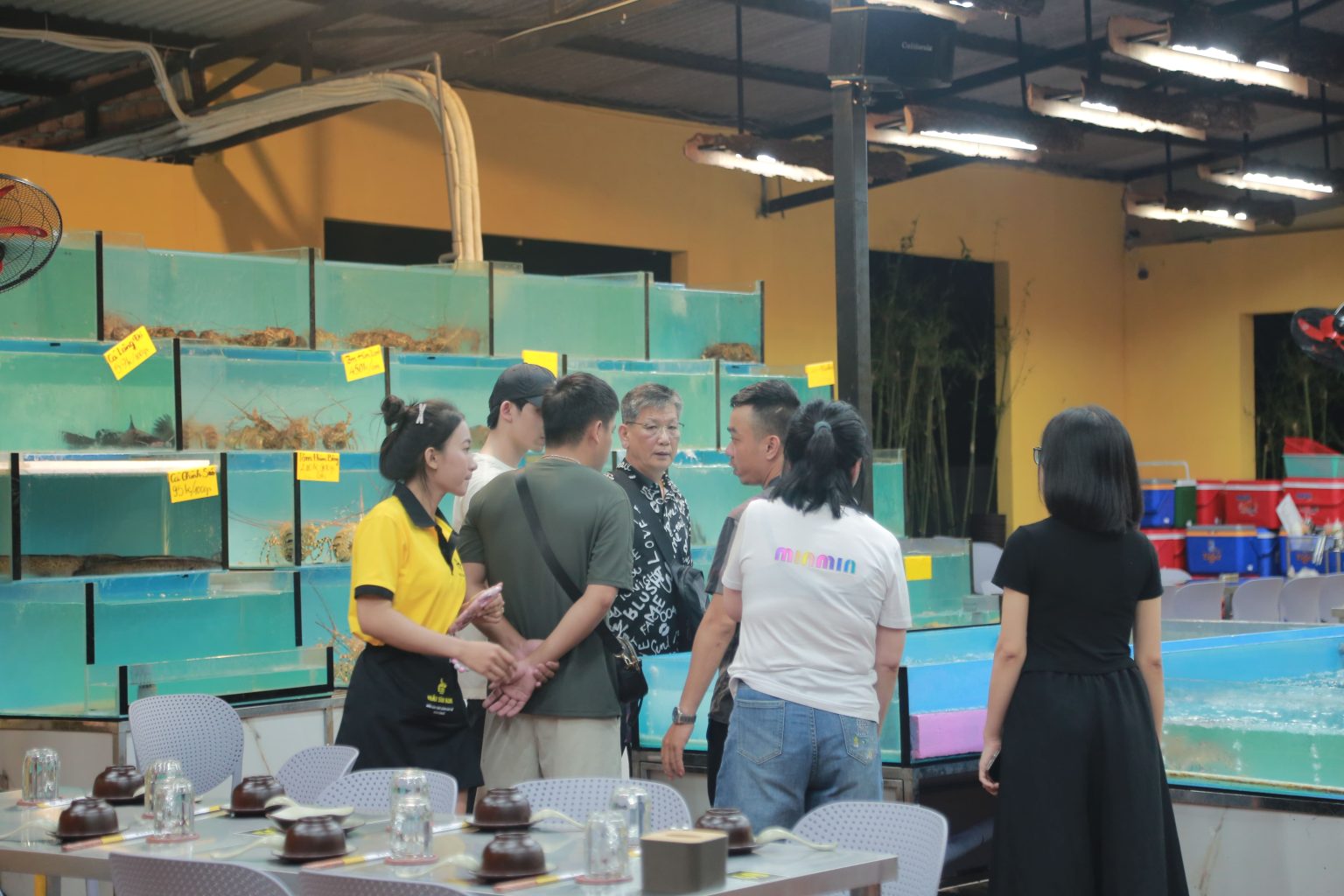
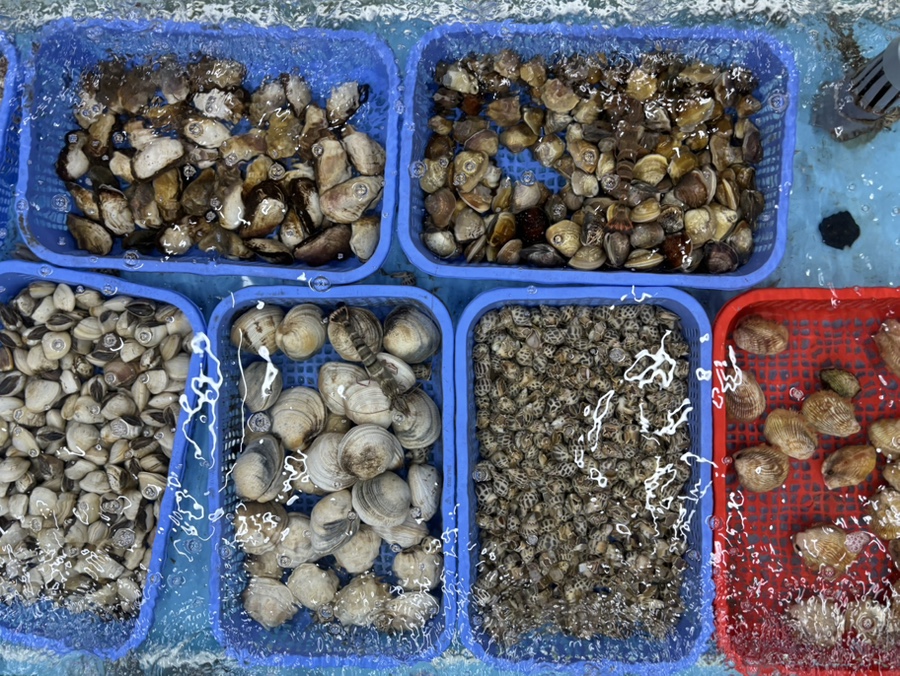
The water must be clear, with no noticeable fishy odour when standing nearby. Seafood in the tank should be moving normally — shrimp swimming, crabs walking, blue crabs pinching. Animals lying still or floating abnormally are a clear sign the tank is not being managed properly. Cloudy water, odour, or a high number of motionless specimens are warning signs regardless of what the menu says.
Ask Directly About the Source
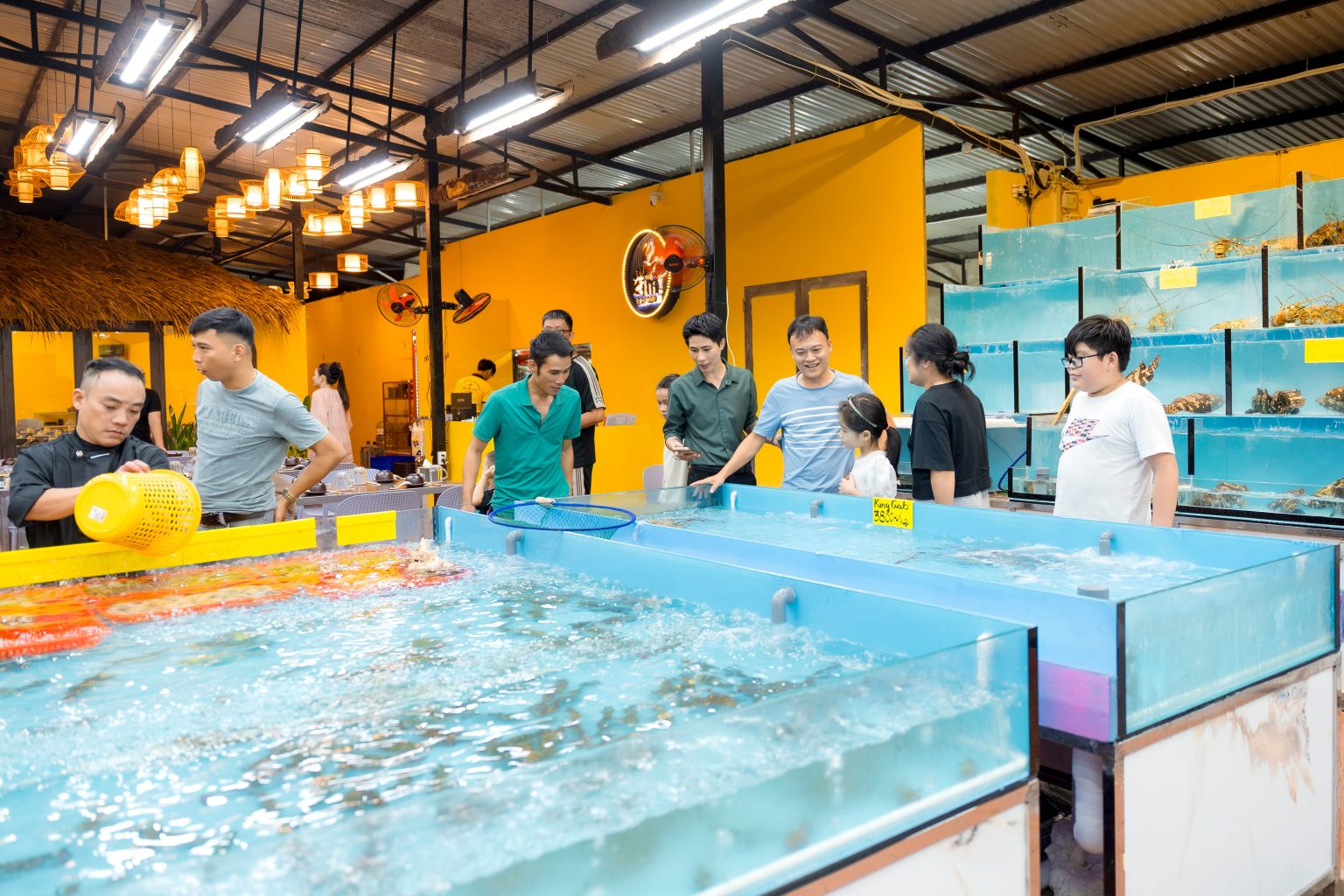
A restaurant that genuinely offers fresh seafood in Da Nang can answer immediately: where today’s delivery came from, which species arrived this morning, and which are unavailable. Vague or evasive answers typically indicate the restaurant does not have visibility into its own supply chain.
Pay Attention to the Taste
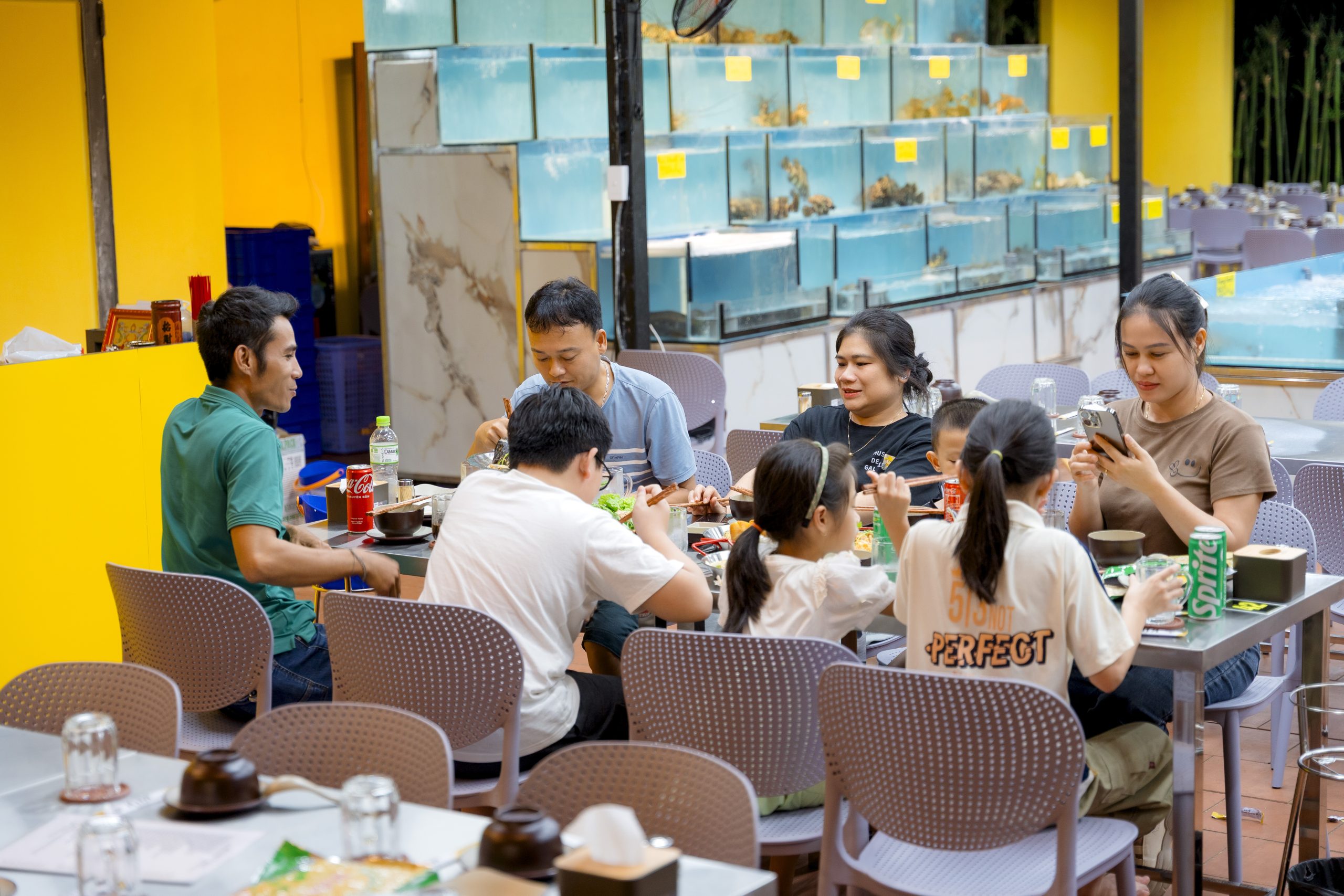
Genuinely fresh seafood in Da Nang, when eaten: firm flesh that does not fall apart; natural sweetness that does not rely on heavy seasoning; no off-odour even after cooking. By contrast, seafood past its prime tends to produce soft or watery texture, flat flavour, and an occasional smell that persists despite heavy marinating.
Signature Dishes That Demonstrate Kim Seafood’s Fresh Seafood Standard
There is no need to go through the entire menu. A handful of specific dishes are enough to understand the standard of fresh seafood in Da Nang that Kim Seafood maintains.
Steamed Tiger Prawns — The Simplest Quality Test
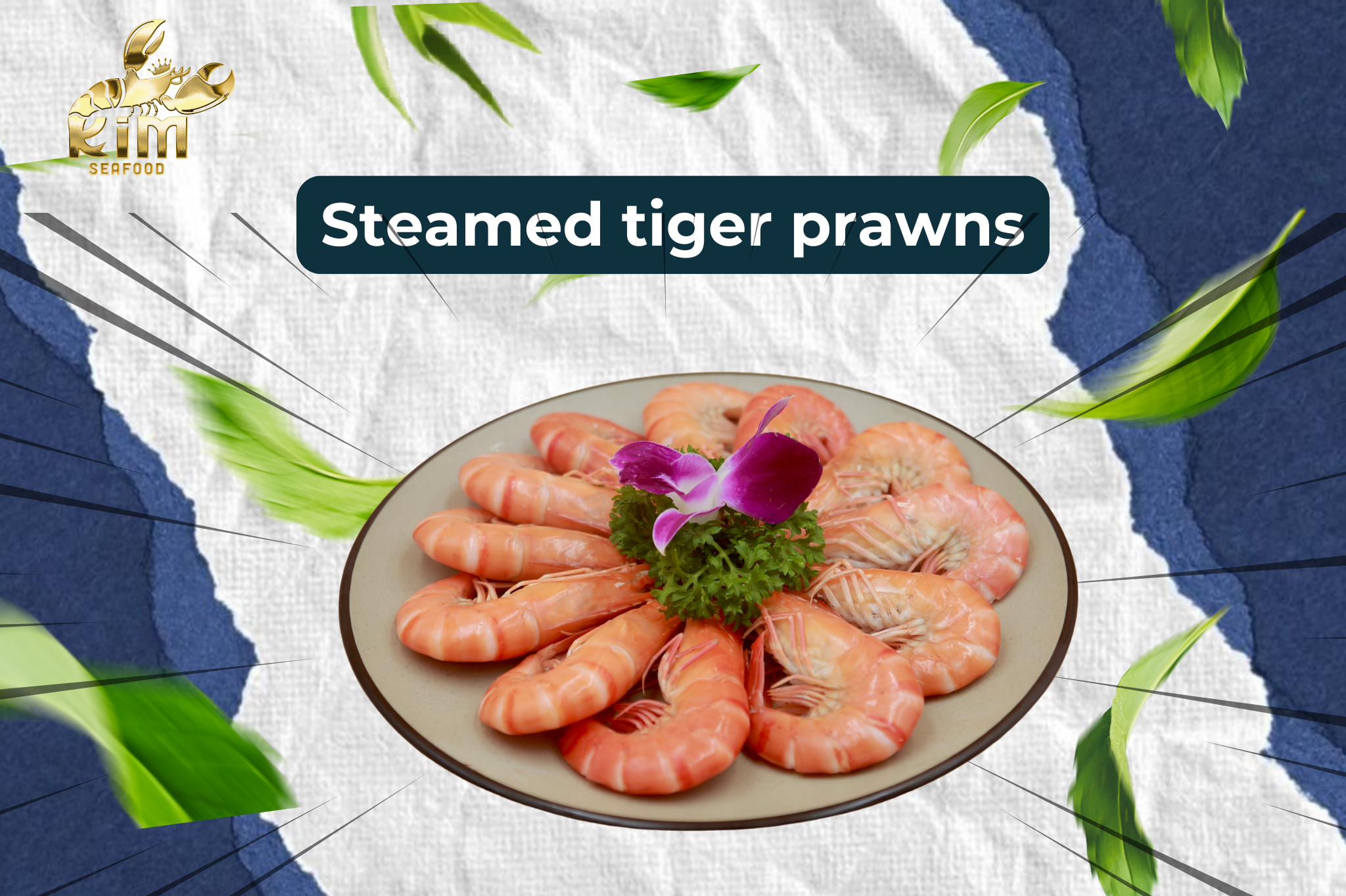
Steamed Tiger Prawns are the least-seasoned item on the menu — just steam and perhaps a touch of ginger or lemongrass. This is precisely why they are the clearest indicator of ingredient quality: fresh prawns emerge firm, with naturally even redness, a clean sweet flavour, and no need for a complex dipping sauce. Prawns that are not genuinely fresh produce soft flesh, uneven colour, and a noticeably flat taste when steamed.
Ca Mau Crab with Tamarind Sauce — The Crab’s Natural Sweetness Carries the Dish
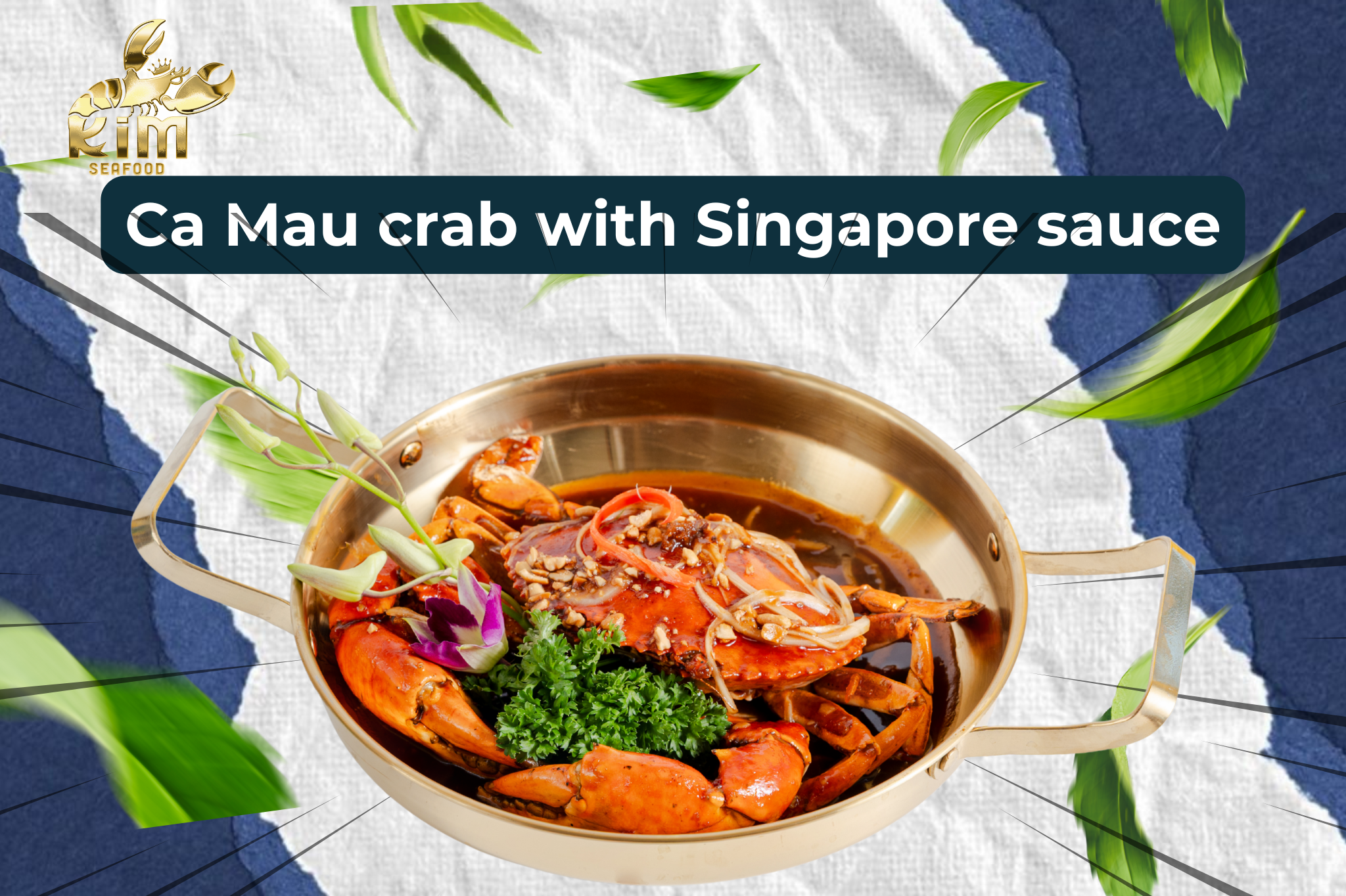
Tamarind preparation coats the exterior with a flavoured sauce, but it cannot mask the quality of the crab meat inside. Ca Mau crab that is genuinely fresh delivers firm meat, natural sweetness, and a clean oceanic flavour. The tamarind-sweet sauce is only the outer layer — an experienced diner will immediately sense whether the crab beneath it is fresh, regardless of how well the sauce is made.
Large Milk Oysters — Where Ingredient Quality Speaks for Itself
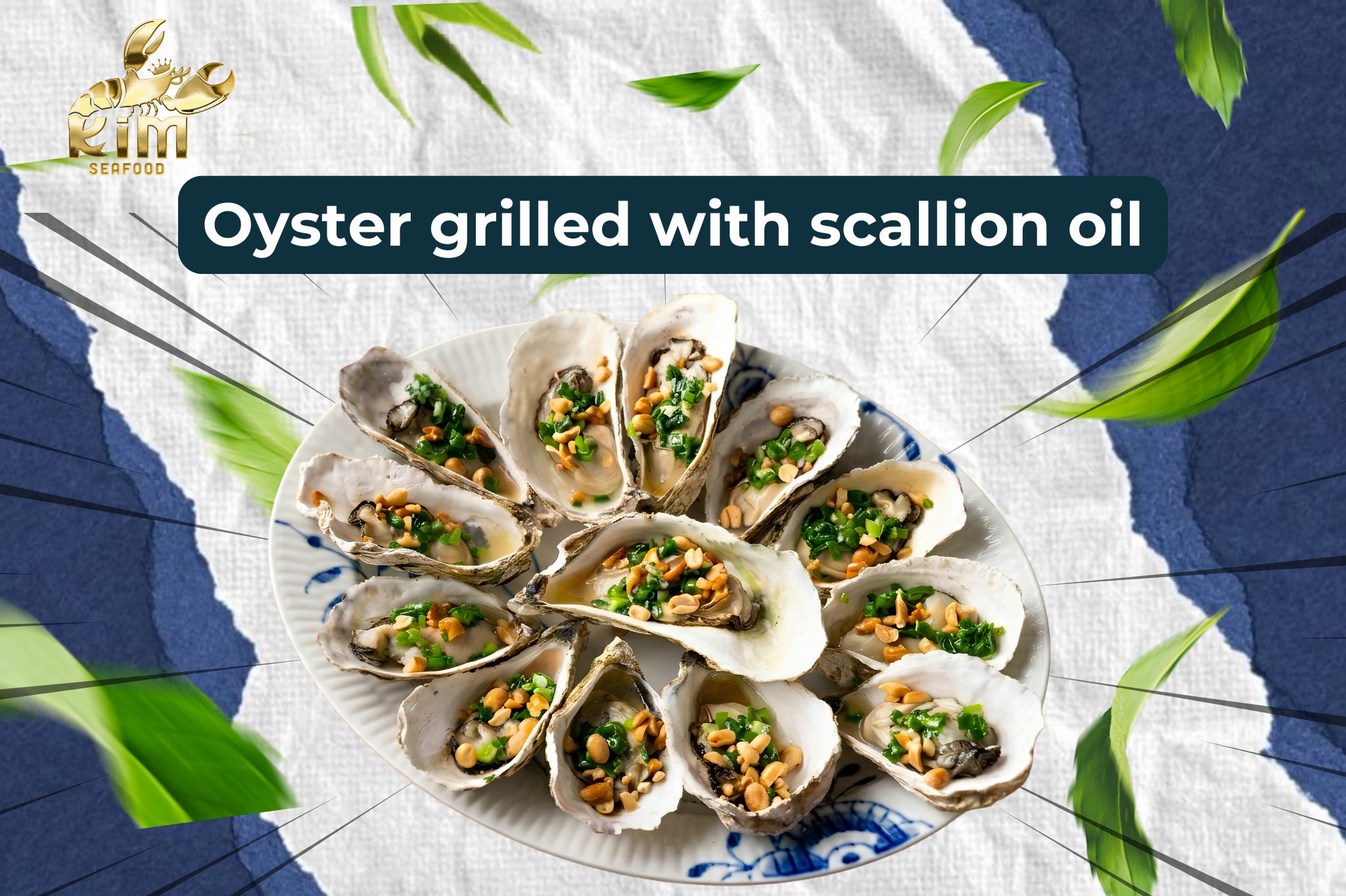
Oysters are among the most sensitive indicators of fresh seafood quality. Fresh live oysters eaten as sashimi have a silky texture, mild richness, and a clean, lingering oceanic finish. Oysters past their prime carry an unpleasant odour — however faint — and noticeably altered flavour. Neither cheese grilling nor scallion oil can conceal poor oyster quality: if the ingredient does not meet standard, diners know immediately.
The Quality Chain from Sea to Table — A Process, Not a Single Step
When Kim Seafood says “commitment to quality from sea to table,” that refers to a specific sequence of operational steps, not a slogan.
Step 1 — Reliable Supply Sources
Kim Seafood works directly with fishermen and established suppliers who have a consistent delivery record in Da Nang. The restaurant does not source fresh seafood in Da Nang from unknown origins or rotate suppliers frequently to cut costs. Long-term supplier relationships are the foundation for controlling input quality.
Step 2 — Correct Transport Conditions
Fresh seafood in Da Nang is transported in conditions appropriate to each species: live seafood travels in seawater containers, filleted seafood is held at 0–4°C and kept separate from other ingredients. Transit time from delivery to kitchen is minimised.
Step 3 — Proper On-Site Storage
Live seafood is held in tanks with species-appropriate water conditions. Pre-cleaned seafood is stored separately and used within the same day. Kim Seafood does not carry fresh seafood in Da Nang over to the following day — running short of a dish is preferable to serving ingredients that no longer meet standard.
Step 4 — Preparation That Preserves Natural Flavour
When fresh seafood in Da Nang is genuinely high quality, it does not need heavy seasoning to taste good. Kim Seafood applies this principle in the kitchen: prawns steamed just through without drying out, crab with sauce that keeps the meat’s flavour intact, squid grilled with a slight exterior char but not turned rubbery. Temperature and timing are controlled so that every dish arrives at the table in proper condition.
👉 Watch more Kim Seafood – The Most Famous Korean-Style Seafood in Da Nang
Why Diners Trust Kim Seafood’s Fresh Seafood Standard Over Time
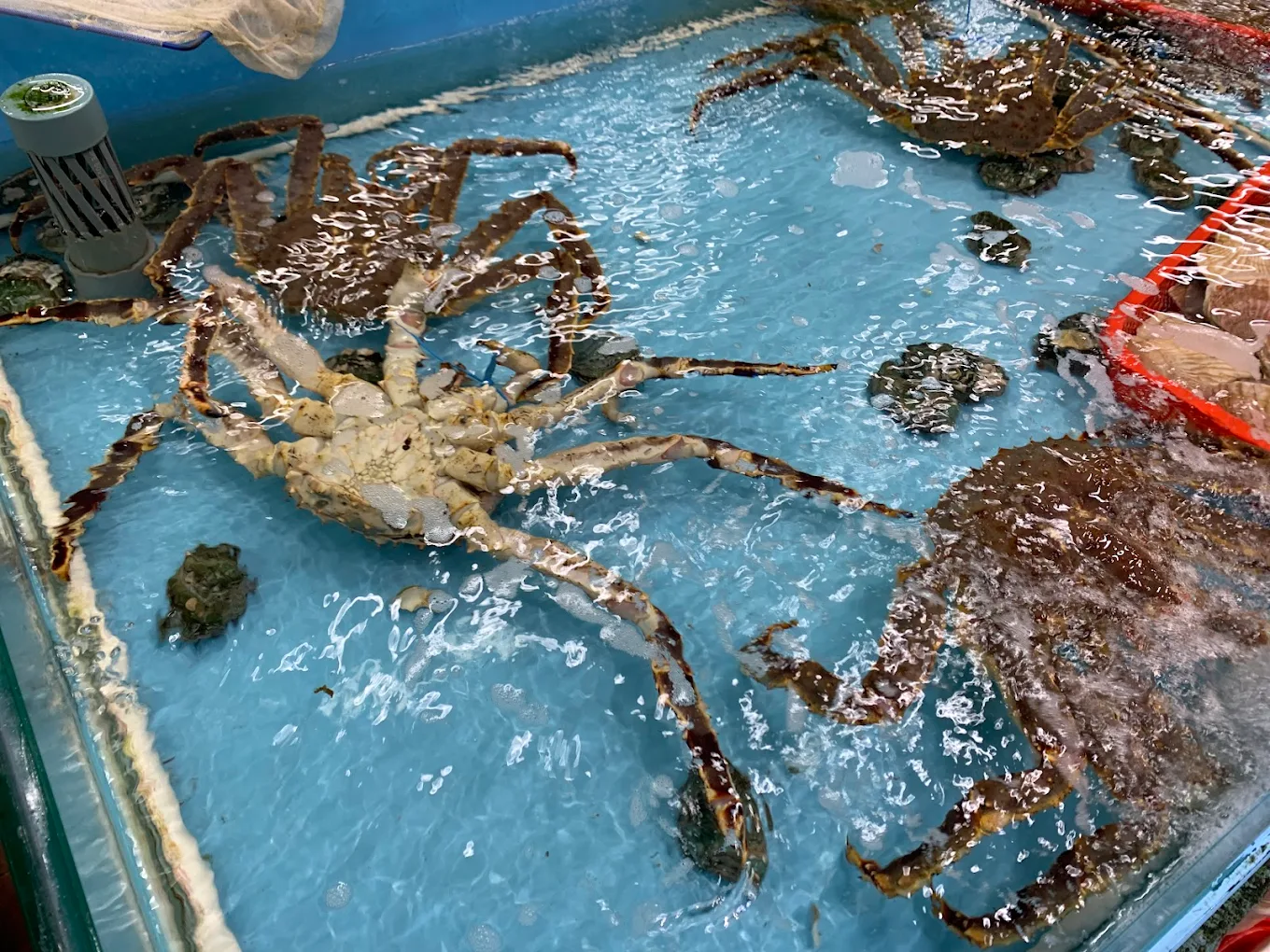
Trust does not come from a single meal. It comes from quality that does not decline across multiple visits. Regular seafood diners notice immediately when ingredients slip — and they do not return.
Kim Seafood maintains a strong base of returning guests because the restaurant does not compromise on the standard of fresh seafood in Da Nang, even when that means certain dishes are unavailable on a given day due to limited supply or insufficient quality.
This is the standard many restaurants abandon before guests notice — and once guests do notice, trust is rarely recovered. Kim Seafood chooses to hold the line rather than trade it for short-term convenience.
What to Know Before Visiting Kim Seafood for Fresh Seafood in Da Nang
If this is your first visit to Kim Seafood with the goal of experiencing genuinely fresh seafood in Da Nang, a few practical points will help the meal go more smoothly.
Ask staff as soon as you arrive what is best today and what came in fresh this morning. The printed menu does not reflect daily availability — the freshest ingredients on a given day are sometimes limited in quantity and need to be requested directly.
Prioritise at least one steamed or simply prepared dish on your first visit — this is the easiest way to assess the quality of fresh seafood in Da Nang yourself, without the flavour being influenced by complex sauces or marinades.
Book a table in advance if visiting on a weekend evening. The 6:00–8:30 PM window from Friday to Sunday is consistently busy. Booking ahead via 0916.111.143 gives you control over timing and seating.
Fresh Seafood in Da Nang by Season — What Most Restaurants Won’t Tell You
Fresh seafood in Da Nang is not uniformly available year-round. This is a fact that few restaurants are willing to state plainly, because they fear losing customers. But it is precisely this honesty that separates restaurants operating with integrity from those that simply chase revenue.
From approximately September to December, the central Vietnamese coast enters typhoon season. Fishing activity drops sharply, the supply of fresh seafood in Da Nang tightens, and premium species such as King Crab and lobster may be unavailable or very limited. An honest restaurant reflects this in its menu — noting when items are out rather than substituting frozen stock or sourcing from unverified origins.
From March to August, the sea is calm — this is when fishing output is highest and fresh seafood in Da Nang is most varied and consistently high-quality. King Crab, Alaskan shrimp, spiny lobster and a wide range of premium fish are all at their best during this window. If you are planning a visit to Da Nang and want the widest and freshest selection, this is the period to target.
Kim Seafood adjusts its menu seasonally rather than maintaining a fixed list year-round. When a species of fresh seafood in Da Nang cannot be guaranteed to standard on a given day, it does not appear on the table — even if that means a shorter menu. For returning guests, this is a signal of confidence rather than a shortcoming.
Why Fresh Seafood in Da Nang Is Significantly Better Than Frozen — Even for the Same Species
Many diners sense this difference instinctively but few can explain it clearly. When seafood is frozen — however carefully — ice crystals form inside the muscle cells and damage their structure. Upon thawing, intracellular moisture leaks out, leaving the flesh softer and depleted of much of the free amino acid content that creates natural sweetness.
Fresh seafood in Da Nang caught the same day retains intact cell structure. During cooking, the natural juices stay within the flesh rather than escaping. Proteins have not been denatured by freeze-thaw cycling, so the texture is firmer and seasoning is absorbed more evenly. This is why the same species of tiger prawn tastes entirely different when eaten fresh versus when thawed from frozen — and why experienced diners recognise the difference immediately, even without being able to articulate the science.
Beyond flavour, fresh seafood in Da Nang also retains higher levels of omega-3s, zinc, selenium, and iodine compared to frozen alternatives. These compounds begin declining the moment the animal dies and continue to fall during cold or frozen storage. Eating fresh seafood is not only more enjoyable — it delivers measurably greater nutritional value. This is the scientific basis for what many diners have always known by instinct.
How to Choose a Da Nang Seafood Restaurant That Truly Delivers on Freshness
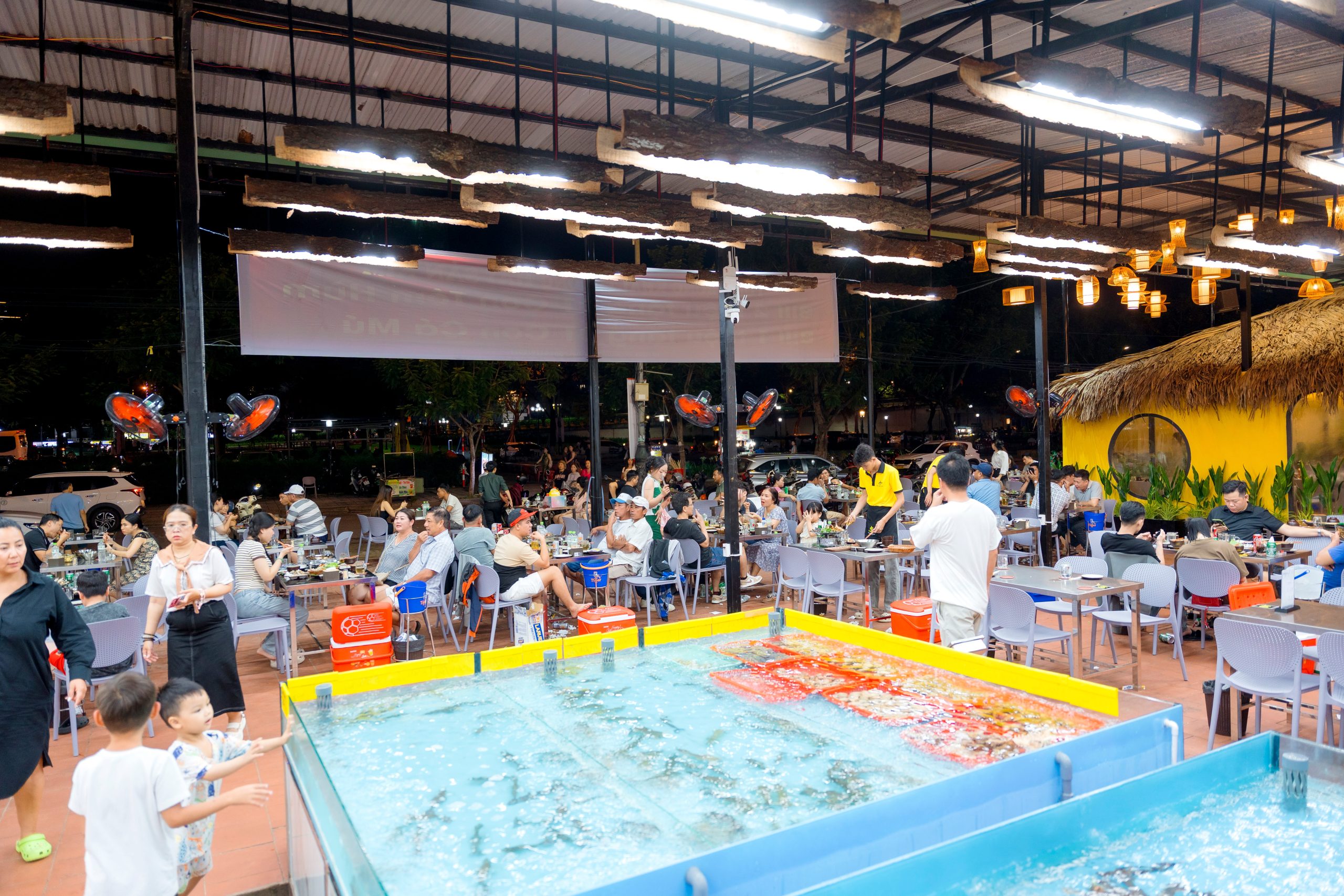
Da Nang has hundreds of seafood addresses, but not all of them control the quality of fresh seafood in Da Nang the way their marketing suggests. A few straightforward checks allow you to assess a restaurant before you even sit down to order.
The first step is to look at the live tank. Clear water, no noticeable odour, seafood visibly moving — these are the three most basic indicators. Cloudy water, smell, or motionless animals are warning signs regardless of what appears on the sign outside.
The second step is to ask staff directly about sourcing and what came in today. A restaurant that genuinely offers fresh seafood in Da Nang can answer immediately, with specifics and confidence. If staff cannot answer, or respond with something like “everything is fresh, everything is available” without detail, that is rarely a good sign.
The third step is to read reviews from local diners, not just tourists. Da Nang locals eat fresh seafood regularly and know exactly when something is off-standard. When review platforms show a significant proportion of feedback from regular local visitors rather than one-time travellers, the credibility of those ratings is considerably higher.
Conclusion — Fresh Seafood in Da Nang Deserves to Be Treated the Right Way
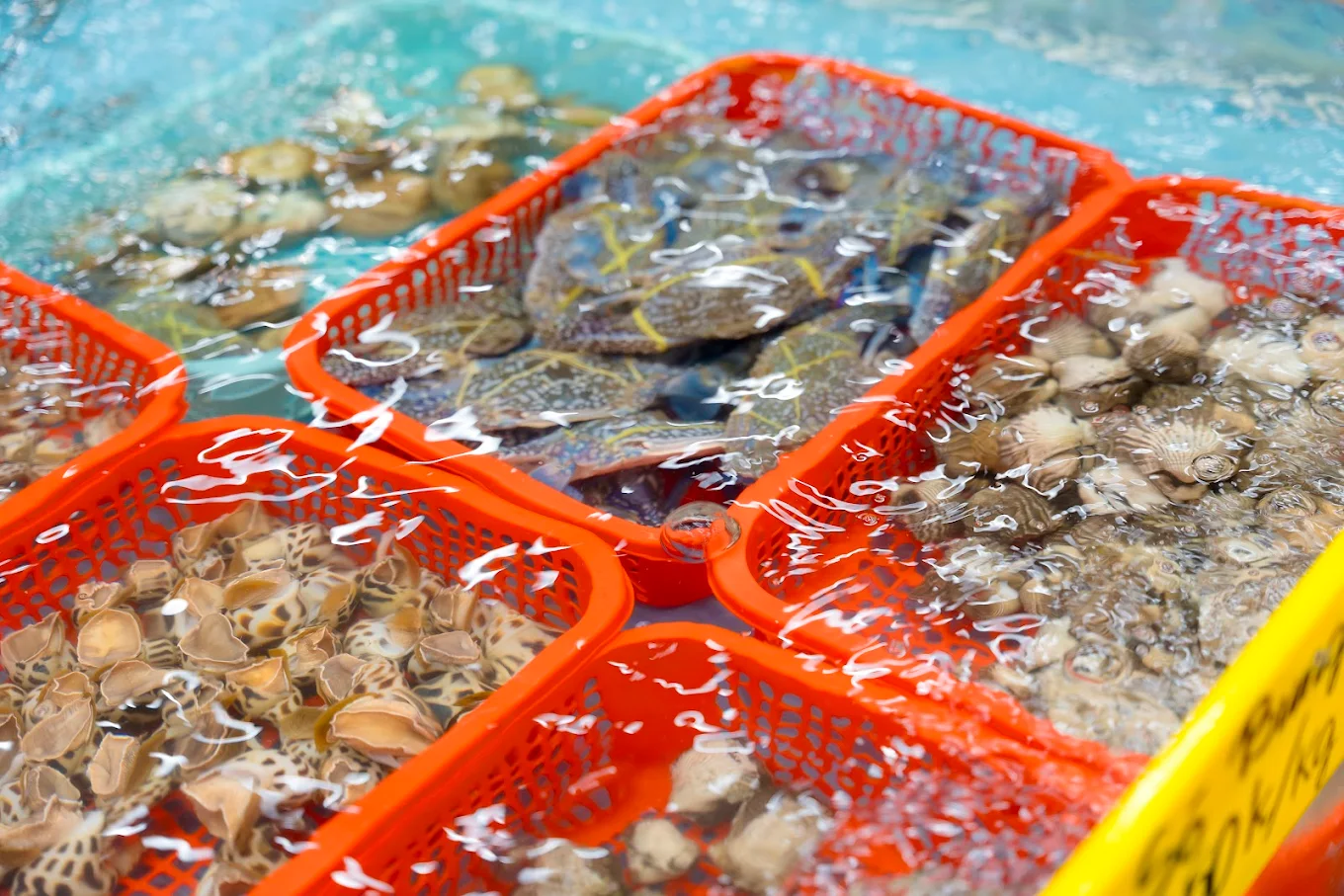
Da Nang has a rare natural advantage — an abundant supply of fresh seafood in Da Nang, clean fishing grounds, and local fishermen with generations of knowledge. Those conditions create the foundation for genuinely exceptional seafood meals. But that foundation only translates into results if the restaurant behind it knows how to use it properly and does not undermine it for short-term operational reasons.
Kim Seafood understands this and operates by that principle. Fresh seafood in Da Nang is sourced daily, never held overnight, never replaced with frozen when supply runs short, and never sent to the table if it does not meet that day’s standard. This is not a written commitment — it is how the restaurant has operated from the beginning.
The next time you are looking for fresh seafood in Da Nang and want to be certain that what you are eating is genuinely worth the price — that is the moment Kim Seafood is the first address worth considering.
👉 Watch more Kim Seafood Da Nang – Seafood Dining Across the Full DIFF and World Cup 2026 Summer
Contact Information:
- Address: Kim Seafood, A2.01 Ly Nam De Street, An Hai Trung Ward, Son Tra District, Da Nang, Vietnam.
- Phone: 0916111143
- Opening Hours: 10:00 AM – 11:00 PM
- Email: hello.kimseafood@gmail.com
- Facebook Fanpage: Hải sản KIM Seafood