Seasonal Da Nang Seafood Dining Experience: How to Avoid Out-of-Season Seafood and Save Money
Da Nang boasts a long coastline and rich marine resources, making it a coastal culinary paradise that attracts millions of visitors every year. However, enjoying seafood should not be a matter of walking into a random restaurant and ordering items impulsively.
Equipping yourself with a proper seasonal Da Nang seafood dining experience helps you select firm, sweet catches, enjoy peak natural flavors, and avoid overpaying for out-of-season items. This guide provides comprehensive advice on choosing dishes, tracking seasonal harvests, and finding trusted venues like Kim Seafood to optimize your budget.
1. Why Should You Learn About the Seasonal Da Nang Seafood Dining Experience?
Many travelers assume ocean catches remain fresh and readily available in equal abundance throughout the year. In reality, marine life develops according to natural growth cycles and local weather conditions.
Ordering seafood outside peak harvest times often results in watery meat, mushy textures, or inflated bill totals caused by market scarcity. Learning seasonal selection principles beforehand is an essential first step for any successful coastal trip.
1.1. Seasonal Da Nang Seafood Offers Diverse and Suitable Options
Sea currents and water temperatures along the Central Vietnamese coast dictate which species thrive during specific months. This natural rotation creates a varied menu that allows diners to sample distinct local delicacies without repetition.
When you understand the harvest calendar of seasonal Da Nang seafood, selecting items from a menu becomes straightforward. You will know precisely when blue crabs are heaviest, or when live lobsters offer the firmest meat.
1.2. Fresh Da Nang Seafood Determines Overall Dish Quality
Ingredient freshness accounts for over 80% of a seafood dish’s natural flavor and success. Active catches swimming in oxygenated storage tanks yield firm, sweet meat that requires minimal heavy seasoning.
Sourcing fresh Da Nang seafood caught and delivered daily preserves vital nutrients and clean ocean flavors. Conversely, frozen or weak items lose their natural sweetness and can lead to indigestion.
1.3. Seasonal Da Nang Seafood Dining Experience Helps Control Your Budget
Supply and demand dynamics on the seafood market directly impact your dining expenses. When a particular species enters peak harvest season, abundant boat yields bring market prices down to reasonable rates.
Applying a smart seasonal Da Nang seafood dining experience allows you to sample premium ocean delicacies at fair prices. You avoid extra scarcity surcharges and high storage fees associated with out-of-season orders.
1.4. Knowing How to Choose Fresh Seafood Limits Impulsive Decisions
Visitors often order based on personal habits or general staff recommendations. This approach frequently leads to selecting items that are not at their prime quality during that specific time of year.
Understanding how to choose fresh seafood based on seasonal availability empowers you to make informed decisions. You can confidently evaluate shell firmness, eye clarity, and active movement directly at the live tanks.
2. Seasonal Da Nang Seafood: Best Times for Peak Quality Catches
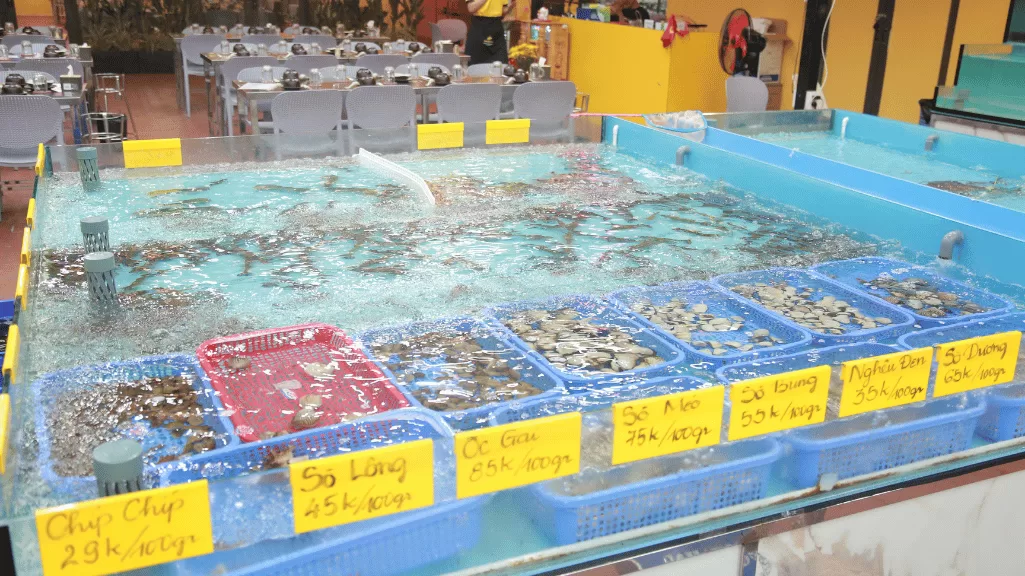
Da Nang’s climate is divided into a dry season from March to August and a rainy season from September to February. Each seasonal weather pattern shapes the variety and volume of ocean catches supplied to local kitchens.
Recognizing these shifts helps you plan your dining itinerary effectively across different months. Choosing the right time to dine ensures you enjoy authentic ocean flavors at peak quality.
2.1. Delicious Seasonal Seafood Options During Favorable Sea Months
The dry season from March to August represents the ideal window for ocean dining in Da Nang. Warm weather and calm waters allow fishing fleets to operate continuously and bring back large harvests.
During this timeframe, delicious seasonal seafood options are widely available at major wholesale markets and local restaurants. Tiger prawns, blue crabs, broad squid, and marine snails reach peak sizes with dense, sweet meat.
Visitors arriving in summer can confidently select almost any item on the menu. Prices during these months remain stable due to consistent arrivals at the Tho Quang fishing port.
2.2. Seasonal Da Nang Seafood Dining Experience During the Rainy Season
From September to February, rainy weather and rough seas impact offshore fishing activities, leading to fluctuations in supply.
However, applying a reliable seasonal Da Nang seafood dining experience during these months still yields excellent dining options. The rainy season is favorable for deep-sea reef species like grouper, as well as milk oysters and lobsters.
During cooler weather, hot seafood hotpots and lemongrass-steamed items are top choices. Ask staff about live daily tank arrivals to avoid ordering items stored in freezers for extended periods.
2.3. Top Delicious Seasonal Seafood Items to Consider
To simplify your ordering decisions, here is a detailed breakdown of popular delicious seasonal seafood items in Da Nang:
Prawns and Lobsters: Live tiger prawns and rock lobsters peak between April and August. During these months, their shells appear bright and glossy, offering firm, sweet meat. Simple preparations like coconut water steaming or chili-salt grilling preserve their natural taste. Avoid ordering prawns during rough sea weather when catches are prone to shrinking.
Crabs and Blue Crabs: Blue crabs and sea crabs are best eaten during the early or late days of the lunar month. Avoid mid-lunar month dates (around the full moon), as crabs shed their shells, resulting in watery meat. Prime catches feature firm aprons, full legs, and rich roe. Lemongrass-steamed blue crab or tamarind-glazed crab remain top local recommendations.
Squid and Cuttlefish: Broad squid, tube squid, and baby squid peak from March to July. Fresh seasonal squid displays shifting skin chromatophores and clear eyes. Thick-fleshed squid grilled with satay or steamed with ginger maintains a satisfying crispness at reasonable prices.
Reef Fish: Deep-sea species like grouper are available year-round but taste best from May to October. Prime fish feature firm bodies, tight scales, and sweet white meat free of muddy odors. Foil-grilled grouper or sour hotpot broth highlights natural nutrition.
Shellfish and Clams: Mud clams (chip chip), milk oysters, sweet snails, and blood cockles are plumpest during summer months. Seasonal shellfish yield clean, sand-free meat that absorbs spices well. Lemongrass-steamed chip chip remains an accessible local favorite.
3. How to Choose Fresh Seafood for a Great Seasonal Da Nang Seafood Dining Experience
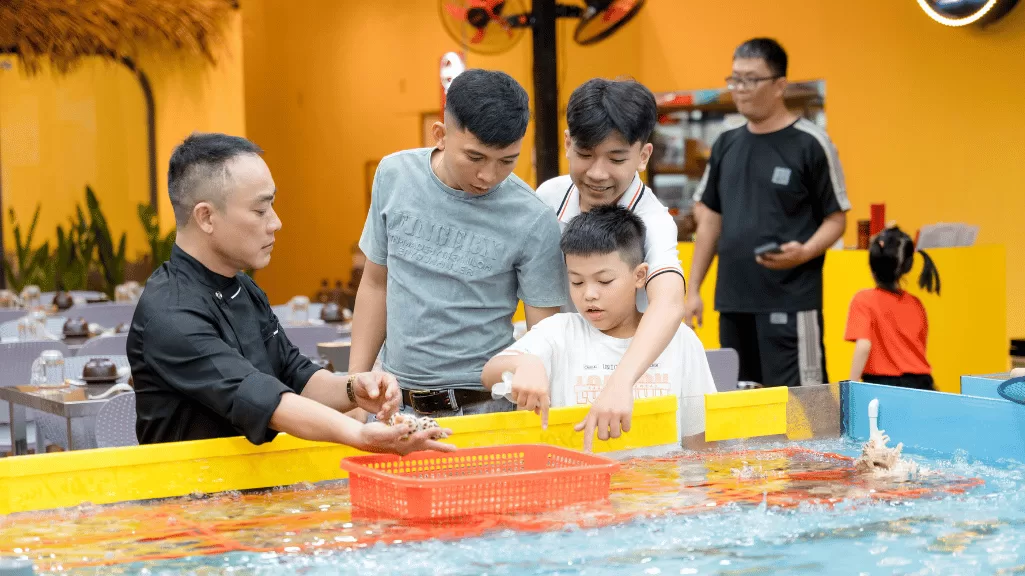
Identifying quality catches requires careful visual inspection and direct physical check. Avoid relying solely on verbal sales claims without performing basic freshness checks.
Combining a seasonal Da Nang seafood dining experience with hands-on inspection skills ensures your meal meets high quality standards. Below are practical selection techniques used by local seafood lovers.
3.1. How to Choose Fresh Seafood: Identifying Quality Shrimp, Crabs, and Blue Crabs
For prawns and lobsters, choose active swimmers in clean tanks with head segments attached tightly to the body. The shell should look glossy, with elastic joint movements upon touch.
When learning how to choose fresh seafood like crabs, press firmly on the lower abdominal apron. A hard, unyielding apron indicates solid meat, whereas a soft apron indicates water weight.
Select male crabs (small triangular apron) for dense meat or female crabs (wide semi-circular apron) for rich roe. Avoid specimens with limp legs or discolored joint segments.
3.2. How to Choose Fresh Seafood: Selecting Fish, Squid, and Shellfish
Quality marine fish must have clear eyes, prominent black pupils, and bright red or pink gills free of thick mucus. The flesh should feel resilient and spring back immediately when pressed.
Apply proper techniques for how to choose fresh seafood when selecting squid by testing muscle elasticity. Press the body gently; fresh squid recovers its original shape instantly.
For bivalves like clams and snails, choose specimens extending their breathing tubes in water. A quick shell contraction upon touch confirms the organism is healthy and alive.
3.3. Practical Tips for Selecting Fresh Da Nang Seafood at Live Tanks
When ordering at a restaurant, ask service staff to guide you directly to the oxygenated glass tank area. Selecting items yourself allows you to observe the live condition of each catch before kitchen processing.
Choosing fresh Da Nang seafood directly at the tank is the most effective way to prevent item substitution. Ensure staff weigh your chosen catches publicly in front of you using certified digital scales.
👉 Discover a detailed guide on distinguishing live tank catches from frozen stock: Fresh Seafood in Da Nang: A Comprehensive Guide to Vietnam’s Culinary Gem
4. Cost-Saving Tips for Your Seasonal Da Nang Seafood Dining Experience

Dining well on ocean catches does not require overspending. Planning your menu logically and choosing transparent venues allows you to optimize costs for your group.
These principles are derived from the practical seasonal Da Nang seafood dining experience of seasoned food travelers. Applying these tips will help you enjoy a fulfilling feast while remaining well within your travel budget.
4.1. Prioritize Delicious Seasonal Seafood and Daily Vessels
Catches at peak harvest generally cost 15% to 30% less than out-of-season items. High market supply at fishing ports reduces long-term storage and transportation overheads.
Selecting delicious seasonal seafood guarantees superior meat texture at fair prices. Inquire with service staff about daily vessel arrivals to access optimal market rates.
👉 Explore local tips on enjoying authentic catches at reasonable prices: Affordable Seafood Selected by Local Residents
4.2. Select Appropriate Portion Sizes for Your Group
Ordering excessive food at once leads to waste and higher bills. An adult typically consumes between 300g and 400g of net seafood meat per meal.
Balance lighter starters with steamed main courses and a concluding carbohydrate dish like fried rice or porridge. For large groups, pre-designed set combos offer savings compared to à la carte ordering.
4.3. Verify Prices and Calculation Methods Before Ordering
Unlisted prices or hidden cooking surcharges can elevate your total bill unexpectedly. Request clear per-kilogram price boards before finalizing your choices.
Confirm whether listed rates include kitchen processing fees. Inspecting an itemized preliminary bill before cooking starts keeps your budget under complete control.
4.4. Choose Cooking Styles Suited for Each Catch
Simple cooking styles like lemongrass steaming, ginger steaming, or plain grilling best highlight live tank catches. Steaming preserves original ocean sweetness without requiring heavy, expensive sauces.
Save rich sauces like garlic butter, tamarind, or chili satay for hard-shell species or frozen items to complement their bolder textures.
5. Enjoying Seasonal Da Nang Seafood at Kim Seafood
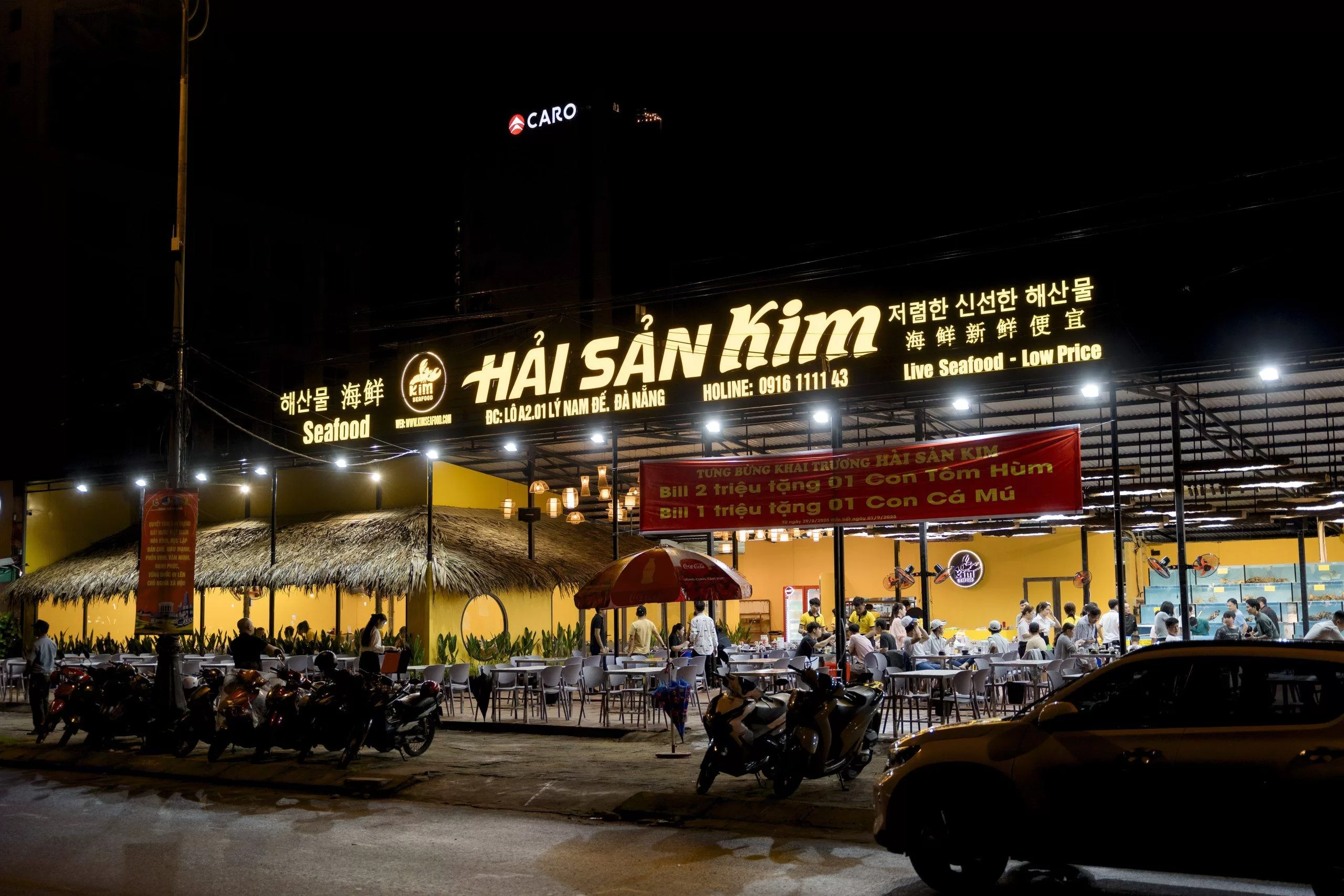
Kim Seafood is a reliable establishment to enjoy delicious seasonal seafood near Dragon Bridge. Located at A2.01 Ly Nam De Street, An Hai Trung Ward, Son Tra District, Da Nang, the venue offers easy access to central attractions.
5.1. Selecting Catches at Kim Seafood
Kim Seafood features a multi-tiered oxygenated glass tank array, allowing guests to observe and select live catches directly. Staff assist with weighing items openly on certified digital scales before processing.
Applying a seasonal Da Nang seafood dining experience at Kim Seafood guarantees access to daily harvests at transparent rates.
5.2. Experiencing Diverse Culinary Preparation Styles
Guests can choose from an array of prawns, crabs, groupers, squid, and shellfish prepared according to personal preference. Chefs focus on balanced seasoning to preserve the natural taste of the sea. If traveling with family or friends, discuss group size with staff to receive tailored portion advice.
5.3. Combining Seafood Dining with Watching Dragon Bridge
Positioned just a short stroll from Dragon Bridge, Kim Seafood allows guests to combine dinner with weekend sightseeing. On Friday, Saturday, and Sunday nights, visitors can easily watch the 21:00 fire and water show. Reserving a table in advance is recommended during peak hours.
6. Important Guidelines for a Safe Seasonal Da Nang Seafood Dining Experience
In addition to ingredient inspection and venue choice, keep key health precautions in mind for a safe dining trip. Applying a complete seasonal Da Nang seafood dining experience helps prevent unexpected allergic reactions or digestive issues.
6.1. Do Not Assume All Seasonal Da Nang Seafood Is Available Year-Round
Weather variations mean menu availability changes across different seasons. Avoid forcing an order for out-of-season items if a venue reports them out of stock.
Understanding seasonal Da Nang seafood cycles lets you switch smoothly to alternative peak-season catches of equal quality. This flexibility guarantees that the dishes served on your table meet peak freshness standards.
6.2. Avoid Choosing Restaurants Solely Based on Cheap Prices
Price matches ingredient quality. Unusually low prices often indicate weak catches, heavy water weight, or uncalibrated scales.
Choose establishments with clear price boards and certified digital scales. Paying a fair rate for verified live catches ensures safety and culinary satisfaction.
6.3. Prioritize Thoroughly Cooked Seafood Dishes
Rich seafood protein can cause digestion issues for sensitive stomachs if consumed raw. Limit raw or undercooked preparations if you are unaccustomed to coastal food culture.
Request thorough steaming, boiling, or hotpot preparation to eliminate bacteria while retaining natural sweetness.
6.4. Balance Portion Sizes and Individual Dietary Needs
Consider the dietary requirements of all family members. Seniors and young children benefit from light, digestible dishes such as oyster porridge, fish soup, or steamed prawns.
Avoid heavy, high-protein meals late at night. Pair seafood with fresh green vegetables and fruit juice to maintain balanced digestion.
7. Conclusion
Enjoying a complete coastal feast in Da Nang requires selecting catches aligned with natural weather cycles. A well-planned seasonal Da Nang seafood dining experience ensures you sample firm, sweet meat while managing your travel budget effectively.
Remember to inspect ingredient condition at the live tanks and choose reputable restaurants with transparent pricing. For fresh catches near Dragon Bridge, visit Kim Seafood for a memorable dining experience.
👉 Read more: Experience Eating Seafood in Da Nang: Fresh, Delicious, and Worthy
Contact Information for Kim Seafood:
-
Address: Kim Seafood, A2.01 Ly Nam De Street, An Hai Trung Ward, Son Tra District, Da Nang, Vietnam
-
Hotline/Phone: 0935146678
-
Opening Hours: 10:00 AM – 11:00 PM daily
-
Email: hello.kimseafood@gmail.com
-
Facebook Fanpage: Hải Sản KIM Seafood