Clean seafood in Da Nang: How to spot it the very fastest?
Clean seafood is the top criterion that tourists and locals always look for when coming to this city. Da Nang is one of Vietnam’s famous coastal cities with a rich and diverse source of Da Nang seafood. From fish, shrimp, and crab to mollusks like clams, snails, and cockles… all carry the characteristic flavor of the Central Coast sea. However, as the demand to eat seafood grows, many diners are starting to pay more attention to an important factor: clean seafood.
It is not just about being fresh; clean seafood is also related to origin, preservation methods, and processing procedures. For tourists or those without much experience, distinguishing between clean seafood and low-quality seafood is sometimes not easy at all.
This article will help you understand how to identify clean seafood most quickly, from direct observation of raw ingredients to evaluation after the dish has been prepared.
🌊 Why are many people concerned about clean seafood when eating in Da Nang?
Growing demand for seafood enjoyment
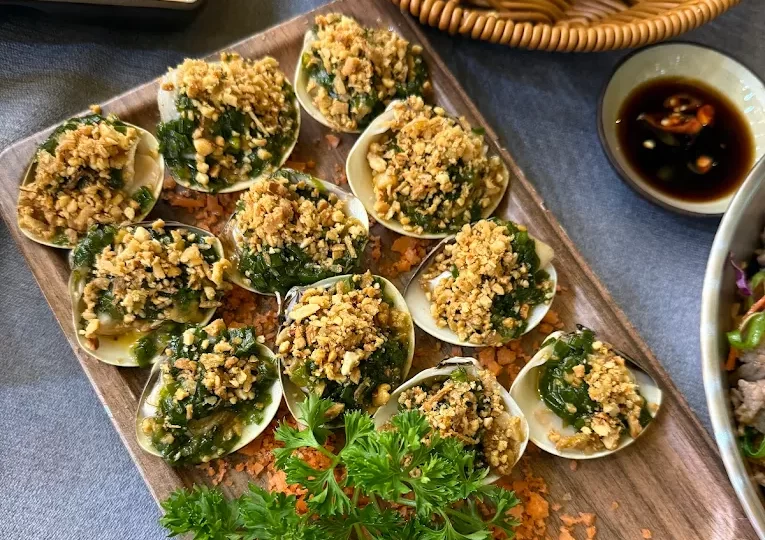
Da Nang is a coastal city with abundant seafood resources, so enjoying seafood has become a familiar part of the culinary culture here. Not only locals but also domestic and international tourists visiting Da Nang often want to experience delicious Da Nang seafood dishes.
From seaside stalls to large Da Nang seafood restaurants, diners can easily find many attractive dishes such as grilled shrimp, tamarind crab, steamed fish, or signature snail dishes. However, as the number of restaurants increases, choosing a place that serves clean seafood becomes more important than ever.
Diners today are not only interested in flavor but also pay attention to the safety and quality of ingredients. Therefore, learning how to identify clean seafood will help you have a better dining experience.
Unclean seafood can affect the dining experience
Seafood is a type of food very sensitive to time and temperature. If not preserved correctly, after just a short period, the quality of seafood can drop significantly. This makes the seafood meat soft, bobby, or lose its natural sweetness.
In many cases, using seafood that does not guarantee quality also makes the dish lose its characteristic ocean flavor. Instead of feeling the natural thanh sweetness, diners only feel a fishy smell or overly heavy seasoning.
Therefore, choosing clean seafood not only makes the meal more delicious but also helps you feel secure when eating seafood with family and friends.
Clean seafood helps preserve the full natural sweetness
The most attractive point of delicious seafood dishes is the natural sweetness from fresh meat. When ingredients meet the clean seafood standard, chefs only need to use simple processing methods to create attractive dishes.
For example, steamed seafood dishes usually only need a little ginger, lemongrass, or green onion to highlight the natural sweetness of the ingredients. This shows that seafood quality plays a much more important role than using too much seasoning.
Because of this, many experienced diners prioritize restaurants that focus on clean seafood sources, as they understand this is the deciding factor for the flavor of the entire meal.
🔎 5 signs to identify clean seafood just by looking with your eyes
Natural shell and meat color
One of the simplest ways to identify clean seafood is to observe the external color of the ingredients. Fresh seafood usually has a bright, natural color and is not dull. For example, fresh shrimp will have a clear shell, with the body being slightly bluish or pale pink.
For crabs and flower crabs, the shell must be hard and have characteristic colors without strange spots. Fresh fish has shiny skin, firmly attached scales, and no peeling. These signs show that the seafood has just been caught or preserved correctly.
Conversely, if you see seafood with pale colors, soft shells, or unusual slimy layers, it is very likely not clean seafood.
Seafood still moving or having good reflexes
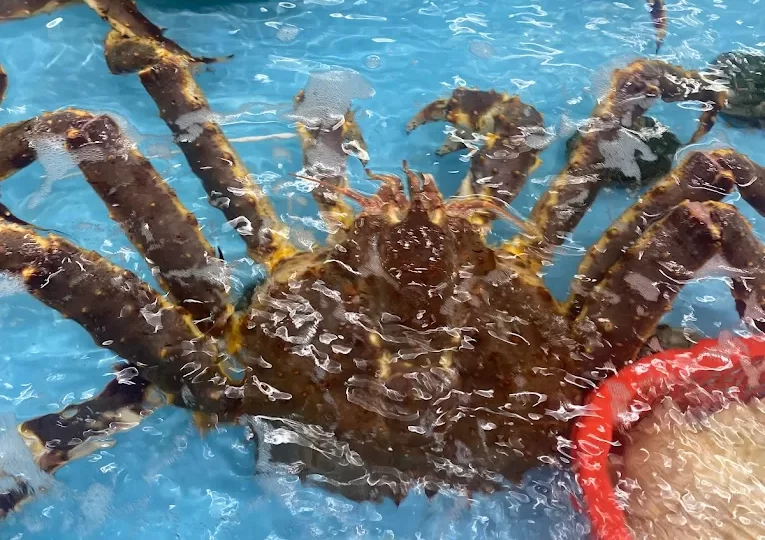
An easy-to-see characteristic of live seafood is its ability to move. Fresh shrimp usually jump strongly when touched, crabs reflex by raising their claws, and fish will swim fast when there is external impact.
These signs show that the seafood is still healthy and has not been weakened by long-term preservation. Therefore, many restaurants often display live seafood tanks so customers can observe directly.
If the seafood in the tank moves slowly or almost does not react, you should consider carefully before choosing.
👉 See more: Fresh seafood – a clear difference in quality and natural flavor
Clear fish eyes and red gills
For fish, the two parts that help identify freshness most clearly are the eyes and gills. Fish belonging to the clean seafood category usually have clear, bright, and slightly bulging eyes. The fish gills will be bright red or pale pink.
On the contrary, if the fish eyes are cloudy, sunken inward, or the gills turn brown, it shows that the fish has been kept for a long time and is no longer fresh. These small details can help you quickly assess fish quality before deciding to choose a dish.
No strange odors
One of the important signs of clean seafood is the smell. Fresh seafood usually has a characteristic light sea smell, slightly salty and not too pungent. This is a natural smell that you can easily recognize.
If the seafood has a harsh fishy smell or strange odors, it is very likely the ingredients have started to decline in quality. In this case, even with careful processing, the dish is unlikely to retain a good flavor.
Clean seafood tanks and clear water
In many seafood restaurants, the seafood tank is where the level of care and preservation of ingredients is most clearly reflected. Clean tanks, clear water, and a continuously operating filtration system usually show that the restaurant focuses on clean seafood sources.
Additionally, tidily arranging seafood in the tank is also a sign that the restaurant has a good management process. This is a factor that helps guarantee seafood quality before being processed.
🦞 Identifying clean seafood through the restaurant’s preservation method
Seafood is classified separately
A small but very important detail is the classification of seafood in the tank. Shrimp, crabs, fish, and mollusks are usually kept separately to avoid them affecting each other.
This classification method helps manage clean seafood sources more effectively, while reducing the risk of seafood being stressed or dying during the preservation process.
Do not leave dead seafood mixed in the tank
In clean seafood tanks, staff regularly check to remove weak or dead individuals. This helps avoid affecting the quality of the remaining ones.
This is a small factor but demonstrates the professionalism of the restaurant.
Allowing customers to choose seafood directly
Many restaurants now allow customers to choose ingredients directly from the tank. This helps diners feel more secure knowing that their dish is prepared from clean seafood.
In addition, direct selection also brings a more interesting experience when eating seafood.
Seafood tanks filtered continuously
Restaurants specializing in serving live seafood often invest in modern water filtration systems. This system helps maintain a clean water environment, stable temperature, and provides enough oxygen for the seafood.
Thanks to this, seafood can live healthily in the tank and maintain good quality until processed. This contributes to ensuring the source of clean seafood for diners.
🍽️ How to identify clean seafood after processing
Firm meat and not bobby
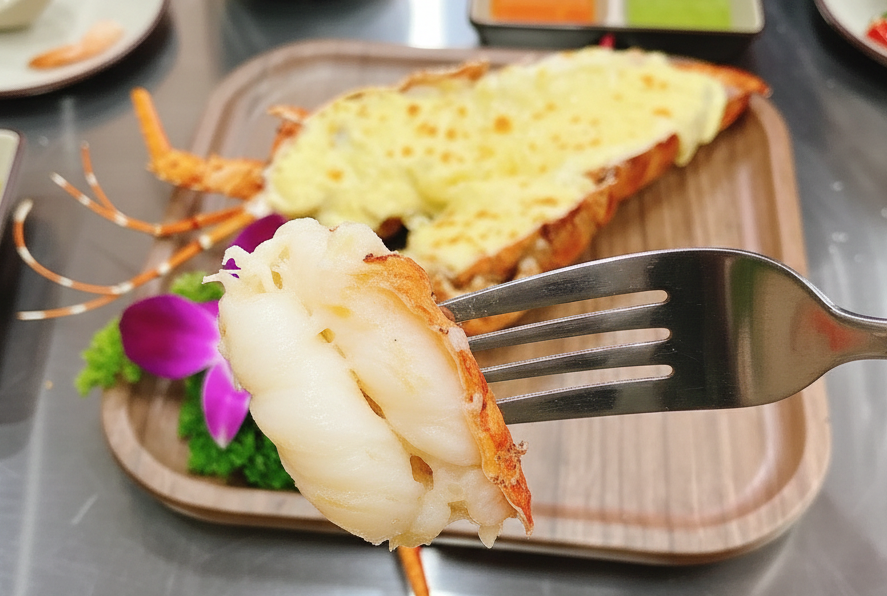
After processing, clean seafood usually has a firm meat structure and good elasticity. When biting into it, you will feel the natural slight chewiness of shrimp, crab, or fish meat. This is a sign showing the ingredients remained fresh before processing.
On the contrary, if the seafood meat is mushy, bobby, or easily breaks when picked up, it is very likely the ingredients have been left for a long time or are no longer fresh. For example, fresh shrimp when steamed or grilled will have firm meat and keep its natural sweetness. If the shrimp feels bobby or bland, it could be a sign that the ingredients do not meet the clean seafood standard.
Therefore, when eating seafood, you should pay attention to the meat structure of the dish. This is one of the simple but effective ways to assess ingredient quality after processing.
Natural sweetness without needing much seasoning
A prominent feature of clean seafood is the natural sweetness from fresh meat. When ingredients reach good quality, chefs usually do not need to use too many spices to create flavor for the dish. Just a little salt, pepper, or ginger is enough to highlight the characteristic sweetness of the sea.
Conversely, if the dish is seasoned too heavily or uses many strong spices, sometimes that could be a way to hide the imperfect quality of the ingredients. This is especially easy to notice in stir-fried or grilled dishes with lots of sauce.
Therefore, when enjoying seafood, simple processing methods are often the best choice to clearly feel the freshness and quality of clean seafood.
Steamed seafood dishes keep the full sweetness
In many seafood processing methods, steaming is the way to keep almost the entire natural flavor of the ingredients. Steamed seafood dishes usually do not use much seasoning, helping diners clearly feel the sweetness and characteristic aroma of the sea.
For example, ginger steamed fish, lemongrass steamed shrimp, or beer steamed crab are popular dishes in many Da Nang seafood restaurants. When the ingredients are clean seafood, these dishes will have a very thanh and easy-to-eat flavor.
Additionally, steaming helps retain the succulence of the seafood meat. This makes the dish more attractive and suitable for many types of diners.
👉 See more: Seafood experience in Da Nang: Fresh, delicious and worthy
Grilled dishes still retain succulence
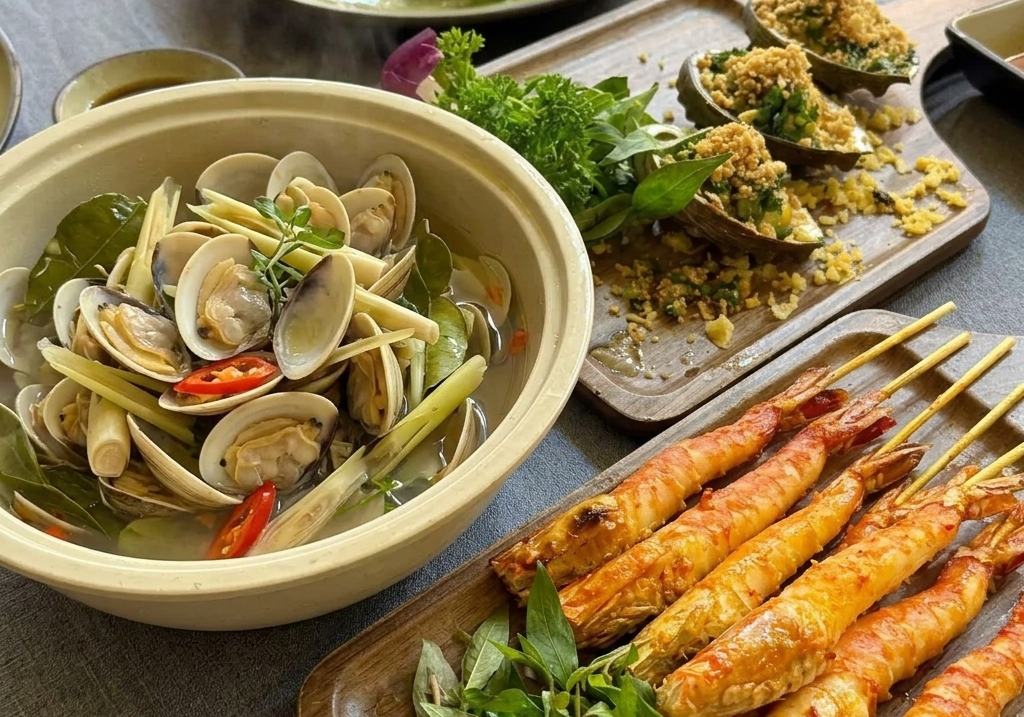
Besides steaming, grilling is also a popular processing method when eating seafood. However, if the ingredients are not fresh enough, grilled dishes easily become dry and lose flavor.
When using clean seafood, grilled dishes will retain succulence inside the meat. The outer shell may be slightly charred, but the meat inside remains soft and sweet. This is especially clear in dishes like salt and chili grilled shrimp, grilled squid, or grilled snails with scallion oil.
Because of this, many experienced people often assess the quality of clean seafood through grilled dishes, as this processing method easily reveals the freshness of the ingredients.
⚠️ Common mistakes when evaluating clean seafood
High price does not mean clean seafood
A fairly common mistake of many diners is thinking that the higher the price, the better the seafood. In reality, seafood prices can be affected by many different factors such as restaurant location, operating costs, or seasonal timing.
The most important thing is still the origin and preservation method of the ingredients. A moderately priced restaurant that focuses on clean seafood sources can still bring a much better dining experience than places with high prices but unstable quality.
Therefore, when going to eat seafood, you should pay attention to how the restaurant displays and preserves seafood instead of just looking at the price.
Big seafood is not necessarily delicious
Many people tend to choose large-sized shrimp, crabs, or fish thinking they will be more delicious. However, size does not always reflect quality.
In many cases, medium-sized seafood that is still fresh has sweeter and firmer meat. Conversely, overly large seafood can sometimes be chewy or have less flavor.
The most important thing is still ensuring the ingredients belong to the clean seafood category and are preserved correctly.
Heavy seasoning can hide freshness
Some grilled seafood dishes or stir-fried dishes often use many seasonings like chili, garlic, butter, or special sauces. These spices can make the dish more attractive, but sometimes they can also hide the true freshness of the ingredients.
Therefore, if you want to accurately assess the quality of clean seafood, you should try dishes with simple processing like steaming or boiling.
Not checking the seafood tank
Many diners, when entering a restaurant, often just look at the menu and order without paying attention to the seafood tank. However, this is the place that helps you quickly assess the quality of ingredients.
Observing the seafood tank, water color, and how seafood is arranged can help you know if the restaurant focuses on clean seafood sources or not.
💡 Tips to help you enjoy seafood deliciously and with peace of mind
Prioritize specialized seafood restaurants
Restaurants specializing in serving Da Nang seafood usually have experience in selecting and preserving ingredients. They often have stable supply sources and understand clearly how to keep seafood always fresh before processing.
This ensures diners can enjoy clean seafood with the best flavor. In Da Nang, many seafood restaurants also focus on this factor, of which Kim Seafood is a location chosen by many diners thanks to its live seafood tanks and the process of selecting ingredients directly before processing.
Choose places with fresh seafood sources every day
One of the important factors of clean seafood is the time from catching to processing. Restaurants that import live seafood every day often have an advantage in freshness and quality.
Thanks to that, the dishes when served will keep the natural sweetness and firmness of the meat.
Eat in groups to try many dishes
A seafood meal with friends or family usually brings a more interesting experience than eating alone. When going in a group, you can order many different dishes to try various seafood processing methods.
This helps you easily evaluate the quality of clean seafood through many different dishes.
Ask staff for suitable processing methods
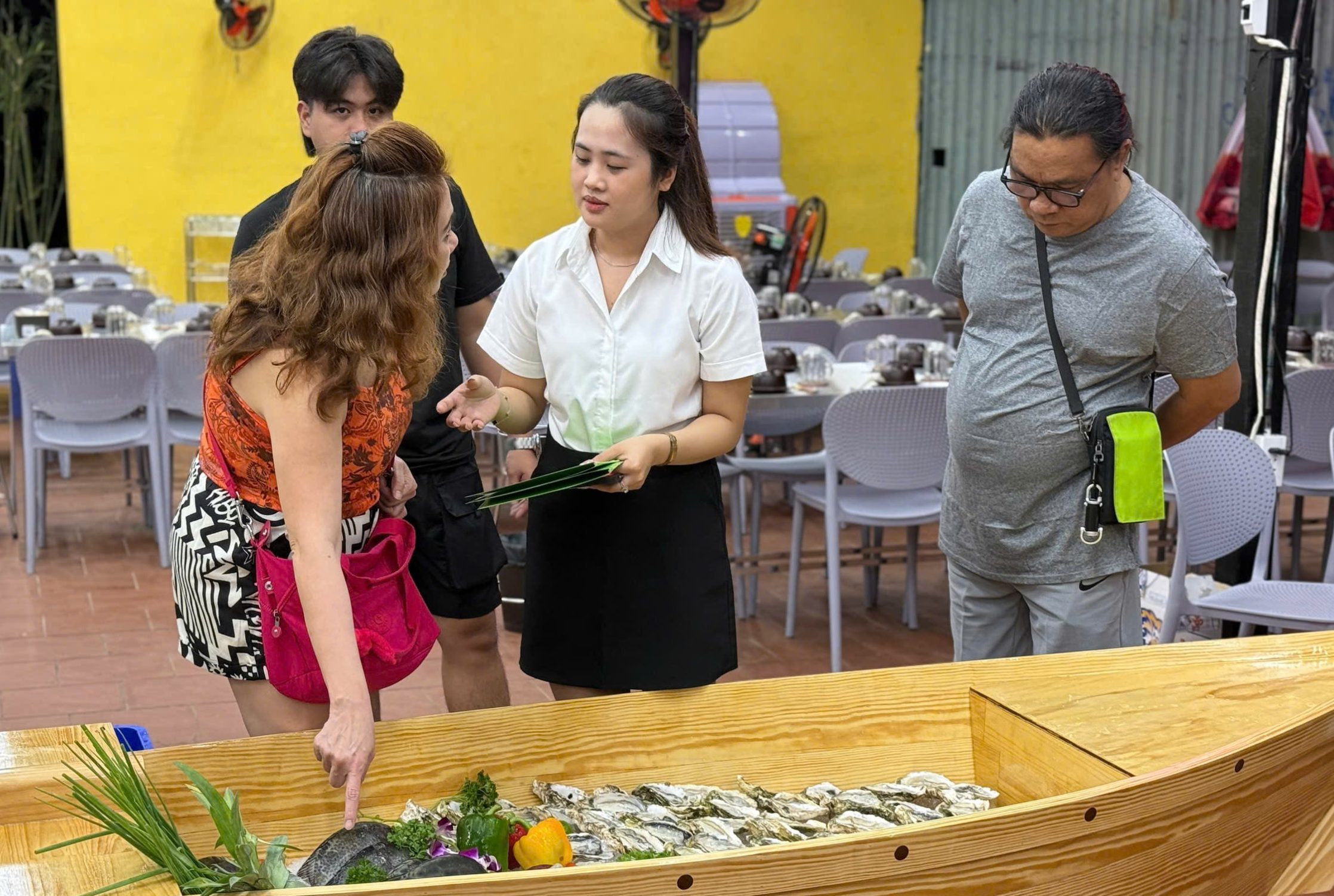
Staff at seafood restaurants usually have experience in suggesting suitable processing methods for each type of ingredient. For example, fresh fish is often best when steamed, while shrimp or squid are suitable for grilling.
These suggestions help diners make the most of the quality of clean seafood and have a more complete culinary experience.
In Da Nang, many seafood restaurants also focus on consulting dishes for customers, helping them enjoy seafood correctly and in accordance with their taste.
👉 See more: Enjoy seafood in the right order for full flavor
❓ Q&A – Frequently asked questions about clean seafood
1. Is frozen seafood clean seafood?
Frozen seafood can still guarantee quality if frozen according to the correct process immediately after catching. However, in terms of flavor, fresh live clean seafood usually retains better sweetness and succulence.
2. Why is steamed seafood usually sweeter?
Steaming is the method that retains almost all the water and natural flavor of clean seafood. Because it doesn’t use much seasoning, the sweetness of the seafood meat will be perceived more clearly.
3. Should you eat raw seafood?
Some types of seafood can be eaten raw if the origin and strict preservation process are guaranteed. However, you should choose reputable restaurants to ensure the quality of clean seafood.
4. How to eat seafood correctly when traveling?
When traveling in Da Nang, you should choose Da Nang seafood restaurants that have live seafood tanks and allow customers to choose ingredients directly. This helps you feel more secure when enjoying delicious seafood dishes.
📝 Conclusion
Identifying clean seafood is not too difficult if you pay attention to a few important details such as color, smell, preservation method, and meat structure after processing. These simple experiences can help you avoid low-quality choices when eating seafood.
When choosing the right location and understanding how to eat seafood correctly, you will have the opportunity to fully enjoy the natural sweetness of the sea and turn every seafood meal into a memorable culinary experience in Da Nang.
Contact Information:
- Address: Kim Seafood, A2.01 Ly Nam De Street, An Hai Trung Ward, Son Tra District, Da Nang, Vietnam.
- Phone: 0916111143
- Opening Hours: 10:00 AM – 11:00 PM
- Email: hello.kimseafood@gmail.com
- Facebook Fanpage: Hải sản KIM Seafood