Authentic Korean-Style Seafood Hotpot at Kim Seafood Da Nang
Discover 5 distinctive seafood hotpot styles at Kim Seafood Da Nang — from a light tomato-and-gourd broth to a bold Thai lemongrass pot — each built on a different broth base and suited to a different table. Fresh ingredients sourced daily, broths made from scratch, and a multilingual menu that means every guest at the table can order exactly what they want.
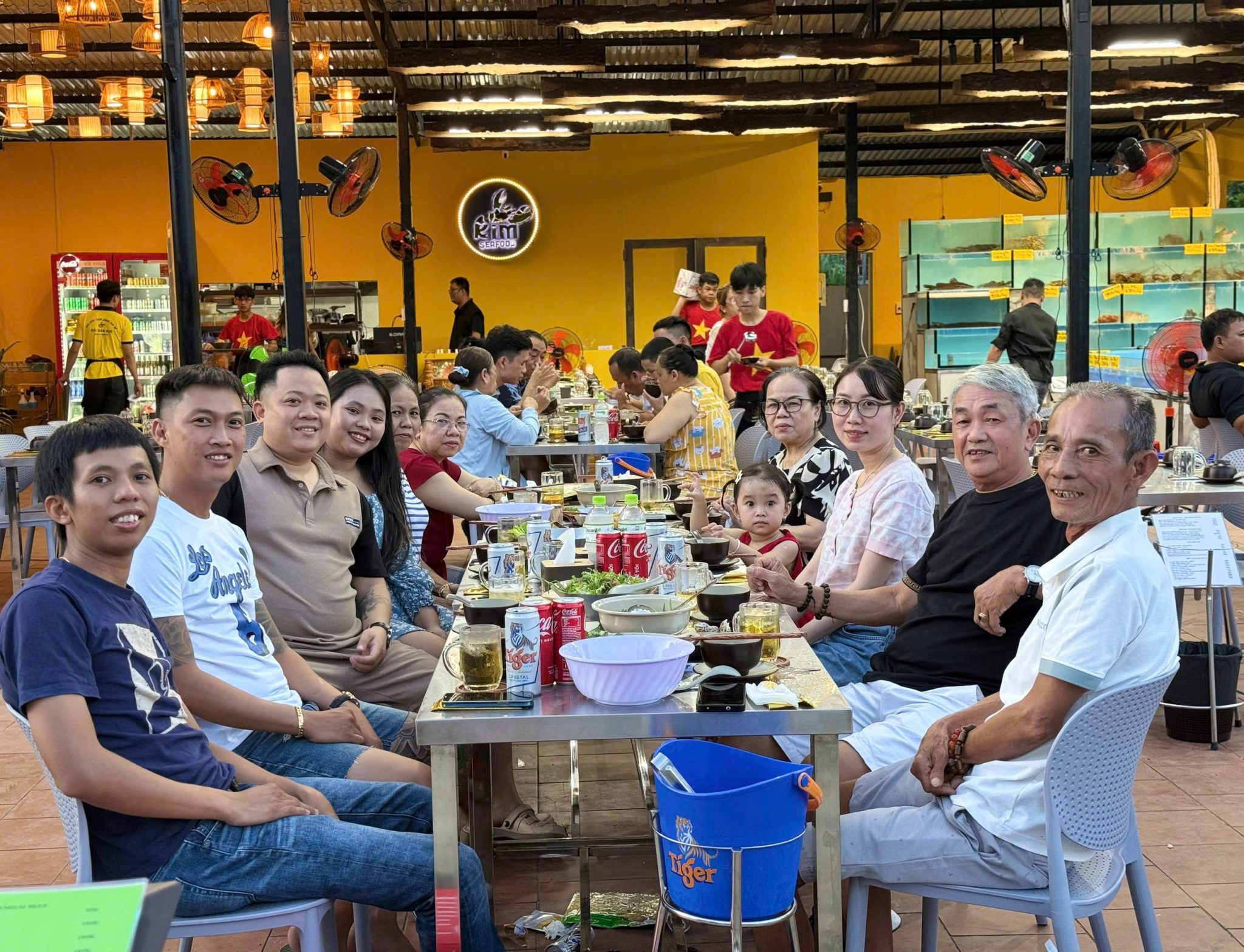
Finding a good seafood hotpot in Da Nang is not difficult. Finding a place with enough variety — from a clean, lightly sour broth to a deeply spiced and aromatic pot — while still guaranteeing fresh ingredients every single day, is another matter entirely.
Kim Seafood has 5 seafood hotpot styles on the menu, each built on a distinct broth and suited to a different kind of group. This guide walks through each one — so the next time you sit down, you already know which seafood hotpot to order and why.
Why Seafood Hotpot Is the Ideal Group Meal in Da Nang
A seafood hotpot has a quality that few other dining formats share: it works equally well for large groups and small ones, for those who eat spicy food and those who don’t, for guests who want a full spread of seafood and those who prefer something lighter.
Everyone at a seafood hotpot table dips at their own pace and to their own taste. No one is stuck waiting for a dish they didn’t order. No compromises on flavour because the majority chose something else. This is why a seafood hotpot is consistently the first choice when a large group with varied preferences wants to share one table.
Korean diners in particular are intimately familiar with this format — the communal hotpot is one of the most natural dining experiences in Korean food culture. Arriving at Kim Seafood and finding five well-developed seafood hotpot styles, each with its own broth and character, is the kind of discovery that turns a first visit into a habit.
Broth Quality — The Factor That Defines the Entire Pot
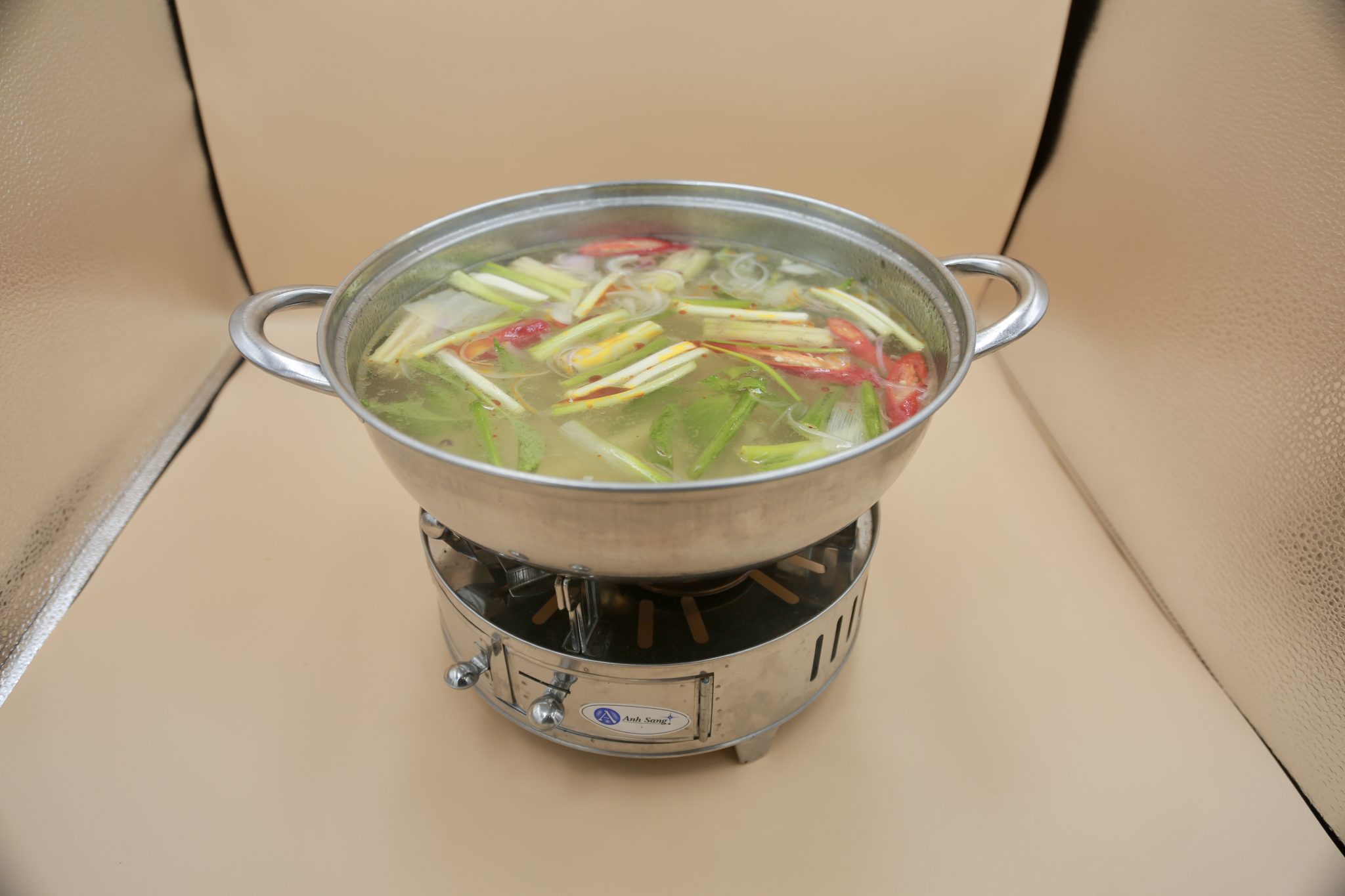
In a seafood hotpot, the broth is not just a medium for cooking the ingredients — it is the soul of the entire pot. A broth built from fish bones, prawn heads, or the specific aromatics characteristic of each hotpot style produces a depth of flavour that no powdered mix can replicate.
The sign of a properly made seafood hotpot: the more ingredients you add, the sweeter and more complex the broth becomes. Fresh seafood releases natural juices that enrich the pot with every round. This is what experienced hotpot diners notice in the very first sip — a living broth that improves as the meal progresses, rather than one that simply stays flat throughout.
Fresh Ingredients — Something Technique Cannot Replace
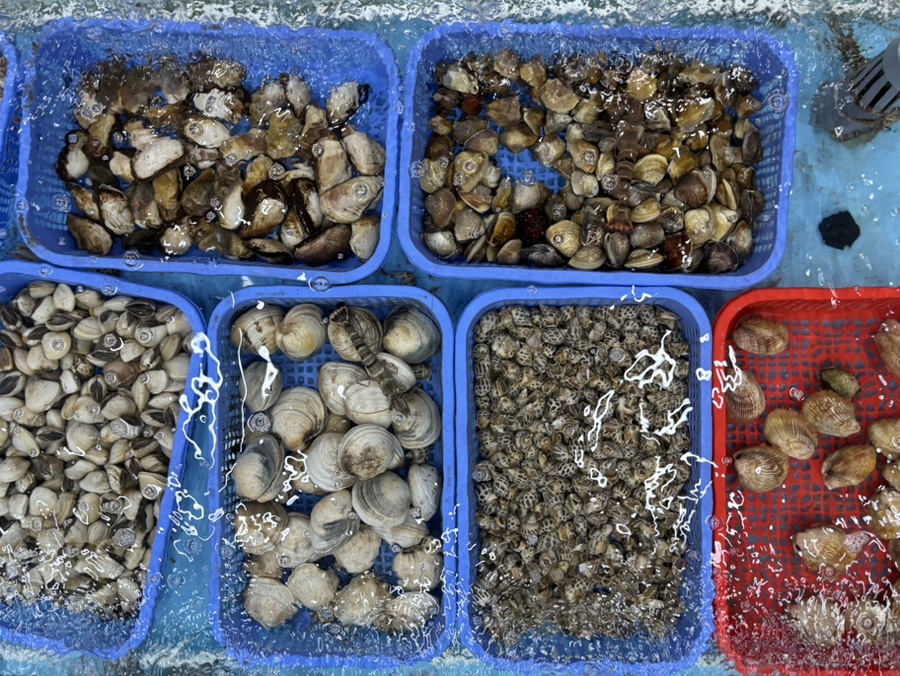
Seafood that is not genuinely fresh will release a fishy odour into a hotpot broth, cloud the liquid, and drag the entire pot downward in quality. No amount of seasoning can correct a broth once that has happened.
Kim Seafood sources its seafood from local fishing ports each morning. Ingredients are used the same day and not carried over. This has a direct impact on hotpot quality: every portion of fresh seafood added to the pot enriches the broth rather than compromising it. A seafood hotpot made with genuinely fresh ingredients tastes visibly different — and the broth tells the story.
👉 Watch more Kim Seafood – The Most Famous Korean-Style Seafood in Da Nang
5 Seafood Hotpot Styles at Kim Seafood — Each Pot Its Own Character
The seafood hotpot menu at Kim Seafood includes 5 distinct styles, each with its own broth base, accompanying ingredients, and ideal guest profile. No style is objectively better than another — only more or less suited to the specific group and occasion sitting around the table.
Prawn and Gourd Tomato Hotpot — Light, Clean, and Universally Accessible
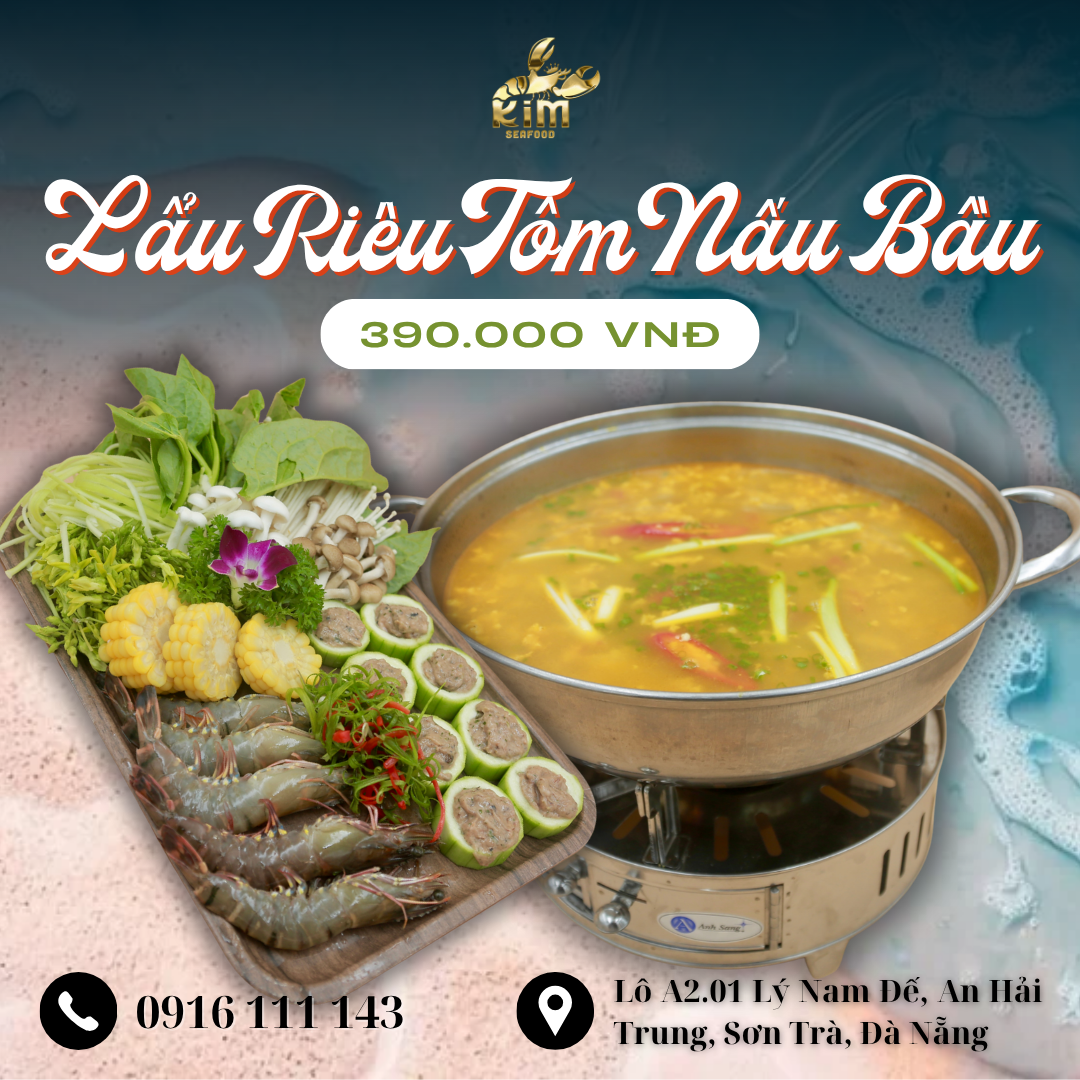
The Prawn and Gourd Tomato seafood hotpot is built on a lightly sour broth base made from tomatoes combined with the natural sweetness of slow-simmered prawn heads. The addition of gourd brings a gentle vegetable sweetness that keeps the pot from becoming too rich.
This is the most accessible seafood hotpot style for groups that include guests who do not eat spicy food or are unfamiliar with strong fermented flavours. The sourness from the tomatoes is clean and mild — prawns cooked in this broth stay juicy and retain their natural sweetness without being overwhelmed by acidity.
The Prawn and Gourd Tomato hotpot is the most frequently chosen seafood hotpot style for family dinners that include older guests and children — no one has to avoid it because it is too strong or too spicy. It is also the most commonly ordered seafood hotpot among international guests experiencing Vietnamese hotpot for the first time.
Thai-Style Seafood Hotpot — Sour, Spicy, and Sweet in One Pot
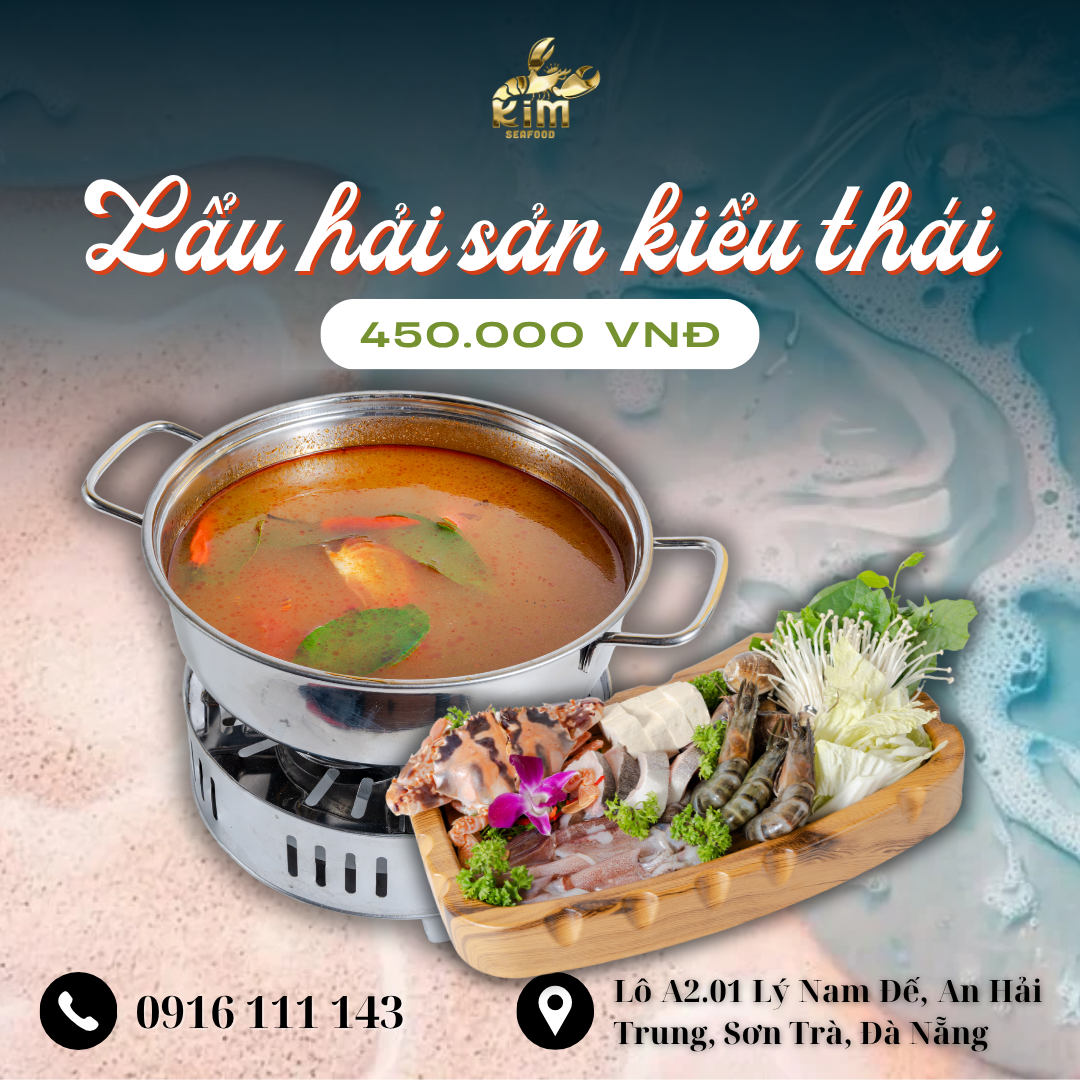
The Thai-style seafood hotpot is the most frequently ordered pot at Kim Seafood. Its broth combines lemongrass, kaffir lime leaves, chilli, and coconut water to produce a layered aromatic profile — sour, spicy, and sweet are not separate elements here, but woven into a single unified flavour.
The strength of this seafood hotpot style is its broad compatibility with different types of seafood. Prawns, squid, fish, clams — each brings out its natural flavour when cooked in a Thai-style base. Nothing gets lost or tastes out of place in the pot.
This is the seafood hotpot style best suited to groups who want bold flavours and can handle moderate heat. Korean guests at Kim Seafood are especially drawn to this style — the lemongrass and kaffir lime aromatics create an experience that is distinctly different from the hotpot styles they are familiar with at home, which is part of the appeal. European guests who enjoy Southeast Asian cuisine also consistently gravitate toward the Thai seafood hotpot when they want something new.
Grouper and La Giang Leaf Hotpot — Indigenous Sourness, Rarely Done Right
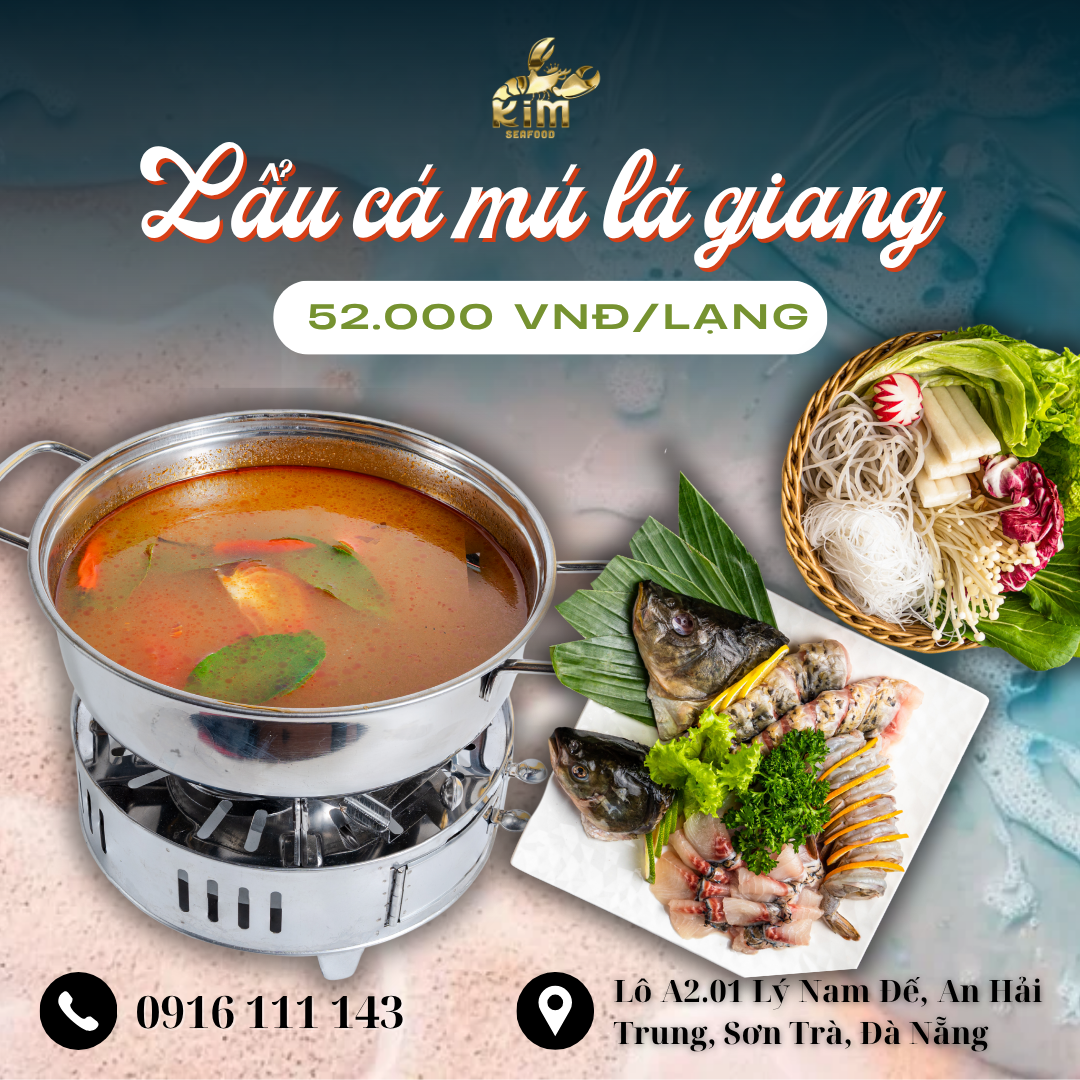
La giang is a leafy herb native to central Vietnamese cuisine that produces a sourness entirely from the plant itself — not from tamarind, vinegar, or tomato. When combined with fresh grouper, the broth develops a gentle, naturally sour depth with no artificial undertone.
Grouper is a firm-fleshed, low-bone ocean fish with a distinctive natural sweetness. In a la giang seafood hotpot, each portion of fish added to the pot gradually deepens the broth. This is a seafood hotpot style rooted in the food culture of central Vietnam — and one that few restaurants in Da Nang execute correctly, because it depends entirely on the freshness of the fish and the quality of the la giang leaves.
For guests who want a seafood hotpot experience that is genuinely local to Da Nang and the central Vietnamese coast — this is a style that is rarely found on standard restaurant menus and rarer still when done with full integrity.
Frog and Bamboo Shoot Hotpot — A Departure, Not for Everyone
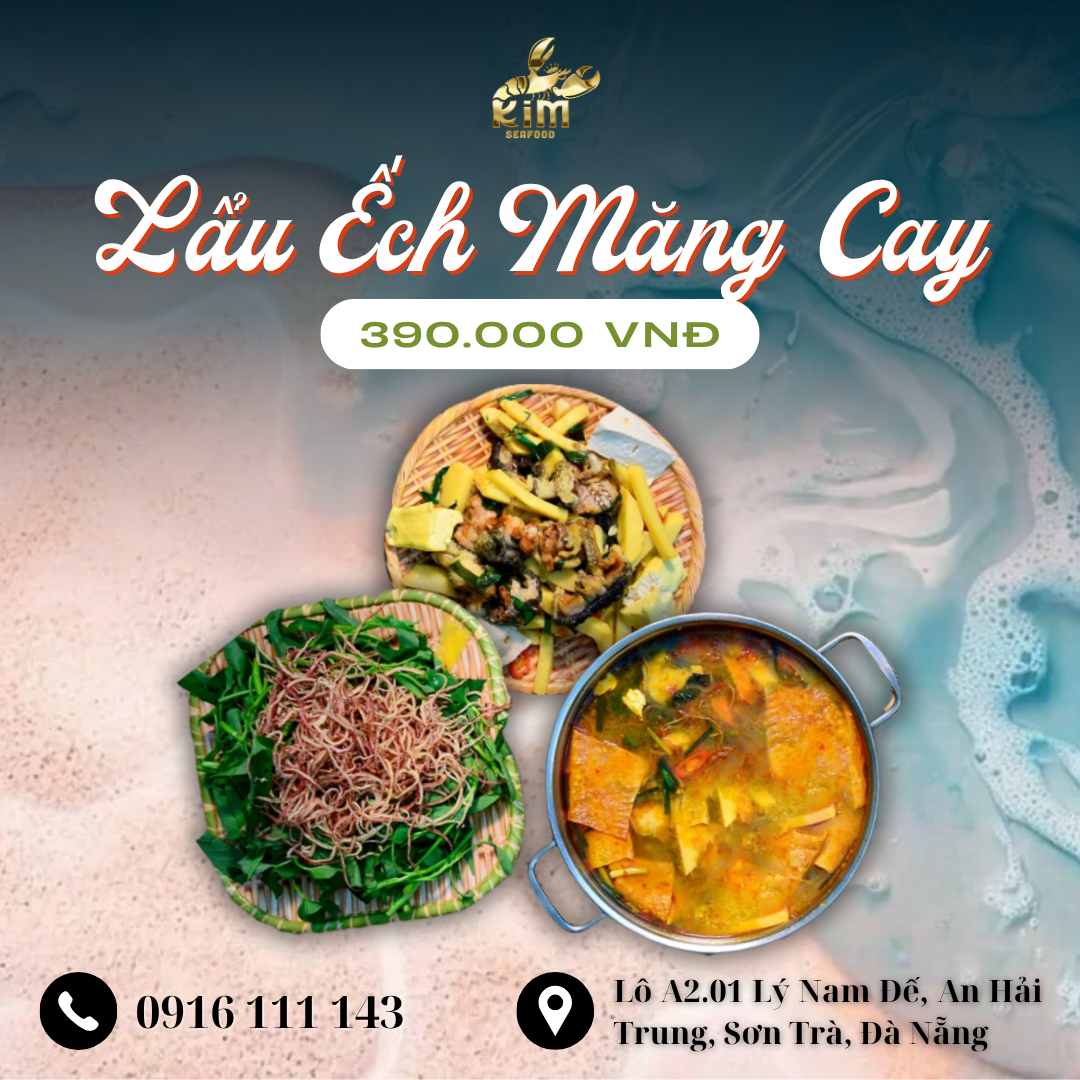
The Frog and Bamboo Shoot hotpot is the only style on the Kim Seafood menu that does not use seafood as its primary ingredient. Its chilli-based broth combined with the mild bitterness of fresh bamboo shoots creates a flavour profile entirely distinct from the other four seafood hotpot styles.
Frog meat has a natural firmness that holds up through repeated dipping without becoming soft or watery — unlike chicken or pork, which tend to break down over a long hotpot session. The light bitterness of bamboo and the heat of the chilli produce a palate stimulation that is completely different from any of the seafood hotpot options on the menu.
This hotpot is suited to groups that have already explored the standard seafood hotpot styles and want something genuinely different in the same evening. Not a style for everyone — but for those who enjoy bold, spicy food with strong flavour contrasts, it is the most interesting order on the menu.
Southern-Style Barramundi Hotpot — Gentle, Suitable for All Ages
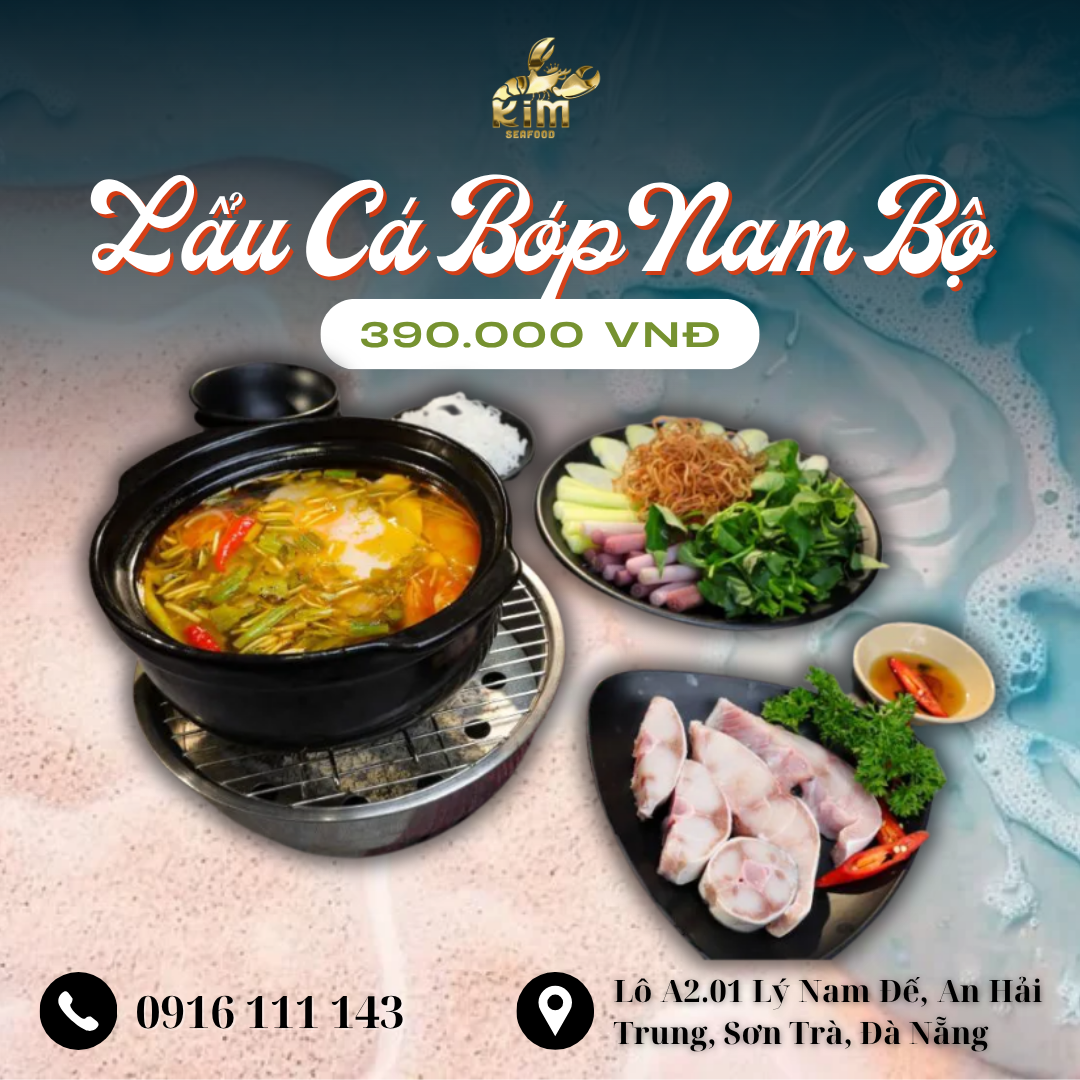
Barramundi is a white-fleshed, low-bone, mild-tasting fish with a naturally clean sweetness. The Southern Vietnamese-style seafood hotpot built around barramundi uses a light tomato broth accented with the leafy herbs characteristic of the Mekong Delta, producing a pot that is both familiar and easy to eat across all ages.
No spice, no heavy fermented notes, no unusual herbs — the Southern-Style Barramundi seafood hotpot is designed for groups who want to eat a full meal without feeling heavy or overwhelmed by intense flavours. Older guests who prefer mild food and children who are not accustomed to heat both eat this comfortably.
Among the five seafood hotpot styles at Kim Seafood, this is the mildest and the most flexible in terms of who it serves. For multi-generational families wanting to share one seafood hotpot without ordering two separate pots to accommodate different preferences — the Southern-Style Barramundi hotpot is the least contentious choice at the table.
How to Choose the Right Seafood Hotpot Style for Your Group
With five seafood hotpot styles available, the choice is not always obvious. Here is a quick decision guide based on group profile.
Groups with Children or Elderly Guests
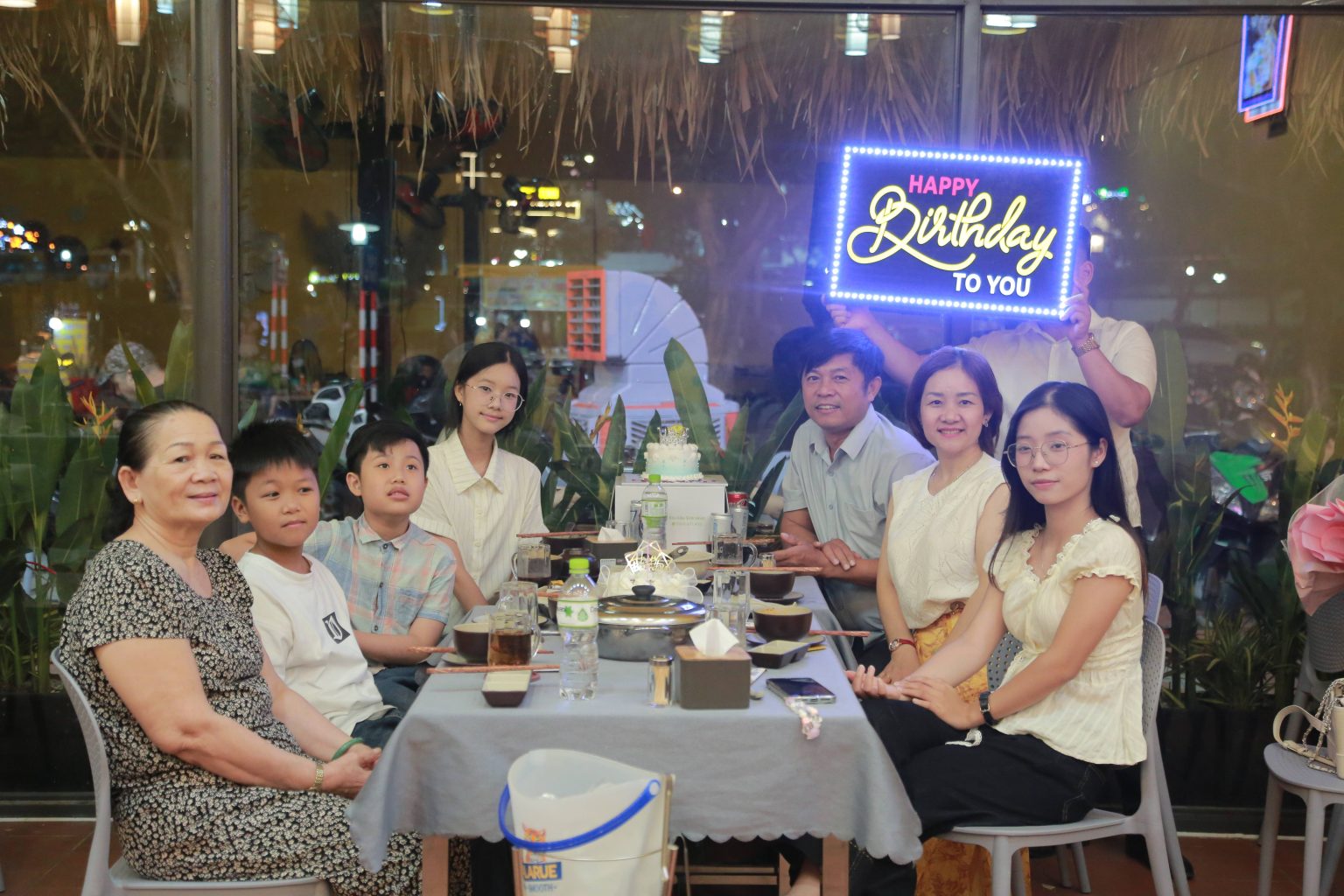
Prioritise the Prawn and Gourd Tomato hotpot or the Southern-Style Barramundi hotpot. Both seafood hotpot styles are mild, with light broths and ingredients that work for all ages. No one needs to avoid the pot because the majority chose something too intense for them.
Groups Who Want New Flavours and Can Handle Spice
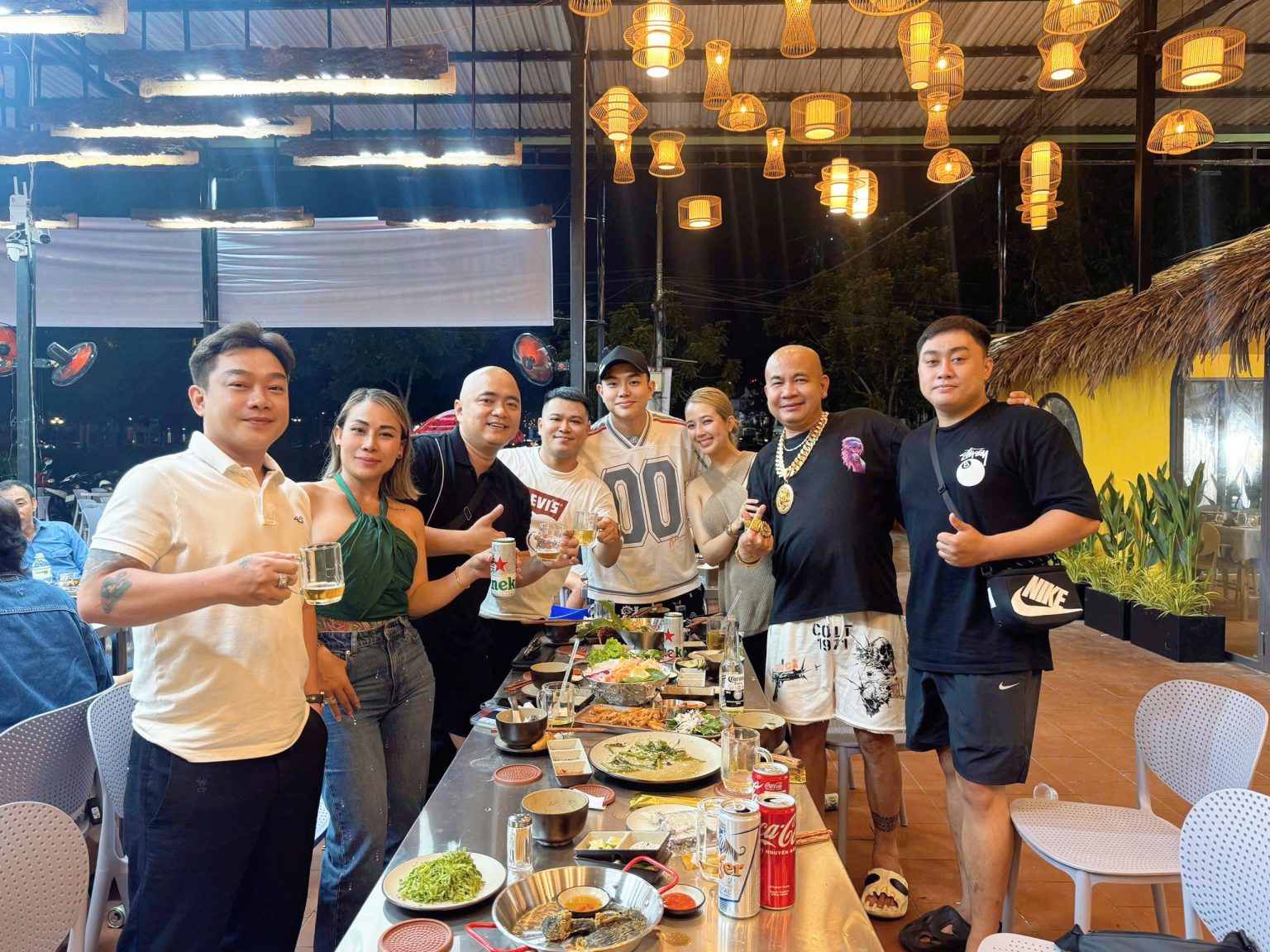
The Thai-style seafood hotpot is the clearest choice. The lemongrass and kaffir lime aromatics produce an experience that is entirely different from standard Vietnamese hotpot. For Korean guests especially, this style occupies familiar conceptual territory — a rich, aromatic communal pot — while delivering flavours that feel distinctly Vietnamese and Southeast Asian.
The Frog and Bamboo Shoot hotpot is the next option if the group wants something truly outside the norm — no seafood, no familiar flavour, but genuinely interesting enough to shift the pace of the meal.
Groups Looking for an Authentic Local Da Nang Experience
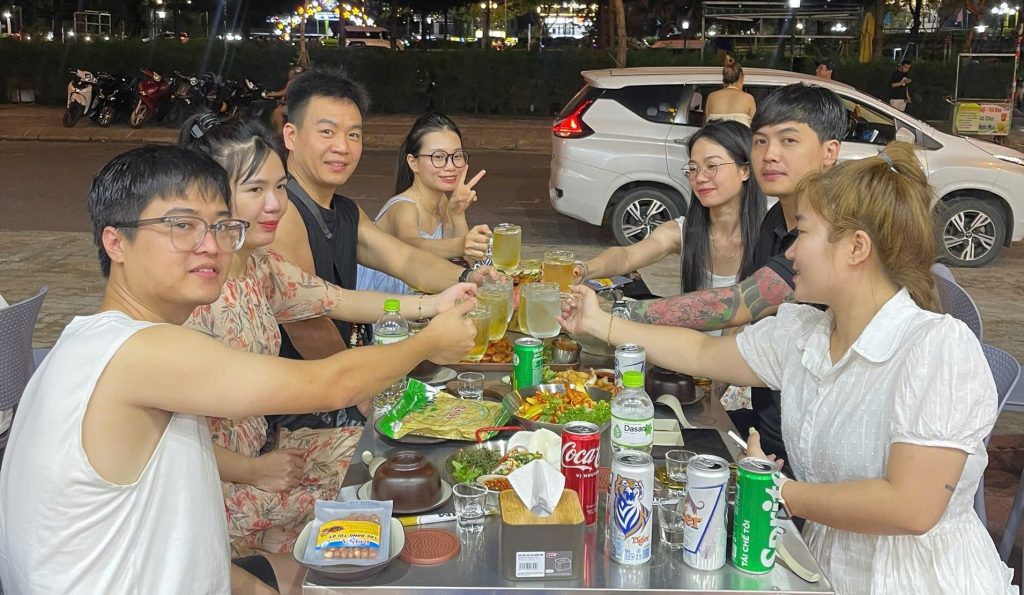
The Grouper and La Giang Leaf seafood hotpot is the style most closely rooted in central Vietnamese food culture. This is not a Hanoi specialty, not a southern Vietnamese preparation — this is how people in Quang Nam and Da Nang have cooked grouper for generations. Visitors who want to eat something genuinely local will have difficulty finding this specific seafood hotpot style anywhere else in the city.
Large Groups with Mixed Preferences
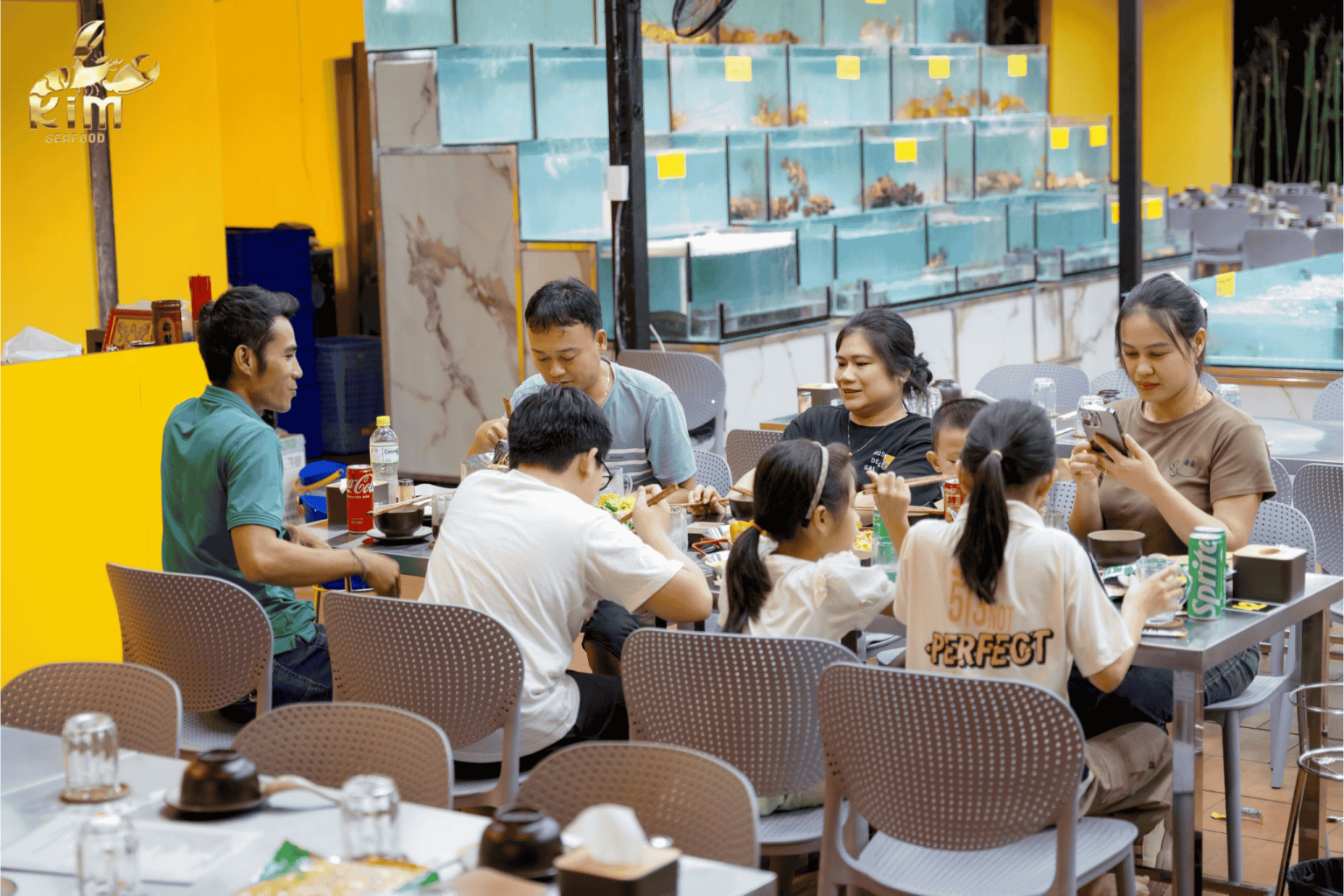
Order two different seafood hotpot styles rather than trying to find one that satisfies everyone at a large table. Pairing the Thai-style seafood hotpot with the Prawn and Gourd Tomato hotpot is the most popular combination at Kim Seafood — one bold and aromatic pot for those who want intensity, one mild and clean pot for those who prefer something lighter. The staff can advise on how many pots are appropriate for the group size.
👉 Watch more Kim Seafood Da Nang – Seafood Dining Across the Full DIFF and World Cup 2026 Summer
Practical Information Before Ordering Seafood Hotpot at Kim Seafood
A few details that make the seafood hotpot experience go more smoothly.
Book Ahead on Weekend Evenings
Kim Seafood fills up between 6:00 PM and 8:30 PM from Friday through Sunday. Groups planning to have a seafood hotpot during these hours should book a table in advance by calling 0916111143. Guests who book ahead receive a 10% discount on the total bill — a meaningful saving for a full hotpot table.
If advance booking is not possible, arriving before 6:00 PM or after 8:30 PM usually means seats are available, and staff have more time to walk the group through the hotpot options in detail.
Ask Staff for a Recommendation Before Ordering
Five seafood hotpot styles offer real choice, but also enough options to create indecision for a group that hasn’t eaten here before. Staff at Kim Seafood can advise on the most suitable style based on group size, who can handle spice and who cannot, and the overall flavour intensity the table is looking for.
This is not an upselling exercise — it is practical guidance that prevents the table from ending up with a seafood hotpot style that doesn’t match the majority’s preferences. One question before ordering typically produces a significantly better outcome than guessing from the menu.
Add Ingredients in Rounds, Not All at Once
Different types of seafood require different cooking times. Prawns and squid are ready in 1 to 2 minutes; fish needs a little longer; clams and mussels are done when the shells open naturally. Adding everything at the same time tends to result in some ingredients overcooking and tightening while others are still underdone.
Adding each type of seafood in sequence and cooking each portion to the right point is how the natural sweetness of every ingredient is preserved throughout the entire seafood hotpot session. The broth benefits from this approach as well — each successive round of fresh seafood enriches the pot without crowding it.
Frequently Asked Questions About Seafood Hotpot at Kim Seafood
How many seafood hotpot styles does Kim Seafood have?
Kim Seafood has 5 seafood hotpot styles on the menu: Prawn and Gourd Tomato, Thai-Style Seafood, Grouper and La Giang Leaf, Frog and Bamboo Shoot, and Southern-Style Barramundi. Each seafood hotpot is built on a different broth base with its own flavour profile.
Which seafood hotpot at Kim Seafood is suitable for children?
The Prawn and Gourd Tomato hotpot and the Southern-Style Barramundi hotpot are the two mildest seafood hotpot options — no spice, light broths, and ingredients that are easy to eat for children and older guests who prefer low-intensity flavours.
Is the Thai-Style Seafood Hotpot at Kim Seafood very spicy?
It has a mild to moderate heat level. The Thai-style broth combines chilli, lemongrass, and kaffir lime leaf for a spice that is noticeable but not overwhelming. Guests who prefer less heat can request an adjustment when ordering — staff will advise on the appropriate level.
Do I need to book a table in advance for seafood hotpot?
It is not required, but strongly recommended for weekend evenings. Call 0916111143 to reserve — guests who book ahead receive a 10% discount on the total bill. Advance booking also allows the kitchen to prepare the hotpot and arrange seating suited to the group size.
Does Kim Seafood use powdered broth mix for its hotpots?
No. Each seafood hotpot style at Kim Seafood is made from the actual ingredients characteristic of that style — the Thai hotpot uses fresh lemongrass, kaffir lime leaves, and coconut water; the la giang hotpot uses fresh la giang leaves; the tomato hotpot is built on a real tomato and prawn-head base. No powdered broth mix is used in the kitchen process.
How many people does one seafood hotpot pot serve?
One pot comfortably serves 2 to 4 people. Larger groups can order additional pots or combine two different seafood hotpot styles so the table has more variety. Staff will recommend the right number of pots based on the actual group size when you arrive or book.
What Sets Kim Seafood’s Seafood Hotpot Apart from Standard Options in Da Nang
Five Distinct Styles, Not a Single Fixed Option
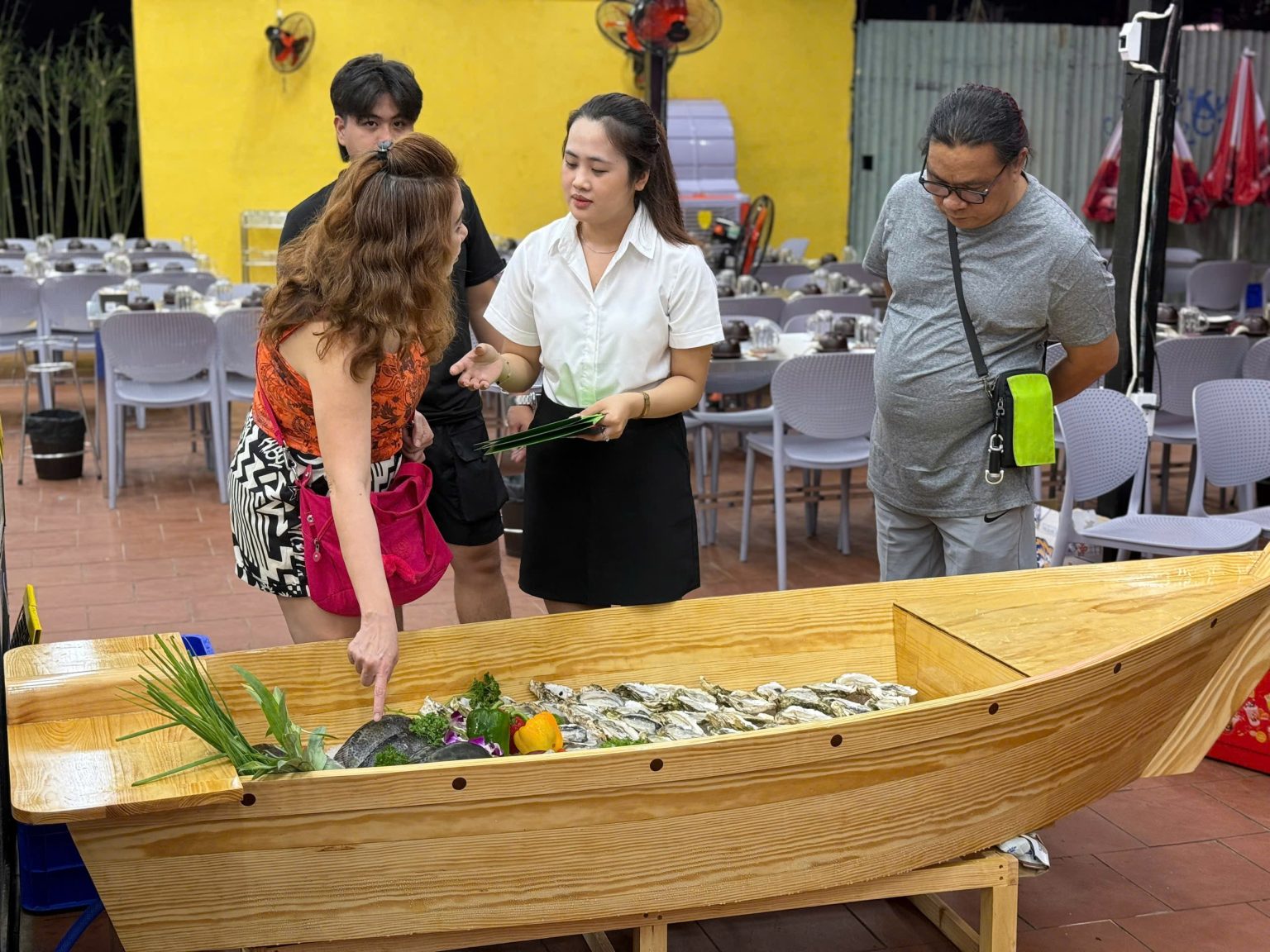
Many seafood hotpot restaurants in Da Nang offer one or two fixed styles — typically a Thai broth and a plain tomato broth. Kim Seafood expanded to five styles because any given table in the evening may include guests with very different preferences — and a single seafood hotpot style cannot serve all of them well at the same time.
This range also means returning guests don’t repeat the same experience. The Thai seafood hotpot on a first visit, the grouper and la giang hotpot on the next, the prawn and gourd tomato for a group that includes family members who can’t handle spice — each visit to the same address produces a different pot with a different character.
Multilingual Service — A Practical Advantage When Ordering Hotpot
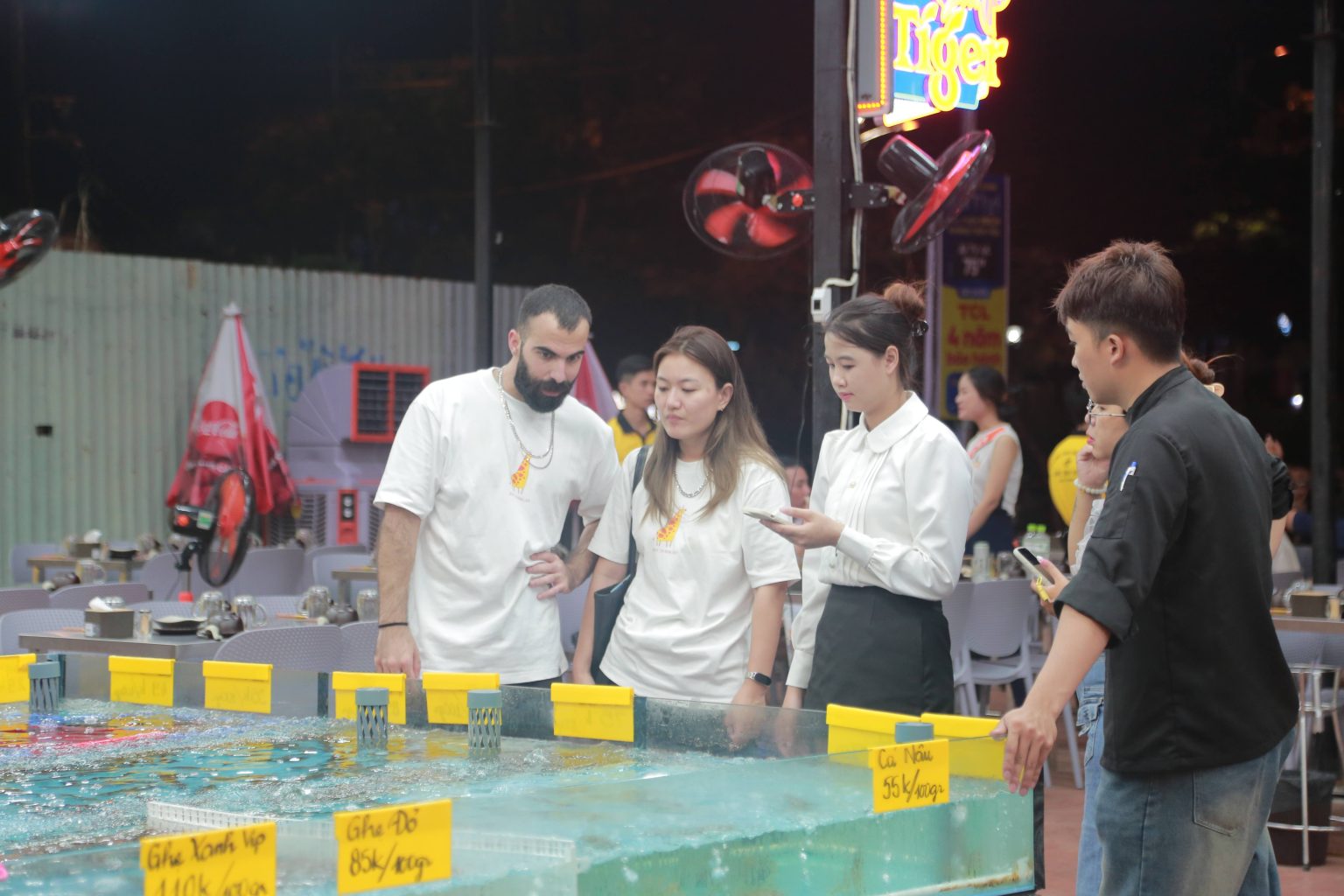
Ordering a seafood hotpot requires more communication than ordering a single dish: which style, what accompaniments, how much spice, can it be adjusted. For international guests — and Korean and Russian guests are the two largest regular international groups at Kim Seafood — the language barrier becomes especially relevant at this point.
The seafood hotpot menu at Kim Seafood is printed in full in 5 languages, with descriptions of each style. Staff provide direct support in English and Korean. For Korean guests specifically, being able to ask detailed questions about the hotpot — spice level, broth adjustment, what seafood is fresh today — without navigating a language barrier is a meaningful part of what makes the experience comfortable.
A mixed table of Vietnamese locals and international guests can select and customise their seafood hotpot choices without needing anyone to translate during the meal. This is a practical advantage that is easy to overlook until you’re sitting at a table in a restaurant where it isn’t available.
Conclusion — 5 Seafood Hotpot Styles at Kim Seafood, Each One with a Purpose
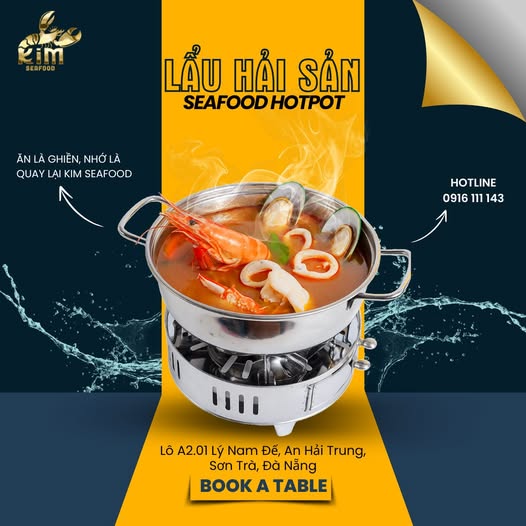
From the clean lightness of a tomato-and-gourd prawn hotpot to the layered aromatics of a Thai seafood hotpot, from the indigenous central Vietnamese character of a grouper and la giang pot to the bold contrast of a spiced frog and bamboo shoot hotpot, and the easy accessibility of a Southern-style barramundi pot — Kim Seafood puts all five seafood hotpot styles on the same menu because each one solves a different problem for a different table.
There is no single “best” seafood hotpot for everyone. The best seafood hotpot is the one that fits the flavour preferences of the whole table — and finding out which one that is takes just one question to the staff before ordering.
If you are in Da Nang and looking for a seafood hotpot experience with genuine depth — fresh ingredients, broths made from scratch, and enough variety for a full table of mixed preferences to all find something worth coming back for — Kim Seafood is the address that earns that expectation.
👉 Watch more Fresh Da Nang Seafood: Kim Seafood’s Commitment from Sea to Table
Contact Information:
- Address: Kim Seafood, A2.01 Ly Nam De Street, An Hai Trung Ward, Son Tra District, Da Nang, Vietnam.
- Phone: 0916111143
- Opening Hours: 10:00 AM – 11:00 PM
- Email: hello.kimseafood@gmail.com
- Facebook Fanpage: Hải sản KIM Seafood