Must-try seafood: Top 5 in Da Nang beaches often missed
Ask any tourist who has just arrived in Da Nang about their food plans, and the answer is nearly unanimous: lobster, sea crab, grilled squid. Those familiar names appear on almost every menu, on every travel page, and in every recommendation. And there’s nothing wrong with choosing them — they’re delicious and famous for good reason.
But if you stop only at those familiar names, you’re missing out on an important part of Da Nang’s seafood scene: the must-try seafood that is less well-known, less talked about, yet delivers exceptional flavor and sometimes even surpasses the familiar “stars.” These are must-try seafood options that even many locals don’t all know about — but once tasted, are hard to forget.
This article will highlight the 5 most must-try seafood at Da Nang beach — hidden gems waiting to be discovered — along with the best ways to enjoy them and where to find them.
1. Fragrant Sea Snail — The Number One Must-Try Seafood That Many Tourists Overlook
1.1. What Is Fragrant Sea Snail and Why Is It Must-Try Seafood?
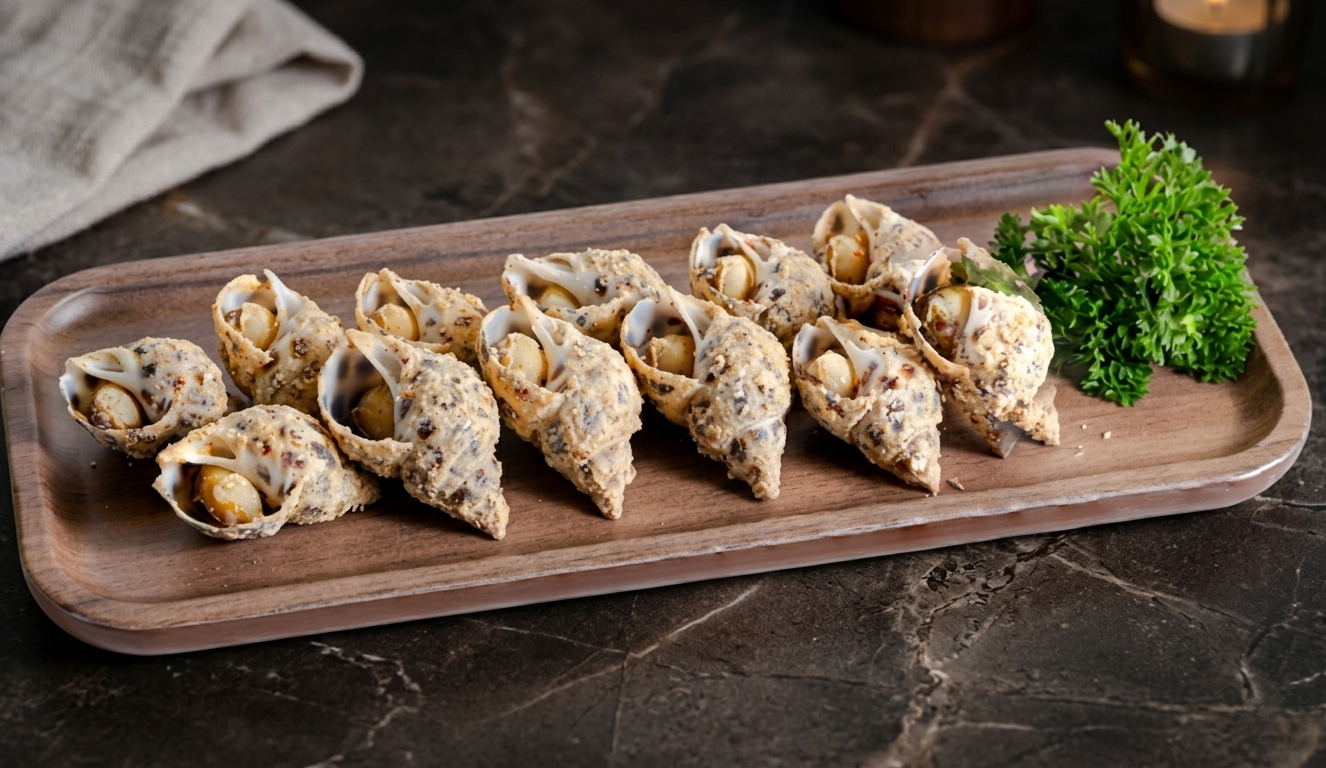
Fragrant sea snail is a species of sea snail that lives naturally in clean, sandy-bottomed waters — a familiar specialty of the Central Vietnamese coastline, yet often overlooked by tourists visiting Da Nang seafood restaurants. The reason is largely because fragrant sea snail looks “humble” compared to lobster or crab — but that is precisely the most regrettable mistake you can make.
The meat of the fragrant sea snail is firm, lightly crunchy, delicately sweet, and completely free of any fishy taste — making it very easy to eat even for those unfamiliar with shelled seafood. What makes fragrant sea snail truly must-try seafood is its versatility in preparation: the same snail, prepared differently, yields completely different flavor profiles — from light and clean to rich and stimulating.
1.2. Six Ways to Prepare Fragrant Sea Snail — Which Should You Choose?
Fragrant sea snail at Kim Seafood comes in six preparations: salt-roasted, salt-popped, lemongrass-steamed, Sichuan sauce, garlic butter sauce, and Cajun sauce. If it’s your first time trying it, start with lemongrass-steamed or salt-roasted to experience the authentic natural sweetness. Once you’ve got a feel for it, the rich garlic butter sauce or the fiery Sichuan sauce will take this must-try seafood experience to a whole new level.
1.3. A Small Tip to Not Miss the Best Part
Before using a pick to extract the meat, tilt the shell and sip the naturally sweet liquid collected inside — this is the most precious essence of the fragrant sea snail, something locals never waste. This is also what separates someone who truly knows how to appreciate must-try seafood from someone trying it for the very first time.
2. Large Milk Oyster — A Must-Try Seafood Full of Ocean Flavor That Many People Miss
2.1. What Makes Large Milk Oyster in Da Nang Special?
Oyster is one of the most must-try seafood worldwide, yet it tends to be undervalued at many dining tables in Vietnam — especially when guests arrive at Da Nang seafood restaurants with their sights already set on shrimp, crab, or squid. Large milk oyster often sits quietly on the menu without many people asking for it — and that is the greatest shame of all.
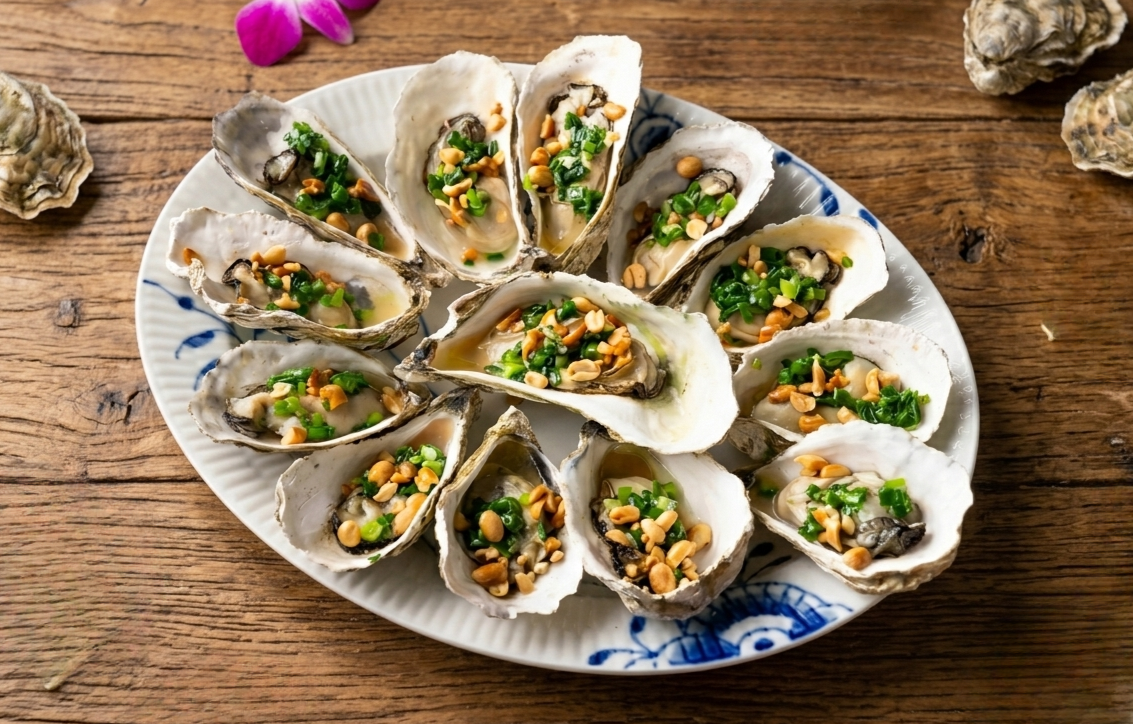
Large milk oyster has thick, juicy, and genuinely rich meat — completely unlike small oysters or farmed oysters with their bland flavor. When you eat oyster sashimi with a few drops of lime and a pinch of salt and pepper, you’ll taste the gentle salinity of the ocean blending with the sweet richness of the oyster meat — a combination that creates the sensation of “eating the sea” in the most literal sense possible.
This is must-try seafood for both first-time oyster eaters and seasoned seafood enthusiasts alike — because large milk oyster is bold enough to impress yet refined enough not to overwhelm the palate.
2.2. Sashimi, Cheese-Grilled, or Grilled with Scallion Oil — Which to Choose?
The three most popular preparations for large milk oyster each have their own strengths and suit different tastes. Oyster sashimi is the choice for those who want to eat seafood in the most original way possible — no seasoning, no heat, just the pure freshness of the sea. This is must-try seafood in its purest form, and also the clearest way to reveal the quality of the ingredient itself.
Cheese-grilled oyster offers a completely different experience — melted cheese draped evenly over the juicy oyster meat, delivering a combination of richness, saltiness, sweetness, and the aroma of toasted cheese in every bite. This is the ideal choice for those who enjoy their seafood bold and indulgent. Meanwhile, oyster grilled with scallion oil preserves the natural ocean flavor while adding the fragrant richness of fried scallions — a simple preparation that never goes out of style with any fine seafood.
2.3. What to Pair with Large Milk Oyster for the Best Experience?
Few people realize that what accompanies large milk oyster accounts for up to 30% of the dining experience. With oyster sashimi, the ideal dipping sauce is a blend of fresh lime juice, salt, pepper, and a little finely sliced green chili — the acidity of the lime cuts through the richness of the oyster, allowing you to eat more without feeling overwhelmed. With grilled oyster, a cold glass of white wine or a fresh draft beer is a pairing that many discerning Da Nang seafood diners rate highly — the chill and fizz of the beer neutralize the richness, making each oyster taste even better than the last.
👉 See more: Seafood experience in Da Nang: Fresh, delicious and worthy
2.4. Large Milk Oyster in the Culinary Culture of the Discerning Diner
Worldwide, oyster is regarded as a symbol of sophistication in ocean dining — and connoisseurs often judge the caliber of a seafood restaurant by the quality of its oysters. In Da Nang, large milk oyster is must-try seafood that is gradually being discovered by more domestic diners — especially those who want to experience seafood in a more refined way, stepping beyond familiar choices. If you’ve never tried large milk oyster in Da Nang, now is exactly the time to change that.
3. Mantis Shrimp — Must-Try Seafood That Locals Absolutely Love
3.1. What Is Mantis Shrimp and Why Is It Must-Try Seafood?
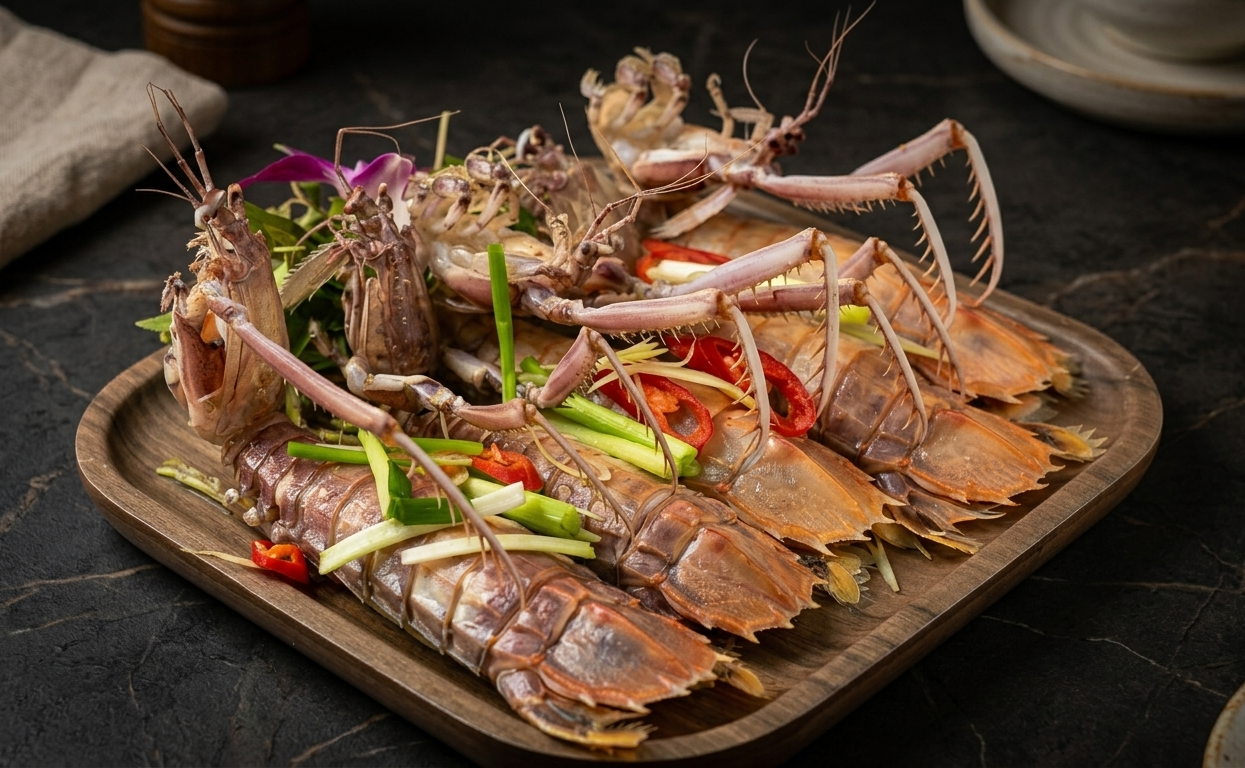
Mantis shrimp — also known locally as “bề bề” — is one of the most fascinating must-try seafood options in Da Nang, yet tourists rarely order it deliberately. The reason is largely its unfamiliar appearance — long-bodied, grey-green in color, looking nothing like black tiger shrimp or lobster. Many guests see mantis shrimp in the tank without knowing what they’re called, let alone thinking to order them.
But for locals and those who have once experienced Da Nang seafood properly, mantis shrimp is a species not to be missed. The meat of mantis shrimp is firmer and more naturally sweet than black tiger shrimp, with a distinctive rich flavor, and when separated, the white flesh inside the body is tender without being mushy. This is must-try seafood in the most practical sense — delicious, pleasantly unusual, and delivering a seafood experience that is entirely unlike anything else.
3.2. Preparations for Mantis Shrimp and How to Choose for Your Taste
Mantis shrimp at Kim Seafood is prepared four ways: ginger-lemongrass steamed, flambéed with garlic, salt-roasted, and garlic butter sauce — each delivering a different dimension of flavor. Ginger-lemongrass steamed is the simplest and purest preparation — preserving the full natural sweetness of the mantis shrimp meat without any seasoning to mask it. This is the ideal choice if you want to eat seafood and truly taste its authentic flavor.
Flambéed with garlic and garlic butter sauce are for those who prefer their must-try seafood bold and rich — the aroma of golden garlic combined with the natural sweetness of mantis shrimp creates a pairing that is deeply satisfying to the palate. Salt-roasted is the most popular choice — a coating of salt adheres evenly around the shell, and when peeled, the meat inside is gently seasoned while retaining its sweetness. It’s the most unpretentious way to eat this seafood, yet it never goes out of fashion with mantis shrimp.
4. Wedge Clam — Must-Try Seafood with a Deeply Local Character
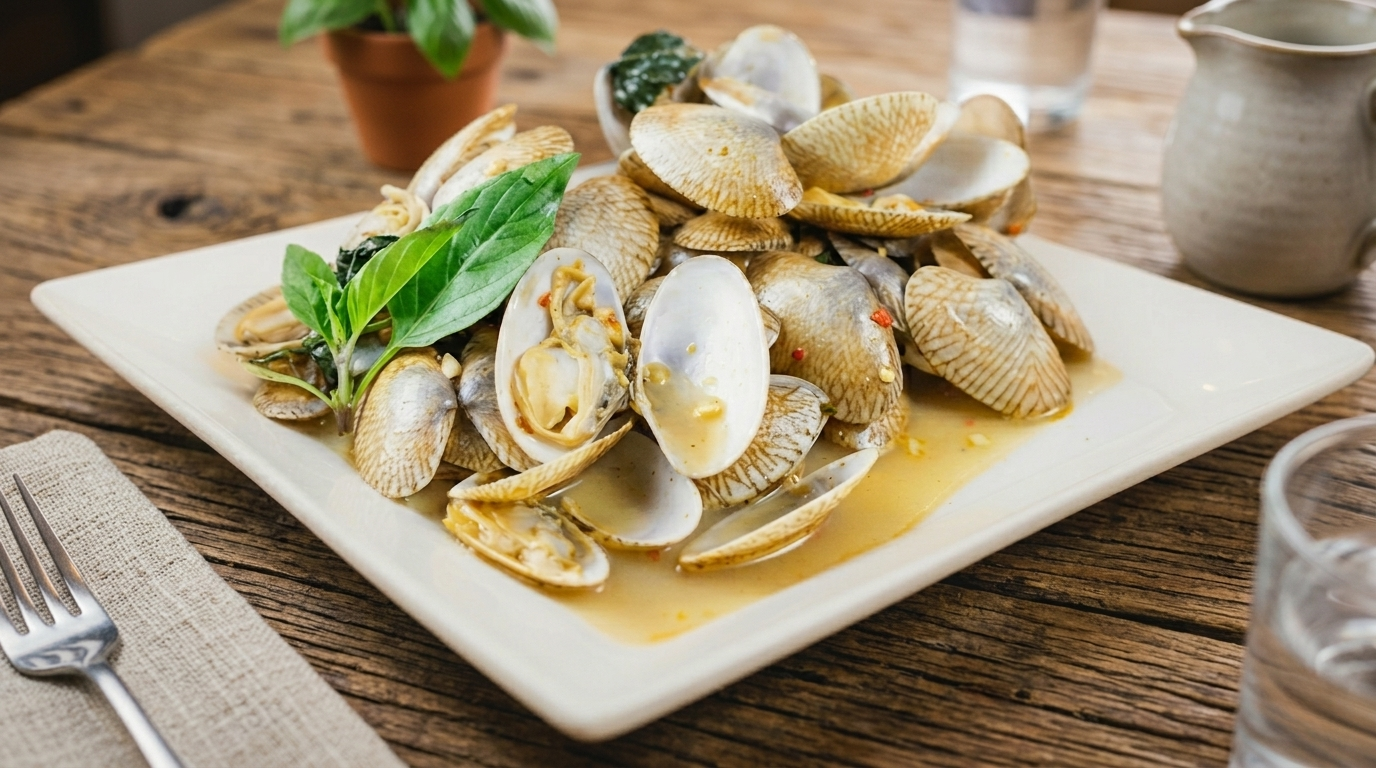
4.1. What Is Wedge Clam and Why Do So Few Tourists Know About It
Wedge clam is a small species of bivalve — oval, flat-shaped, with a thin white-grey shell — living primarily in the shallow coastal waters of Central Vietnam. This is highly distinctive must-try seafood of local cuisine, yet it is almost absent from the awareness of most tourists — partly because its modest size makes no visual impression, and partly because it receives little promotion on travel platforms.
Yet the people of Da Nang love wedge clam in a very particular way. The meat is small but intensely sweet, carrying the true taste of the sea in a way that no ordinary clam or mussel can replicate. When steamed open, the shell reveals white, plump flesh soaked in naturally sweet liquid — it is this liquid inside the shell that many people find more addictive than the meat itself. This is must-try seafood in the true local spirit — simple, honest, and delicious in a way that defies description.
4.2. Four Ways to Prepare Wedge Clam and Which to Choose
Wedge clam at Kim Seafood comes in four preparations: stir-fried with lemongrass and chili, lemongrass-steamed, Thai-style steamed, and stir-fried with garlic and basil — and interestingly, each one delivers a completely different sensation when eating this must-try seafood.
Lemongrass-steamed is the most basic and popular preparation — fresh lemongrass releases its fragrance under heat, gently infusing the sweet liquid inside the wedge clam shell, creating a clean and pleasant flavor. Thai-style steamed adds a subtle sourness from lemongrass, ginger, and chili in the style of Thai cuisine — suited to those who enjoy more stimulating flavors.
Stir-fried with lemongrass and chili is the boldest preparation — the sauce coats evenly around the shells, and the mild heat of the chili combined with the fragrance of lemongrass creates an irresistible overall flavor. The stir-fried with garlic and basil option is the least common preparation, yet it is rated most highly by those who eat seafood regularly — the distinctive aroma of basil adds a depth of flavor that the other three preparations simply cannot achieve.
5. Twisted ark clam — Must-Try Seafood with a Little-Known Name but Flavor Beyond Expectations
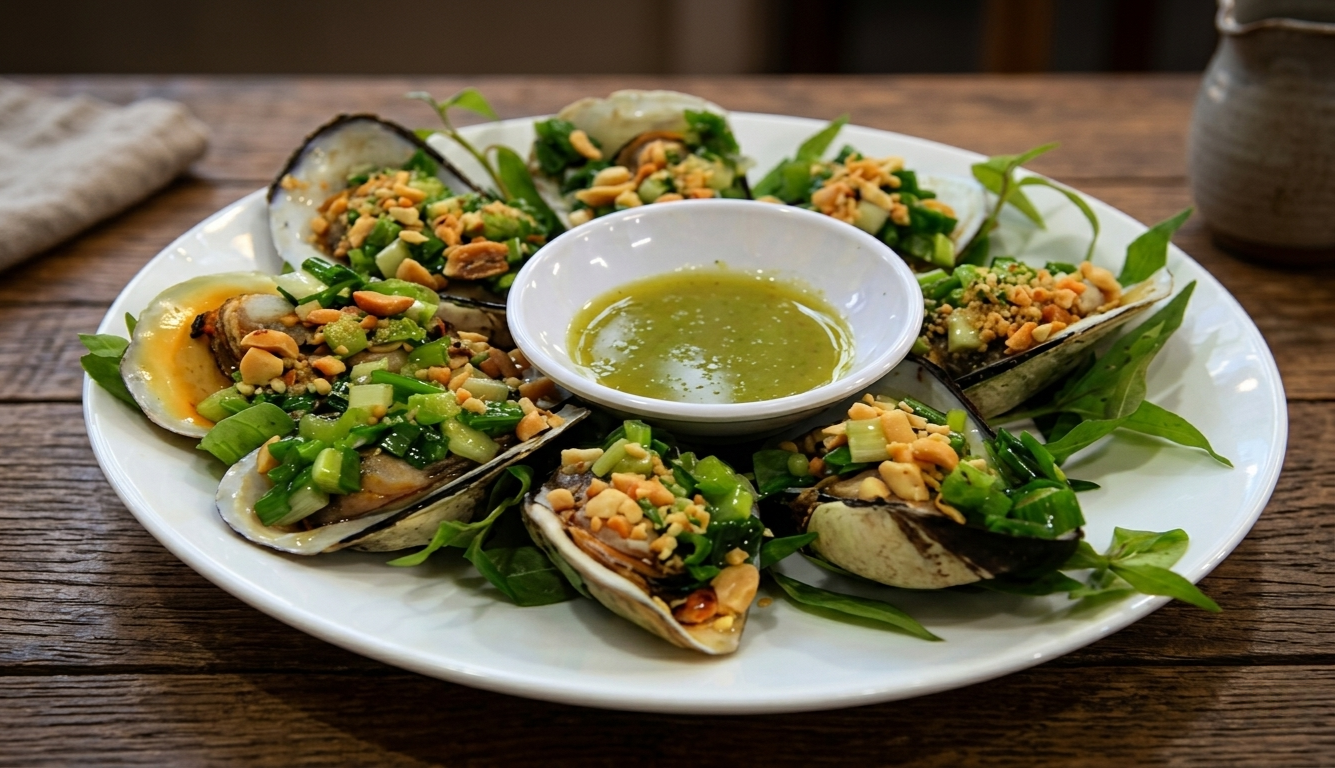
5.1. Twisted ark clam — An Unusual Name, a Familiar Yet Unforgettable Flavor
Twisted ark clam is one of the least-mentioned must-try seafood options on the menus of Da Nang seafood restaurants — and even when it appears, many guests don’t know whether to order it or not. The name “méo” (meaning crooked or irregular) comes from its unevenly shaped, slightly warped shell compared to the symmetrical shells of species like blood cockle or scallop — but don’t let its appearance deceive you.
Inside that somewhat “characterful” shell is firm, thick meat with a uniquely sweet flavor — sweeter than blood cockle, richer than clam, and carrying a more pronounced ocean scent than scallop. This is must-try seafood for those who love eating seafood in the spirit of exploration — never mind the name, never mind where it comes from, just try it once and it will stay with you.
5.2. Grilled with Scallion Oil or Cheese-Grilled — Two Ways to Let Twisted ark clam Shine
Twisted ark clam at Kim Seafood is prepared two ways: grilled with scallion oil and cheese-grilled — both of which honor the ingredient’s flavor to the fullest, each in a different direction.
Grilled with scallion oil is the most traditional and widely loved preparation for clam-type species in Da Nang — the fragrant scallion oil seeps into the clam meat as it grills over glowing charcoal, producing a distinctive aroma that makes even neighboring tables turn to look. Each bite delivers the rich, fragrant scallion oil harmonizing with the natural sweetness of the clam meat — this is must-try seafood done in its most rustic, unpretentious form, needing nothing more.
Cheese-grilled takes things in a richer direction — melted cheese spreads evenly over the surface of the clam, forming a lightly golden crust when done, and when eaten, the richness of the cheese combines with the ocean sweetness of the twisted ark clam in a beautifully harmonious way. This is the ideal choice if you want to enjoy must-try seafood in a slightly more indulgent, elevated style.
👉 See more: Seafood dishes that are easy to eat, easy to order and popular
5.3. Don’t Be Afraid to Try Things You’ve Never Heard Of
One of the biggest barriers stopping tourists from experiencing must-try seafood like twisted ark clam or wedge clam is the psychological resistance to unfamiliar dishes. An unfamiliar name, an unfamiliar shape — but that is precisely the moment to pause and order. Ask the staff or the restaurant owner to explain the best way to eat it and which dipping sauce to pair it with — usually just one taste is enough for you to understand why locals quietly adore these must-try seafood options so deeply. Da Nang’s ocean cuisine is inherently generous — all it asks is that you come with an open mind.
5.4. Take Note and Return in the Right Season
Not every must-try seafood is available year-round — and that is precisely what makes them special. Many seasoned food-loving travelers make it a habit to note down the restaurant name, the dish name, and the time of year after each trip — this is the simplest way to turn must-try seafood into intentional culinary appointments rather than lucky accidents. If this time you didn’t get to try all 5 species covered in this article, make a note — Da Nang and all its must-try seafood will always be here waiting for you to return.
6. Practical Tips for Finding and Enjoying These Must-Try Seafood Options
6.1. Visit the Fish Market Early in the Morning to Explore
Mân Thái Fish Market and the Da Nang Seafood Wholesale Market operate from 4 to 6 in the morning — right when fishing boats are coming ashore. These are places where you can find many must-try seafood varieties rarely seen on restaurant menus, at very good prices and with 100% guaranteed freshness. An early morning stroll through the fish market doesn’t just give you the freshest ingredients — it gives you a genuinely local culinary experience.
6.2. Ask the Restaurant Owner What’s Special That Day
Not every must-try seafood option appears on the fixed menu. Many restaurants have a “daily menu” or hold back special catches for guests who ask. The simple question “Do you have anything special today?” often opens up suggestions that are far more interesting and delicious than anything you’d find on the printed menu.
6.3. Prioritize Restaurants That Update Their Menu by Season
When dining at a seafood restaurant, choose places that regularly change their menu according to the season — this is a sign that ingredients are sourced directly and frequently from local fishermen. Kim Seafood Restaurant is one of the standout addresses in Da Nang for exactly this reason — the menu always features must-try seafood in season, including rare species that are difficult to find elsewhere.
👉 See more: Go out for seafood: Tips to avoid choosing wrong places
7. Conclusion
Da Nang is a far richer and more diverse seafood destination than its popular menus suggest. Must-try seafood like sea urchin, local blood cockle, sand whiting, rock crab, and tiger-pattern octopus are not overlooked by accident — they are simply less well-known because they receive less promotion. But that is precisely why they are the most must-try seafood in the eyes of those who truly love ocean cuisine.
The next time you set foot in Da Nang, be bold enough to step outside your culinary comfort zone. Ask more questions, explore more, and try the must-try seafood that locals quietly cherish. You’ll be surprised by the richness and depth of Central Vietnam’s coastal cuisine — and who knows, it might just become the most memorable culinary experience of all your travels.
Thông Tin Liên Hệ:
- Địa Chỉ: Kim Seafood, A2.01 Lý Nam Đế, An Hải Trung, Sơn Trà, Đà Nẵng, Việt Nam.
- Điện Thoại: 0916111143
- Giờ Mở Cửa: 10:00 am – 23:00 pm
- Email: hello.kimseafood@gmail.com
- Fanpage Facebook: Hải Sản KIM Seafood