Seafood restaurant Da Nang: how to choose the right one
Da Nang has hundreds of seafood restaurants. And the paradox is: the more options there are, the easier it is to choose the wrong one.
Many tourists leave Da Nang feeling “it was just okay” — not because the seafood here is poor, but because they picked the wrong place. Choosing based on a flashy sign, a crowd outside, or a mention in an old blog post — all of these can lead to a meal that doesn’t live up to expectations.
This article gives you a practical set of criteria to evaluate any seafood restaurant in Da Nang — whether it’s your first visit or your tenth.
1. Why choosing a seafood restaurant in Da Nang is harder than you think
1.1. Too many options — and not all are created equal
Da Nang is the largest coastal tourism city in Central Vietnam. The flood of visitors each year creates enormous demand for dining, and with it comes a wave of seafood restaurants opening to cash in. The problem is: not every place is driven by a genuine passion for seafood or real culinary skill. Many open simply because there are customers and money to be made — and when that happens, quality is usually the first thing to go.
Locals who have lived here for years know exactly which places are worth trusting and which ones survive purely on location. But tourists don’t have the time to accumulate that experience. They need a quick way to evaluate — and that is exactly what the next section will provide.
1.2. Common mistakes that lead to a disappointing meal
Choosing by the highest rating: Star ratings on Google don’t reflect the actual quality at the moment you arrive. A seafood restaurant that was excellent two years ago may have changed chefs, suppliers, or even ownership. Old ratings don’t apply to today’s meal.
Choosing because it’s crowded: Busy doesn’t mean good. Many places are packed because of a prime location, heavy advertising, or large tour groups passing through. Pay attention to who the customers are — locals or tour groups? That distinction matters more than the crowd size.
Choosing because of pretty menu photos: Menu photos are professionally shot and heavily edited. What arrives on your table may look nothing like the picture. Instead of looking at photos, look at the live seafood tank — that is the real measure of a seafood restaurant.
2. The criteria for evaluating any seafood spot in Da Nang
2.1. Check the live tank before you sit down
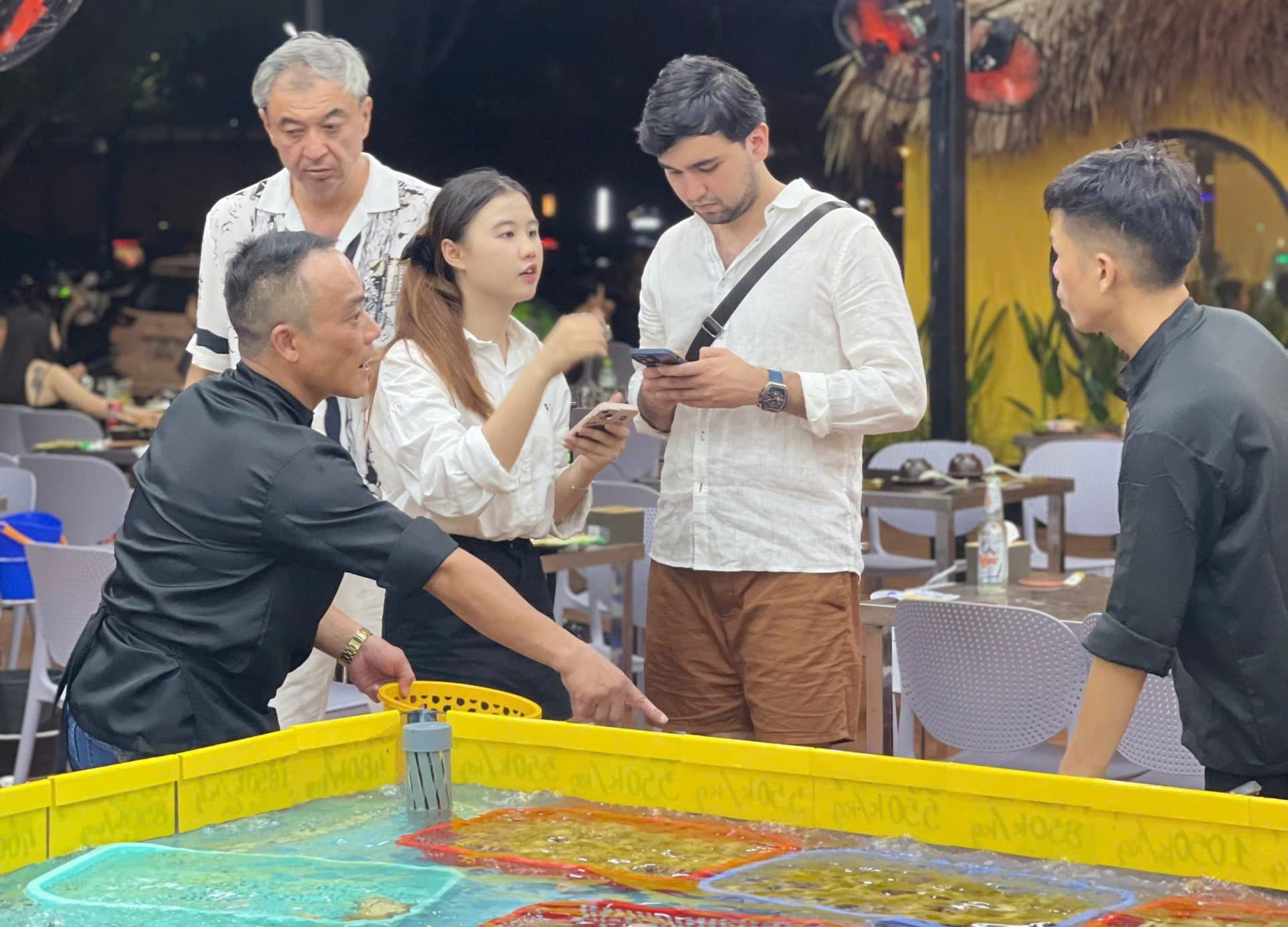
The live seafood tank is the first thing to look at when you walk into any seafood restaurant. Is the water clear? Are the seafood moving actively? Shrimp should snap energetically, crabs should grip firmly, fish should swim steadily — not lie motionless on the bottom.
If the tank looks murky or the seafood barely move, that’s a sign the stock has been sitting too long or is weakening. A good seafood restaurant will never hesitate to let customers observe and choose their own seafood. If the staff seem reluctant — that’s a reason to reconsider.
2.2. Ask about prices before you order — and remember the numbers
Da Nang seafood is priced by the kilogram, not by piece or by plate. This means you need to ask clearly about the price per kilogram for each species before agreeing. A transparent seafood restaurant will quote the price immediately, without hesitation or vagueness.
The standard process at a reputable place: you choose → it’s weighed in front of you → price is quoted → you confirm → only then does it go to the kitchen. If the weighing and quoting step is skipped or done out of your sight, the final bill may surprise you in an unpleasant way.
2.3. Judge by how staff answer your questions
Staff at a truly professional establishment can answer specific questions: what’s the freshest catch today? What’s the best way to cook this one? Is mantis shrimp better steamed or salt-roasted for a group of four?
If the answer is always “everything’s fresh” or “whatever you prefer” — that’s a sign the staff haven’t been properly trained or don’t understand the product. Good restaurants train their staff to advise, not just to serve. The difference between the two becomes very clear the moment you ask something specific — and the answer you get will tell you everything you need to know about the kitchen behind it.
2.4. Space and hygiene — details that cannot be overlooked
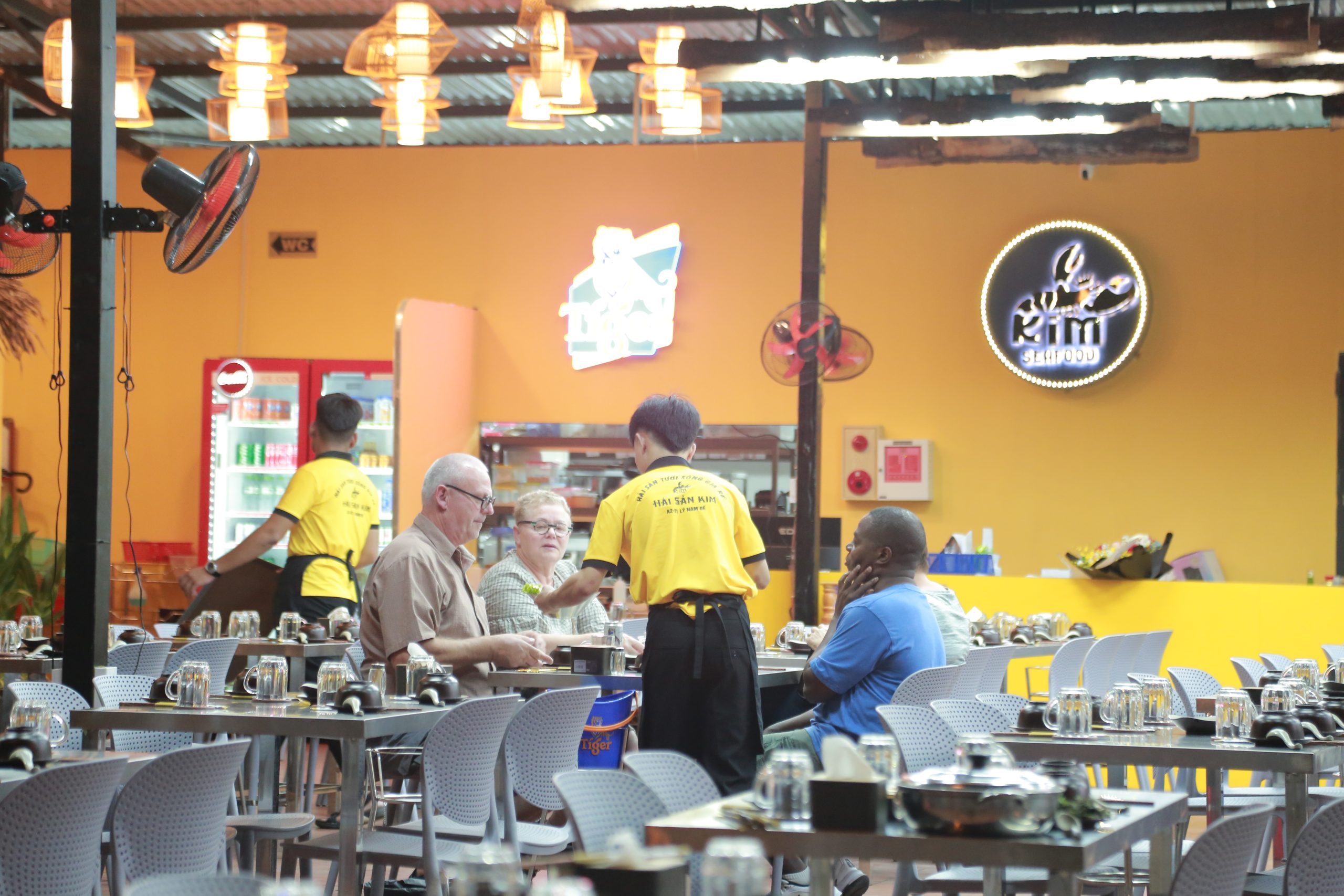
The cleanliness of any dining establishment says a great deal about its operating standards. You don’t need to visit the kitchen — just look at the restroom, the tables and chairs, and how staff handle seafood from the tank to the table. These small details reflect the culture of the establishment.
Fresh live seafood handled properly requires clean tools, tidy technique, and no contact with dirty surfaces. If you observe the opposite — no matter how fresh the seafood may be, the hygiene risk is still very real.
👉 See more: Fresh seafood – a clear difference in quality and natural flavor
3. Types of dining spots for seafood in Da Nang
3.1. Beachfront restaurants — eye-catching but worth inspecting carefully
Restaurants along Vo Nguyen Giap Street or the My Khe beachfront typically offer beautiful views, spacious interiors, and prices above the general average. The setting is genuinely pleasant — but don’t let an ocean view distract you from checking actual quality.
Many venues in this area serve large tour groups daily, which creates pressure to turn tables quickly — and that can sometimes affect the consistency of cooking. Apply the same criteria from section 2, regardless of where the restaurant is located.
3.2. Alley and residential restaurants — lesser known but often more trustworthy
The paradox of Da Nang dining: many of the best seafood spots are tucked away in small alleys or residential neighborhoods far from the center. These places invest little in marketing, but instead put their energy into what matters more — sourcing and skill. Their customers are mostly locals and regulars — and locals don’t return to places that don’t deserve it. If you happen to walk past one of these spots and see it packed with families at 6pm on a Tuesday, stop and take a closer look.
3.3. Established branded restaurants — the safest choice for first-time visitors
For first-time visitors to Da Nang, a seafood restaurant with a clear brand and standardized processes is the safest option. These places are typically transparent about pricing, follow a consistent choose-weigh-confirm process, and have staff trained to assist customers who are unfamiliar with seafood.
Kim Seafood is located on Ly Nam De Street, near Dragon Bridge — a convenient central location that is easy to find and accessible for both tourists and locals alike. It is one of the addresses many guests trust not because of marketing, but because of consistent operations and a fresh seafood supply sourced from Tho Quang fishing port every morning.
4. How to order smartly at a seafood restaurant in Da Nang
4.1. Order by season, not by menu
The menu at most places typically lists every species year-round — but in reality, not every species is at its best in every month. Before ordering at any seafood restaurant, ask directly: “What’s in season today?” The staff’s answer will tell you what’s actually worth eating right now.
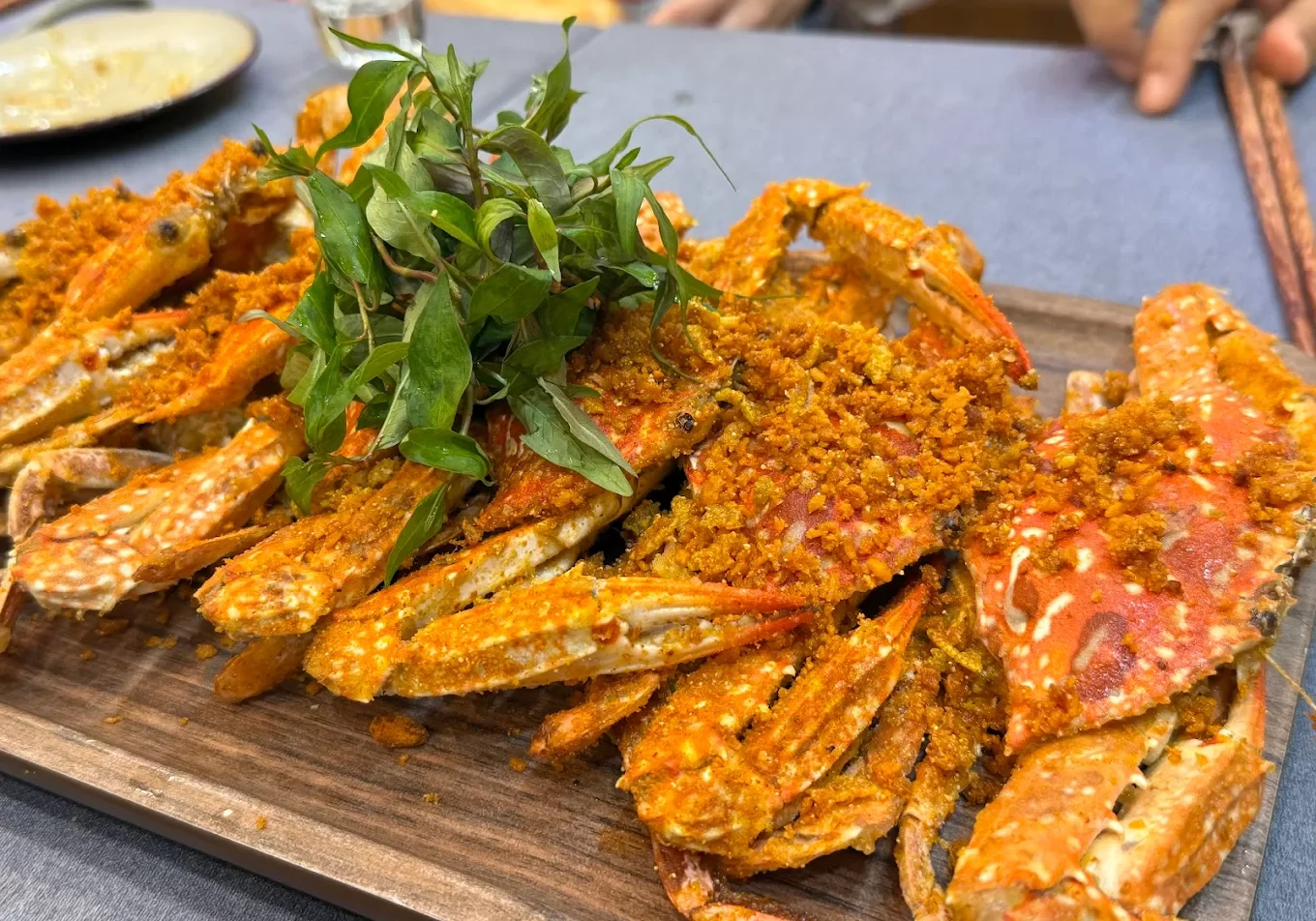
Da Nang seafood tastes best when eaten in season: blue crab is richest from September to November, spiny lobster is most abundant in summer, and sea snails are sweetest in early spring. Ordering in season is the simplest way to elevate your meal without spending more.
👉 See more: Delicious seafood in Da Nang – Why do diners keep coming back to Kim Seafood?
4.2. The order of dishes — a logic most people overlook
Order from light to rich: start with a fresh appetizer (seafood salad, raw oysters), move to steamed dishes that preserve the natural flavor, then progress to grilled seafood or bold sauced preparations. Finish with a broth or rice porridge to cleanse the palate.
Many people order lobster and crab straight away, fill up, and find there’s no room left when lighter dishes arrive. At any seafood restaurant, ordering in the right sequence not only helps you appreciate each dish more fully — it also helps you manage your budget by knowing what you actually need to add rather than over-ordering.
4.3. A realistic budget for a seafood meal in Da Nang
A good seafood meal in Da Nang for two people typically ranges from 400,000 to 1,500,000 VND depending on species and preparation. If lobster or King crab is involved, the figure can go significantly higher. To avoid surprises, ask for a rough total estimate after you’ve finished selecting — a reputable restaurant will give you a quick calculation right at the table.
Keep in mind that prices fluctuate with the season, so the same species may cost noticeably more or less depending on when you visit. A transparent place will always explain these differences upfront rather than leaving you to discover them on the bill.
5. What locals know that tourists usually miss
5.1. Eat on local time, not tourist time
Da Nang locals tend to eat dinner earlier than tourists — usually between 5:30pm and 7:00pm. This is when the seafood on the table is freshest, having just been prepared from the afternoon batch. After 8:00pm, most seafood restaurants are at peak volume, which puts maximum pressure on the kitchen — and cooking consistency can suffer compared to earlier in the evening.
If your schedule allows, try arriving at 6:00pm instead of 7:30pm. You’ll get a better table, more attentive service, and food that reaches you noticeably faster.
5.2. Don’t skip the soup and porridge at the end
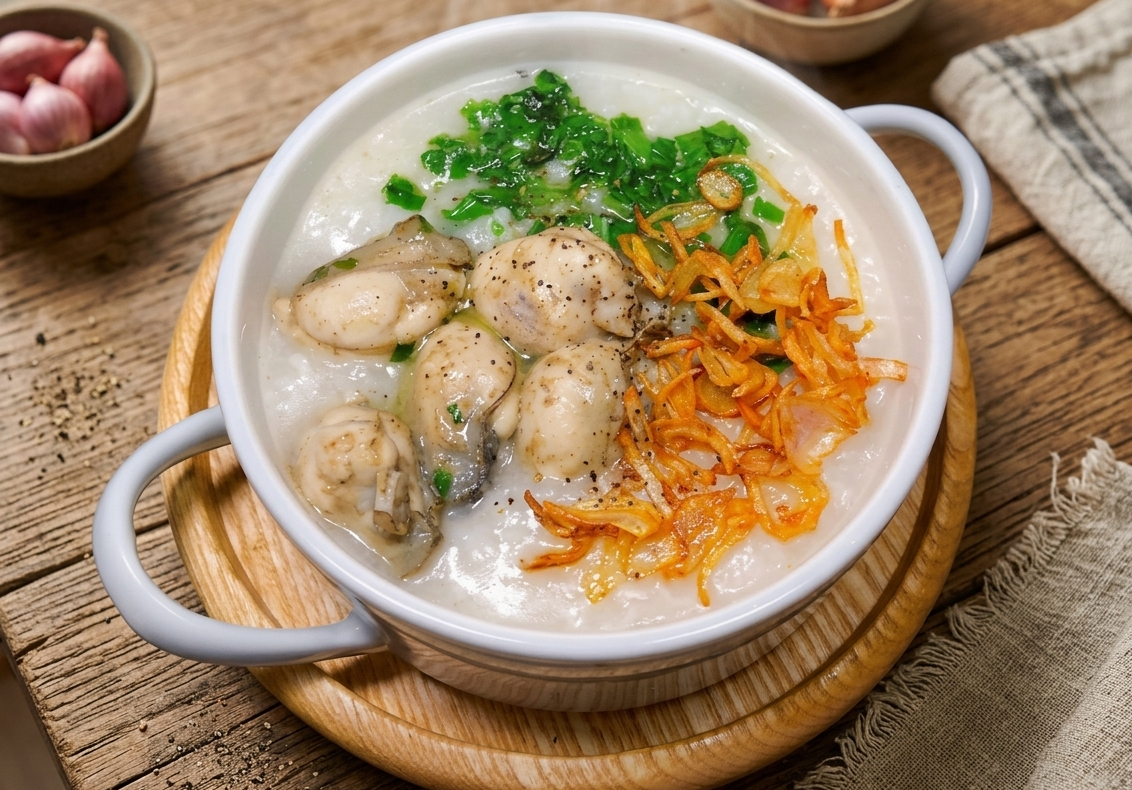
One thing few tourists know is that Da Nang locals always end a seafood meal with a broth or porridge — not a sweet dessert. Crab soup with water spinach, seaweed soup with shrimp, or a hot bowl of oyster porridge is how locals “close” a proper seafood meal.
At restaurants with real culinary skill, the broth is often made from the water used to steam or boil the seafood — capturing all the subtle sweetness that most people leave behind. This is not a side dish. It is an essential part of a meal done right. If you find yourself too full to order it, that’s a sign you over-ordered on the mains — something worth keeping in mind for next time.
5.3. Affordable seafood doesn’t mean low quality
Many visitors assume that affordable seafood at a seafood restaurant means inferior quality. In Da Nang, that’s simply not true. Species like black clams, chip chip, sea snails, and cuttlefish are very reasonably priced but deliver quality that rivals more expensive options — if cooked with care.
The secret is understanding the real value of each species in season. A plate of clams steamed with lemongrass, perfectly in season, from a reputable address can easily outshine a lobster that was force-harvested and poorly stored. Don’t let the “expensive equals better” mindset completely drive your choices.
5.4. The difference between restaurants serving international guests and those serving locals
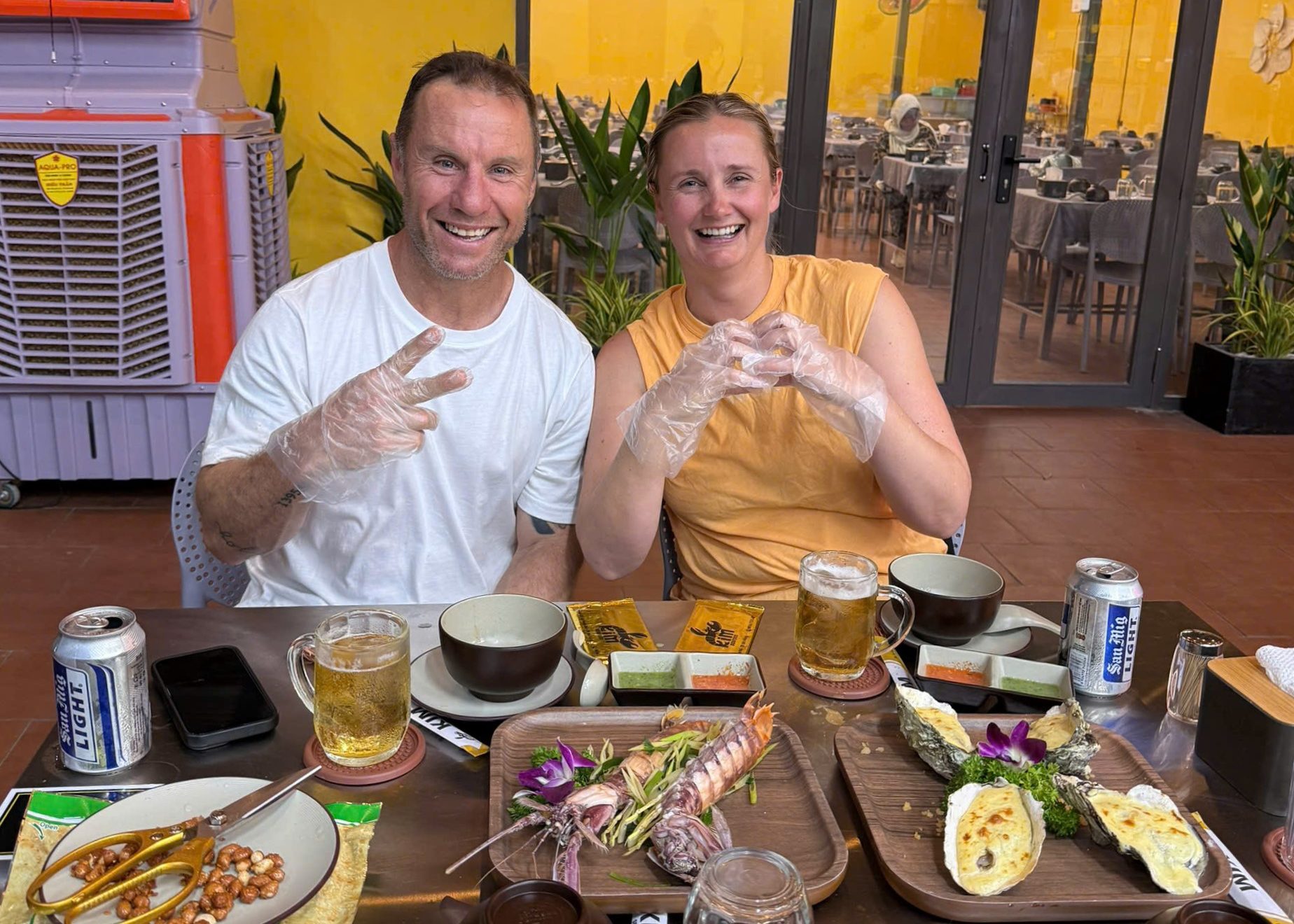
Here’s something most people don’t notice: in Da Nang, there are two types of seafood restaurant operating on quite different models. Restaurants oriented toward international visitors typically have English menus, staff with basic English skills, standardized service processes, and more transparent pricing. They are designed to minimize friction for guests who are unfamiliar with local customs, pricing structures, and seafood varieties.
Restaurants catering to domestic guests tend to have a more relaxed atmosphere and flexible pricing, but require some Vietnamese or a local connection to navigate comfortably. The tradeoff is authenticity — these places often feel more lived-in, more genuine, and more representative of how Da Nang people actually eat on a regular evening.
For foreign tourists, a seafood restaurant in Da Nang with a recognized brand and clear processes is the most reliable option to avoid misunderstandings about pricing and preparation. For Vietnamese visitors who know their seafood well, a local neighborhood place can sometimes deliver a more grounded and memorable experience — one that no guidebook entry can fully replicate.
👉 See more: Seafood Restaurant in Da Nang – Top Local Dining Spots for Tourists
6. Frequently asked questions about dining on seafood in Da Nang
1. Should I book a table in advance?
For groups of four or more, booking ahead is highly recommended — especially on weekends and during peak travel seasons. Many places in Da Nang fill up completely by evening, leaving no room for walk-in guests. Even for smaller groups, a quick phone call or online reservation can save you from arriving hungry only to find a 45-minute wait.
2. Do restaurants have English menus?
Established branded restaurants usually have bilingual menus or staff with basic English. For smaller alley spots, use Google Translate or photograph the menu — don’t hesitate, Da Nang vendors are very accustomed to this.
3. Is overcharging a real risk?
At establishments with a transparent weighing and pricing process, the risk of being charged incorrectly is very low. Problems typically occur at places that weigh the seafood out of your sight or don’t quote a price per kilogram upfront. Knowing the right criteria for choosing a restaurant is your best protection.
4. How do I know if a seafood restaurant is actually serving fresh seafood?
The quickest way is to ask the staff directly: “What’s the freshest catch today and where did it come from?” A seafood restaurant confident in its supply will answer without hesitation and with specifics. Combined with observing the live tank as described in section 2 — you’ll have everything you need to make an informed decision in under a minute.
Conclusion
Choosing a seafood restaurant in Da Nang correctly doesn’t require much time — it requires the right criteria. Look at the tank, ask about prices before ordering, observe how staff respond to questions, and don’t let an attractive view or a large sign distract you from the details that actually matter.
Da Nang has more than enough genuinely worthy places that you should never have to settle for a meal that’s merely “acceptable.” From small packed local alleys to well-run branded establishments like Kim Seafood on Ly Nam De Street — the options are there, as long as you know what you’re looking for and apply the right criteria consistently.
Remember: the best seafood restaurant experience doesn’t just happen — it’s built on a foundation of knowing what to look for, asking the right questions, and giving yourself enough time to truly enjoy the process. Rushing through a seafood meal in Da Nang is one of the easiest ways to miss what makes this city’s culinary culture so special.
The next time you find yourself standing outside a restaurant, unsure whether to walk in — come back to this list. Check the tank. Ask about the day’s freshest catch. Notice how the staff respond. Those three steps alone will tell you more than any online review ever could.
A great dining experience in Da Nang is not a matter of luck. It’s the result of approaching it the right way — and this article hopes to be your first step in that direction.
Contact Information:
- Address: Kim Seafood, A2.01 Ly Nam De Street, An Hai Trung Ward, Son Tra District, Da Nang, Vietnam.
- Phone: 0916111143
- Opening Hours: 10:00 AM – 11:00 PM
- Email: hello.kimseafood@gmail.com
- Facebook Fanpage: Hải sản KIM Seafood