Familiar seafood restaurants in Da Nang and what makes them special
There is one question that most tourists don’t think about when looking for a place to eat in Da Nang: Where do the locals eat?
It’s not the most tagged restaurant on social media. It’s not the one with the biggest sign on the beachfront. It is the familiar seafood restaurants—places where Da Nang residents have eaten year after year, where they bring their entire families, introduce friends from out of town, and return to without a second thought.
What creates that difference? This article seeks the answer from the perspective of those who have lived and breathed the Da Nang seafood scene for many years—not from the viewpoint of a tourist passing through, but from those who know this city through every seafood season and every evening around a well-known table.
1. How Do Locals Choose a “Familiar Spot”?
1.1. Not “the best”—but “never bad”
This is the first core difference. Tourists seek a peak experience—the best seafood meal of their trip. Locals look for something else: stability.
When a Da Nang local says, “I eat there often,” they don’t necessarily mean the place is superb in every aspect. They mean that every time they go, they are not disappointed. The flower crab this time is the same size, same freshness, and cooked the same way as the last time. The squid dish this month tastes exactly like it did last month. That is what locals call familiar seafood—not an event, but a habit.
In other words: a restaurant trusted by locals is chosen for its consistency, not for a momentary spark of specialty.
1.2. The “unspoken” criteria of the locals
Da Nang people rarely explain why they choose a specific familiar seafood spot. But if you observe closely, there are three hidden criteria that almost everyone applies.
First—the owner must recognize regular customers. It’s not necessary to remember names, but when you walk in, someone nods or asks, “The usual spot?”—that is the sign of a true familiar seafood restaurant. Locals rarely trust places that serve like a mass production line.
Second—no need to look at the menu much. Locals know what they want to eat before they even sit down. A familiar seafood restaurant has a stable menu that doesn’t change constantly according to trends. That consistency creates a sense of familiarity and trust.
Third—the price is never a “surprise.” Locals know the market price. They don’t need the cheapest place, but they need predictable pricing. A place where you visit ten times and the bill is approximately the same each time depending on the season—that is a place worth returning to. This is also the criterion that makes Da Nang people recommend their familiar seafood to visitors from elsewhere.
2. The Seafood Culture of Da Nang People—What Tourists Rarely Notice
2.1. Seafood is a regular meal, not a special occasion
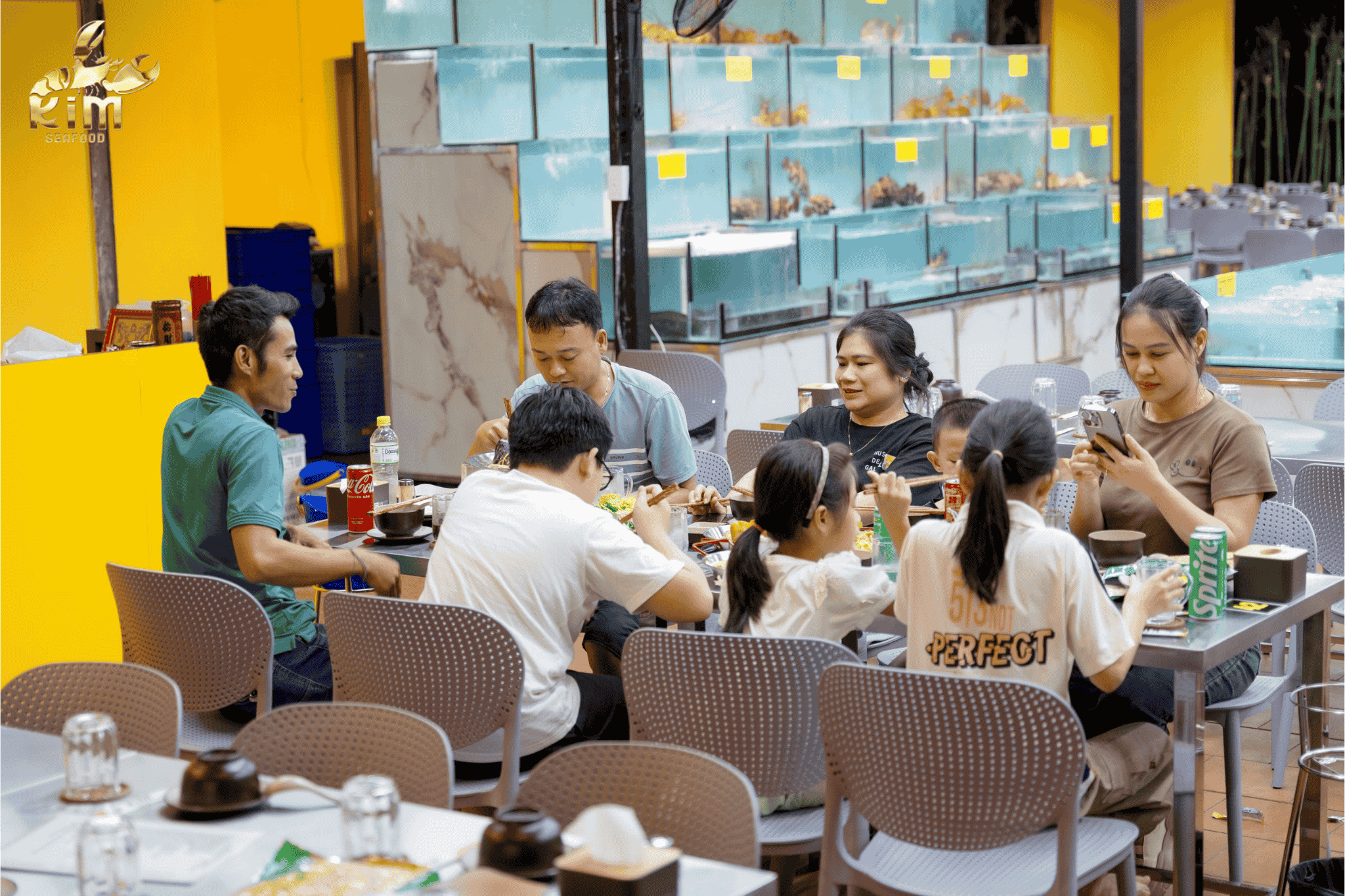
For many tourists, enjoying seafood in Da Nang is a pre-planned experience involving photos and check-ins. For Da Nang locals, it’s simply a Tuesday dinner.
This difference creates a large gap in approach: tourists often order more than necessary because they want to “try everything,” while locals order just enough, choose the right seasonal items, and eat slowly. Consequently, Da Nang seafood restaurants favored by locals often have a more rustic atmosphere, less “show,” but much more stable quality.
2.2. How do local dining groups differ from tourist groups?
Local family groups usually have a “leader”—the person who knows the shop, knows the season, and knows how to order. They interact with staff like old acquaintances, sometimes just asking, “What’s good today?” and receiving specific answers based on which species are currently in season.
This is what a true familiar seafood restaurant must achieve: staff who don’t just serve, but advise. That difference creates an experience that no booking app or online review can replace.
3. Distinguishing Features of Seafood Restaurants Trusted by Locals
3.1. Clean seafood—transparent in a way “everyone knows”
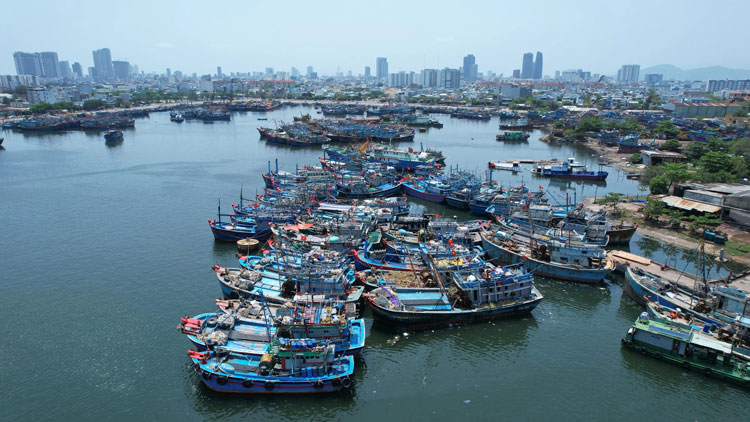
At Da Nang seafood restaurants trusted by locals, the source of ingredients is usually something “everyone knows” in the neighborhood or friend group. “That shop gets goods from Tho Quang every morning” or “The owner goes to the market themselves” are things people whisper to each other—not marketing, but a reality verified many times.
Clean seafood at these shops doesn’t need loud advertising. It is present in the fish tanks at the front, in the way staff handle ingredients, and in the natural sweetness of each dish—something those who eat there many times will recognize immediately if anything is not up to standard.
👉 See more: Da Nang Seafood Restaurants: Why Kim Seafood Stands Out
3.2. Processing seafood—respecting ingredients over “creativity”
Seafood processing preferred by locals tends toward respecting the ingredients: steaming to preserve the original flavor, grilling over the right heat to keep moisture, and salt-roasting without overshadowing the natural sweetness. Complex techniques like strong Szechuan sauce or thick cheese toppings are only suitable when the ingredients are firm enough to withstand strong flavors—locals know this and choose processing methods for each individual item, not based on trends.
This also explains why Da Nang people value chefs with long tenure at a familiar seafood restaurant more than shops that frequently change cooks. A long-term chef understands each seafood species by season, knows which should be steamed, which should be grilled, and which is best eaten raw—that’s something that cannot be learned in a few months.
A Da Nang familiar seafood restaurant often has a simpler processing menu but executes it better. A flower crab steamed at the right heat for the right time, eaten with self-mixed salt, pepper, and lime—tastes much better than a crab with complex sauce but overcooked meat.
3.3. Menu—wide enough to choose, deep enough to trust
Such a restaurant does not need an endless menu. It needs to be wide enough to meet many needs—from a simple group wanting a few quick steamed dishes to a family wanting a full feast—but deep enough so that each dish is truly well-made.
Da Nang locals immediately recognize when a shop has a “display” menu—many dishes but only actually doing five or seven things well. And they also recognize when a shop does fewer things but does them meticulously.
👉 See more: Seafood preparation helps preserve sweetness and freshness
4. Dishes Da Nang Locals Order First—And Why
4.1. Appetizer salad—what locals call for first
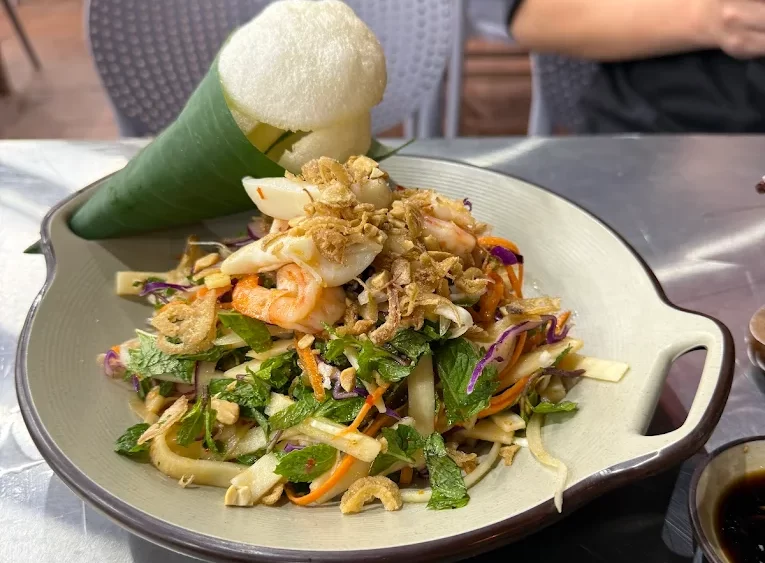
Few tourists know that Da Nang people highly value the appetizer. While many visitors go straight for lobster and crab, locals usually start with a salad—to “wake up” the taste buds before moving on to heavier flavored dishes.
At familiar seafood restaurants with a well-structured menu, Thai-style fresh oyster salad or spicy jellyfish salad with traditional fish sauce from Central Vietnam are the most popular appetizer choices among locals.
4.2. Steamed and grilled dishes—the double test
If you want to know if a shop is truly good, locals order a steamed dish first. Steaming requires extremely fresh ingredients and precise temperature control—proper beer-steamed prawns must be cooked evenly from head to tail, with firm and sweet meat that doesn’t leak water.
If steaming is a test of ingredients, then grilled seafood is a test of technique. The same bigfin reef squid, charcoal-grilled correctly, gives off an aroma and flavor completely different from a hurried gas-grill version. Locals recognize this difference easily—not because they are culinary experts, but because they have eaten enough times to know if it’s right or not.
4.3. Soup and porridge—the signature ending of a meal
A characteristic detail of Da Nang seafood culture: locals usually end the meal with soup or porridge, not a sweet dessert. Flower crab soup cooked with water spinach, seaweed soup with shrimp, or a bowl of hot oyster porridge—this is how Da Nang people “close” a proper seafood meal. It is light, easy to digest, and has something very “homely” about it.
Tourists often skip this part because they are already full from the main dishes. But for locals, skipping the soup is skipping the conclusion of a complete meal. Any shop with delicious soup is often rated much higher in the eyes of locals, even if it’s not the most expensive or elaborate item on the menu.
5. Kim Seafood and Addresses Mentioned by Locals
5.1. Kim Seafood—aiming for both familiar and new guests
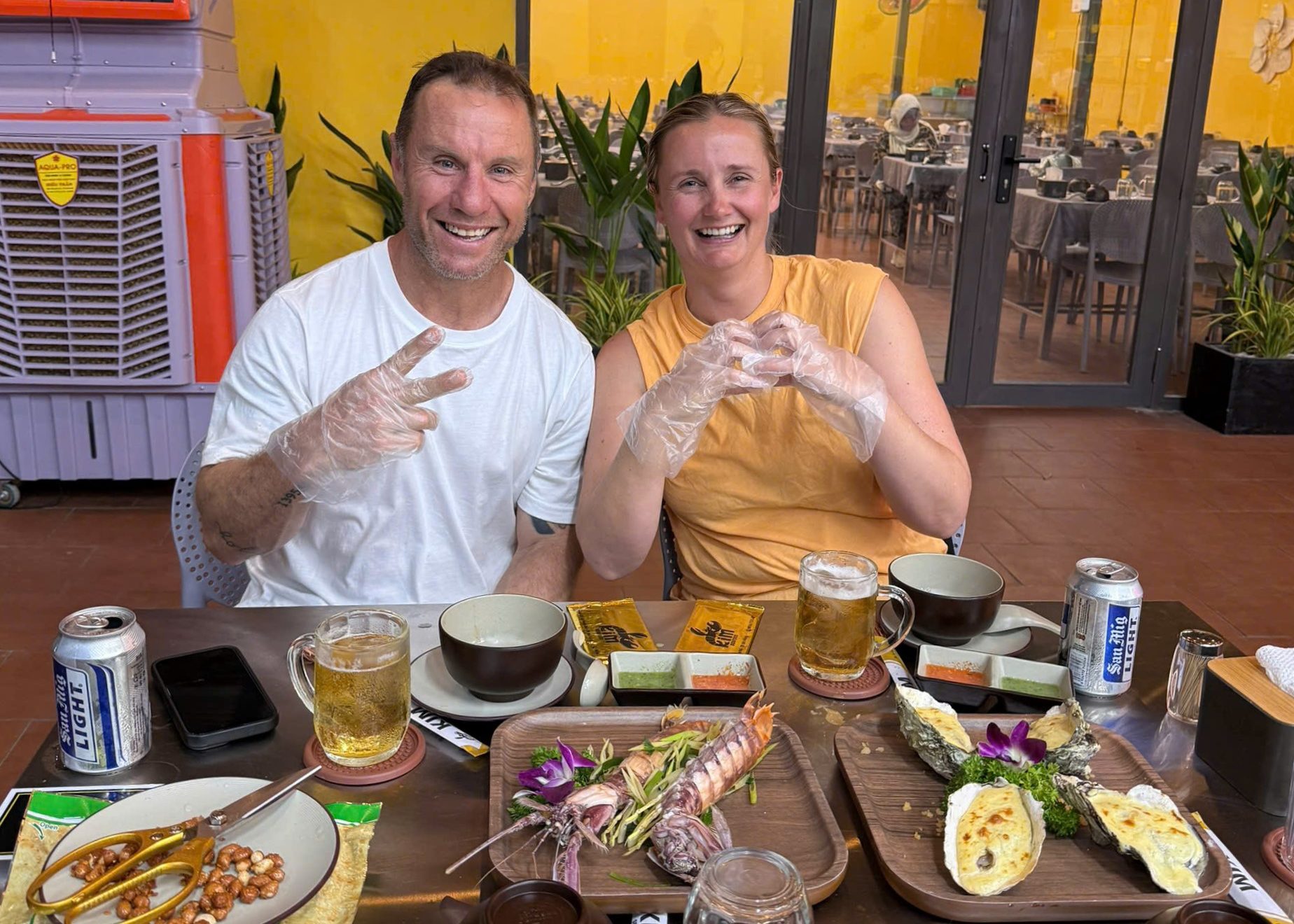
Kim Seafood restaurant in the Dragon Bridge area is one of the addresses building a loyal following from both locals and tourists. It is noteworthy that Kim Seafood’s menu does not only focus on premium seafood but also has options suitable for the eating rhythm of locals: spicy jellyfish salad, flower crab soup with water spinach, oyster porridge, Thai-style steamed “chip chip” clams—simple dishes that require good ingredients to be delicious.
Alongside premium seafood like flower lobster, Alaska lobster, King crab, or Korean abalone, Kim Seafood maintains rustic dishes with true Central Vietnamese flavors that Da Nang people have been familiar with since childhood. This is the approach of a restaurant that wants to become a familiar seafood spot in the hearts of locals, not just a check-in point for transient guests. If you need to book for a group or family party, Kim Seafood offers menu consultation based on budget—something locals eating in groups often need.
5.2. Other shops mentioned by locals
Besides Kim Seafood, Da Nang has no shortage of familiar seafood addresses frequented by locals—especially small shops in the Man Thai, Tho Quang areas, or along Nguyen Van Thoai street. These shops are rarely on TripAdvisor but are always crowded in the evening. Common features: market-based prices, the owner recognizes regular faces, and they never change recipes without a reason.
That is the rich Da Nang seafood restaurant ecosystem that only long-term residents truly understand.
6. How Can Tourists Find a “Familiar Spot” Like a Local?
6.1. Don’t look for the “hot” shop—look for the “crowded with locals” shop
When you want to enjoy seafood like a native, instead of finding the shop with the most reviews on Google, try this: pass by at 6–7 PM and see who is sitting there. If most tables are locals—families, middle-aged groups, couples—that is a better sign than any star on a booking app.
Locals have no reason to eat somewhere that isn’t good. They don’t come because they were invited for a review, they don’t come for beautiful photos. They come for true familiar seafood—and they only return when it’s worth it.
6.2. Ask directly: “What’s fresh today?”
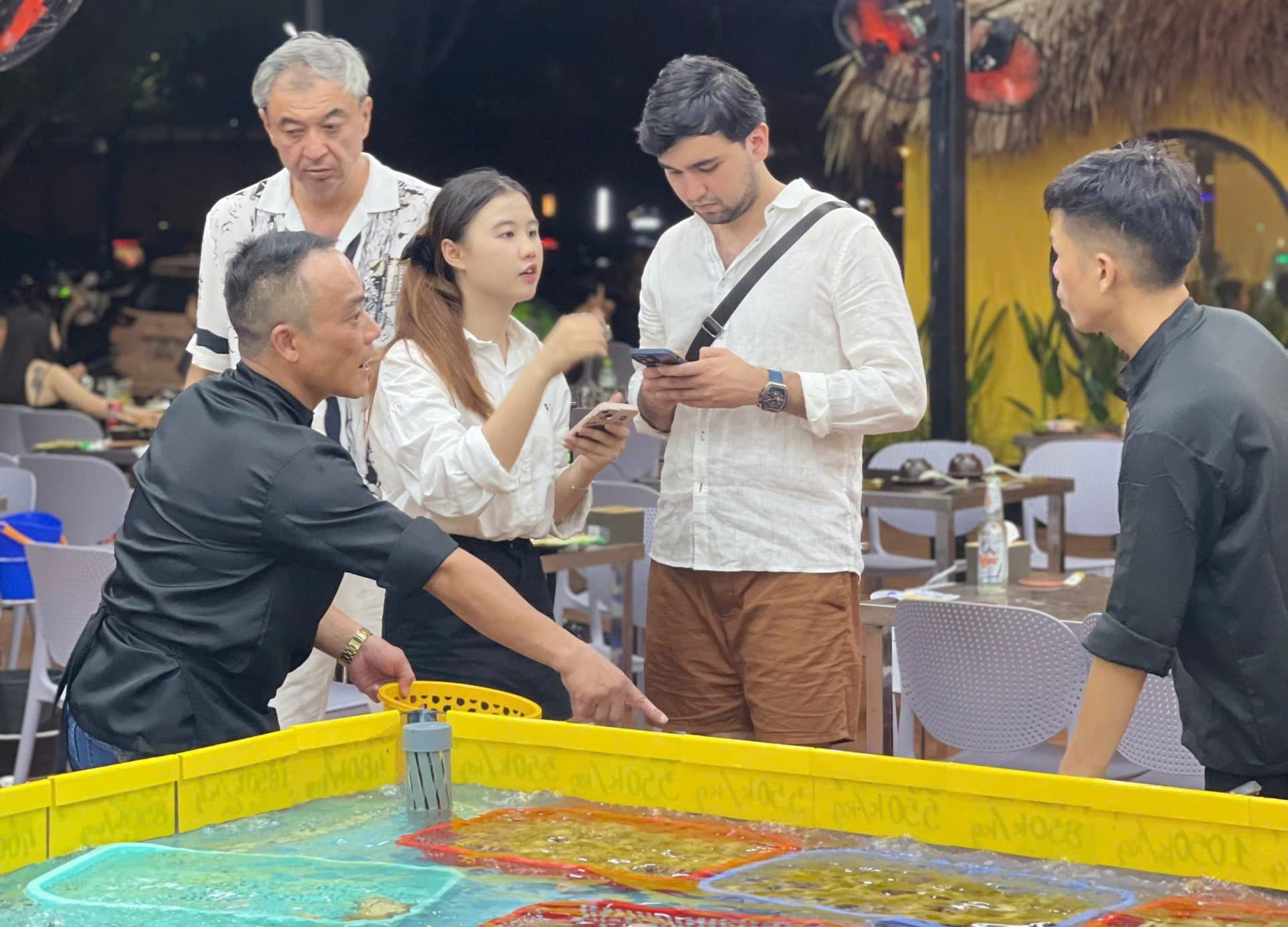
This simple question immediately filters good and bad restaurants. Staff at a true familiar seafood restaurant will answer specifically: “The blue flower crabs are beautiful today, the mantis shrimp just arrived this morning, but today’s grouper isn’t as good as last time.” That answer shows ingredients change daily—a sign of truly clean and fresh seafood—and the restaurant isn’t trying to sell everything regardless of quality.
👉 See more: Clean seafood in Da Nang: How to spot it the very fastest?
6.3. Start with “foundation” dishes before calling for luxury
Locals don’t start with lobster. They start with an appetizer plate, a simple steamed dish, and soup. If those things are okay—then they order more. This is a smart way to enjoy seafood that tourists should learn: don’t let a large bill accumulate before knowing if the shop is worth it.
7. Conclusion
Finding a familiar seafood restaurant in the true sense of a Da Nang local is not a one-afternoon task. But if you know how to look—look at the guest tables, look at the fish tanks, look at how the staff answers the simplest questions—you will recognize it immediately.
When a restaurant is chosen by locals as their familiar seafood for many years, it means they have eaten there dozens, even hundreds of times without finding a reason to change. That is a testing process stricter than any review system. Those addresses don’t need to polish their image—they invest in what truly keeps customers: clean seafood, processing seafood correctly, and consistent service.
Da Nang has the sea. Da Nang has fresh seafood every day from fishermen coming ashore. But what makes a seafood meal here special is not the shrimp or the crab—it’s the way people eat here: slowly, with familiarity, and with the feeling that they belong to this place.
Contact Information:
- Address: Kim Seafood, A2.01 Ly Nam De Street, An Hai Trung Ward, Son Tra District, Da Nang, Vietnam.
- Phone: 0916111143
- Opening Hours: 10:00 AM – 11:00 PM
- Email: hello.kimseafood@gmail.com
- Facebook Fanpage: Hải sản KIM Seafood