Easy-to-eat seafood perfect for beginners and groups
If you are wondering how to choose easy-to-eat seafood for a family gathering or your first culinary experience in the coastal city of Da Nang, understanding the characteristics, preparation methods, and how to select the right restaurant will make the experience much smoother and more complete. Not everyone is accustomed to the distinct flavors of the sea, so starting with varieties that have natural sweetness, low fishiness, are easy to portion, and suit the general palate is always a safe solution.
The article below will help you identify the right groups of dishes to choose, how to coordinate a reasonable menu, and suggest suitable locations for a group meal.
1. What is easy-to-eat seafood and why is it suitable for beginners?
When dining in a group or trying sea dishes for the first time, many people are often wary of fishy smells, elaborate preparation, or types that are too “difficult to appreciate” right away. Therefore, choosing easy-to-eat seafood becomes a safe and reasonable solution, especially for beginners or groups with diverse tastes.
These are types that possess natural sweetness, minimal characteristic odors, a moderately soft texture, and pair easily with many familiar cooking methods such as steaming, grilling, or light stir-frying.
1.1. Low fishiness and easy to enjoy
The common point of the seafood group suitable for beginners is a light flavor that is not too bold and does not leave an unpleasant aftertaste. Types such as shrimp, fresh squid, clams, or white-fleshed fish usually have a natural sweetness, soft meat fibers, and are easy to chew, making them suitable even for those unaccustomed to ocean fare.
1.2. Preparation methods that reduce the “difficult to eat” feeling
The method of preparation plays a vital role in creating a positive initial impression. Steaming with ginger, grilling with light chili salt, stir-frying with garlic butter, or passion fruit sauce are popular ways to preserve sweetness and limit characteristic odors. Spices used in moderation will help balance the flavors, making the dish more accessible to newcomers.
2. Popular types of easy-to-eat seafood today
When choosing dishes for first-timers or group dining, prioritizing easy-to-eat seafood helps limit taste risks and creates a comfortable feeling from the very first bite. Popular types today often have natural sweetness, soft meat texture, low fishy smell, and are suitable for many familiar processing methods like steaming, grilling, stir-frying, or hotpot.
2.1. Shrimp
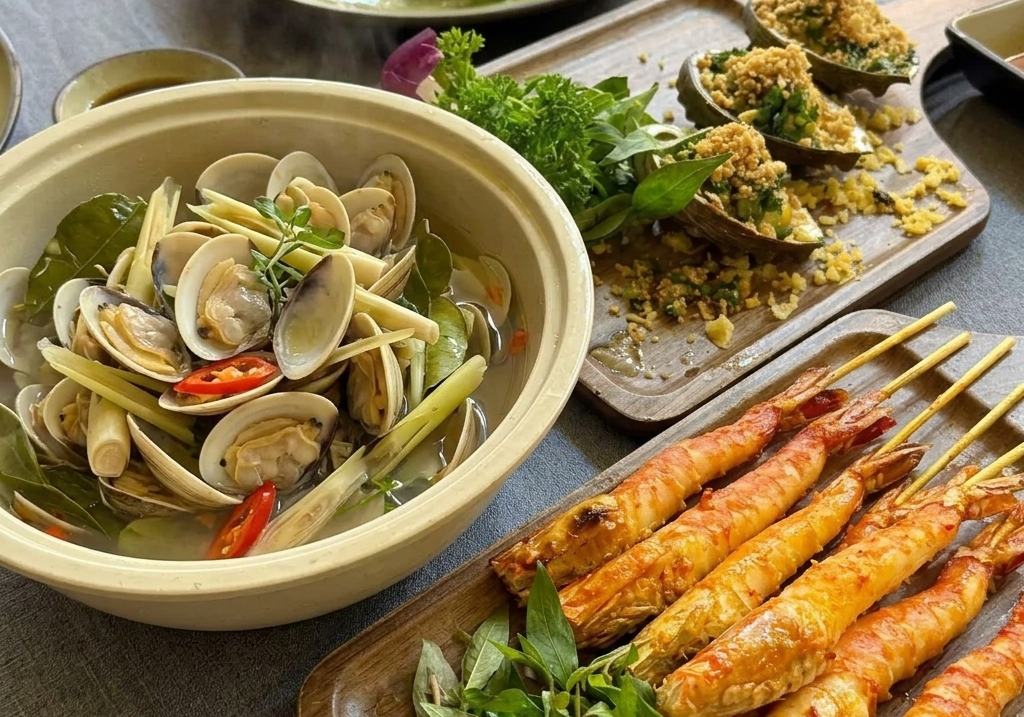
Shrimp is one of the most widely consumed aquatic species thanks to its fresh flavor, being easy-to-eat seafood, and its high nutritional value. According to nutritional documents published by the World Health Organization, shrimp provides a high-quality protein source, is low in fat, and contains many essential minerals. Shrimp meat is firm but not tough, has a light sweet taste, and lacks a strong characteristic smell, making it suitable for both children and the elderly.
2.2. Squid
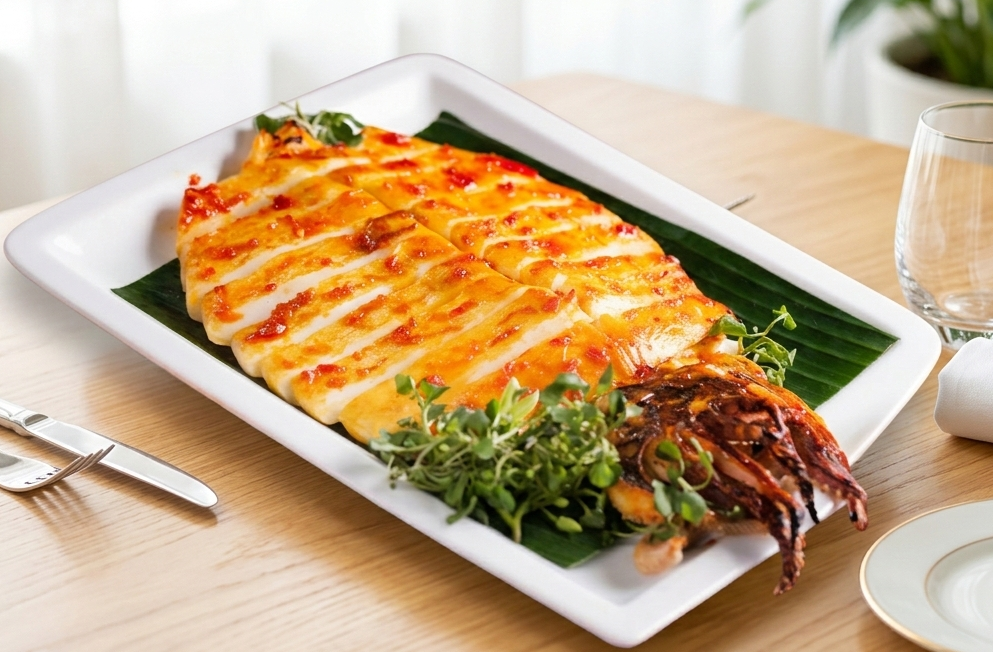
Fresh squid has a distinct sweetness, moderate crispness, and low fishiness if processed correctly; therefore, it is often classified in the easy-to-eat seafood group. This is a versatile ingredient that can be grilled, stir-fried, steamed with ginger, or deep-fried while still maintaining its natural deliciousness. Processing at the right temperature ensures consistent quality and flavor. Thanks to the diversity in preparation, squid often appears in group meals because it easily caters to many people’s tastes.
2.3. Clams and Cockles
Clams and cockles have a moderate size, soft meat, and a characteristic sweet-清 flavor, so they are often ranked in the easy-to-eat seafood group. When steamed with lemongrass, cooked in porridge, or grilled with scallion oil, this group creates a light sensation, is not greasy, and is suitable for gatherings that require comfort. These bivalve mollusks provide many minerals such as zinc and iron, supporting micronutrient supplementation in the diet. This is a reasonable choice if the group wants to start with an appetizer before ordering more main courses.
2.4. Low-bone marine fish
White-fleshed marine fish with few fine bones, such as pomfret, red snapper, or grouper, are highly appreciated for being easy-to-eat seafood and safe for many audiences. The fish meat is soft, the sweetness is clear, and it can be prepared as steamed, foil-grilled, or hotpot dishes, making it easy for everyone to share at a crowded table. Skillfully selecting fresh fish and simple processing can help maintain the original nutritional value and natural flavor.
3. Why is easy-to-eat seafood suitable for groups?
When dining in a group, the biggest problem often lies not in choosing the restaurant but in choosing dishes so that everyone can enjoy them comfortably. Prioritizing easy-to-eat seafood helps limit pickiness, difficulty in portioning, or unexpected costs, especially during family gatherings, friend meetups, or company parties.
3.1. Easy to portion and order seafood

In a large group meal, dishes need to meet the criteria of being easy to divide, easy to pick up, and convenient for sharing. Easy-to-eat seafood types such as steamed shrimp, grilled squid, low-bone marine fish, or steamed clams are usually served on large plates and can be divided equally without much processing time at the table. Some outstanding advantages include:
-
Moderate size, easy to divide portions.
-
Few fine bones or complex hard shells.
-
Suitable for serving with rice, noodles, or hotpot. As a result, the ordering process becomes simpler, avoiding situations where everyone chooses a different style, causing the menu to lack consistency.
3.2. Suitable for the majority’s palate
Aquatic products have a natural sweetness and high protein content, suitable for many ages when prepared correctly, especially dishes in the easy-to-eat seafood group. Dishes with a light taste and few harsh spices are often more accessible than those that are too spicy, too greasy, or have strong characteristic odors. In reality, group dining often involves differences in age and eating habits. Choosing dishes with neutral flavors and easy-to-combine separate dipping sauces will help each person adjust according to their taste without affecting others. This is an important factor in helping the meal proceed comfortably and limiting debates over whether a dish is “difficult to eat.”
3.3. Optimizing costs in a seafood meal
Cost is a concern when dining with many people. Popular, easy-to-process easy-to-eat seafood types with stable supplies often have more reasonable prices than high-end seasonal types. Prioritizing common aquatic products not only helps control the budget but also ensures stable supply and uniform quality. When you choose the right group of dishes from the start, you can:
-
Easily estimate total costs before ordering.
-
Limit the occurrence of substitute dishes due to picky tastes.
-
Ensure everyone can eat, avoiding waste. In short, choosing the right type of dish suitable for the majority not only helps the meal go smoothly but also creates a general sense of satisfaction for the whole group.
👉 See more: Seafood meal: How to combine dishes and cooking
4. How to choose a Da Nang seafood restaurant for beginners
For those experiencing coastal cuisine for the first time, choosing the right restaurant can determine the entire perception of the meal. There are many cases where the food is delicious, but the space is noisy, the menu is confusing, or there is a lack of advice, making customers feel confused, especially when going in a large group. Therefore, if you prioritize locations with a comfortable atmosphere, transparent menus, and clear sources of fresh ingredients, you will easily enjoy easy-to-eat seafood more fully and be more proactive in ordering.
4.1. Comfortable space, easy to communicate

When dining in a group, the space plays a role no less important than the quality of the dish. A restaurant with large tables, reasonable distances between tables, and a moderate sound level will help people exchange, share dishes, and chat comfortably. For those trying seafood for the first time, a clean, clearly arranged space and a transparent ingredient display area will create a sense of peace of mind before ordering.
4.2. Clear menu, dedicated advice
One of the common difficulties for newcomers is not knowing which type to choose, how to prepare it, and what portion size is enough, especially when looking for easy-to-eat seafood suitable for the whole group. Restaurants with detailed menus, clearly stated prices, preparation methods, and weights will help guests compare and consider their budget easily. Besides, a team of staff who understand the dishes and are ready to advise based on the number of people and general taste will help limit the situation of ordering too much or choosing inappropriate dishes.
4.3. Prioritize seafood restaurants near the sea
In Da Nang, many restaurants are concentrated in the coastal area, convenient for importing fresh ingredients during the day. According to information from the Da Nang Department of Tourism, local seafood is exploited and distributed quickly within the day, helping to ensure freshness and maintain natural flavor, which is particularly suitable when choosing easy-to-eat seafood for beginners. For newcomers, choosing a restaurant near the sea not only increases the ability to use fresh ingredients but also creates a sense of trust in food quality. When ingredients are guaranteed, simple preparation methods are enough to bring a pleasant experience without needing too many complex spices.
👉 See more: Seafood Restaurant in Da Nang – Top Local Dining Spots for Tourists
5. Suggestions for an easy-to-eat seafood experience at Kim Seafood Restaurant
At Kim Seafood, dishes are built towards balancing flavors, prioritizing fresh ingredients and simple processing so that diners can enjoy easy-to-eat seafood without pressure regarding taste or usage.
5.1. Diverse menu for group seafood
The menu at the restaurant is clearly designed according to each group of ingredients such as shrimp, squid, marine fish, and clams, helping guests easily compare and choose easy-to-eat seafood based on the number of people. Popular dishes are prioritized with familiar preparation methods like steaming, grilling, light stir-frying, or hotpot, suitable for most palates. Furthermore, prices and portions are shown transparently, helping guest groups proactively balance their budget before ordering. This not only limits waste but also ensures everyone at the table can enjoy a dish suitable for their preferences.
👉 See more: Group seafood dining: What to order for large groups?
5.2. Book a table at Kim Seafood to take control of the space

For large groups, booking in advance is a simple way to ensure private space and stable service time. When proactively booking, guests can discuss in advance the number of people, dish requirements, and arrival time, from which the restaurant can make appropriate preparations. A reasonably arranged space with large tables and comfortable seating areas will facilitate sharing dishes, chatting, and enjoying. For family gatherings, company parties, or groups of friends, preparation always helps the experience be complete and limits unwanted occurrences during peak hours.
6. Tips for arranging a harmonious, easy-to-eat seafood meal
When dining in a group, the issue is not just what to choose but also how to arrange the enjoyment reasonably so that everyone feels comfortable from the beginning to the end of the meal. A menu coordinated in the order of Steamed – Grilled – Hotpot will help balance the taste buds, limit the feeling of greasiness, and create conditions for everyone to approach easy-to-eat seafood in the most natural way. To effectively apply this when building an easy-to-eat seafood menu, you can implement it in the following sequence:
-
Start with steamed dishes: Shrimp, squid, or white-fleshed fish steamed with ginger or lemongrass helps preserve the original sweet taste and creates a light feeling when starting the meal.
-
Follow with grilled dishes: Choose light chili salt grilling, foil grilling, or plain grilling to increase flavor without making the dish too bold.
-
Finish with a light hotpot: A seafood hotpot with a slightly sour taste or clear broth will help balance the overall meal and is suitable for the whole group to share.
This arrangement helps the taste buds not become “overloaded” by strong spices right from the start, while ensuring a reasonable flavor transition between dishes. In addition, combining different processing methods also helps diversify the experience while maintaining general harmony. When building a menu with calculation instead of random ordering, the meal will be more complete, especially for those new to trying seafood or groups with different palates.
7. Conclusion
Choosing the right dish from the start helps newcomers no longer hesitate to try coastal cuisine, while creating comfort for the whole group throughout the meal. When prioritizing easy-to-eat seafood, you will easily balance tastes, control costs, and fully enjoy the characteristic fresh flavors of Da Nang seafood without the pressure of taste or how to enjoy it.
From practical experience and nutritional recommendations on increasing the consumption of fresh aquatic products in a reasonable diet, it can be seen that starting with simple, familiar choices is always a safe and effective approach. If you are planning a family gathering, a meeting with friends, or hosting guests, try applying the suggestions in the article to build a harmonious, accessible, and memorable meal right from the first experience.
Contact Information:
- Address: Kim Seafood, A2.01 Ly Nam De Street, An Hai Trung Ward, Son Tra District, Da Nang, Vietnam.
- Phone: 0916111143
- Opening Hours: 10:00 AM – 11:00 PM
- Email: hello.kimseafood@gmail.com
- Facebook Fanpage: Hải sản KIM Seafood