Seafood meal: How to combine dishes and cooking
A complete seafood meal is not only about fresh ingredients but is also determined by the art of combining dishes and peak preparation methods from the chef. To have a fulfilling seafood meal, fresh ingredients are not enough; one also needs the art of food pairing and accurate cooking techniques. Many people often make mistakes when ordering, causing the palate to quickly become saturated or wasting expensive ingredients.
This article will share the secrets to help you categorize your menu scientifically, choose the appropriate cooking techniques for each type of ingredient, and avoid common errors to elevate your culinary experience. Let’s discover how to create a perfect banquet where every fiber of fish or shrimp retains its juiciness and most exquisite flavor.
1. What makes a truly perfect seafood meal?
Many believe that simply choosing the right fresh ingredients is enough to create a quality seafood meal, but reality shows that freshness is only the initial foundation. A complete seafood meal also depends on how you combine groups of dishes, the appropriate processing methods for each type of ingredient, and the balance of taste throughout the meal; without this calculation, diners easily fall into a state of overlapping flavors, getting bored quickly, or feeling full but not truly satisfied.
The core issue lies not in ordering many dishes, but in how you arrange and handle the food so as to maintain the natural sweetness, meat texture, and overall harmony, and that is exactly what this article will specifically analyze to help you optimize the quality of every seafood meal.
1.1. Fresh seafood is the foundation but not enough
The quality of ingredients determines about 50% of the success of the dish; however, if prepared incorrectly or combined irrationally, the meat can become dry, dehydrated, or have its natural flavor overwhelmed by excessively strong spices. Therefore, freshness is a necessary condition but does not guarantee a balanced and attractive meal.
1.2. Harmony between palate – quantity – cooking method
A reasonable seafood meal needs a distribution between light and bold dishes, between steaming, grilling, and stir-frying methods, and must be suitable for the number of diners. When these factors are calculated correctly, the culinary experience will be more seamless and pleasant.
1.3. Why do many people still feel “unsatisfied” despite good ingredients?
The cause usually comes from ordering based on intuition, lacking a strategic arrangement, or focusing too much on one processing group. This causes the overall meal to lose balance, reducing the level of satisfaction even though the seafood quality is not low at all.
2. Categorizing dishes in a seafood meal to avoid overlap and boredom
A common mistake when ordering is choosing too many similar ingredients or overusing one cooking style, causing the palate to quickly become saturated. To have a complete seafood meal, you need to know how to arrange the dishes in a logical sequence, moving from light to bold flavors to maintain excitement until the end of the meal.
2.1. Steamed group – preserving the original ocean sweetness
This preparation method honors the maximum original freshness of the ingredients. Dishes such as steamed flower crab with beer, dried shrimp, or steamed two-colored clams with lemongrass not only stimulate the palate with purity but also ensure you clearly feel the juiciness and natural crunch of delicious seafood without being dominated by spices.
2.2. Grilled group – increasing layers of aroma
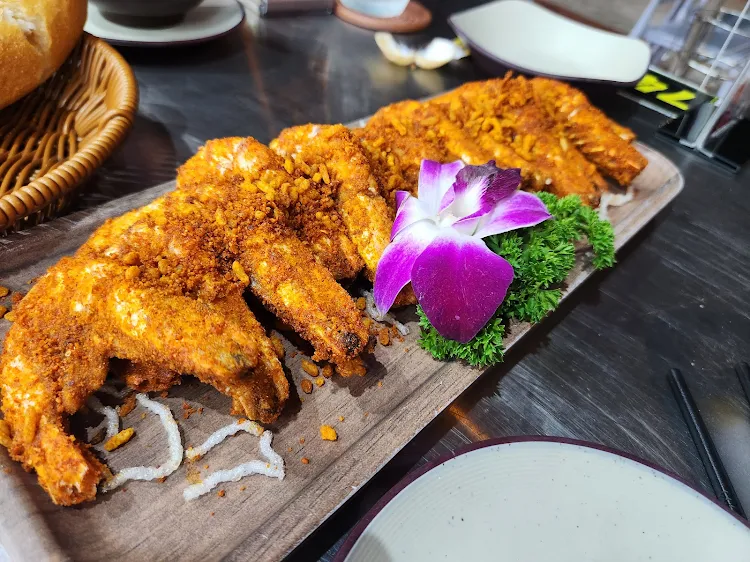
Once the palate has been activated, grilled dishes will bring an explosion of smell. The characteristic aroma from charred shrimp shells, grilled oysters with scallion oil, or grilled squid with chili salt creates a passionate layer of flavor. The dryness and light crunch of grilled food help change the texture of the dish, avoiding a monotonous feeling.
2.3. Stir-fried group – bold and stimulating to the palate
This is the segment for sauces to take the throne. Stir-fried dishes like salted egg yolk stir-fried ivory snails or mantis shrimp with salt bring richness, greasiness, or spiciness. This group plays an important role in creating highlights, helping diners feel more delicious thanks to the skillful combination of seafood and characteristic spices.
2.4. Hotpot group – finishing the meal with a rounded taste
Hotpot is the perfect choice to “close out” the menu. Sour and spicy or sweet broth helps neutralize the amount of protein consumed previously. Sipping a bowl of hot broth with green vegetables and vermicelli not only fills the stomach but also leaves a pleasant aftertaste, making the overall meal perfect and sophisticated.
👉 See more: Delicious seafood: how to choose and enjoy it the right way
3. How to choose the appropriate processing method for each type of seafood
To have a perfect seafood meal, understanding the characteristics of each type of ingredient is the decisive factor in dish quality. Errors in preparation not only lose nutritional value but also ruin the natural meat structure.
3.1. Shrimp, crab: when to steam – when to stir-fry
Shrimp and crab have protective shells, but the meat inside is very sensitive to temperature and spices. Steaming is the preferred choice when you possess fresh ingredients, helping to preserve the moisture and characteristic sweet taste of the meat fibers. Conversely, stir-frying or roasting methods (such as roasting with salt or tamarind) should be applied when you want to create a harmony between the salty-sweet taste of spices and a crispy shell, usually suitable for small shrimp or thin-shelled crabs.
3.2. Flower crab, squid: avoid cooking too long which loses sweetness
The muscle structure of flower crabs and squid is very easy to change if exposed to heat for too long, making them tough and dry. For squid, the cooking time is measured only in minutes; when the squid has just firmed up and turned opaque white, that is the time when the meat is crunchiest and sweetest. With flower crabs, steaming too thoroughly will cause the sweet juice inside to flow out, making the meat mushy and reducing the inherent richness of a standard seafood meal.
3.3. Clams, snails: should you grill with scallion oil or stir-fry with satay?
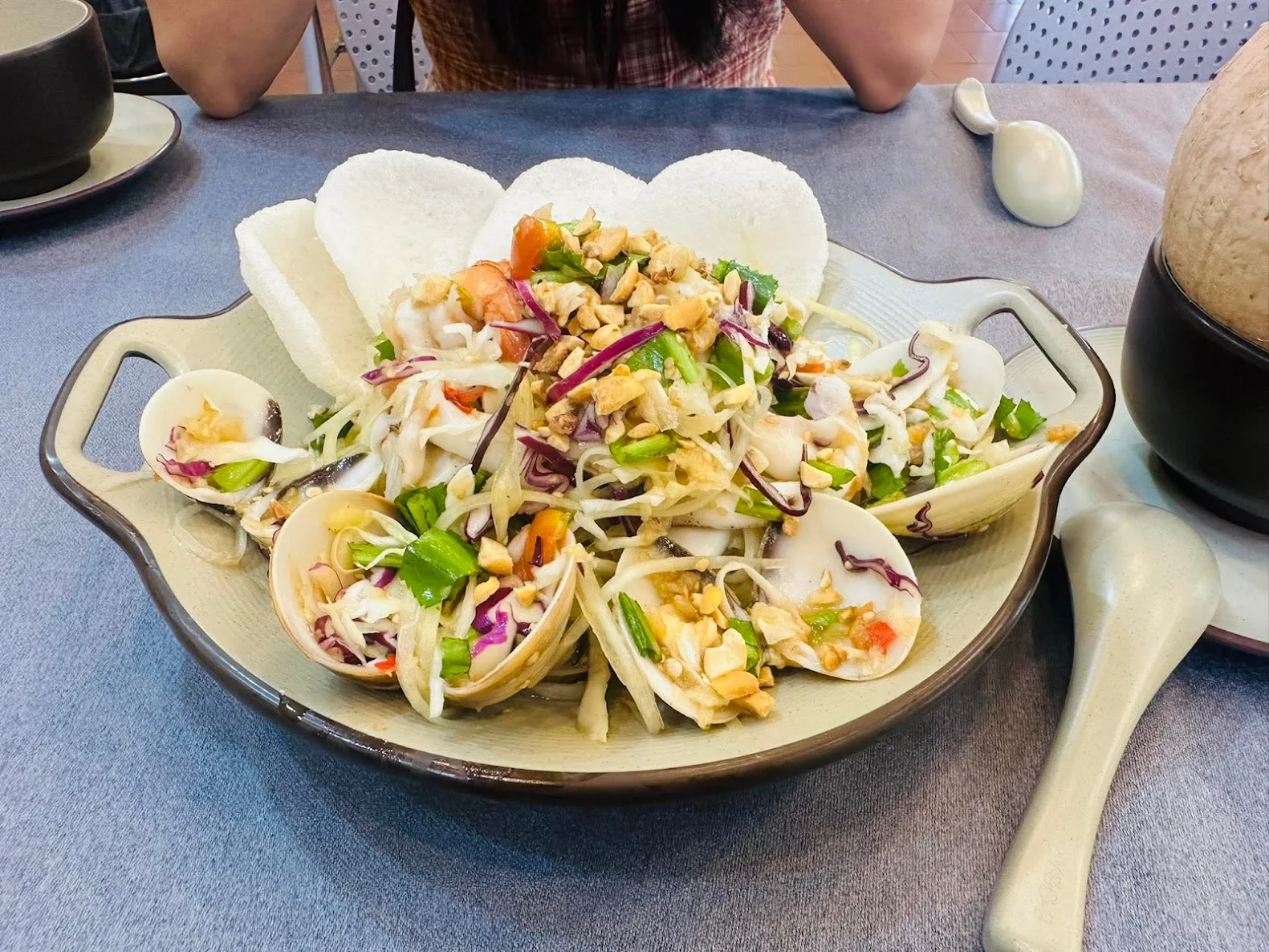
The choice between grilling and stir-frying depends on the characteristics of the shell and the thickness of the snail meat. Clams with flat shells like hairy clams or scallops are very suitable for grilling with scallion oil because the heat from the charcoal helps the oil penetrate deeply, bringing out the aroma without drying the meat. Meanwhile, snail types with spiral shells and chewy meat like ivory snails or razor clams are more appetizing when stir-fried with satay or garlic, helping the sauce sneak inside, creating an explosion of flavor for the seafood meal when enjoying.
3.4. High-end seafood: prioritize minimal spices
For expensive seafood lines like lobster, abalone, or grouper, the golden rule is “the fewer spices, the better.” Abusing too many thick sauces will completely overwhelm the delicate flavor of premium ingredients. Water steaming or plain grilling with a bit of garlic butter is the best way to honor the firm, sweet meat structure and retain the maximum high nutritional content present in these foods in your seafood meal.
👉 See more: Premium seafood – A fresh ocean flavor experience worth trying
4. Balancing portions and the pace of serving in a seafood meal
Ordering excessively or in the wrong service order often leads to waste and reduces the diners’ enjoyment experience. A truly sophisticated seafood meal lies not only in high-end ingredients but also in the scientific calculation of quantity and serving speed.
4.1. How many dishes are reasonable for 2–4–6 people?
The basic principle for quantifying for a group of guests is to take the number of people and add 1 or 2 dishes depending on the eating capacity of each member. For a group of 2, about 3 main dishes are enough to feel the diversity without overloading the digestive system. For a group of 4–6 people, an ideal menu usually includes 1 light appetizer, 3–4 main processed dishes (shrimp, crab, fish, snails), and ends with 1 starch dish or hotpot to ensure everyone in the seafood meal is full.
4.2. Avoid ordering too many fried – stir-fried dishes at the start of the meal
The biggest mistake that makes diners quickly feel “greasy” is consuming too much oil and fat right from the first minutes. Deep-fried, garlic butter stir-fried, or salt-roasted dishes often have very strong flavors and high fat content, easily causing a false sense of fullness and overwhelming the natural sweetness of the steamed dishes that follow. The advice is to prioritize light, less-spiced dishes first to keep the palate in its most sensitive state before moving on to dishes with bolder preparation methods.
4.3. The role of palate-neutralizing dishes
In a menu dense with protein, the appearance of neutralizing dishes such as green salads, papaya salad, or dishes with a sour, fresh taste is extremely necessary. They act as a “reset button” for the palate, helping to remove the greasy feeling and clean the mouth after each different dish. Interspersing short breaks with green vegetable dishes not only helps prolong the enjoyment time but also helps the body absorb nutrition in the seafood meal more effectively and comfortably.
5. Common mistakes that make a seafood meal less than complete
Many people often think that just having fresh seafood is enough, but in reality, how you choose and combine dishes is the factor that decides the success or failure of the banquet. The lack of calculation in the menu planning stage not only causes waste but also makes the palate overloaded, losing the deliciousness of expensive ingredients. Let’s point out the basic errors that most diners often make to help your seafood meal become more sophisticated and standard in taste.
5.1. Ordering only “bold” dishes causing quick boredom
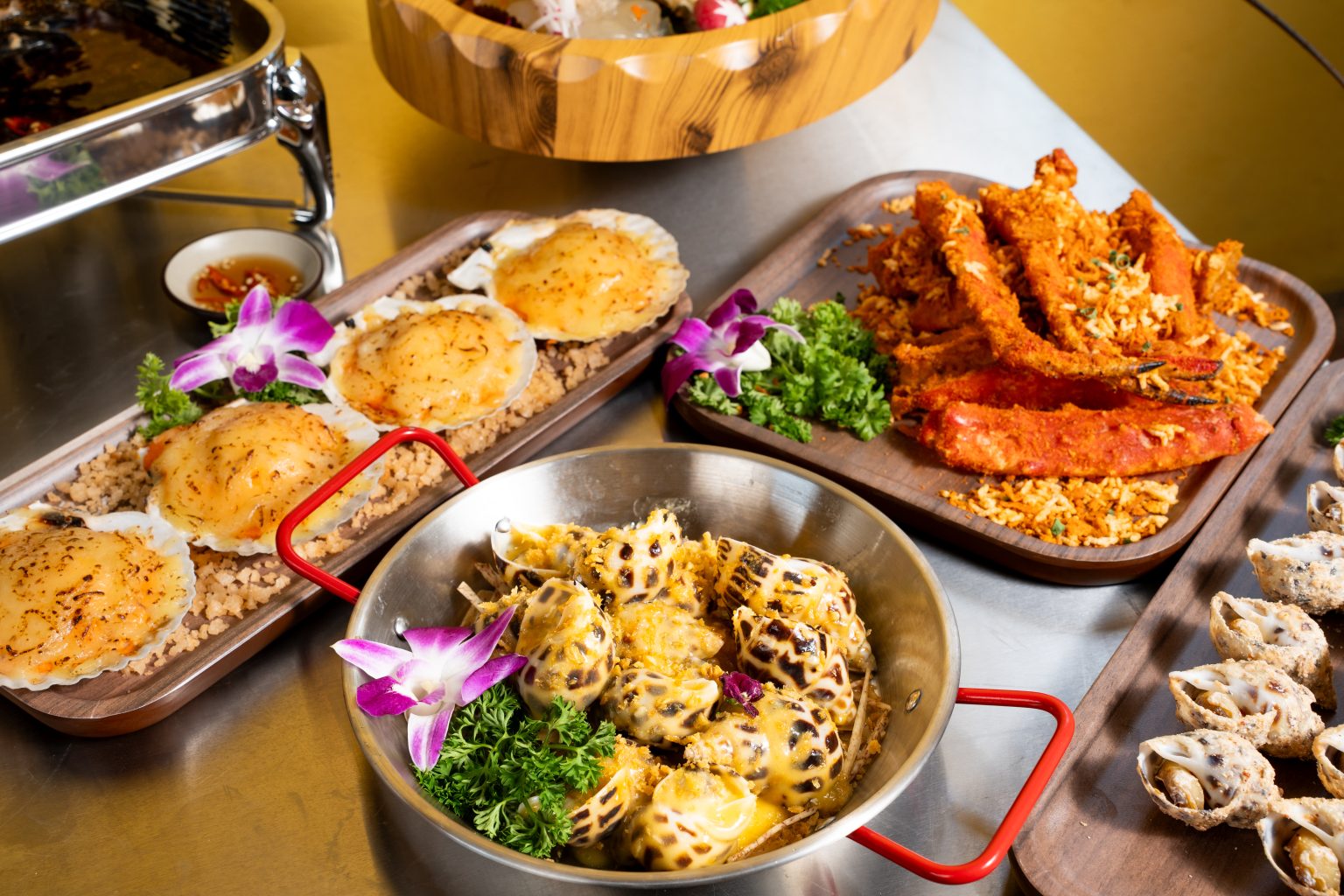
A typical mistake is focusing too much on dishes with heavy spice preparation such as salt-roasting, salted egg sauce, or deep-frying. When too many bold dishes appear at the same time, they will cancel each other out, making you quickly feel full and no longer able to feel the natural sweetness of delicious seafood. The lack of balance between dry dishes and soup dishes, between light and bold flavors, is the leading cause for diners to feel tired after eating.
5.2. Not asking for advice on preparation
Each type of seafood has a perfect “drop point” in terms of temperature and cooking method to maintain the best meat structure. Ignoring the advice of the chef or knowledgeable staff often leads to misaligned combinations, such as taking a soft-fleshed fish to braise saltily instead of steaming it Hong Kong style. It is this subjectivity that loses the opportunity to enjoy the true quality of a premium seafood meal that you have paid a lot of money to have.
5.3. Prioritizing quantity over quality
The psychology of ordering a lot so the banquet table looks full often leads to the food becoming cold before it can be fully enjoyed, making the seafood fishy and tough. Instead of spreading out with a series of side dishes, focusing on 2–3 main types of seafood that are meticulously prepared and eaten while still hot will bring a much higher experience value. The quality of the meat fibers and the juiciness inside are the things that remain at the end, not the number of plates placed on the table in a regular seafood meal.
6. Secrets to eating delicious seafood while still feeling the sophistication
To fully enjoy the value of a seafood meal, processing techniques alone are not enough but also depend on how you enjoy it. Sophistication lies in the fact that you know how to regulate the pace of eating and choose the right destination to honor the value of the ingredients.
6.1. Eat slowly to feel the meat texture
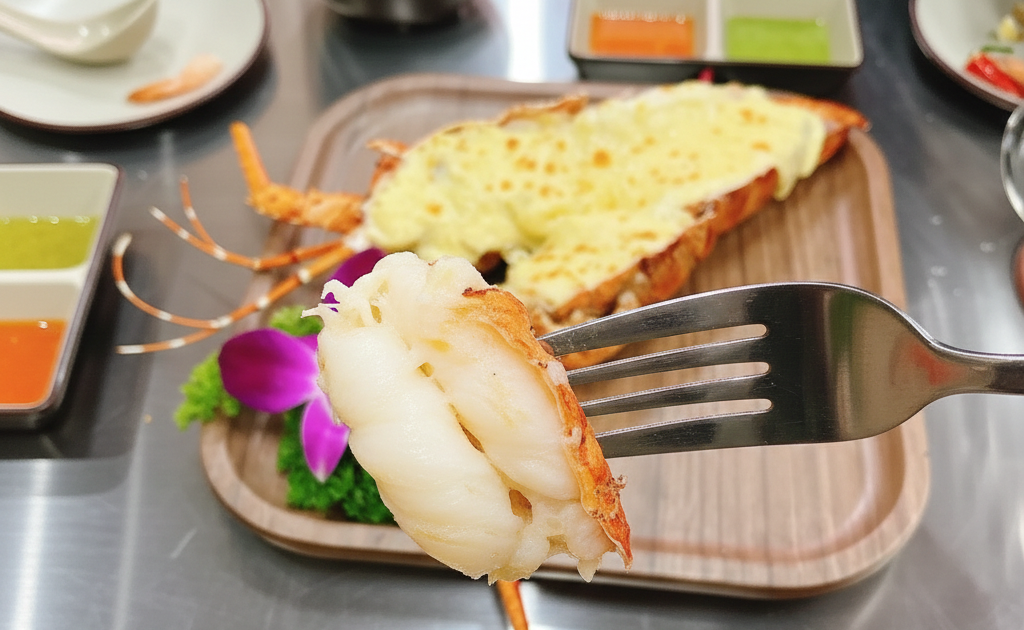
Seafood possesses very diverse meat structures, from the chewiness of squid, the crunchiness of snails to the soft juiciness that melts in your mouth of fish or lobster. When you eat slowly, the palate has enough time to analyze the deep layers of sweet flavor inside the meat fibers instead of just feeling the spices on the outside. Chewing thoroughly also helps release natural enzymes, making the sweetness of the seafood become richer and leave a longer aftertaste throughout your seafood meal.
6.2. Do not abuse strong-tasting dipping sauces
Dipping sauces are born to support and stimulate taste, but abusing too much pungent mustard or thick fish sauce can be counterproductive. Dipping sauces that are too strong will completely overwhelm the characteristic aroma of the sea and the freshness of the ingredients. Try starting by tasting a piece of original seafood or only dipping lightly to feel the difference. A high-class seafood meal is when spices only play a background role, helping to highlight the inherent purity of local products.
6.3. Choose a location that focuses on ingredient quality
In Da Nang, many diners when searching for delicious Da Nang seafood often prioritize places that maintain a balance between preparation and ingredients. A reputable location not only provides fresh seafood at the tank but must also have a team of chefs who understand the characteristics of each type to advise on the most suitable cooking style. Choosing the right restaurant with a strict input selection process will decide 90% of the success for your seafood meal, helping you feel secure in enjoying it without worrying about freshness or food safety.
👉 See more: Fresh seafood – a clear difference in quality and natural flavor
7. Suggested models of a standard seafood meal for different occasions
Each gathering has its own nature, so the way to choose dishes also needs flexibility to suit the atmosphere of the party. A successful seafood meal is when the menu meets the expectations of the participants, from the coziness of a family to the luxury of entertaining partners.
7.1. Family seafood meal

For family meals, the element of closeness and diversity for all ages is always placed at the forefront. You should prioritize popular, easy-to-eat seafood such as black tiger shrimp, leaf squid, or types of clams and snails prepared by steaming or cooking hotpot so that both adults and children can enjoy them. Focusing on dishes that have connectivity and are easy to share on the banquet table will help the family atmosphere become more bustling and bonded.
7.2. Entertaining guests – prioritizing high-end seafood
In meetings with partners or honored guests, the menu needs to show the respect and class of the host through premium ingredients. Choices such as green lobster, king crab, or grouper should be the focal point of the seafood meal, combined with sophisticated processing methods like grilling with garlic butter or Hong Kong-style steaming. The meticulousness in presentation and the quality of firm, sweet meat from these rare types of seafood will help you score absolute points, build trust in the eyes of partners, and elevate the class for your entire seafood meal.
7.3. Dating – choosing light dishes
A party for two requires sophistication and limits dishes that are too elaborate or cause “clutter” when eating to keep the conversation from being interrupted. Light seafood dishes like shrimp salad, grilled oysters with scallion oil, or squid salad are great suggestions for a romantic seafood meal. Prioritize dishes with moderate portions and light flavors to help both feel comfortable and pleasant while still fully enjoying the high class of ocean cuisine.
8. Conclusion
To have a truly complete ocean culinary experience, the freshness of ingredients is only a necessary condition, while the way we choose cooking methods and arrange the order of dishes is the sufficient condition. Understanding the characteristics of each type of seafood helps you not only enjoy the most exquisite flavors but also ensures health for yourself and your family.
A seafood meal that is carefully prepared, balanced between light and bold tastes, will leave an unforgettable impression on every diner. Hopefully, the shares about how to categorize dishes and the secrets to keeping the full meat structure that the article has just provided will help you be more confident when planning menus for upcoming gatherings. Don’t forget that the best seafood meal is when all factors from ingredients, techniques to the banquet atmosphere reach ideal harmony.
Contact Information:
- Address: Kim Seafood, A2.01 Ly Nam De Street, An Hai Trung Ward, Son Tra District, Da Nang, Vietnam.
- Phone: 0916111143
- Opening Hours: 10:00 AM – 11:00 PM
- Email: hello.kimseafood@gmail.com
- Facebook Fanpage: Hải sản KIM Seafood