Go out for seafood: Tips to avoid choosing wrong places
Eating seafood for the first time can be a bit of a gamble. If you don’t prepare carefully, you can easily fall into “laughing through the tears” situations, such as being overcharged or eating seafood that isn’t fresh. This is a common psychological concern for many people when faced with a series of seafood restaurants labeled “live and fresh,” but where the actual quality is far from the advertisement.
Therefore, the importance of researching information before deciding to go out for seafood is extremely necessary to protect your wallet and your health. As long as you know how to observe and hold a few “secrets” to choosing the right establishment, your culinary experience will be completely different.
1. Why do many first-timers easily choose the wrong restaurant?
1.1. Lack of experience in distinguishing live seafood
The biggest mistake for beginners is only looking at the appearance of the dish after it has been prepared instead of observing the ingredients in the tank. You may not know how to identify a firm-fleshed crab by its apron, or how to distinguish fresh shrimp by how firmly the legs and head are attached to the body.
Many restaurants take advantage of customers’ lack of knowledge to mix “fainted” seafood or long-term frozen goods into the menu. This not only affects the flavor of the dish but also poses many risks regarding food safety.
👉 See more: Fresh seafood – a clear difference in quality and natural flavor
1.2. Attracted by “cheap seafood” advertisements
The mentality of liking cheap deals is the biggest trap that leads many people to choose unreliable addresses. Quality seafood, caught and preserved according to standard, always has a certain floor price; it’s rare to find “delicious – nutritious – cheap” in an illogical way.
Shocking discount programs often come with cutting the quality of ingredients or hidden service fees. When you go out for seafood at these establishments, you often face the fact that the actual weight is short compared to what is listed, or the food has lost its natural sweetness.
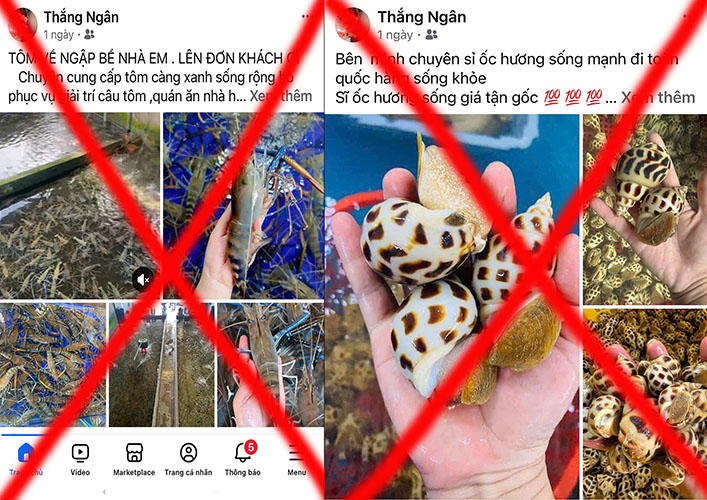
1.3. Not researching the seafood restaurant thoroughly before arriving
Many people have the habit of “entering wherever is crowded” or stopping at a random roadside location without checking actual reviews. Lacking the step of filtering information through food review groups or Google Maps makes you an easy target for restaurants that specialize in “ripping off” tourists.
Each restaurant has its own strength in a certain line of seafood. Not researching carefully causes you to miss out on places with specialty goods and inadvertently walk into places with poor service, ruining the comfort of the meal.
2. Important aspects to consider before choosing
To no longer worry about “losing money and still being stressed,” establishing a set of restaurant evaluation criteria is extremely necessary. Instead of leaving it to luck, you should proactively check factors regarding origin, layout, and actual feedback from those who went before. The notes below will help you be more confident when deciding to go out for seafood anywhere.
2.1. Location – Is it a seafood restaurant near the sea or a reputable supply source?
Many people mistakenly believe that a restaurant must be right on the coast to have delicious food, but in reality, that is not entirely true. A reputable restaurant is sometimes located in the city but has a very strict and fast seafood transportation process from the sea.
The most important thing is that you need to confirm where their supply comes from: is it day-caught seafood or industrial farmed goods? Restaurants with a direct supply from fishing boats or large local seafood depots usually ensure the natural sweetness of the meat.
👉 See more: Seafood by the Beach: A Tourist-Favorite Check-in Restaurant
2.2. Methods of preserving and arranging live seafood to ensure freshness
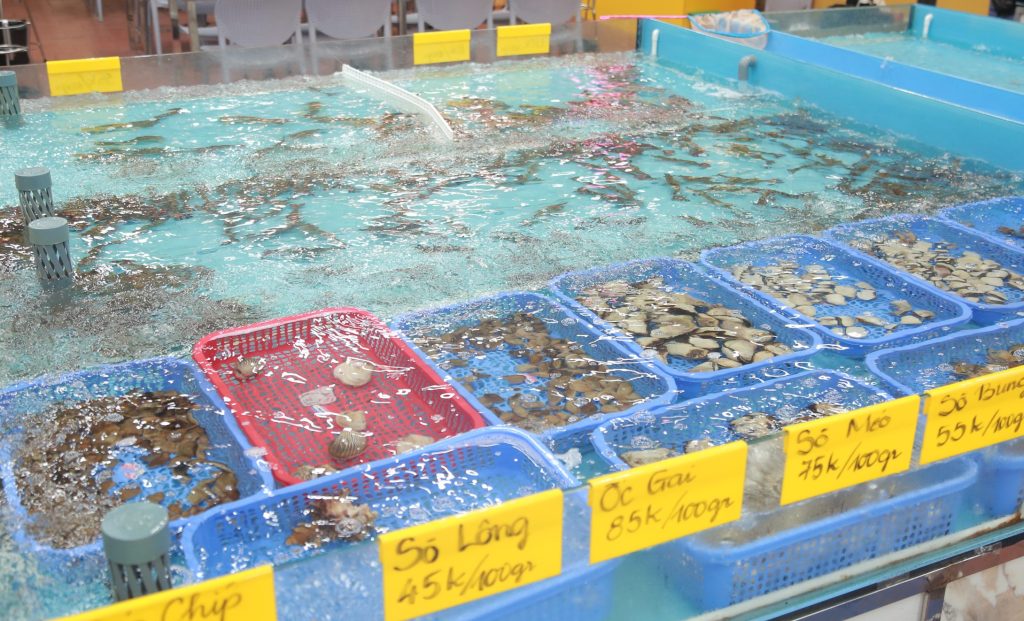
When you step into a restaurant, the tank area is the clearest “ID card” for service quality. For those who go out for seafood for the first time, this is a location you should not skip before ordering. A standard seafood restaurant must have a stable oxygen aeration system, clear water, no dirty foam, and no unpleasant fishy smell.
Spend a few minutes closely observing the activity of each type of seafood in the tank. Healthy fish usually swim flexibly and react quickly when someone approaches; live shrimp will flip strongly when picked up; fresh squid has shiny skin and natural contractile reactions. If you see seafood lying still, floating listlessly, or huddling in the corners of the tank, that could be a sign that the water environment is not guaranteed. When you go out for seafood, proactively observing like this helps you reduce the risk of ordering ingredients that no longer reach the necessary freshness.
2.3. Public pricing, detailed information displayed specifically
The most sensitive issue when you go out for seafood is the cost, especially for items calculated by weight (size). A decent restaurant always has a public price list on the menu or electronic board, clearly stating the unit of measurement as kg or per plate.
Pay special attention to items marked “Market Price” – this is often a loophole for unreliable restaurants to inflate prices during peak hours. Before requesting preparation, you should ask the staff to weigh the goods directly in front of you and reconfirm the total price. Being transparent from the beginning helps both parties feel comfortable and avoids unnecessary arguments when paying the bill.
2.4. Actual reviews from customers who have had seafood in Da Nang
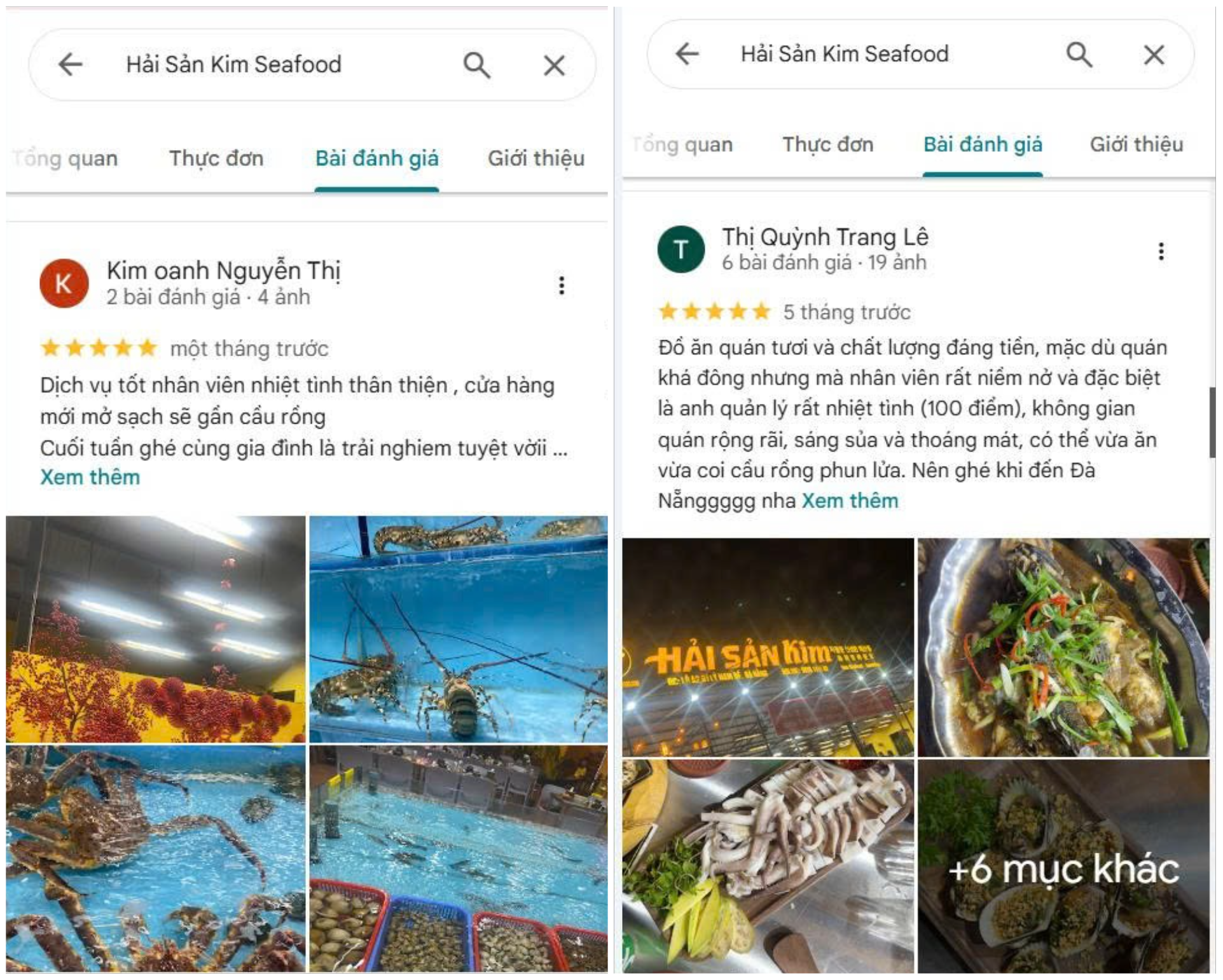
In the age of technology, checking reviews is a powerful “weapon” for savvy consumers. Platforms like Google Maps, Facebook, or local food review groups will provide you with the most objective view.
However, you need to know how to filter information between promotional comments and actual evaluations from users. Prioritize reviews that include real photos of the food and specific complaints about service if any. The experiences of those who have gone out for seafood before will help you know if the restaurant often weighs short, how the staff’s attitude is, and which dish is the “best-seller” to try. Don’t just look at the number of stars; read the content carefully to make a wise decision.
3. How to read the menu to avoid ordering unsuitable dishes
Reading the menu intelligently helps you control both your palate and your wallet when you go out for seafood at new locations. Instead of being drawn into eye-catching illustrations, you need to focus on how the restaurant describes the dishes and the cooking methods. A sophisticated diner will know how to select the restaurant’s strengths instead of ordering randomly based on intuition.
3.1. Should not choose overly complex dishes when first starting to go out for seafood
Many diners tend to choose dishes prepared elaborately with many strange-sounding sauces during their first visit to a restaurant. However, this is a common mistake because concentrated spices can easily mask the taste of seafood that is no longer fresh.
When you go out for seafood at an unfamiliar place, you should limit deep-fried dishes, overly spicy satay stir-fries, or stewed dishes. These methods are often used to utilize ingredients that have been kept for a long time or no longer retain their natural crispness and sweetness. Choosing overly complex dishes not only makes it difficult for you to accurately evaluate the quality of the ingredients but can also easily lead to bloating if the digestive system is not used to strange sauces.
3.2. Prioritize simple preparation to sense the freshness
The best way to verify the reputation of a restaurant is to prioritize steamed, boiled, or plain grilled dishes. When you go out for seafood, choosing minimalist cooking methods will help you accurately evaluate the quality of the ingredients, because if the seafood is no longer fresh, a fishy smell or mushy meat will be revealed immediately.
Truly fresh seafood usually has a natural sweetness, firm meat fibers, and a characteristic aroma without needing elaborate seasoning. According to the experience of many people who go out for seafood, dishes like steamed flower crab, grilled shrimp with chili salt, or steamed squid with ginger are always safe choices to fully experience the freshness and true value of ocean cuisine.
3.3. Ask carefully about weight and the billing method
For items calculated by weight, you should ask the staff to weigh them directly at the tank and subtract the weight of the binding strings or trays if you feel they are too thick. Confirming the billing method clearly from the start is not being picky; it is a way to protect your legitimate rights when you go out for seafood. Don’t forget to ask about processing fees, as some restaurants will separate the price of the ingredients and the cooking fee, which can significantly increase the total bill compared to your original estimate.
4. Common mistakes that make the experience less complete
Many people think that just choosing a place with fresh food is enough, but in reality, mistakes in booking and communication can ruin the fun of the meal. Small details like the arrival time or being hesitant to ask questions can turn an expected evening into a tiring experience. Below are the most common errors you need to avoid so that your journey to go out for seafood takes place smoothly and satisfyingly.
4.1. Going on a whim, not booking a table in advance
On weekends or during peak tourist seasons, reputable seafood restaurants are always in a “sold out” state. Going on a whim and stopping at a restaurant without preparation often puts you in a passive position.
You will have to wait a long time for a seat, or worse, be pushed into cramped, hot, and hidden corner positions. Additionally, when a restaurant is overloaded, they often prioritize serving those who have booked in advance, leading to your dishes being served slowly or not having enough of the best seafood as expected.
4.2. Choosing a place that is too crowded but does not guarantee quality
A common mistake is completely believing in the concept that “the more crowded the restaurant, the more delicious the food.” In fact, when you go out for seafood, a massive number of customers sometimes becomes a pressure for the kitchen and service staff.
When an establishment operates beyond its capacity, the quality of the food can easily decline because the chefs must handle orders continuously to keep up with time. Seafood may not reach the standard ripeness, seasonings may be rushed, or the presentation may lack care. For those who frequently go out for seafood, the experience will also be affected by the noise and the crowding in an overloaded space. Instead of choosing a restaurant just because it’s crowded, you should prioritize locations with a stable customer base and service that remains professional even during peak hours.
4.3. Not asking for advice to eat seafood correctly
Many diners, due to shyness or overconfidence, skip the step of talking to the consulting staff at the restaurant. Each type of seafood has its own preparation and “companion” to highlight the flavor; for example, which type should be steamed, which should be grilled with scallion oil or salted egg sauce.
Not asking carefully about the actual size of the dish also easily leads to ordering too much, causing waste, or ordering too little, interrupting the meal. Staff at reputable restaurants are usually those who best understand which goods came in freshest today and how to coordinate dishes to balance nutrition. Take advantage of this support to ensure every dish you choose when you go out for seafood is a right and worthwhile choice.
👉 See more: Eat seafood properly to fully enjoy the ocean’s fresh sweetness
5. Suggestions for feeling confident and comfortable when you go out for seafood for the first time
To have a complete meal, you don’t need to be a culinary expert; you just need to equip yourself with a proactive attitude when communicating with the restaurant. Careful psychological preparation and the way you choose a location will help you completely eliminate the feeling of bewilderment. Below are the most practical secrets to help you master every situation when you go out for seafood in new environments.
5.1. Find a seafood restaurant with a clear service style

A professional restaurant always shows transparency from the moment they welcome customers until the dishes are served. When you go out for seafood, you should prioritize establishments with standardized service procedures, where staff proactively introduce new seafood imported during the day or information about ongoing promotions.
A clear service style is also shown in staff being ready to give specific advice on portions, pricing, and surcharges if any. For those who regularly go out for seafood, this transparency helps avoid unnecessary misunderstandings when paying. Units that value reputation often have neat uniforms, professional attitudes, and polite communication, creating a sense of trust from the very first minutes. That meticulousness shows the restaurant is seriously investing in the customer experience rather than just aiming for immediate profit.
5.2. Proactively discuss needs with staff
Proactive communication also helps you avoid troubles regarding food allergies or ordering dishes that don’t suit your taste. When you show yourself as a customer with clear requirements, the staff will also advise more carefully and rarely dare to be negligent in the preparation stage. Good interaction between the guest and the staff will help the meal atmosphere become much more friendly and comfortable.
5.3. Prioritize locations with a diverse Da Nang seafood menu
If you intend to enjoy cuisine in coastal cities, look for restaurants that focus on the diversity and freshness of local ingredients. Some restaurants in Da Nang today have elevated the experience by building a transparent service model, allowing customers to hand-pick and view seafood directly at the tank before it is taken for processing.
This model helps those who go out for seafood for the first time no longer feel pressured or afraid of “choosing wrong,” because every stage from weighing to picking the freshest one happens right before their eyes. Owning a rich menu from various types of shrimp, crabs, and fish to strange snails will give you many choices suitable for your budget. Locations that value advising on dishes suitable for the number of people going will be the ideal “stopping point” for you to have a perfect start to sea cuisine.
👉 See more: Seafood Restaurant in Da Nang – Top Local Dining Spots for Tourists
6. Conclusion
Mastering the criteria from choosing a restaurant and checking freshness to reading the menu will help you always master the situation when you go out for seafood. Instead of worrying about price or quality, careful preparation of information is the key for you to fully enjoy the refined flavor of the ocean.
Turn this first time into a memorable memory by immediately applying the “secrets” for choosing a smart restaurant suggested in the article. Hopefully, these practical shares will help you be more confident and soon find yourself a “favorite” address to enjoy seafood whenever you have the chance.
Contact Information:
- Address: Kim Seafood, A2.01 Ly Nam De Street, An Hai Trung Ward, Son Tra District, Da Nang, Vietnam.
- Phone: 0916111143
- Opening Hours: 10:00 AM – 11:00 PM
- Email: hello.kimseafood@gmail.com
- Facebook Fanpage: Hải sản KIM Seafood