Delicious seafood: how to choose and enjoy it the right way
Many people, when dining out, often rely on prices or the busyness of a restaurant to judge quality, but in reality, these factors do not fully reflect the true value of the dish. There are many cases where seafood is sold at high prices but lacks freshness, tastes bland, or fails to maintain its natural texture, leading to a dining experience that falls short of expectations. This shows that evaluating seafood based solely on external perception or word-of-mouth is not enough to guarantee quality.
Let’s explore how to identify delicious seafood through very specific signs, ranging from color, scent, and meat elasticity to the preservation methods used before processing.

🔍 What is Delicious Seafood? Why “Fresh” Doesn’t Always Mean “Delicious”
How delicious seafood differs from seafood that is merely “still fresh”
Many people often equate live seafood with quality; however, in reality, these two factors are not entirely the same. Seafood that is still alive only reflects its biological state at the time of observation, while delicious seafood is evaluated based on flavor, meat texture, and the sensation when eating. Some types of seafood, though still alive, can have bland or less sweet meat, while others, if handled correctly, still retain a distinctively delicious taste.
Factors directly affecting the quality of delicious seafood
The quality of seafood depends largely on the growth environment and the harvesting area, as water conditions directly affect the smell and taste of the meat. Additionally, the shorter the time from harvest to processing, the higher the ability to retain natural sweetness. Intermediate storage conditions are also a deciding factor in whether the seafood achieves a high-quality status.
Why connoisseurs pay attention to signs rather than advertisements
Experienced diners rely on physical signs such as color, elasticity, and scent instead of promotional information. Direct experience helps them accurately identify delicious seafood, avoiding dependence on labels or subjective introductions. This habit of careful observation helps them choose seafood with consistent quality.
👉 See more: Fresh seafood – a clear difference in quality and natural flavor
🎨 Identifying Delicious Seafood Through External Colors
Natural color – The first sign of delicious seafood

Color is the first factor that helps buyers quickly assess seafood quality before considering other criteria. High-quality seafood usually has a natural color, neither too shiny nor dull, with the surface maintaining the characteristic freshness of each species. Conversely, products with unusual colors—too bright or dark—are often related to poor preservation or being stored for too long.
Fish: What the skin, eyes, and gills tell you
For fish, bright and even skin color indicates that the fish retains the necessary freshness to ensure flavor during processing. Clear eyes (not cloudy) and bright red gills are common signs recommended by food safety documents when choosing fish. These characteristics directly reflect the ability to maintain the natural sweetness of the fish meat after cooking.
Shrimp and Crab: What to note about shells and joints
Quality shrimp and crabs usually have hard shells, clear colors, and no slimy layer on the surface. Firm leg joints that are not loose indicate that the seafood has not begun to decompose and still maintains a good meat structure. This is an important sign to recognize delicious seafood, especially when choosing shrimp or crab for steaming or boiling.
Squid and Octopus: Transparency and elasticity
High-quality squid and octopus usually have a naturally clear color; the body is not opaque and has no strange splotches. When pressed lightly, the meat has good elasticity and quickly returns to its original shape, showing a firm texture. These characteristics help ensure delicious seafood when processed, while limiting mushy meat or loss of flavor after cooking.
🍃 Scent – An Important but Often Overlooked Sign
What the standard scent of delicious seafood is like
Scent is a factor that clearly reflects the condition of seafood but is often overlooked by buyers. High-quality seafood usually has a light, briny ocean smell that is not pungent or unpleasant upon close contact. This is a sign that the ingredients still maintain their natural state and have not been negatively impacted during preservation.
Abnormal odors warning of poor quality seafood
Smells such as ammonia, sourness, or chemical odors are clear signs that the seafood has been altered or handled incorrectly. According to food safety recommendations, these odors usually appear when seafood is kept for too long, stored at the wrong temperature, or intervened with inappropriate additives. Recognizing these early helps consumers avoid choosing substandard ingredients that directly affect the dish’s flavor.
Why reputable restaurants control scent strictly
Experienced dining establishments pay special attention to odor control right from the ingredient reception stage. The process of selecting, preserving, and rotating seafood is strictly implemented to maintain the natural scent and eliminate the risk of strange odors. This tight control ensures delicious seafood when processed, while creating peace of mind for diners throughout their experience.
✋ Elasticity and Meat Texture – The Deciding Factor of Taste
Testing elasticity by hand: A simple but effective method

Meat elasticity is one of the easiest signs to recognize when evaluating seafood quality. When pressed lightly by hand, meat that meets standards will quickly return to its original state, leaving no indentation or feeling of mushiness. This testing method is recommended by many food safety guidelines because it provides visual and easy-to-apply results.
How meat texture affects the eating experience
Meat texture directly determines the diner’s perception throughout the meal. Delicious seafood with firm, clear fibers that aren’t mushy usually brings a natural sweetness and does not become dry or soggy when processed. This is also why delicious seafood always creates a clear difference compared to ingredients that have declined in quality.
Why delicious seafood needs little seasoning when cooked
High-quality seafood possesses an inherent sweetness coming from its meat structure and natural water content. When processed, these ingredients only need proper heat to retain their full flavor without relying heavily on spices. This characteristic helps diners easily recognize delicious seafood while preventing the dish from being overpowered by seasonings.
🍽️ Signs of Delicious Seafood After Cooking
What the color of the dish after cooking says
After processing, the color of the dish is the first sign reflecting the initial quality of the ingredients. Standard seafood usually has a natural color, is not dull or abnormally dark, and the broth or sauce is not cloudy. These manifestations show that the proteins in the meat have not been denatured due to poor ingredients or improper preservation.
Sweet aftertaste – A key criterion for delicious seafood
The sweet aftertaste is the sensation remaining after chewing and swallowing, helping to clearly distinguish seafood quality. High-quality seafood usually provides a mild sweetness that spreads gently in the mouth without causing a dry throat or strange aftertaste. This is a characteristic considered by many culinary and food safety documents as an important criterion to evaluate delicious seafood after cooking.
Meat fibers: Firm or mushy?
When enjoying the meal, the meat fiber is the element that best shows the quality of the ingredient. Delicious seafood usually has firm meat, clearly separated fibers, and maintains moderate moisture, without being mushy or crumbly when chewed. Conversely, soft, mushy, or easily crumbled meat is often related to old ingredients or those handled incorrectly.
Why the same dish tastes different at different places
Even with the same cooking method, the flavor can differ significantly between service locations. This difference comes from the input source, pre-processing techniques, and temperature control during cooking. When these factors are ensured synchronously, the dish will retain its full natural sweetness and help diners easily recognize delicious seafood from the very first bite.
📍 How to Choose a Place to Always Enjoy Delicious Seafood
Prioritize places that disclose seafood sources
Destinations that emphasize transparency often win the full trust of diners. Owning a modern display tank system that allows customers to directly observe and hand-pick ingredients helps you accurately assess the freshness, color, and vitality of the seafood before it goes on the scale. This is the “key” to ensuring the standard flavor of delicious seafood, especially for dishes requiring absolute freshness like hydrothermal steaming or plain grilling.
Don’t just look at the crowd – Look at the process
A large crowd can be a sign of popularity, but it does not always guarantee stable quality. Connoisseurs are more interested in food rotation. Seafood needs to be rotated quickly during the day and stored at standard temperatures to maintain natural sweetness. If the preservation process is not up to standard, no matter how busy the restaurant is, the flavor of the dish will significantly decrease.
The refined experience of sophisticated diners
Instead of chasing the number of dishes or cheap prices, those with a sense of taste often look for spaces that prioritize the core quality of ingredients. They value stability in flavor and professional seafood handling techniques before cooking.
The meticulous investment in the selection stage, such as the way Kim Seafood operates, has helped maintain the momentum of delicious seafood sustainably. A closed process from selection to processing not only helps retain the essence of the ocean but also brings a consistent experience, making diners always satisfied upon every return.
👉 Reference for booking at: Kim Seafood reservation – Enjoy authentic Da Nang seafood
✅ Why Understanding the Signs Helps You Always Eat Delicious Seafood

Choosing seafood is not just based on emotion or luck; it needs to stem from specific signs that can be observed and verified. When clearly understanding the factors reflecting freshness, origin, and preservation methods, consumers have the ability to be more proactive in every dining decision. This is the foundation for maintaining a stable experience of delicious seafood, whether eating at a market, supermarket, or restaurant.
Proactively choosing deliciousness – Not depending on luck
Grasping the recognition signs helps diners proactively evaluate seafood quality instead of relying on introductions or initial feelings. Criteria such as natural color, elasticity, characteristic scent, and display methods can all be applied flexibly in various contexts. When the choice is based on knowledge, the ability to enjoy delicious seafood will be higher with fewer quality risks.
A complete seafood experience starts with understanding
The quality of a meal does not only come from how the dish is processed but starts right from the stage of identifying ingredients. When diners understand why a type of seafood is rated as fresh, safe, and worth choosing, they will feel more secure during the enjoyment process. This understanding helps the dining experience become consistent, selective, and retains the true value of delicious seafood.
👉 See more: Eat seafood in Da Nang – local people’s top food spots
🎯 Conclusion
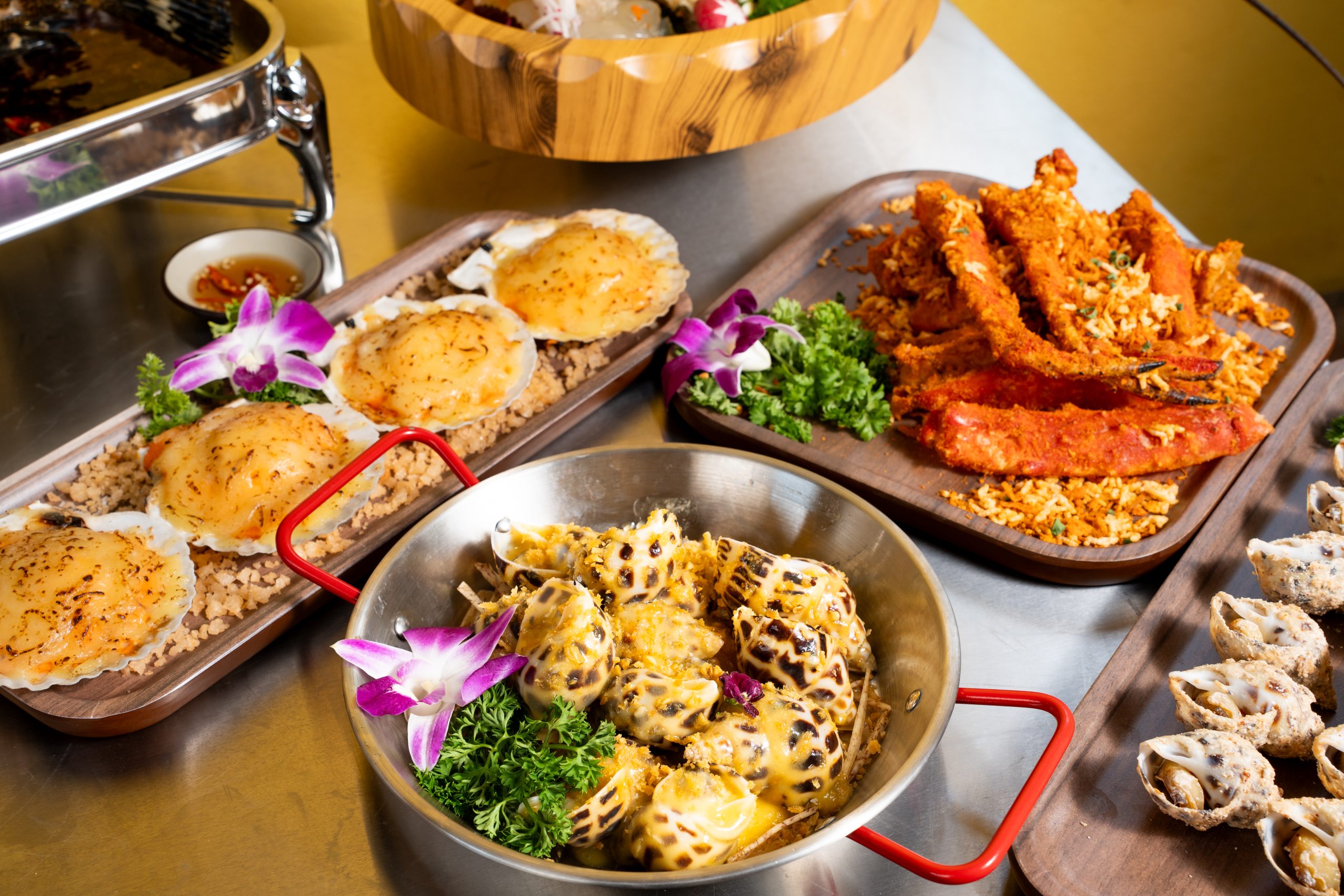
Looking back at the analyzed content, it can be seen that recognizing quality seafood is based on clear signs such as freshness, scent, color, and preservation conditions, rather than emotion or advertising. When grasping these criteria, consumers will easily distinguish between standard ingredients and options with potential risks. This is an important foundation for accurately and objectively evaluating delicious seafood.
Understanding the signs correctly not only makes the meal more appetizing but also brings peace of mind throughout the enjoyment process. Proactive observation and checking help diners better control the quality of the dish, whether buying at a market, supermarket, or dining at a restaurant. When knowledge becomes a habit, the seafood dining experience will be more stable and reliable.
From there, consumers tend to prioritize locations that focus on ingredient quality and practical experience, rather than places that only focus on promotional forms. When ingredients are carefully selected and handled correctly, the natural flavor of delicious seafood will be clearly felt without the need for noisy introductions. This is also a simple way for every seafood meal to become complete and truly valuable.
👉 See more details at: Fresh Seafood in Da Nang: A Comprehensive Guide to Vietnam’s Culinary Gem
Contact Information:
- Address: Kim Seafood, A2.01 Ly Nam De Street, An Hai Trung Ward, Son Tra District, Da Nang, Vietnam.
- Phone: 0916111143
- Opening Hours: 10:00 AM – 11:00 PM
- Email: hello.kimseafood@gmail.com
- Facebook Fanpage: Hải sản KIM Seafood