The Ultimate Guide to Da Nang Seafood Market: Fresh Catches, Local Secrets & The Perfect Night Out
If you ask any global traveler or local foodie what makes Da Nang—the crown jewel of Central Vietnam—so unforgettable, the answer will inevitably lead you to the ocean. With over 30 kilometers of pristine coastline, Da Nang is not just a tropical paradise; it is a seafood lover’s heaven.
For those looking to experience the raw, energetic, and authentic culinary heartbeat of the city, exploring a Da Nang Seafood market is an absolute must-do.
In this comprehensive guide, we will take you on a deep dive into the absolute best seafood markets in Da Nang, share expert insider tips on how to navigate them like a local, introduce you to a hidden culinary gem called Kim Seafood, and show you how to craft the perfect evening itinerary combining a world-class seafood dinner with a lively stroll through the iconic Son Tra Night Market.
1. Why Da Nang is a Seafood Paradise: The Geography of Freshness
Before we step foot into the bustling markets, it is essential to understand why the seafood here tastes uniquely sweet, firm, and incredibly fresh.
Da Nang is blessed with a unique geographical position. Situated right next to the deep-sea currents of the East Sea and surrounded by the rich marine ecosystems of the Son Tra Peninsula and the Cham Islands, the waters here boast ideal salinity and temperature.
Key Marine Data of Da Nang Waters (Annual Average)
-
Average Water Temperature: 24°C – 28°C (Ideal for diverse marine life propagation).
-
Salinity Levels: 32‰ – 34‰ (Creates the signature natural sweetness in local shellfish).
-
Key Marine Species: Over 260 species of fish, 15 species of shrimp, and dozens of rare mollusks, crabs, and lobsters.
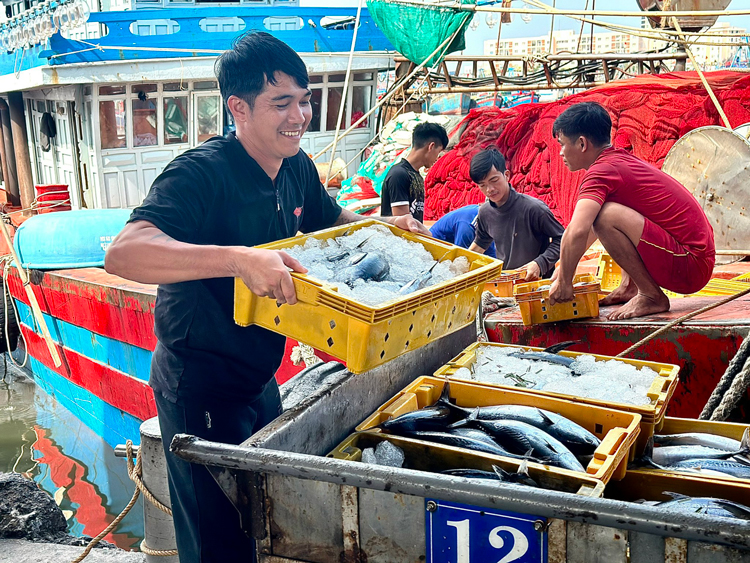
Every single night, hundreds of wooden fishing boats head out into the deep ocean Son Tra Night Market. By 3:00 AM, they return to the shores, unloading glistening piles of active lobsters, blue crabs, squid, and red snappers directly onto the wet concrete of the local ports. This direct “boat-to-table” timeline is why Da Nang’s seafood scene is unrivaled.
Embracing the Authentic Flavors of Da Nang’s Coastline
Ultimately, whether you choose to brave the salty morning breeze at a rustic Da Nang Seafood market or prefer the convenience of selecting live catches from the premium glass tanks at Kim Seafood, you are participating in a rich coastal tradition that has defined this city for generations. Every bite of sweet flower crab, rich grilled scallop, and succulent lobster tells the story of the local fishers who navigate the East Sea daily. By combining the raw energy of a local Da Nang Seafood market with a refined, hygienic dining experience and a night out at the Son Tra Night Market, you will truly unlock the very best culinary secrets that this vibrant beach city has to offer.
2. Top 3 Da Nang Seafood Markets Every Traveler Must Visit
If you want to feel the raw energy of local commerce and witness the sheer variety of marine life, put these three markets on your travel itinerary.
2.1. Tho Quang Seafood Wholesale Son Tra Night Market (Chợ Đầu Mối Thủy Sản Thọ Quang)
-
Location: Son Tra District, Da Nang (Near the fishing port).
-
Peak Hours: 2:00 AM – 6:00 AM.
-
The Vibe: Energetic, chaotic, wet, and incredibly authentic. This is the largest wholesale seafood market in Central Vietnam.
-
Best For: Adventurous travelers, professional photographers, and those who want to buy bulk seafood at rock-bottom wholesale prices.
Expert Insider Tip: Wear waterproof shoes or non-slip sandals! The ground is constantly wet with seawater and ice. Arrive around 4:30 AM to see the peak of the trading action as giant blocks of ice are crushed and shoved over crates of silver hairtails and giant tuna.
2.2. Dong Da Seafood Market (Chợ Đống Đa)
-
Location: 42 Luong Ngoc Quyen, Thuan Phuoc, Hai Chau District.
-
Peak Hours: 6:00 AM – 10:00 AM & 4:00 PM – 7:00 PM.
-
The Vibe: A bustling neighborhood market where local families buy their daily ingredients.
-
Best For: Travelers staying in the city center who want a highly accessible, authentic morning market experience without the midnight wake-up call. Here, you will find incredibly sweet mud crabs, flower crabs, and a massive array of clams and snails.
2.3. Han Market & Con Market (Chợ Hàn & Chợ Cồn)
-
Location: City Center (Hai Chau District).
-
Peak Hours: 8:00 AM – 6:00 PM.
-
The Vibe: Highly tourist-friendly, historical, and diverse.
-
Best For: Purchasing high-quality, processed, and dried seafood specialties (such as dried squid, seasoned baby octopus, and threadfin) to pack in your suitcase as souvenirs.
👉See more: Top 1 Must-Try Seafood restaurants in Da Nang Featuring Kimseafood
3. The Local Secrets: How to Select the Freshest Seafood
To ensure an elite dining experience, you must know how to inspect the quality of the catch. Use this handy checklist developed by veteran local fishermen:
The Freshness Seafood Inspection Matrix
| Seafood Type | Fresh Indicators (Look for these) | Red Flags (Avoid these) |
| Fish (Snapper, Grouper) | Clear, bulging eyes; bright red gills; firm flesh that springs back when pressed. | Cloudy/sunken eyes; pale brown gills; soft, mushy flesh; strong ammonia smell. |
| Crabs (Mud/Blue) | Active movement; heavy for their size; firm underside shell (press the triangle flap on the bottom—it shouldn’t bend). | Lethargic or limp claws; light and hollow feel; soft, easily compressible belly shell. |
| Squid & Octopus | Shiny, iridescent skin with distinct dark spots; firm, rubbery mantle; clear eyes. | Pale, dull, or peeling skin; loose head; mushy tentacles. |
| Shrimp & Lobsters | Translucent body; head firmly attached to the torso; active swimming or tail-flipping. | Black spots on the joints; loose head; pinkish/cloudy body shell. |
4. Introducing Kim Seafood: The Epitome of Freshness and Class
While wandering through a rustic Da Nang Seafood market is a thrill for the senses, purchasing raw seafood on the street and finding a place to cook it can be a hassle, especially for international tourists.
This is where Kim Seafood steps in—bridging the gap between the chaotic freshness of a traditional wet market and the comfortable, hygienic, and refined atmosphere of a premier dining establishment.
Why Kim Seafood is Highly Rated by Culinary Experts
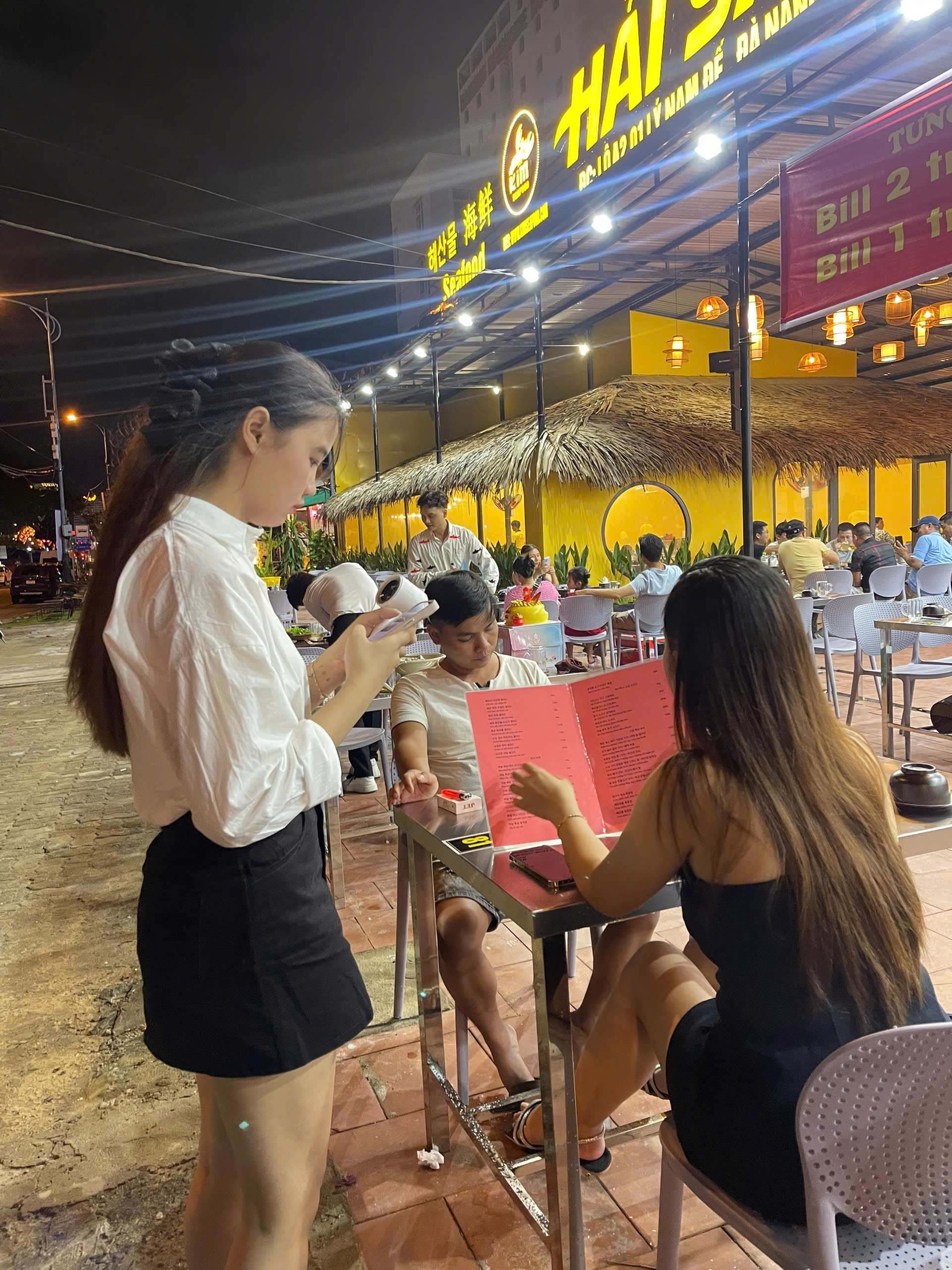
Located in a prime location in Da Nang, Kim Seafood has built an outstanding reputation among both locals and international travelers. It operates on a simple but uncompromising philosophy: “From the ocean depths directly to your plate.”
-
The Live Aquarium System: Instead of relying on frozen stocks, Kim Seafood features massive, state-of-the-art glass aquariums fed with filtered, highly oxygenated seawater. When you dine here, you are essentially walking into a clean, premium, indoor Da Nang Seafood market. You can point directly to the swimming lobster, the crawling mud crab, or the active grouper, and have it weighed and prepared right before your eyes.
-
100% Price Transparency: One of the main anxieties tourists face at local markets is “tourist pricing” (overcharging). At Kim Seafood, every single species is clearly labeled with its price per kilogram. The scales are calibrated, and there are absolutely no hidden cooking fees or surprise surcharges.
-
The Culinary Artistry: While street stalls rely on basic boiling or grilling, Kim Seafood boasts a team of professional chefs who masterfully balance traditional Central Vietnamese flavors with modern culinary techniques. Whether you prefer your seafood prepared with local spices (like lemongrass, chili, and sweet fish sauce) or sophisticated styles (like Singaporean chili sauce, salted egg yolk, or garlic butter), the kitchen executes it flawlessly.
👉See more: Fresh seafood – a clear difference in quality and natural flavor
5. The Ultimate Da Nang Evening Itinerary: A Night of Gastronomy and Culture
To make the absolute most of your night in Da Nang, we have crafted a perfect, seamless itinerary. This plan combines a luxurious, fresh dinner at Kim Seafood with an enchanting night walk through the vibrant Son Tra Night Market and the world-famous Dragon Bridge.
Detailed Evening Breakdown
📍 5:30 PM – 7:30 PM: The Grand Seafood Feast at Kim Seafood
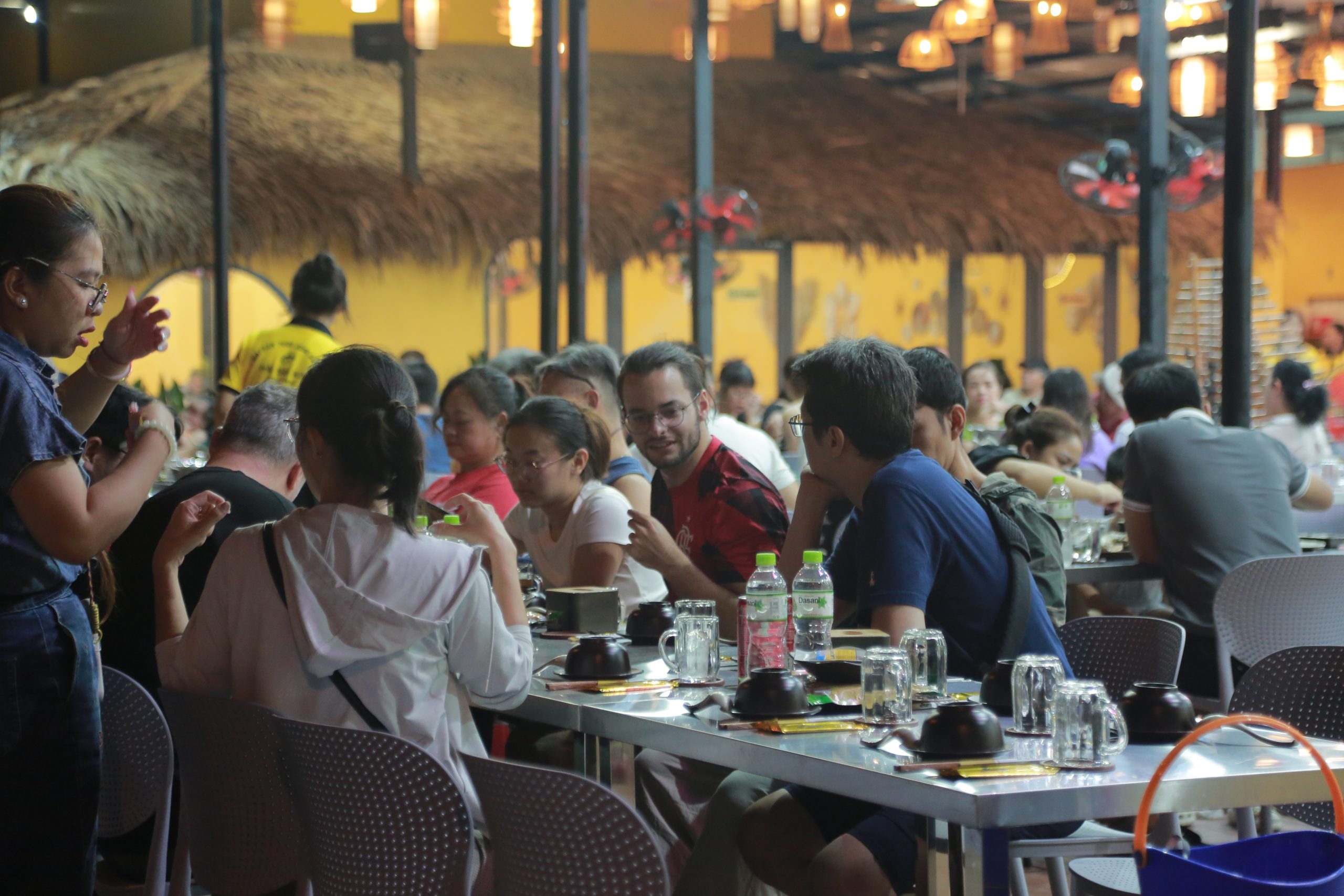
Begin your evening just as the sun starts to set, casting a golden glow over the Han River. Step into the welcoming, spacious, and sea-breeze-filled dining area of Kim Seafood.
-
The Setup: Select a table with a great view. Head over to the live aquariums to select your dinner.
-
The Signature Menu Recommendation:
-
Appetizer: Grilled Scallops with scallion oil ($mỡ hành$) and crushed roasted peanuts.
-
The Showstopper: Steamed Sweet Canadian/Local Lobster with garlic butter sauce, or Local Mud Crabs stir-fried in a rich, savory salted egg yolk sauce.
-
The Main Course: A traditional clay pot of Braised Grouper with local herbs, served with steamed jasmine rice, or a steaming bowl of sweet clam soup.
-
Drink Pairing: A crisp, chilled local Larue beer or a glass of dry white wine to cut through the rich seafood fats.
-
📍 7:30 PM – 8:15 PM: A Scenic Stroll Across the Han River
After satisfying your culinary cravings, it is time for a light walk to aid digestion and take in the cool night breeze.
Head toward the majestic Dragon Bridge (Cầu Rồng). The bridge is illuminated by tens of thousands of color-changing LED lights that reflect beautifully onto the dark water of the Han River. It is a spectacular backdrop for memorable vacation photographs.
📍 8:15 PM – 10:30 PM: Dive into the Energy of Son Tra Night Market
Located right at the foot of the Dragon Bridge is the Son Tra Night Market (open daily from 6:00 PM to midnight).
-
The Experience: As you walk into the market, you will be greeted by a sensory explosion—the smoky aroma of street-side grills, lively Vietnamese music, and the bright displays of local vendors.
-
What to Do Here:
-
Shop for Souvenirs: Browse through more than 150 stalls offering handmade wooden crafts, beautiful stone jewelry from the Non Nuoc carving village, tropical shirts, and local artwork.
-
Sip on Fresh Coconut Water: Grab a cold, freshly opened coconut to sip on as you wander.
-
The Highlight (Weekend Special): If you visit on a Saturday or Sunday, make sure to find a viewing spot near the Dragon Bridge by 9:00 PM. You will witness the legendary Dragon Bridge Show, where the giant dragon head breathes real fire and blasts water into the air, much to the delight of the cheering crowds below.
-
6. Sustainable Seafood Dining: Protecting Da Nang’s Marine Ecosystems
As responsible travelers, it is crucial to ensure that our culinary indulgences do not harm the delicate marine environment. When visiting any Da Nang Seafood market or restaurant, keep these ecological principles in mind:
-
Respect the Seasons: Avoid ordering certain species during their spawning seasons. For example, local lobsters and certain crabs reproduce heavily between April and August; opting for farm-raised or sustainable alternatives during this time helps wild populations recover.
-
Avoid Juvenile Catch: Never purchase or eat undersized crabs, lobsters, or fish. If a crab’s carapace is smaller than 10 cm, it should have been left in the ocean to grow. Kim Seafood strictly monitors its sourcing to ensure all live catches meet mature size standards.
-
Say No to Endangerment: Absolutely refuse to consume shark fins, sea turtles, or protected giant clams. Choosing abundant local species like squid, mackerel, clams, and farmed black tiger prawns is a highly sustainable and equally delicious choice.
The Transition from Market Stall to Dining Table: A Smarter Way to Feast
For many travelers, navigating a busy Da Nang Seafood market in the early morning is an unforgettable cultural adventure. However, when lunchtime or dinner rolls around, the reality of buying raw seafood from street vendors and searching for a local kitchen to cook it can become overwhelming—especially with the language barrier and heat. If you want the exact same “just-caught” quality of a traditional Da Nang Seafood market but with the comfort of air conditioning, pristine hygiene, and five-star culinary preparation, there is a perfect modern alternative awaiting you right in the heart of the city.
7. Frequently Asked Questions (FAQs)
Q1: When is the best time of the year to eat seafood in Da Nang?
While seafood is available year-round, the absolute prime window is during the dry season from March to September. During these months, the seas are calm, allowing fishing boats to go out daily, resulting in an abundance of diverse catches and lower market prices. During the rainy season (October to February), rough waters can limit fishing, leading to slightly higher prices and less variety.
Q2: Is it safe to eat street-side raw or semi-cooked seafood at the night markets?
While highly popular, eating raw or lightly cooked seafood at open-air street stalls carries risks of foodborne illnesses due to fluctuating outdoor temperatures and humidity. If you have a sensitive stomach, it is highly recommended to enjoy your main seafood feast at an established, hygienic venue like Kim Seafood—which uses clean running water and professional storage—and stick to pre-packaged snacks or fully cooked, hot grilled items at the night markets.
Q3: How do I avoid being overcharged (“bị chặt chém”) at a local wet market?
-
Always ask for the price ($giá$) before you agree to purchase or have anything weighed.
-
Ask: “Bao nhiêu tiền một ký?” (How much money per kilogram?).
-
Watch the scale closely to ensure it starts at zero.
-
If you want a stress-free experience with guaranteed fair pricing, dining at a restaurant with clear, displayed digital scales like Kim Seafood is the safest option.
Q4: Does Kim Seafood accommodate allergies or dietary restrictions?
Yes! The professional kitchen at Kim Seafood is highly experienced in catering to diverse dietary needs. If you have a specific allergy (such as gluten, peanuts, or specific shellfish), simply inform the staff when ordering. They can prepare customized dishes, such as steamed fish with ginger and spring onions or garlic-fried rice, in a separate, clean pan.
Q5: Can I pay with an international credit card at Da Nang seafood markets and restaurants?
At traditional wet markets (like Tho Quang or Dong Da) and the Son Tra Night Market, cash (Vietnamese Dong – VND) is king. It is highly recommended to carry small denominations (10,000 VND to 100,000 VND) for these stalls. However, modern dining establishments like Kim Seafood accept all major international credit cards (Visa, Mastercard, JCB), as well as convenient mobile payments and banking transfers.
Conclusion: Crafting Unforgettable Culinary Memories
No trip to Da Nang is complete without fully immersing yourself in its coastal food culture. Whether you are waking up at the crack of dawn to witness the cinematic beauty of the Tho Quang wholesale market, or enjoying a luxurious, fresh-caught feast at Kim Seafood followed by a magical, breezy walk through the Son Tra Night Market, the flavors of the ocean will undoubtedly become one of the highlights of your journey.
Plan your culinary adventure today, eat responsibly, and prepare to taste the freshest seafood that Vietnam has to offer!
👉See more: Fresh Seafood in Da Nang: A Comprehensive Guide to Vietnam’s Culinary Gem
Contact Information:
- Address: Kim Seafood, A2.01 Ly Nam De Street, An Hai Trung Ward, Son Tra District, Da Nang, Vietnam.
- Phone: 0916111143
- Opening Hours: 10:00 AM – 11:00 PM
- Email: hello.kimseafood@gmail.com
- Facebook Fanpage: Hải sản KIM Seafood