Seafood cuisine Da Nang: how it differs from Nha Trang, Phu Quoc, Hoi An
Vietnam is fortunate to possess a coastline stretching over 3,200 km—and along that length lies countless coastal culinary regions with distinct characteristics, where no two places are alike. Nha Trang, Phu Quoc, Hoi An, and Da Nang—the four most famous coastal destinations in Vietnam—all take pride in their rich seafood cuisine.
But if you have ever visited all four locations and paused to compare them, you would immediately realize that the seafood cuisine in each place carries a completely different identity—not just in terms of the species of seafood, but also in the cooking style, the way of enjoyment, and the very spirit of the meal.
This article will take you on a journey through the seafood cuisine identity of each region, highlighting the unique features that create the allure of Da Nang. When placing Da Nang alongside Nha Trang, Phu Quoc, and Hoi An, you will understand why the flavors of the sea here easily leave a lasting impression on tourists and become the top choice for many gourmet diners.
1. Da Nang Seafood Cuisine — The Authentic Essence of Central Vietnam
1.1. Characteristic Ingredients and Local Sourcing
The first and most distinct difference of Da Nang’s seafood cuisine compared to the other three destinations is the locality of the ingredients. Da Nang possesses a large fishing port, a fleet of offshore fishing vessels operating regularly, and a system of fish markets active from the early morning—all creating an extremely short supply chain from the ocean to the table. This is the ideal condition for seafood cuisine here to always maintain its freshness and original flavor.
Seaside seafood restaurants in Da Nang usually source ingredients directly from local fishermen every morning—no intermediaries, no long-term cold storage. This creates a characteristic oceanic sweetness that many diners describe as “completely different from seafood elsewhere”—not because Da Nang has more special species, but because the seafood is fresher and brought to the table faster.
1.2. Cooking Style — Preserving, Not Masking
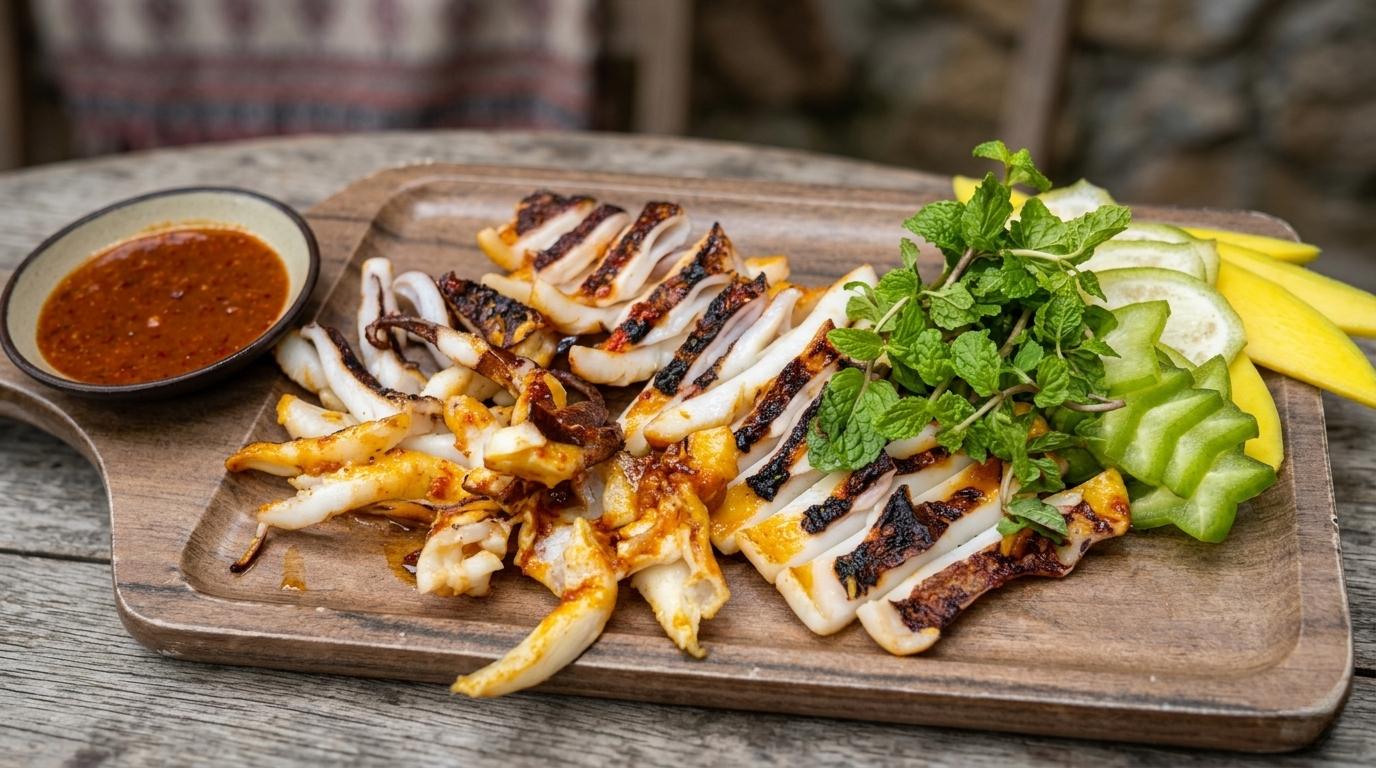
Da Nang’s seafood cuisine follows a clear culinary philosophy: respect the natural flavor of the seafood. Da Nang people do not like to over-season their seafood or use heavy sauces to mask the inherent sweetness of the sea. Steaming, plain grilling, and frying are the three main methods, using minimal spices—lemongrass, ginger, salt, chili, and a dash of high-quality fish sauce.
This results in dishes within Da Nang’s seafood cuisine that demand truly fresh and high-quality ingredients—because there is nothing to hide behind. This is also why connoisseurs love Da Nang-style seafood cuisine: it is honest and confident in the quality of the raw materials.
2. Nha Trang Seafood Cuisine — Diverse and More Liberal with Spices
2.1. Nha Trang Sea Specialties and Unique Style
Nha Trang also possesses a rich seafood cuisine with famous specialties: Binh Ba lobster, Khanh Hoa bird’s nest, yellow stone crabs, and chili salt grilled octopus. Nha Trang’s seafood cuisine carries a South-Central style—more diverse in spices, ready to combine complex aromatics like curry, oyster sauce, or beer-marinated preparations.
Seaside seafood restaurants in Nha Trang are often larger and cater heavily to international tourists—menus are usually in English and the service style is influenced by Western tastes. This makes Nha Trang’s seafood cuisine diverse and accessible to many guest groups, but it sometimes blurs the pure local characteristics.
2.2. Strengths and Differences Compared to Da Nang
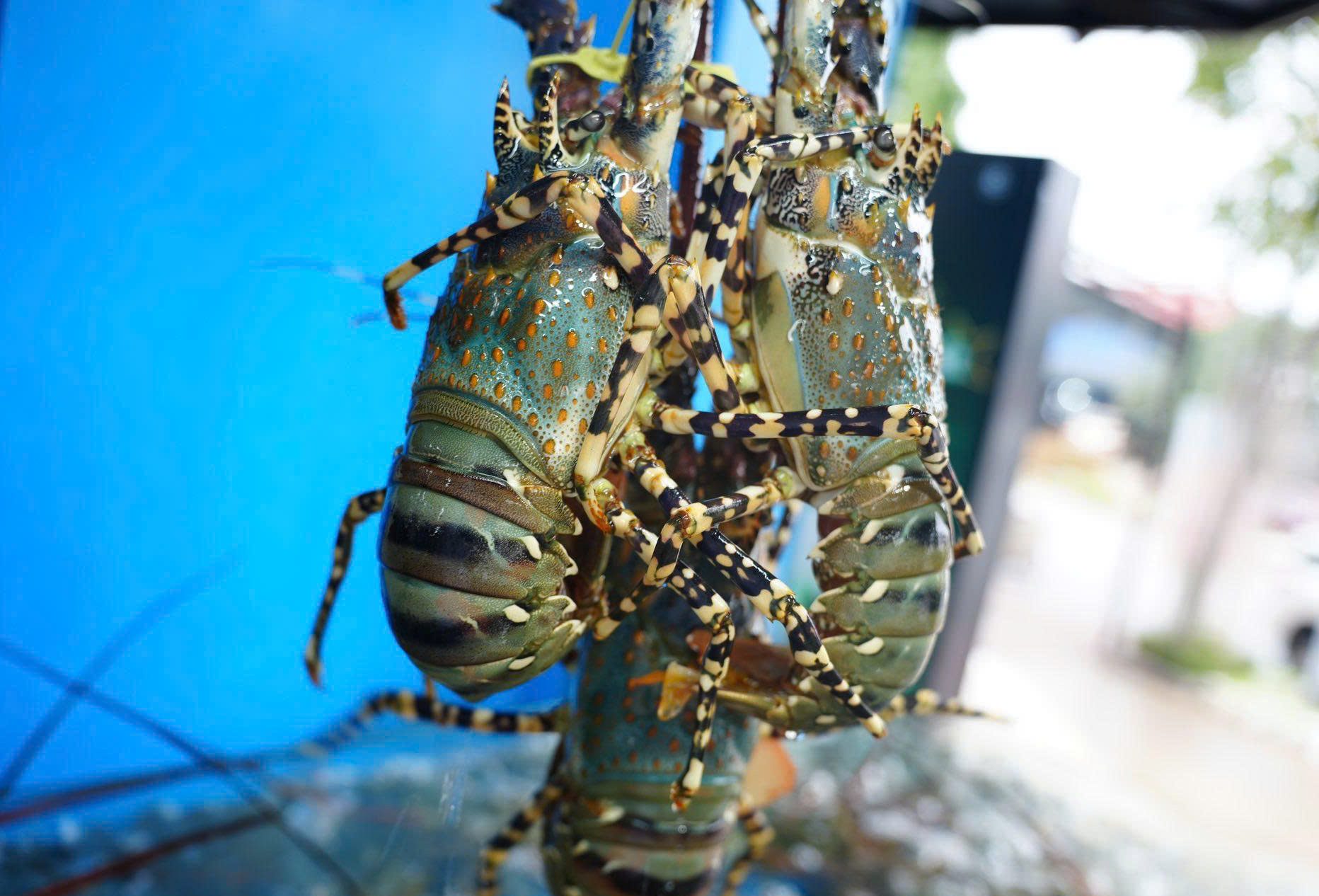
Nha Trang’s seafood cuisine has an advantage in ornate spiny lobsters—this is the most characteristic high-end seafood of the region, raised in cages in Nha Trang Bay with highly-rated quality. A coastal seafood feast in Nha Trang is therefore often associated with images of steamed, grilled, or salad-style ornate spiny lobsters.
However, compared to Da Nang’s seafood cuisine, seafood in Nha Trang sometimes loses that “raw freshness” due to a longer supply chain and a massive volume of tourists putting pressure on ingredient sources. The experience of eating seafood in Da Nang is therefore often rated as more original and authentic.
3. Phu Quoc Seafood Cuisine — Island Paradise with Premium Seafood
3.1. Famous Specialties of Phu Quoc Seafood Cuisine
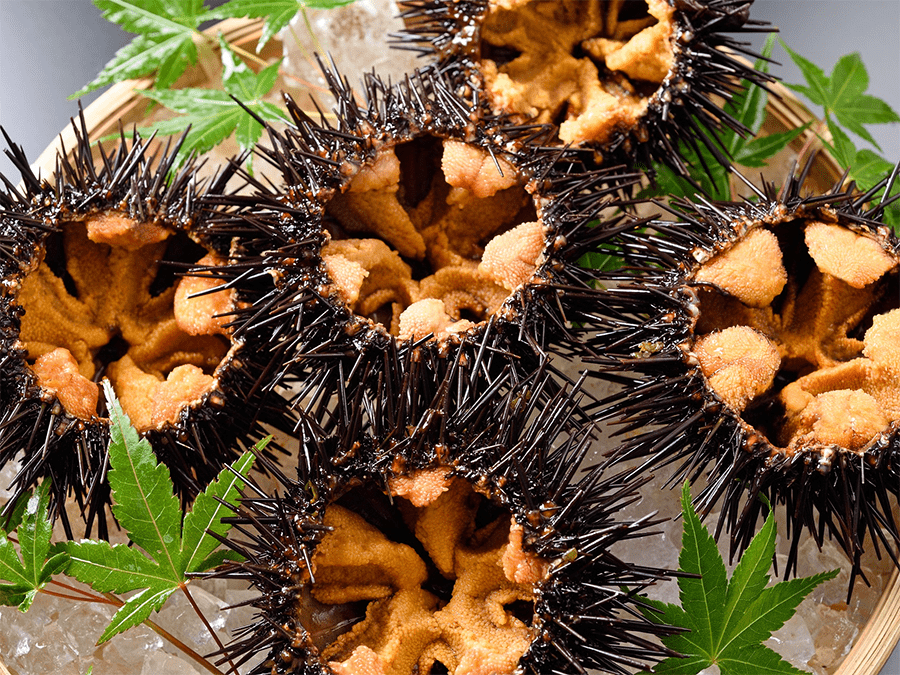
Phu Quoc is the only island destination among this quartet—and that creates a completely different type of seafood cuisine. Surrounded by the clear and deep Southwestern sea, the seafood in Phu Quoc features characteristic species not easily found on the mainland: Phu Quoc sea urchins, red sea urchins, wild abalone, and especially Ganh Dau crabs famous for their thick, creamy roe.
Phu Quoc’s seafood cuisine is also inextricably linked to Phu Quoc fish sauce—a product made from the characteristic anchovies of this sea region, possessing a very distinct aroma and bold flavor. Phu Quoc fish sauce is not just a condiment but the soul of many dishes in the seafood cuisine here.
3.2. High-end Seafood and Luxury Tourism
Compared to Da Nang, Phu Quoc’s seafood cuisine tends to lean more toward the premium segment—especially since Phu Quoc became a high-end resort destination. Seaside seafood restaurants in Phu Quoc often feature luxurious designs, with menus showcasing expensive items like island lobsters, red grouper, and wine-steamed scallops.
A coastal seafood feast at resorts or beach clubs in Phu Quoc is a completely different experience compared to sitting at a casual seaside seafood restaurant in Da Nang. Each style has its own allure—but Da Nang’s seafood cuisine leans toward depth of flavor rather than the heights of luxury.
👉 See more: Seafood by the Beach: A Tourist-Favorite Check-in Restaurant
4. Hoi An Seafood Cuisine — Cultural Intersection Creating Unique Flavors
4.1. Hoi An Specialties and the Mark of Converging Cultures
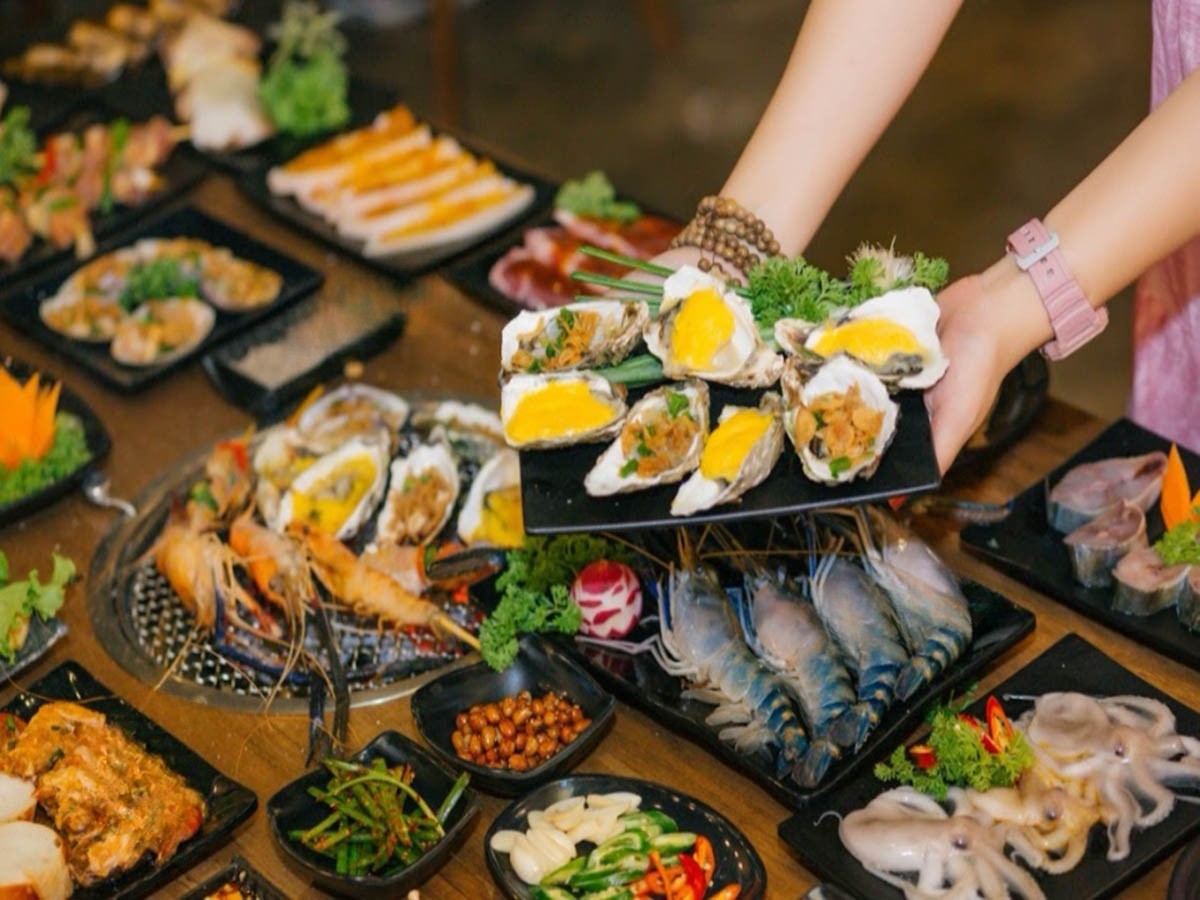
Hoi An is not a coastal city in the direct sense like the other three—but Hoi An’s seafood cuisine has its own charm thanks to the unique intersection of Vietnamese, Chinese, and Japanese culinary traditions over centuries. Cao Lau with fish-bone broth, seafood Mi Quang, and Hoi An-style seafood Banh Mi—these are products of a cultural blending process spanning hundreds of years.
Hoi An’s seafood cuisine is also famous for seafood from the Cua Dai estuary and the Cu Lao Cham biosphere reserve—especially seaweed, sea urchins, grouper, and squid. The oceanic sweetness in Hoi An’s cuisine is often preserved through simple steamed dishes or light soups, fitting the ancient and peaceful atmosphere of the Old Town.
4.2. Service Style and Distinctive Atmosphere
What makes Hoi An’s seafood cuisine most different is not necessarily the ingredients or recipes—but the atmosphere of enjoyment. Eating seafood amidst the lantern-lit space of the Old Town, along the Thu Bon River, or under small candlelight in Indochine-style restaurants—this is a completely different emotional seafood-eating experience compared to the other three cities.
However, because Hoi An welcomes a large number of international tourists, the seafood cuisine here is sometimes heavily “internationalized”—many restaurants adjust flavors to suit Western preferences, somewhat blurring the local characteristics.
5. Direct Comparison — Where Does Da Nang Seafood Cuisine Stand Out?
5.1. Undiluted Characteristic Oceanic Sweetness
If one had to choose a signature point of Da Nang’s seafood cuisine compared to the other three, it would be the pure oceanic sweetness. Thanks to the short supply chain, minimalist cooking techniques, and the “preserve natural flavor” principle, seafood in Da Nang usually has a clearer and bolder oceanic sweetness—not diluted by complex sauces or spices.
This is what diners easily perceive when comparing the experience of eating Da Nang seafood with that of Nha Trang or Phu Quoc. A beer-steamed crab in Da Nang might not be as “grand” in presentation as one at a Phu Quoc resort, but the sweetness of the crab meat and the rich roe will surely stay in your mind much longer.
👉 See more: Natural Sweetness of the Sea: What Factors Shape Seafood Flavor?
5.2. Da Nang Seafood Experience — Authentic, Not Fancy
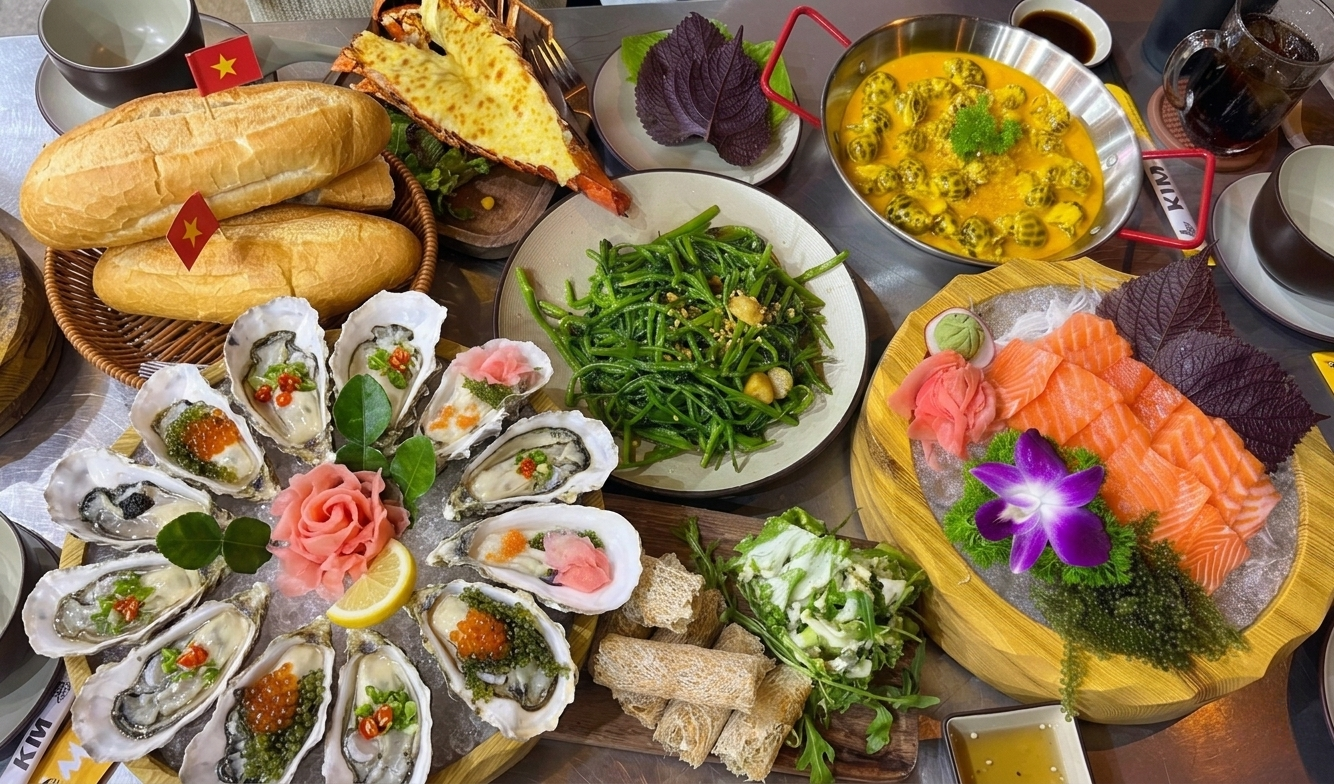
The experience of eating Da Nang seafood has a very clear characteristic: authenticity. You can eat fresh, delicious seafood at a small sidewalk stall next to the fishing port at a budget price, or choose a seaside seafood restaurant with a spacious setting and rich menu—but both prioritize flavor over form.
Kim Seafood Restaurant is a typical example of this style in Da Nang. The space carries the breath of the ocean, the menu is updated seasonally, and seafood is imported fresh daily—this is the type of seaside seafood restaurant that combines professional service with authenticity in flavor, suitable for both large group coastal seafood feasts and intimate family meals.
5.3. Da Nang Seafood Cuisine and Geographical Advantage — Deep Sea, Diverse Species
Da Nang is adjacent to the deep waters of the East Sea, close to major fishing grounds like Hoang Sa and the Central Vietnam sea. This creates diversity in the raw material sources for Da Nang’s seafood cuisine—from surface-dwelling fish to deep-sea bottom fish, from mollusks to crustaceans.
Phu Quoc’s seafood cuisine has an advantage in the Western sea area with fewer waves and more coral reefs. Nha Trang has an advantage in aquaculture. Hoi An has an advantage in the lagoon and estuary systems. Meanwhile, Da Nang has an advantage in natural harvesting and the absolute freshness of the ingredients—this is the decisive factor creating the irreplaceable characteristic of its seafood cuisine.
6. Combining the Strengths of Four Seafood Cuisine Regions in One Trip
6.1. The Ideal Seafood Cuisine Itinerary for Central and South Vietnam
If you plan to explore all four destinations, here is a suggested seafood cuisine itinerary: start in Da Nang to experience pure oceanic sweetness and just-caught seafood; visit Hoi An to enjoy the cultural intersection in every dish; head down to Nha Trang to try Binh Ba lobster and South-Central style seafood; and conclude in Phu Quoc with luxurious coastal seafood feasts on white sand beaches.
Each destination offers a different dimension of Vietnamese seafood cuisine—and only by experiencing all four can you truly understand the richness and diversity of this country’s seas.
6.2. What Cannot Be Found Elsewhere in the Da Nang Seafood Experience
There is a Da Nang seafood experience that is hard to find an equivalent of in the other three destinations: eating fresh seafood in the very early morning at a local fish market, sitting on simple plastic stools next to fishermen who have just returned, and eating a bowl of hot fish porridge just a few steps from the shore. This is seafood cuisine in its most original form—no performance, no designed menu, just real flavor and real people.
The oceanic sweetness in those bowls of porridge, in those just-steamed squids—that is what you will remember forever about Da Nang’s seafood cuisine, no matter how many places you go afterward.
👉 See more: Seafood experience in Da Nang: Fresh, delicious and worthy
7. Conclusion
Every sea region has its own story—and seafood cuisine is how each region tells that story through flavor. Nha Trang tells it with a plump red lobster. Phu Quoc tells it with clear drops of fish sauce and deep blue beaches. Hoi An tells it with old ship whistles and shimmering lanterns. And Da Nang tells it with a bold oceanic sweetness, with unhidden authenticity, and through fish market mornings where the scent of the sea still lingers on every crab and every squid.
In the map of Vietnamese seafood cuisine, Da Nang occupies a special place—not because it is the most luxurious or expensive, but because it is the most honest to the essence of the ocean. And that is why savvy diners, though they have tried seafood everywhere, always find their way back to Da Nang to remember what true oceanic sweetness feels like.
Contact Information:
- Address: Kim Seafood, A2.01 Ly Nam De Street, An Hai Trung Ward, Son Tra District, Da Nang, Vietnam.
- Phone: 0916111143
- Opening Hours: 10:00 AM – 11:00 PM
- Email: hello.kimseafood@gmail.com
- Facebook Fanpage: Hải sản KIM Seafood