Grilled seafood dishes: How to stay juicy and sweet
Grilled seafood dishes are enticing due to their smoky aroma and natural sweetness, but with just a slight error in technique, the meat can easily become dry and tough. Many people invest in high-quality ingredients but still fail to achieve the desired results because they do not fully understand the water-loss mechanism of proteins, how to control heat, or the appropriate timing for marinating. This article provides a comprehensive analysis ranging from muscle structure and seasonal ingredient selection to grilling and serving techniques, helping you master every stage to preserve the full ocean sweetness in every fiber of the meat.
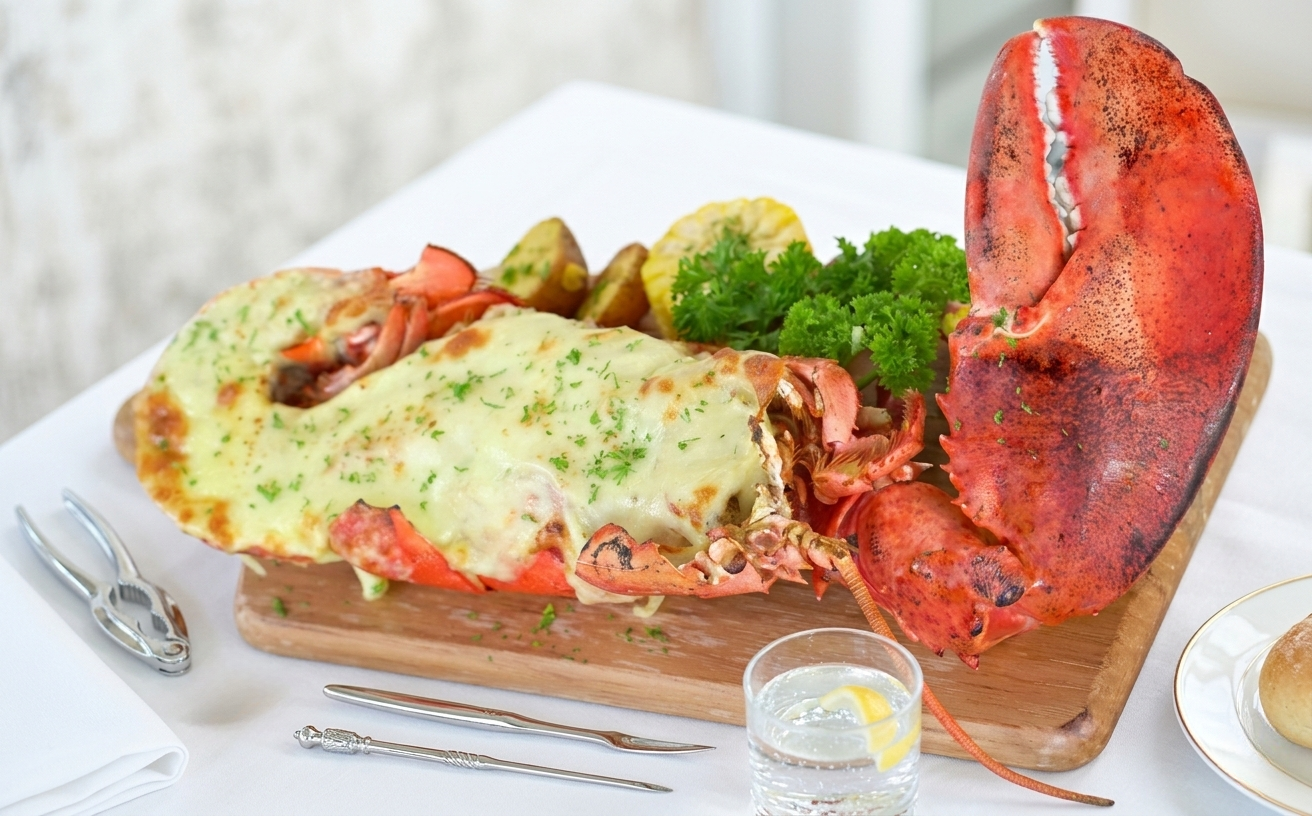 1. Why do grilled seafood dishes easily become dry and lose their sweetness?
Why is it that with the same ingredient, it remains succulent when steamed but becomes tough and bland when prepared as grilled seafood dishes? The issue does not lie in the quality of the seafood, but rather in the reaction of the muscle structure under the influence of heat.
To preserve the quintessential sweetness, you need to clearly understand the “dehydration” mechanism of protein and how to control the flame correctly. Let’s analyze the core causes more deeply below.
1.1. Protein characteristics in fresh seafood
Unlike livestock meats, the muscle structure of seafood mainly consists of short muscle fibers and very thin connective tissue (low collagen). This gives seafood its characteristic tenderness but is also its weakness when exposed to heat.
When protein is heated, the muscle fibers contract very quickly and push the internal water out. Without a protective layer or moisture-retention technique, this sweet juice will evaporate completely, causing the meat texture to become fragmented and hard in an instant.
1.2. Impact of high temperatures when processing seafood
Temperature is a double-edged sword in the art of grilling. When you grill directly over red-hot coals, intense heat immediately affects the surface, creating a quick charring reaction but easily causing dehydration in the core of the food.
Conversely, indirect grilling methods (such as wrapping in foil or placing further from the heat source) help heat distribute evenly, protecting the protein structure more sustainably. Choosing the wrong grilling method for each type of shrimp, fish, or squid is exactly why grilled seafood dishes lose their inherent natural succulence.
👉 See more: Seafood preparation helps preserve sweetness and freshness
1.3. Common mistakes when eating seafood correctly
A classic mistake many people make is grilling for too long out of fear that the food is not thoroughly cooked. In reality, grilled seafood dishes only need to reach a specific heat threshold to be just cooked; overcooking will turn tender muscle fibers into “rubber pieces” that are incredibly tough.
Besides, marinating with salt or salty spices too early is a serious mistake. Salt has hygroscopic properties; it will draw out the cellular fluid in the seafood meat before it even hits the grate, whisking away the most characteristic subtle sweetness of the ocean.
2. How to choose ingredients so grilled seafood dishes keep the full ocean sweetness
The secret to ensuring grilled seafood dishes remain moist and tender lies in the original freshness of the food. When ingredients meet standards, the meat cells still retain their natural cellular fluid, helping to resist rapid evaporation under the heat of the charcoal.
2.1. Identifying quality seafood through color and elasticity
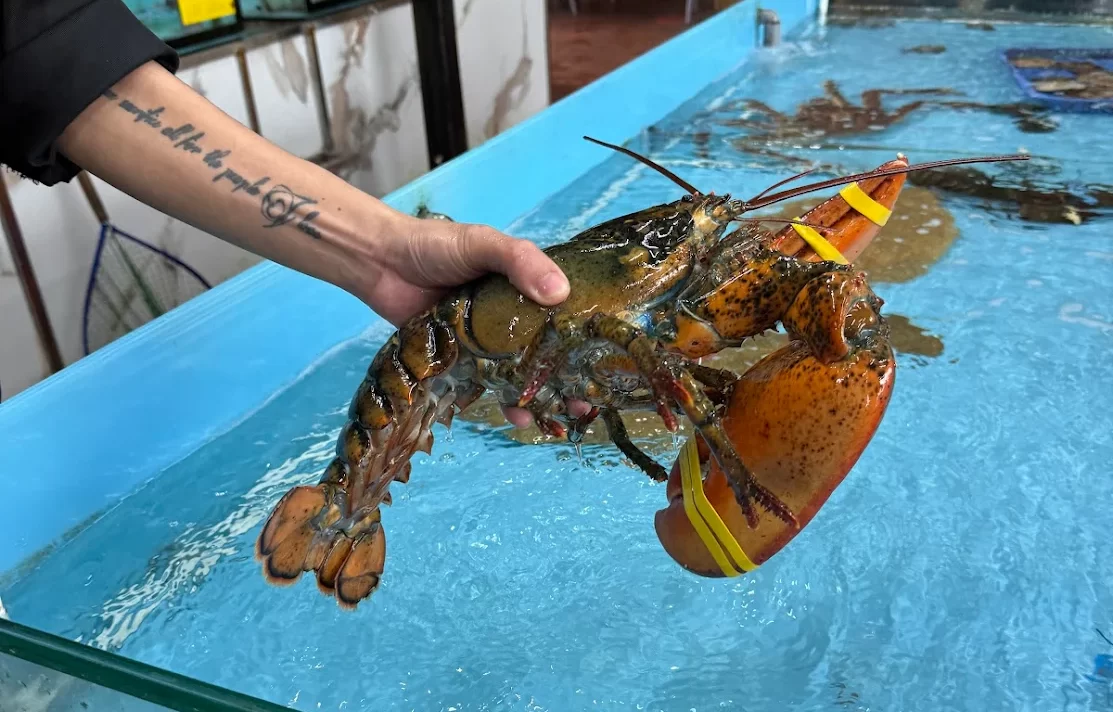
Observing with the naked eye and feeling with your hands are the fastest ways to evaluate quality. With shrimp, the shell must be shiny, the body firm, and the shell joints tight; if the shell turns opaque or the joints are loose, it is a sign of long-term icing.
For grilled fish, press lightly on the body. If the meat bounces back immediately and feels firm, it is fresh; conversely, if it leaves a dent or the meat is soft and mushy, the protein has begun to decompose, and when grilled, it will certainly be mealy and lose its subtle sweetness.
2.2. Why fresh seafood decides 70% of the deliciousness
In grilling cuisine, spices only play a role in celebration, while the essence of deliciousness lies in the quality of the meat. Fresh grilled seafood dishes possess a stable muscle structure, allowing them to withstand heat better and maintain a natural moisture film outside the meat fibers.
When grilling seafood that is no longer fresh, the internal water has already partially escaped during preservation, leading to the dish quickly becoming dry and shriveled. Investing in good ingredients helps you reduce pressure during the preparation phase while still achieving satisfying results.
👉 See more: Fresh seafood – a clear difference in quality and natural flavor
2.3. Suggestions for seasonal selection at delicious Da Nang seafood outlets
Each sea region has its own specialties depending on the time of year, especially at famous delicious Da Nang seafood hubs. Choosing seafood in the right season not only helps you buy at a good price but also ensures the product is at its most mature stage, with thick and deeply sweet meat.
For example, during the calm sea season, bigfin reef squid or sun-dried squid in Da Nang are usually very thick-fleshed, making them extremely suitable for grilling without fear of shrinking. Learning about seasons will help your menu of grilled seafood dishes remain diverse and achieve the highest quality.
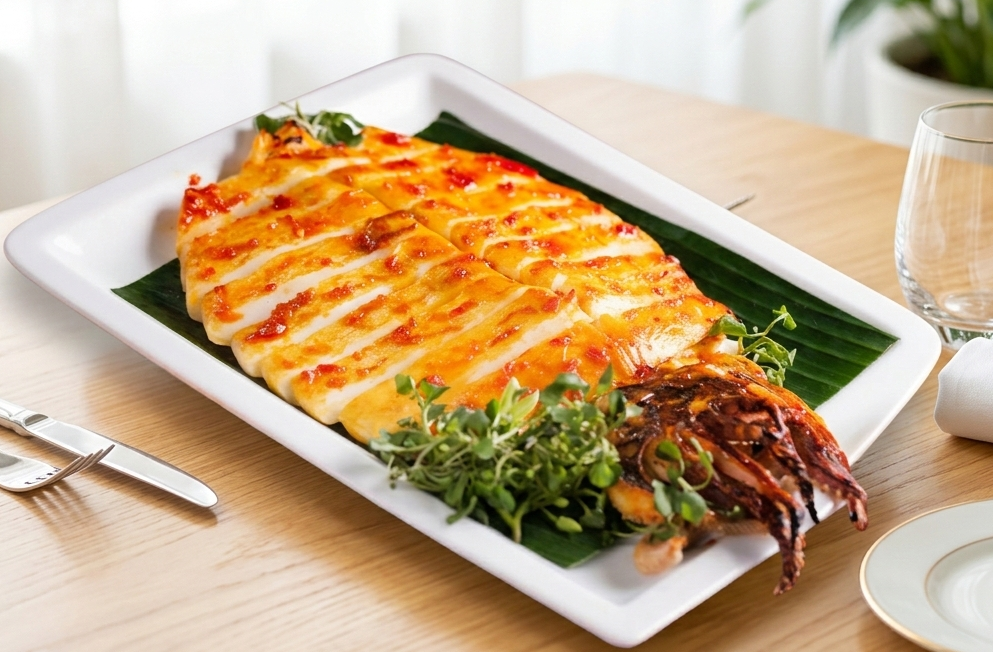
3. Heat control techniques to prevent grilled seafood dishes from drying out
The biggest mistake of home cooks is using one heat level for all different types of seafood. Grilled seafood dishes only truly explode in flavor when the cook understands the interaction between thermal energy and the specific muscle structure of each type.
3.1. Ideal temperatures for each type of seafood
Each type of seafood has its own “sweet spot” temperature to achieve optimal doneness without losing water. Crustaceans like shrimp and crab need high heat and quick grilling so the outer shell sears, locking in moisture; meanwhile, fish with thin meat layers need medium heat to cook evenly from the outside in without burning the skin.
3.2. Timing the grill according to size
The size of the ingredient is proportional to the timing on the grate for each of the grilled seafood dishes. Thick bigfin reef squid or large lobsters need to be grilled in an indirect heat zone first to cook deeply, then moved to the direct heat zone to create an aroma. Grilling for too long relative to the actual size is the leading cause of excessive protein coagulation, making the meat dry and shriveled.
3.3. Charcoal grilling vs. electric grilling – differences in moisture
Charcoal grilling creates infrared heat that helps the seafood surface sear quickly, locking in water and providing a characteristic smoky smell. In contrast, electric grilling usually provides even heat but easily dries out the surface due to the lack of natural moisture from water vapor present in charcoal. Understanding the characteristics of each stove type will help you adjust the marinating method or add a suitable oil/fat coating to protect the dish.
3.4. Resting the meat after grilling – a step few notice
This is a secret of professional chefs that is often overlooked at home. After removing the seafood from the grate, let the meat “rest” for about 1-2 minutes before enjoying or cutting. This period allows the internal water molecules time to redistribute back into the meat fibers instead of gushing out immediately, making the bite significantly more succulent and soft.
4. Marinating methods to make grilled seafood dishes flavorful without overpowering the ocean sweetness
Marinating is not merely about creating an aroma but also a way to create a protective film, preventing rapid evaporation when grilling. However, if you abuse spices with high hygroscopic properties, you will unintentionally make the meat dry and lose the natural sweetness of the ocean.
4.1. How long should you marinate?
Seafood has a thin muscle structure and lacks the tough connective tissue of beef or pork; therefore, the spice penetration process happens extremely fast. Typically, you should only marinate 15 to 30 minutes before grilling, depending on the size of the ingredient.
Leaving seafood to soak in spices for too long, especially mixtures containing salt or fish sauce, will trigger reverse osmosis, draining the cellular fluid out of the meat cells. This explains why many people wonder why even when buying fresh items, their grilled seafood dishes still end up dry and tough.
4.2. Which spices preserve natural ocean sweetness?
Instead of using too many synthetic spices, prioritize ingredients capable of evoking natural sweetness such as minced garlic, shallots, lemongrass, or a bit of oyster sauce for grilled seafood dishes. Vegetable oils or unsalted butter are indispensable components because they act as a moisture-retaining coat, helping the surface avoid charring too quickly.
A small tip is to add a bit of sugar or honey to create the Maillard reaction (the reaction that creates color and aroma when meeting heat), but use only a sufficient amount. The subtle combination of light saltiness and herbal fragrance will maximally celebrate the existing freshness of the seafood.
4.3. Avoid abusing overly heavy sauces
Overly thick and pungent sauces can make diners feel tasty at first, but they will completely mask the characteristic flavor of each type of shrimp, squid, or fish. Particularly, sauces with high sugar content are very prone to burning on the grill, creating a bitter crust and harming health before the internal meat has a chance to cook through.
When making grilled seafood dishes, remember that the accompanying dipping sauce is where you express boldness, while the marinating stage should only serve as a support. Let the pure sweetness of the seafood be the main character, and you will see a total difference in the taste experience.
👉 See more: Natural Sweetness of the Sea: What Factors Shape Seafood Flavor?
5. Secrets to serving so grilled seafood dishes always remain succulent
Even when you possess premium ingredients and master grilling techniques, grilled seafood dishes can still lose their flavor momentum if there is a lack of subtlety in the serving stage. The time from lifting the food off the grill to when it hits the diner’s palate is when moisture is most easily lost.
5.1. Serve immediately after completion
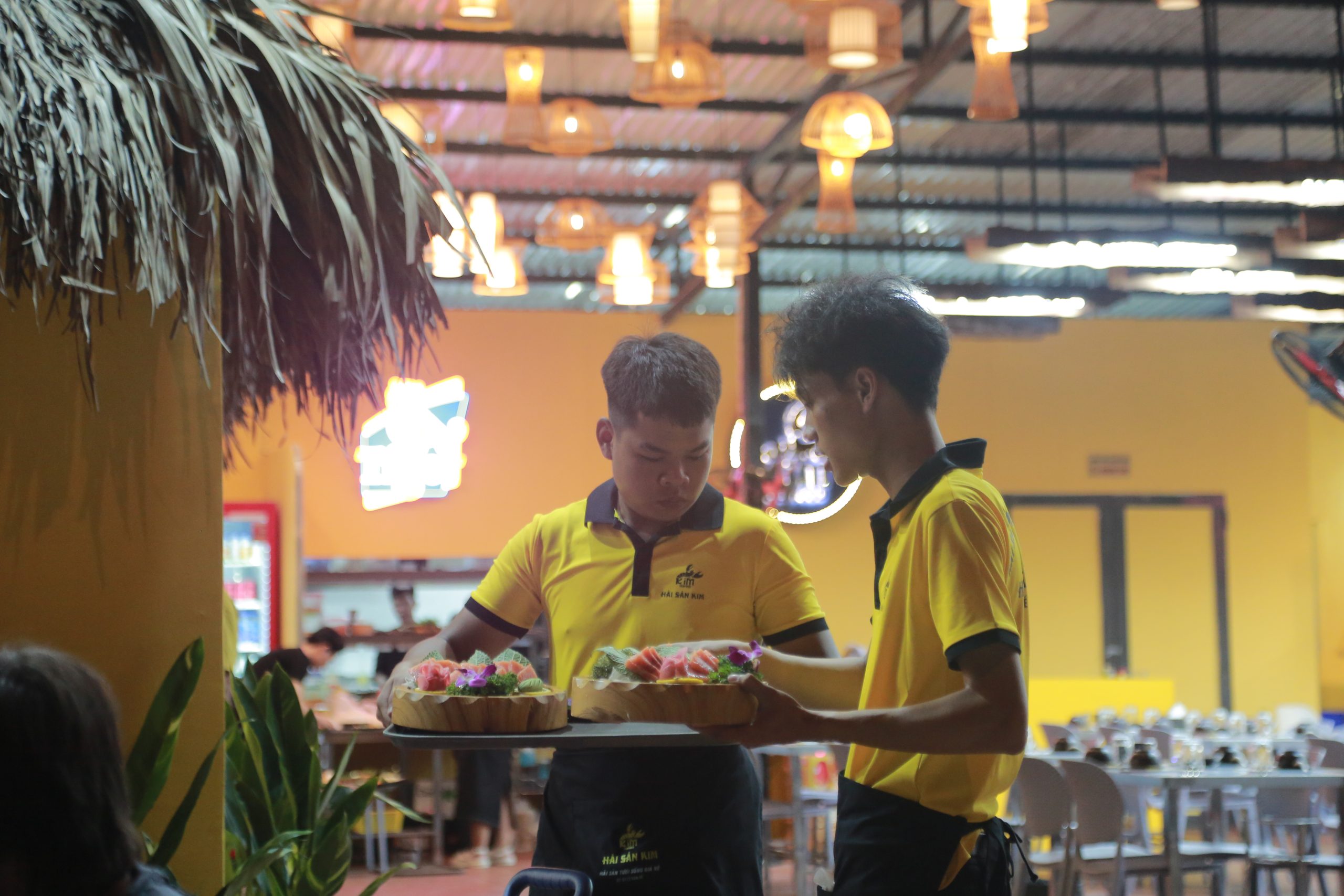
Seafood has the characteristic of cooling down very quickly, and as the temperature drops, the muscle fibers begin to contract, pushing the remaining sweet water out to the surface. Serving immediately while the dish is still steaming not only helps diners enjoy the characteristic aroma from the thermal reaction but also ensures the meat texture is at its softest state.
Don’t let the dish wait on the table for too long; every minute that passes is a portion of precious moisture evaporated. Standard grilled seafood dishes must be brought out in a “just out of the oven” state, preserving the glistening cellular fluid inside every meat fiber.
5.2. Maintaining heat correctly when eating seafood
If you are enjoying a large feast with many dishes at once, maintaining the temperature for the grilled seafood dishes is extremely important. Using heat-retaining plates or perching them on a small simmering charcoal brazier at the table is a smart way to prevent the dehydration of the food.
However, note that you should not continue grilling at high temperatures as it will overcook the seafood. The goal here is only to maintain enough warmth so that the meat tissues do not freeze up, helping the ocean sweetness be maintained throughout the meal.
5.3. The experience of eating Da Nang seafood in a seaside space at Kim Seafood
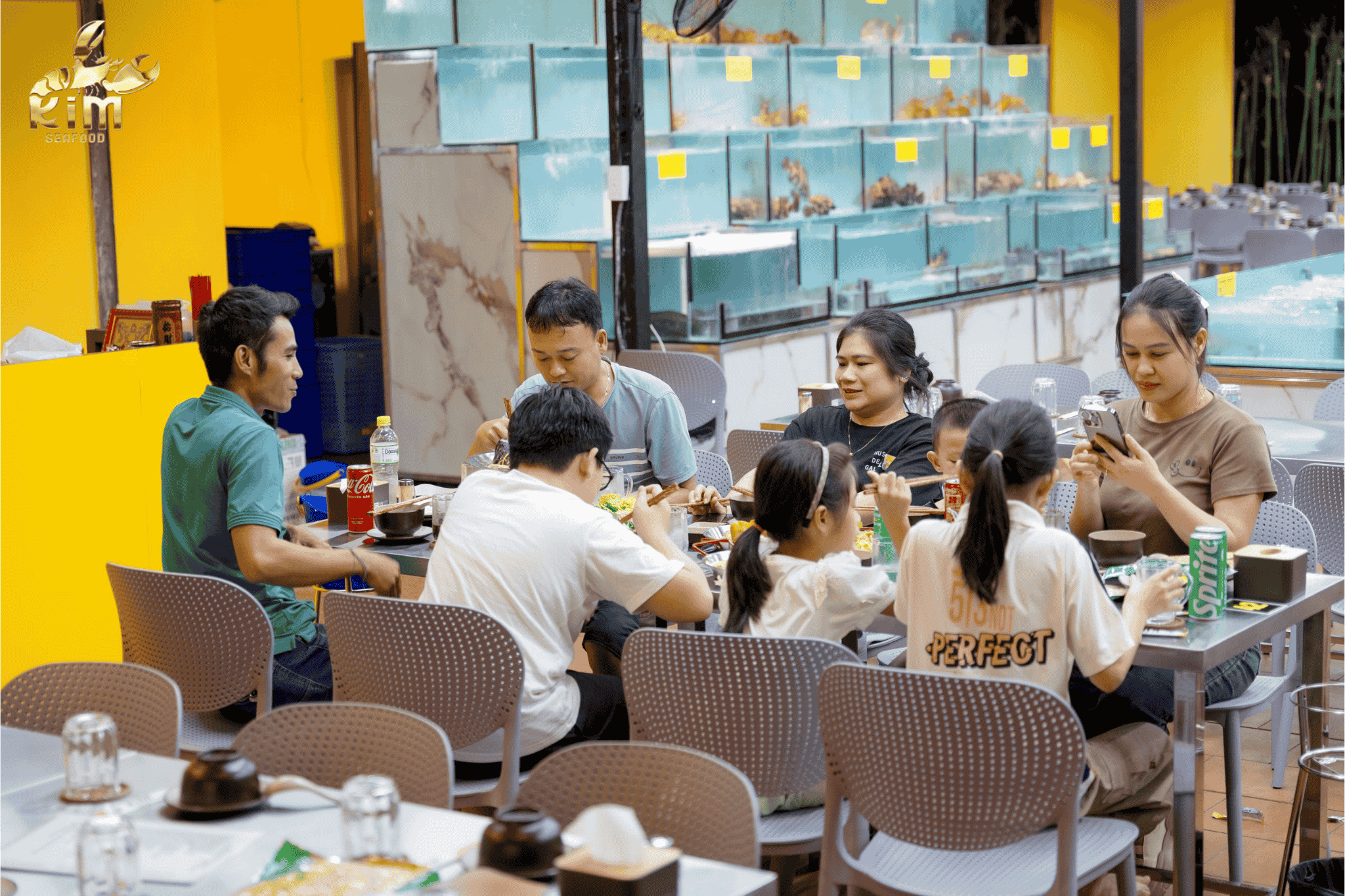
The dining space also contributes significantly to the perception of the dish’s deliciousness, especially when you experience seafood in coastal cities. Natural sea breezes carry high humidity, helping to prevent the surface of the food from drying out faster compared to a closed air-conditioned environment.
In Da Nang, Kim Seafood restaurant is an ideal destination where diners can enjoy grilled seafood dishes in a spacious, open environment. With strict kitchen control processes, seafood here is always served as soon as it is just cooked, helping to preserve every drop of quintessential sweet water from the ocean in an atmosphere close to nature.
6. Summary
Preparing delicious grilled seafood dishes is not simply about placing ingredients on a grate and waiting for them to cook. It is a subtle journey starting from choosing the right fresh ingredients, scientific marinating, to mastering the flame and serving at the right time to retain every drop of the most quintessential sweet water.
In Da Nang, Kim Seafood is a prominent name always committed to upholding the principle of “fresh from the sea, sweet from the meat” in every one of their grilled seafood dishes. With strict kitchen control and immediate serving upon completion, this is a reliable address for you to enjoy true marine culinary value without worrying about the dish being dry or losing its flavor.
Contact Information:
- Address: Kim Seafood, A2.01 Ly Nam De Street, An Hai Trung Ward, Son Tra District, Da Nang, Vietnam.
- Phone: 0916111143
- Opening Hours: 10:00 AM – 11:00 PM
- Email: hello.kimseafood@gmail.com
- Facebook Fanpage: Hải sản KIM Seafood