Steamed seafood dishes are valued for natural sweetness
Steamed seafood dishes preserve natural sweetness and showcase fresh marine flavors without heavy seasoning. More than just a simple method of cooking with steam, steaming is a technique that helps preserve the nutrition, meat texture, and inherent characteristic flavors of each type of seafood.
The article below will clearly analyze why steamed seafood dishes are always prioritized at Da Nang seafood restaurants, while also helping you understand how to select ingredients, control time, and experience seafood correctly to fully perceive the natural sweetness.
1. Mechanism for preserving the natural sweetness of steamed seafood dishes
It is no coincidence that steamed seafood dishes are always highly rated when mentioning freshness and natural sweetness, as this preparation method directly affects the nutritional structure inside the ingredients instead of just cooking the surface of the food.
Many studies in the field of food science show that when seafood is processed with steam at a controlled temperature, the amount of free amino acids and characteristic sweet-tasting compounds of the sea are almost maximally retained, limiting the loss of sweet juices compared to cooking methods using oil or direct boiling water. This explains why with the same type of shrimp, crab, or fish, when processed with the correct technique, steamed seafood dishes still maintain succulence, a clean taste, and a clear aftertaste that diners can easily feel from the very first bite.
1.1. Steam temperature and protein preservation
During the steaming process, steam transfers heat evenly around the surface of the ingredients, helping proteins coagulate slowly and stably instead of shrinking suddenly. When proteins are not broken down too quickly, the natural water inside the meat fibers is retained, and the compounds that create the sweet sea taste are not dispersed into the cooking environment. This is the core factor that helps steamed seafood dishes maintain a soft texture, prevent drying, and keep the inherent nutritional value of fresh ingredients.
1.2. No direct contact with grease
Another important point that makes steamed seafood dishes highly appreciated lies in the fact that the ingredients do not come into direct contact with grease at high temperatures. Thanks to this, the characteristic flavor of each type of seafood is kept intact, not masked by layers of oil or strong spices, helping the eater clearly perceive the freshness instead of a greasy or cloying feeling.
1.3. Keeping the full sea sweetness thanks to a closed environment
The steaming process takes place in a closed environment, allowing steam to circulate continuously, limiting the evaporation of natural sweet juices released during the cooking process. Unlike the boiling method which causes nutrients to dissolve into the water, steamed seafood dishes retain most of the essence right inside the ingredients, thereby creating a clear depth of flavor and a fresh feeling after enjoyment.
👉 See more: Natural Sweetness of the Sea: What Factors Shape Seafood Flavor?
2. Comparing steamed seafood dishes with other methods
When evaluating flavor quality, many culinary experts and researchers in the field of food processing science believe that the cooking method directly affects the water retention capacity, protein structure, and nutrient content in seafood. Specifically comparing steaming with popular methods such as grilling, frying, or stir-frying helps readers understand the differences in cooking mechanisms, thereby determining when to prioritize steamed seafood dishes to achieve the best enjoyment quality.
2.1. Steaming vs. Grilling
Grilling creates a Maillard reaction when food comes into direct contact with high temperatures, helping to increase aroma but simultaneously causing the natural water in seafood to evaporate quickly. When water is lost, the meat easily becomes tough and reduces the perception of the original sweet taste, especially with shrimp, squid, or fish with soft meat structures. In contrast, steamed seafood dishes use steam to transfer heat indirectly, helping ingredients cook evenly without drying the surface, thereby maintaining succulence and a clearer natural flavor.
2.2. Steaming vs. Frying
Frying is a method that creates a quick sense of rich flavor thanks to the outer oil coating; however, the oil temperature often exceeds what is necessary for seafood. This process causes proteins to shrink strongly, leading to the loss of internal sweet juices and increasing the fat content absorbed into the food. Meanwhile, steamed seafood dishes do not alter the natural fat structure, helping the eater feel the fresh taste instead of a greasy or dry sensation after eating.
2.3. Steaming vs. Stir-frying
Stir-frying helps spices penetrate quickly and creates an attractive aroma, but constant tossing over high heat causes the seafood surface to be in direct contact with the hot pan for a long time. This can easily lead to unevenly cooked ingredients, with the outside drying out before the inside reaches the ideal ripeness. With steamed seafood dishes, the heat spreads evenly thanks to the steam, helping the entire ingredient reach a stable cooked state, limiting dehydration and maintaining a naturally soft texture.
2.4. When to choose steaming
Steamed seafood dishes should be prioritized when there is a need to clearly perceive the quality of the ingredients, control grease intake, or serve groups of health-conscious diners. However, to achieve maximum effectiveness, the choice of steaming time, temperature, and suitable type of seafood plays a decisive role, and this is the important factor that the next part of the article will continue to clarify to help readers apply it correctly in practice.
3. The most suitable types of seafood for steamed seafood dishes
Not every type of seafood achieves optimal quality when applying the steaming method, as the water retention capacity, meat structure, and natural protein content directly determine the sweetness after processing. Ingredients with high freshness, firm meat fibers, and containing many natural sweet juices always yield the best results when processed into steamed seafood dishes.
3.1. Shrimp and maintaining natural crispness
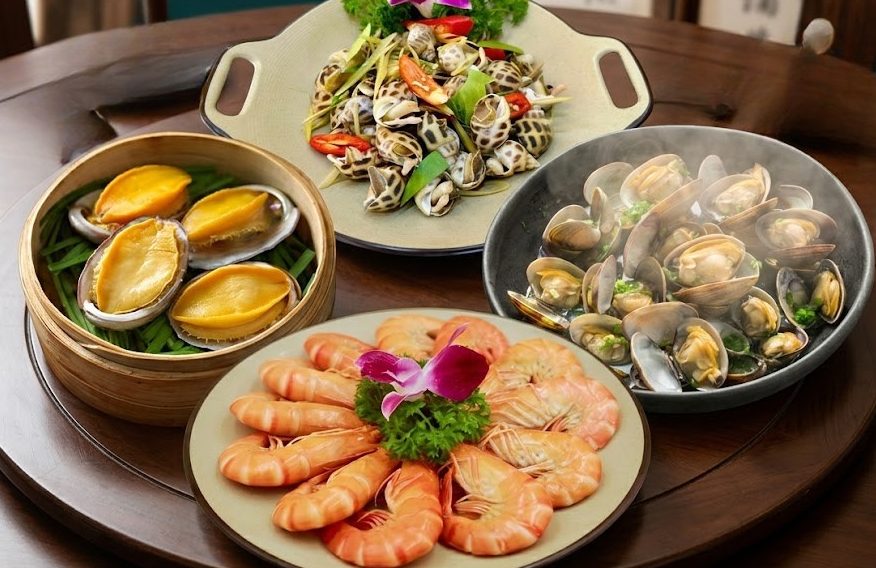
Shrimp is a group of seafood particularly suitable for the steaming method thanks to a muscle structure containing high protein content and a large natural water ratio. When cooked by steam, the protein in shrimp coagulates just enough, helping the meat stay firm yet still retaining its characteristic crispness instead of becoming mushy or dry. Because of this, steamed seafood dishes made from shrimp often provide a clear sweetness, require little seasoning, and accurately reflect the freshness of the original ingredients.
3.2. Crab – Flower crab and the clean sweet taste
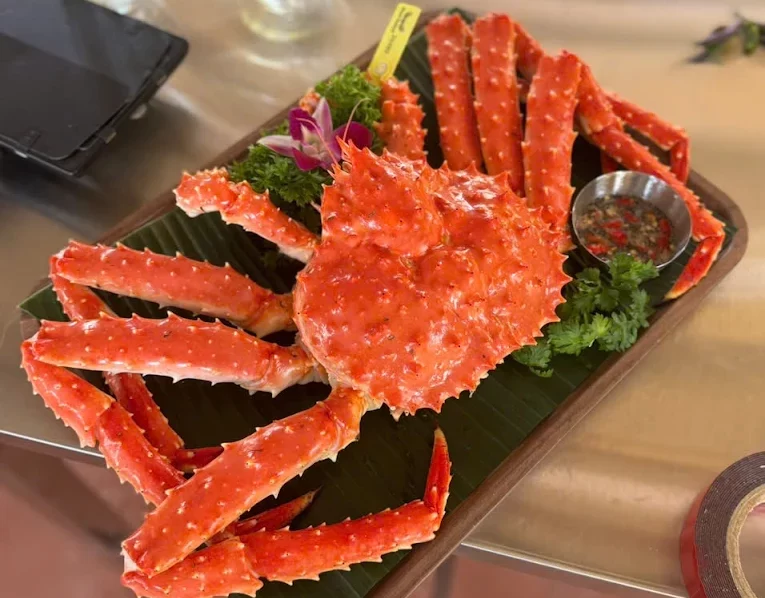
Crabs and flower crabs grow in a seawater environment rich in minerals, so the meat contains a lot of glycogen, a compound that contributes to the natural clean sweet taste. When steaming, the shell acts as a protective layer that prevents the internal sweet water from being lost during the cooking process. Thanks to this mechanism, steamed seafood dishes made from crab or flower crab usually maintain high moisture, clearly separated meat fibers, and a stable flavor without needing many supporting spices.
3.3. Clams – Shellfish and the released sweet water
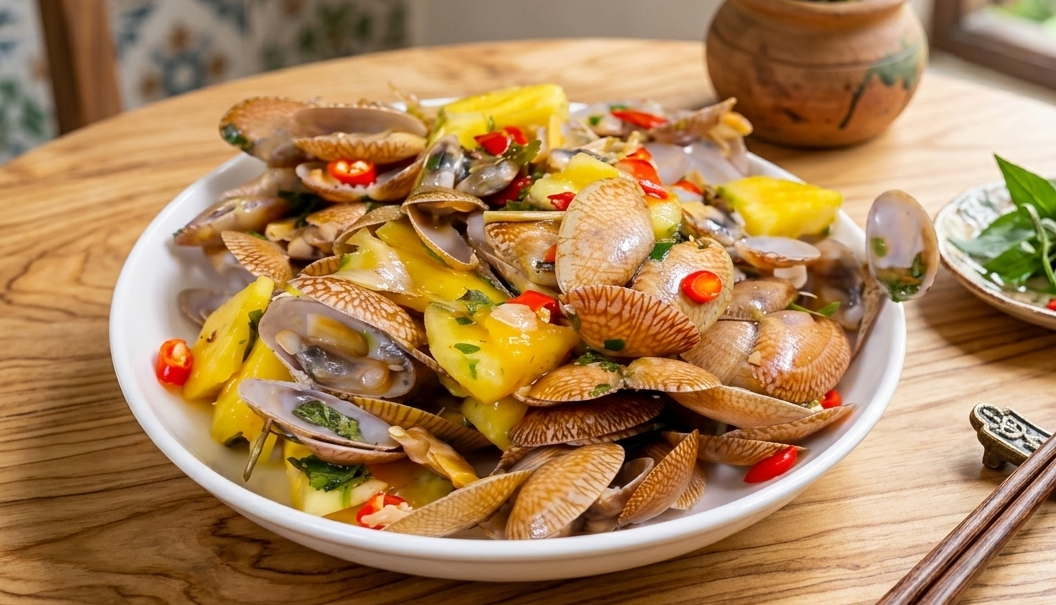
Bivalve mollusks such as clams, cockles, or scallops are highly regarded when steamed because they self-release a natural amount of sweet water during the cooking process. This water contains amino acids and dissolved minerals, creating a flavor that is rich yet clean, different from when cooked by boiling water which causes nutrients to be diluted. This is why many chefs prioritize choosing steamed seafood dishes when wanting to exploit the maximum original flavor of the shelled seafood group.
3.4. Whole sea fish
Fresh sea fish, especially those living near the shore in the Central region, have firm meat fibers and a balanced natural fat ratio, so they are very suitable for steaming whole. When processed with the correct technique, steam helps the fish cook evenly from the outside in without breaking the meat structure, retaining the sweet juices located between the muscle fibers. This helps steamed seafood dishes made from sea fish maintain softness, avoid a fishy smell, and clearly demonstrate the advantage of fresh seafood sources from the Da Nang sea area, where favorable natural conditions help ingredients reach high quality right from the catching stage.
4. The art of time control in steamed seafood dishes
In the process of preparation, many people believe that just cooking it through is enough; however, reality shows that steaming time directly determines the sweetness, meat texture, and nutritional value of the seafood after completion. Studies on steam cooking techniques indicate that if time is controlled incorrectly, proteins will shrink excessively, causing natural sweet juices to escape, markedly reducing the quality of the finished product even if the initial ingredients were very fresh. Therefore, for steamed seafood dishes to achieve softness, succulence, and keep the full sea sweetness, the processor needs to understand the principles of heat and time control instead of applying intuition during the cooking process.
4.1. Overcooking – what happens?
When seafood is steamed for longer than the necessary time, heat accumulates continuously, causing protein fibers to harden and squeeze natural water out of the meat fibers. The easily noticeable result is shrimp becoming mushy, squid becoming tough, or fish losing its inherent softness, while the sweetness significantly decreases even if the outside looks completely cooked. This is a common error that prevents steamed seafood dishes from reaching quality, especially in kitchen environments serving large quantities where time is often prolonged beyond standard levels.
4.2. Ingredient thickness and standard time
Steaming time should not be applied fixedly for all types of seafood but needs to be adjusted based on the size and thickness of the ingredients. Whole seafood or those with thick shells like crabs and flower crabs need longer time for heat to penetrate the meat core, while shrimp or fish fillets only need to be steamed for a short time to avoid dehydration. Correctly determining the time according to each group of ingredients helps steamed seafood dishes cook evenly from the inside out while still maintaining the natural structure and nutritional content.
4.3. Opening the lid at the right time
A factor often overlooked is the timing of opening the steamer lid, as each time the lid is opened, it causes steam loss and reduces the internal temperature. When the heat is interrupted, the cooking process becomes unstable, making the seafood easily unevenly cooked or requiring a prolonged steaming time beyond expectations. For steamed seafood dishes, maintaining a continuous steam environment and only opening the lid when the standard time is reached helps preserve the natural sweet juices, while ensuring the meat texture reaches its best state.
👉 See more: Seafood Restaurant in Da Nang – Top Local Dining Spots for Tourists
5. Experiencing steamed seafood dishes at Da Nang seafood restaurants
In the journey of exploring marine cuisine, many tourists choose Da Nang seafood restaurants not only to enjoy fresh ingredients but also to clearly feel the quality of preparation through methods that keep the full natural flavor. Reality shows that steamed seafood dishes are always among the most ordered groups because of their ability to directly reflect the freshness of the ingredients, almost independent of spices or complex marinating techniques.
5.1. Why tourists prioritize steamed dishes
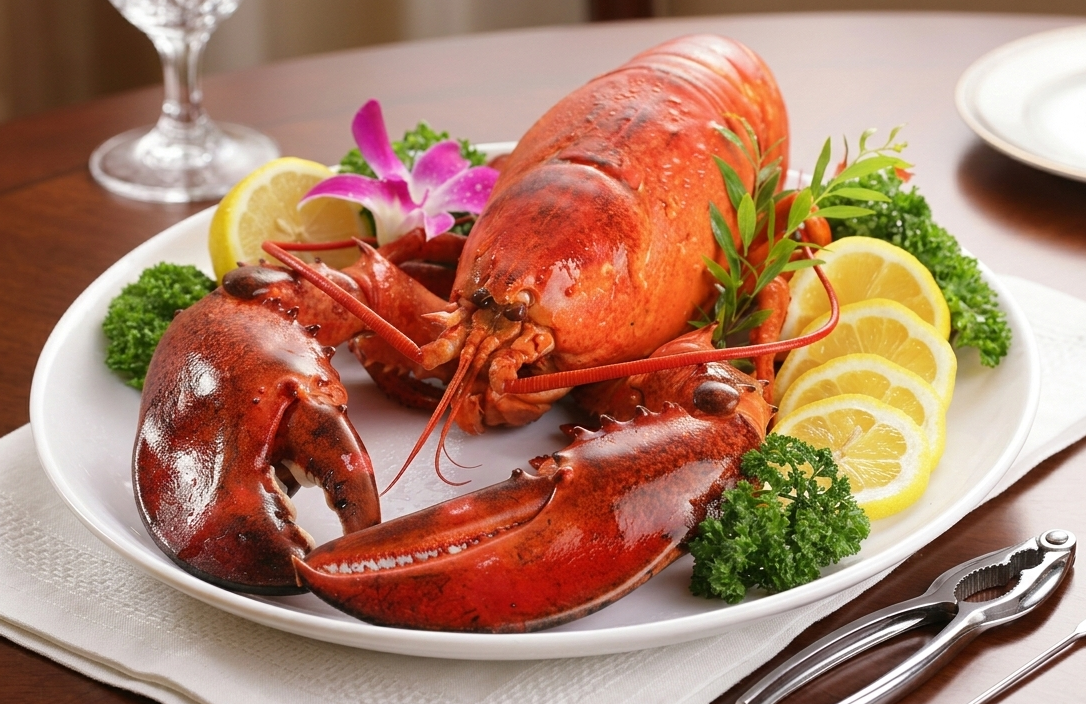
With steamed seafood dishes, the process of cooking with steam helps limit grease and retains the natural sweet water inside the ingredients, fitting the trend of light, easy-to-digest eating and ensuring health throughout the trip. This is also the reason many diners choose the steaming method to correctly perceive the quality of seafood in the Da Nang sea area from the very first taste.
5.2. Experiencing eating Da Nang seafood with a minimalist spice style
The trend of experiencing eating Da Nang seafood currently focuses on reducing spices to highlight freshness instead of masking the natural flavor. Chefs often only combine ginger, lemongrass, or onions to lightly deodorize without changing the nature of the ingredients, helping steamed seafood dishes maintain a clean taste and intact meat structure. This preparation method allows diners to clearly feel the difference between each type of seafood, from shrimp and crab to sea fish, based entirely on the quality of the catch.
5.3. Notes when booking Kim Seafood to enjoy the full flavor

To experience seafood at its best quality, choosing the time and method of booking also plays an important role, especially at restaurants serving daily fresh seafood. When booking Kim Seafood, diners should prioritize time slots when ingredients have just entered the tanks to ensure maximum freshness for steamed seafood dishes, and can directly discuss with the staff about the types of seafood suitable for the steaming method.
The proactive selection of ingredients and processing methods not only enhances the dining experience but also helps users better understand why the steaming method is always highly valued when wanting to fully enjoy the natural sweetness of marine seafood.
👉 See more: Kim Seafood reservation – Enjoy authentic Da Nang seafood
6. Conclusion
Through analysis of the preparation mechanism, ingredient characteristics, and heat control techniques, it can be seen that steamed seafood dishes are highly regarded not because of a dining trend but from the ability to keep the nutritional structure and natural sweetness inherent in fresh seafood intact. The steaming method limits the impact of grease, reduces the loss of sweet juices, and helps diners directly perceive the quality of the ingredients instead of depending on spices, thereby affirming that steaming is a preparation method that honors the true value of marine seafood.
In practice, when the seafood source reaches ideal freshness, choosing steamed seafood dishes not only brings a light dining experience but also helps clearly evaluate the difference between each type of ingredient according to the true characteristics of the sea region.
Contact Information:
- Address: Kim Seafood, A2.01 Ly Nam De Street, An Hai Trung Ward, Son Tra District, Da Nang, Vietnam.
- Phone: 0916111143
- Opening Hours: 10:00 AM – 11:00 PM
- Email: hello.kimseafood@gmail.com
- Facebook Fanpage: Hải sản KIM Seafood