Seafood preparation helps preserve sweetness and freshness
Proper seafood preparation directly determines the sweetness, succulence, and freshness of a dish, even when the ingredients are high quality. Many wonder why the same type of shrimp, fish, or crab can result in markedly different outcomes between kitchens; the answer lies in how heat, time, and seasoning are controlled during each stage.
This article will specifically analyze the scientific factors affecting protein structure, natural juice content, and common mistakes, helping you understand and correctly apply techniques to preserve the full value of every type of seafood.
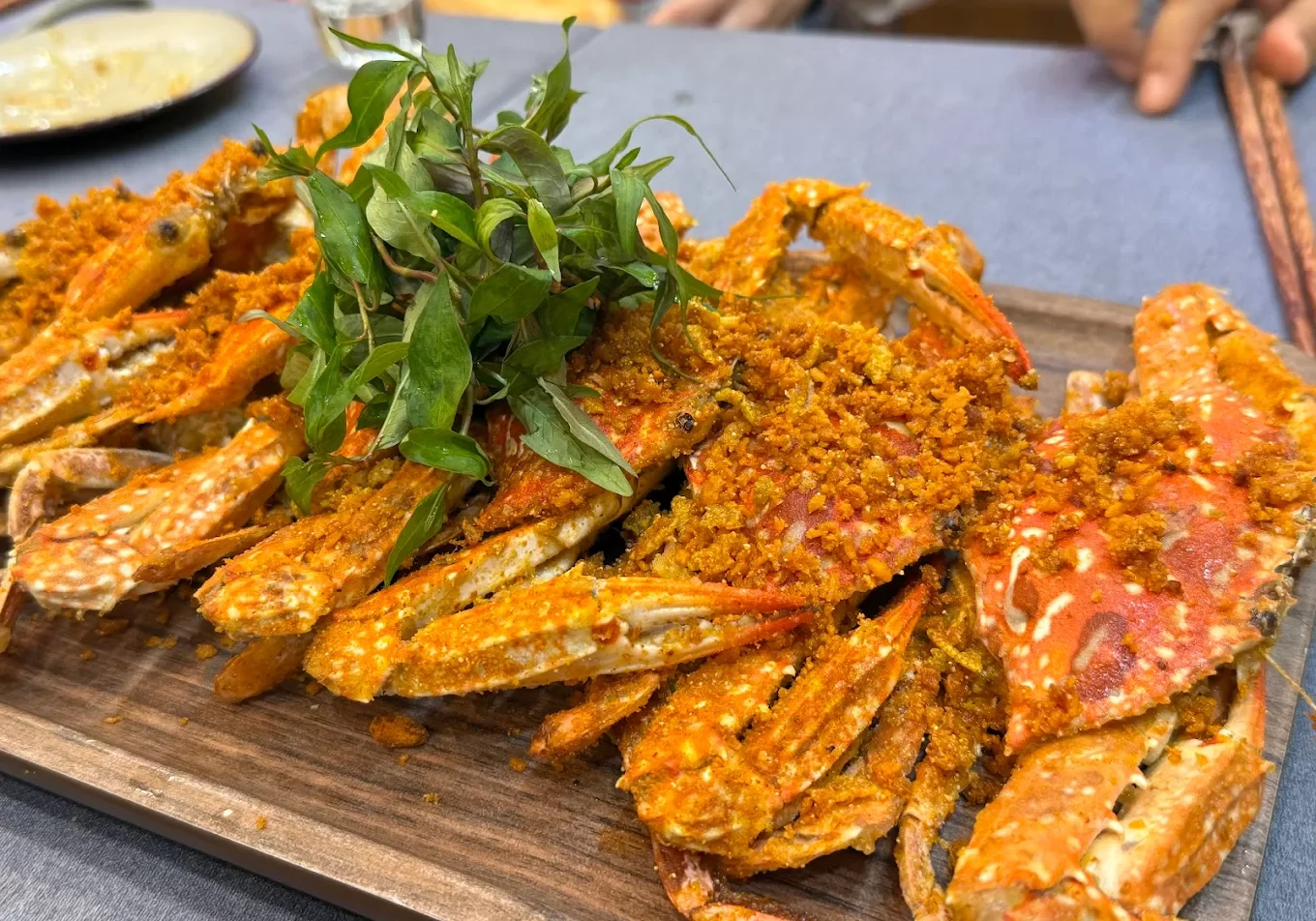
1. Why does seafood preparation determine 70% of a dish’s quality?
1.1. Seafood protein characteristics change easily under heat
Seafood has shorter protein structures and looser connective tissues compared to livestock meat; therefore, even a small temperature difference is enough to alter the firmness and natural water content inside. If heat is not precisely controlled, proteins will contract rapidly, pushing water out and making the flesh dry, crumbly, or lose its inherent elasticity. This is why seafood preparation is always considered the direct factor deciding the first impression during enjoyment.
1.2. Dehydration reactions and the impact on natural sweetness
The natural sweetness in seafood comes from free amino acids and minerals dissolved in the cellular fluid. Consequently, during the process of seafood preparation, if heating lasts too long or the temperature rises abruptly, this moisture will escape, significantly reducing richness and leaving the dish bland or tough. Many food science studies have indicated that controlling time and heat levels reasonably helps retain maximum natural juices, thereby ensuring a true seafood dining experience without over-relying on seasonings.
1.3. Common mistakes that cause seafood to lose freshness
In reality, many people wash ingredients too thoroughly, salt them too early, or cook until “extra done” for fear of undercooking. However, these seemingly safe actions are exactly what cause seafood to lose its freshness and nutritional value. Correctly understanding the nature of seafood preparation helps the cook control every step, from preliminary processing to finishing the dish, which is the core content that the next section of the article will analyze in detail for practical application.
2. Principles of selecting ingredients before seafood preparation
2.1. Identifying fresh seafood through sensory perception
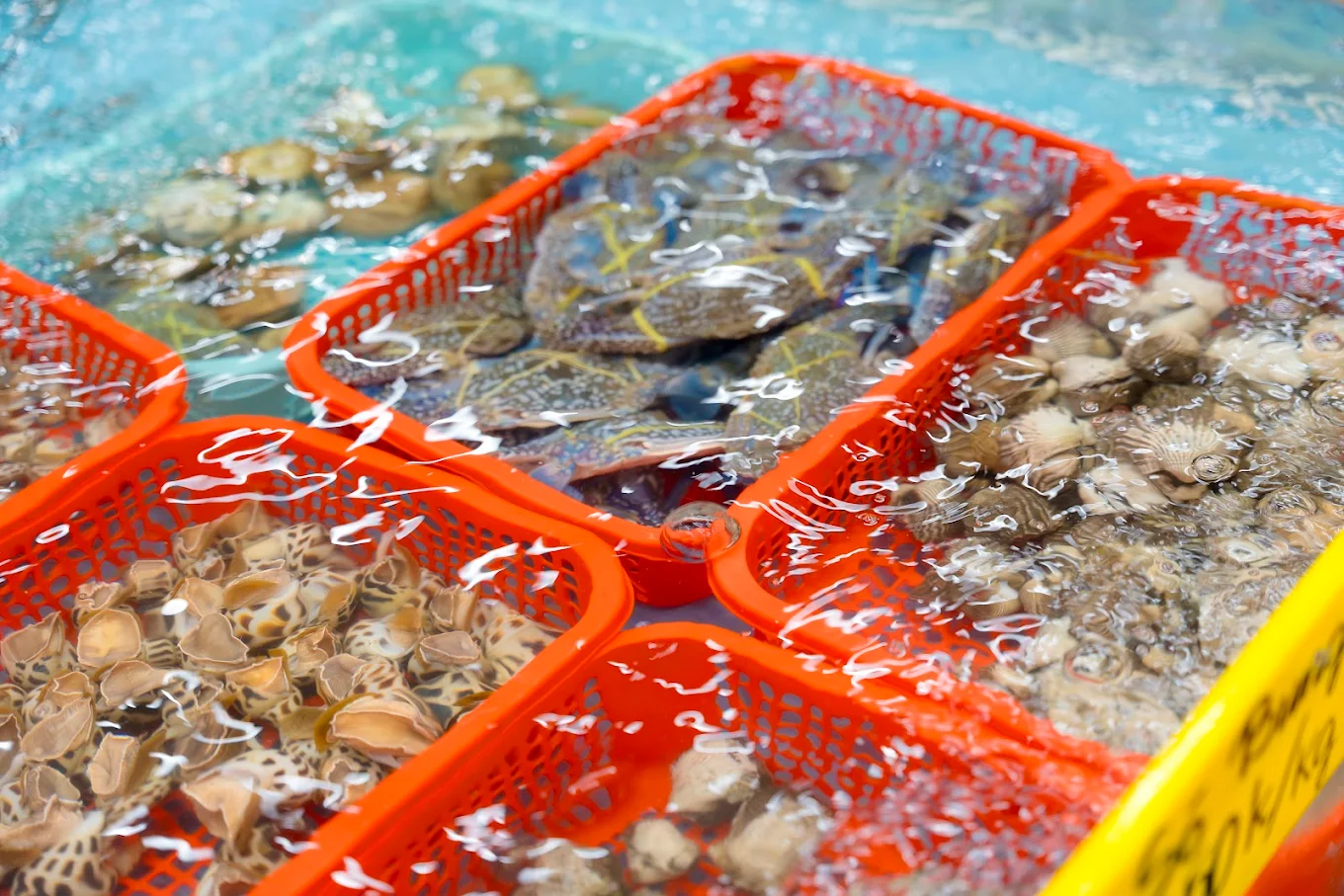
The quality of a dish does not start in the kitchen but begins at the ingredient selection stage. According to food safety documents and aquatic inspection guidelines, freshness is evaluated based on flesh elasticity, natural color, characteristic odor, and the live status of mollusks.
If the fish eyes are clear, gills are bright red, shrimp shells are hard, and there is no strange smell, these are signs of fresh seafood. Conversely, when the surface is slimy, the body is soft, or there is a pungent fishy smell, the protein structure has begun to decompose, directly affecting quality later regardless of how accurate the seafood preparation technique is.
👉 See more: Fresh seafood – a clear difference in quality and natural flavor
2.2. Timing of preparation after purchase
Studies on fishery preservation indicate that microorganisms develop quickly at ambient temperatures; thus, the time interval from purchase to cooking greatly determines the natural sweetness. Seafood should be prepared within the day and limited from being left overnight if proper deep-freezing conditions are unavailable. Every hour passing at an unsuitable temperature reduces the content of free amino acids—the factor creating the characteristic savory taste—which is why many wonder why the same ingredients result in such different finished products.
2.3. Proper storage before cooking
Before entering the kitchen, ingredients need to be kept at $0-4^\circ\text{C}$ for chilled items or deep-frozen if applicable. Simultaneously, avoid washing too many times as fresh water can cause the loss of natural minerals. Improper storage not only reduces quality but also causes the meat texture to become mushy, losing firmness and making it difficult to achieve quality seafood standards upon completion.
Therefore, understanding the principles of selecting and keeping ingredients is the foundational step for the seafood preparation process to reach its highest efficiency. In the next section, the article will analyze how to control heat and time to preserve the inherent sweetness of each seafood type.
3. Seafood preparation methods and levels of sweetness retention
3.1. Quick boiling – controlling time
Boiling is a popular method because it is easy to perform, but the effectiveness of flavor retention depends entirely on time and water temperature. According to food science guidelines, when water reaches a stable boiling point and ingredients are dropped in for just enough time, the protein structure will coagulate gently, keeping the sweet juices inside. If boiled too long, soluble amino acids will escape into the water, making the meat bland. Therefore, in the process of seafood preparation by boiling, the most important factor is not the seasoning but the ability to control every minute of cooking.
3.2. Grilling – balancing fire and moisture
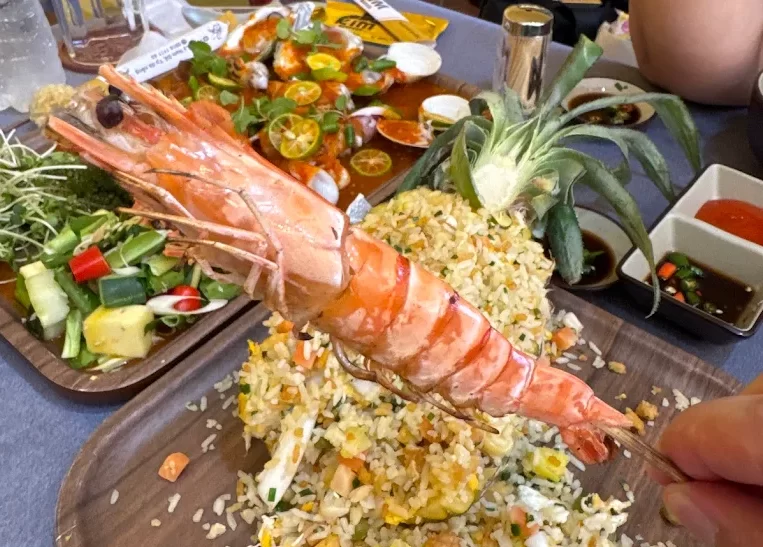
Grilling creates a firm surface layer thanks to the Maillard reaction. However, during seafood preparation, if the heat source is too high or the ingredients are placed directly over intense fire for a long duration, internal water will evaporate quickly, causing the texture to dry out. Culinary experts recommend maintaining a reasonable distance between the charcoal and the food while flipping regularly to prevent localized burning. When moisture is kept at a stable level, natural sweetness is preserved at a fairly high level compared to methods using oil at high temperatures.
3.3. Pan-searing – surface heating technique
Pan-searing is suitable for fish fillets or prepared shrimp. When the pan is hot enough and the oil amount is moderate, the surface is sealed quickly, helping to limit water loss. But if the heat is insufficient or the food is stirred constantly, the meat will release a lot of fluid and lose its firmness. This method requires precise execution because a difference of just a few dozen seconds can clearly change the sweetness and succulence of the ingredients.
3.4. Braising and stir-frying – when to apply
Braising and stir-frying are often accompanied by stronger seasonings, suitable for ingredients with good chewiness like squid or fish steaks. However, the level of original sweetness retention is lower than boiling or grilling due to long heat exposure and the involvement of sauces. Therefore, choosing the appropriate method for each type of seafood is the key factor, and the next part will analyze how to adjust heat and time to optimize seafood preparation efficiency.
4. Technical errors that lose natural sweetness during seafood preparation
4.1. Overcooking
One of the most common reasons dishes lose their natural sweetness is cooking beyond the necessary time. According to food science documents, when seafood protein is exposed to heat longer than the recommended level, the structure contracts strongly, pushing the internal fluid out and making the meat dry, crumbly, or tough. Many people have the habit of leaving it for a few extra minutes to be “sure it’s cooked,” but that redundant time significantly reduces sensory value. Thus, controlling the exact moment to stop heat is a vital requirement in the seafood preparation process to maintain succulence and original flavor.
4.2. Seasoning too early
Marinating with salt or fish sauce too early can increase osmotic pressure, causing water in the cells to be pulled out before heating—a point mentioned in many studies on food structure transformation mechanisms. When natural juices are lost, the meat will be less flavorful and easily dry after cooking. Instead of seasoning from the start, cooks should adjust seasonings in the final stage to limit dehydration and preserve the inherent sweetness of the ingredients.
4.3. Incorrect washing of ingredients
Not a few people wash seafood under a strong tap or soak it too long in fresh water to clean it completely, but this can wash away soluble minerals and make the meat surface mushy. According to recommendations on safe fishery handling, one should only rinse quickly under clean water or use a towel to pat dry before cooking to keep the structure stable. Understanding these seemingly small mistakes will help you adjust your seafood preparation workflow more accurately.
5. Seasonings and combinations that enhance rather than overpower the sea flavor
5.1. Sea salt and its role in flavor balance
In seafood cuisine, salt is not just a seasoning to create saltiness but also plays a role in adjusting the overall flavor. According to food sensory studies, a moderate amount of salt can highlight the natural sweetness of free amino acids in fish, shrimp, and crab meat. However, if overused or marinated too early, salt will pull water out of the cellular structure, reducing succulence. Therefore, when performing seafood preparation, controlling the timing and dosage of salt is a crucial step to keep the essence of the ingredient rather than turning it into a heavy-flavored dish.
5.2. Ginger, lemongrass, lime – how to use them correctly
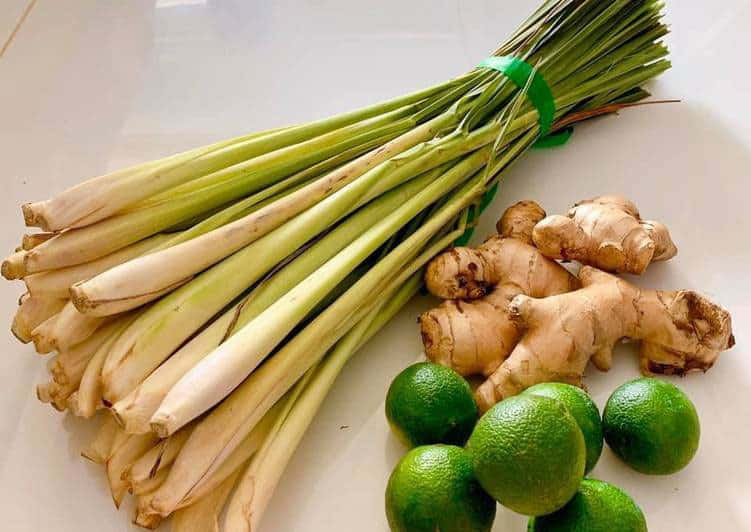
Ginger and lemongrass are often used to deodorize fishiness, while lime helps create freshness and balance fat. However, in seafood preparation, if abused, the strong aromas will mask the characteristic scent of the sea. According to fishery cooking technical documents, these ingredients should only play a supporting role, added in moderation and at the right time. For example, thinly sliced ginger in boiling or steaming water neutralizes odors, and lime is lightly squeezed before eating rather than soaked directly during cooking to keep the natural flavor harmonious.
5.3. Limiting overly strong dipping sauces
Strongly flavored dipping sauces can create an initial appeal, but in seafood preparation, they reduce the ability to perceive the original sweetness of the seafood, especially when using sauces that are too spicy or too salty. Many seafood chefs encourage keeping dipping sauces moderate, prioritizing simple formulas so diners can clearly feel the freshness and meat texture.
6. Standard seafood dining experiences at seaside restaurants
6.1. Why proximity to the sea helps seafood maintain freshness
According to fishery preservation recommendations, the shorter the time from catch to kitchen, the better the sensory quality is guaranteed. Seaside seafood restaurants often have the advantage of direct supply, minimizing long transportation hours that easily change temperatures and affect meat structure. When ingredients are maintained in appropriate cold conditions and processed within the day, the elasticity, color, and natural sweetness are more stable than stored seafood, which is an important foundation before starting any seafood preparation stage.
6.2. Criteria for choosing a seaside seafood restaurant
A reliable address is not based solely on location but also on storage methods and kitchen operations, from oxygen tank systems for live seafood to separate classification for each ingredient group and temperature control in the processing area. Diners can observe how staff advise on freshness and suggest suitable cooking methods instead of defaulting to one style for everything, as this expertise determines if the dish retains succulence after completion.
6.3. Practical experience suggestions

When directly dining at restaurants that emphasize technique, such as Kim Seafood Restaurant, it is easy to notice how chefs discuss cooking times, heat levels, and minimalist seasoning to avoid altering the nature of the ingredients. This experience shows that choosing the right location helps diners clearly perceive the difference between a carefully handled dish and one that only focuses on appearance. In the summary, the article will systematize the important principles so you can apply them in practice or accurately evaluate the quality of seafood preparation when eating out.
👉 See more: Kim Seafood Restaurant: What Makes It a Must-Try in Da Nang
7. Conclusion
From selecting ingredients and storage to controlling heat and seasoning, seafood preparation relies heavily on technique and precision in every action. When temperature and time are adjusted reasonably, the protein structure and natural juices in the meat remain stable, helping the dish maintain succulence, elasticity, and characteristic sweetness rather than merely cooking the ingredients.
Eating seafood correctly is not about choosing expensive dishes but about the ability to recognize freshness and the difference between a dish with proper seafood preparation techniques and one cooked by habit. By understanding these principles, you can proactively choose or apply them to fully enjoy natural flavors instead of just eating for fullness or heavy seasoning.
👉 See more: Eat seafood properly to fully enjoy the ocean’s fresh sweetness
Contact Information:
- Address: Kim Seafood, A2.01 Ly Nam De Street, An Hai Trung Ward, Son Tra District, Da Nang, Vietnam.
- Phone: 0916111143
- Opening Hours: 10:00 AM – 11:00 PM
- Email: hello.kimseafood@gmail.com
- Facebook Fanpage: Hải sản KIM Seafood