Natural Sweetness of the Sea: What Factors Shape Seafood Flavor?
The natural sweetness of the sea is the top standard for evaluating the quality of seafood, but not everyone knows why the same type of fish or shrimp can have such different levels of sweetness. When enjoying a piece of fresh squid or shrimp, you will perceive a characteristic purity and richness that no artificial seasoning can replace.
However, have you ever wondered what the core factor is that creates the real difference in flavor between freshly caught seafood and long-term frozen seafood? This characteristic natural sweetness of the sea does not come by chance; it is the total result of many factors, from the living environment and salt concentration to strict preservation processes.
1. What is the natural sweetness of the sea and why is it so easily recognized?
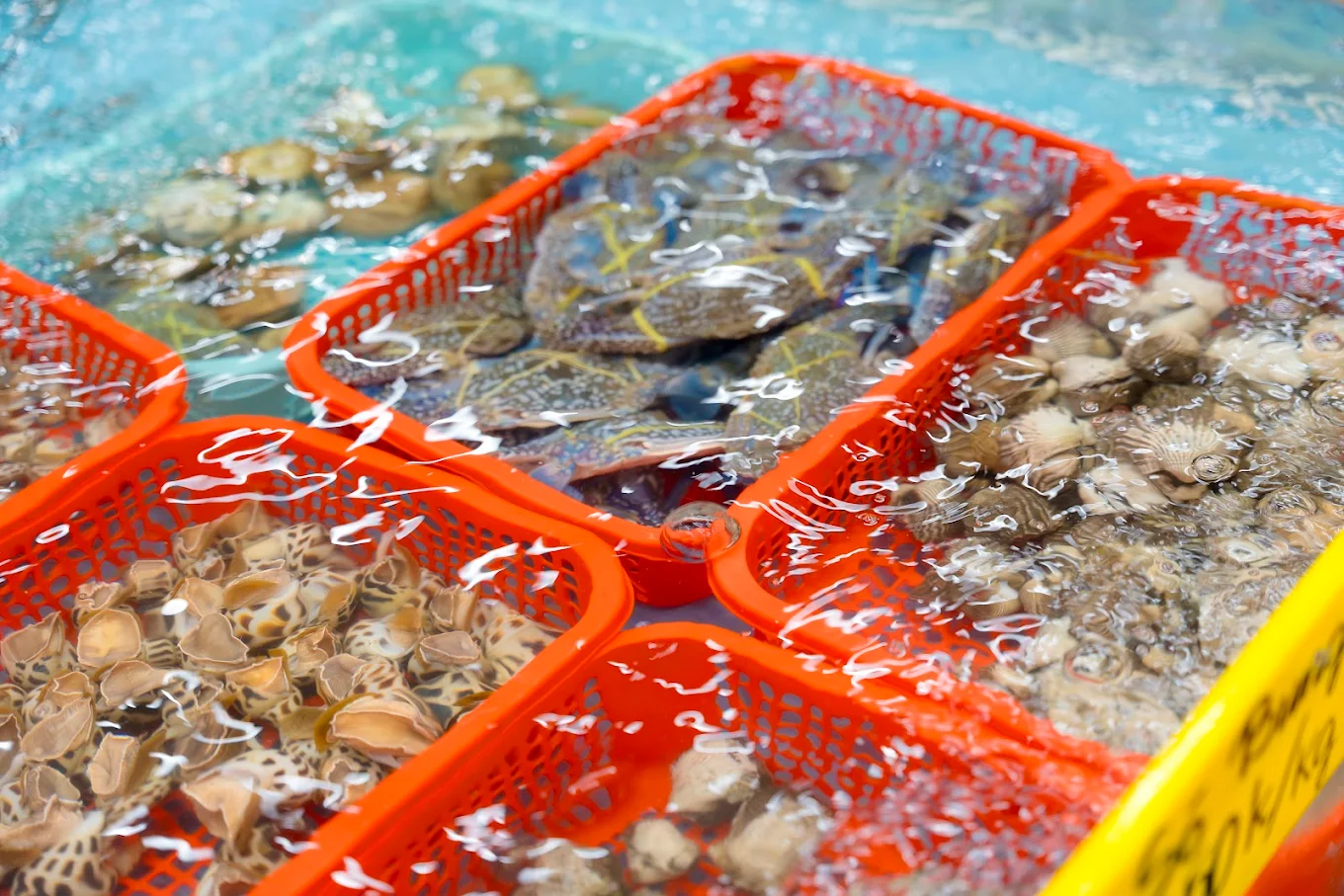
Many people often confuse the sweetness of seafood with the sweetness of sugar or common flavor enhancers, but in reality, the natural sweetness of the sea carries a completely different identity. This is a delicate taste experience created by the combination of natural amino acids and minerals found in ocean organisms.
The most distinctive feature of this flavor is its ability to wake up the taste buds directly upon touching the tip of the tongue. Unlike the intense or harsh taste of artificial seasonings, this sweetness is sustainable, deeply permeating, and leaves a pleasant sensation in the mouth.
The natural sweetness of the sea in natural taste perception
From an in-depth culinary perspective, the natural sweetness of the sea is actually the Umami flavor (the fifth taste) found in high concentrations in fresh fish, shrimp, and squid. When tasting it, you will find it is nothing like the sweetness from granulated sugar or MSG commonly used in daily cooking.
If sugar creates an immediate but quickly fading sweetness, then the natural sweetness of the sea from seafood tends toward lightness with a long-lasting aftertaste after swallowing. This very natural sweetness of the sea is evidence that the meat fibers still retain their original nutrient content, unaltered by preservation processes or chemical marinating.
When you enjoy a boiled shrimp or a piece of steamed fish without adding too many spices, that gentle natural sweetness of the sea will affirm the true value of the ingredient. Thanks to this, diners can easily distinguish between clean, delicious food and industrially processed products.
Why the natural sweetness of the sea is considered the measure of delicious seafood
For connoisseurs and those with long-term experience, they do not look at size or vibrant external colors to judge; instead, they use the natural sweetness of the sea as the vital standard. A type of seafood is considered premium if and only if it fully retains the characteristic natural sweetness of that species.
To enjoy all of this essence, correct seafood eating habits play an extremely important role in preserving the flavor. Instead of overly elaborate preparation with lots of oil or thick sauces, knowledgeable people often prioritize simple methods such as thermal steaming or eating raw (sashimi).
2. Living environment – the foundational factor creating the natural sweetness of the sea
To achieve premium meat quality, the living environment of marine creatures acts like a “factory” producing natural nutrients. The natural sweetness of the sea is not born spontaneously but is the result of the accumulation of organic compounds from the water and food sources throughout the seafood’s life cycle.
Salinity, currents, and natural food sources
The salinity of seawater directly affects the osmotic pressure inside the cells of shrimp, fish, and squid. To adapt to high salt concentrations, their bodies must synthesize natural amino acids to balance it; it is these amino acids that create the rich natural sweetness of the sea that we often encounter.
Besides that, sea areas with strong currents force seafood to move constantly, helping the muscles become firm and less fatty. Food sources from mineral-rich plankton also contribute significantly to forming a pure aftertaste, quite different from industrially farmed seafood which often has a bland flavor.
How deep-sea and coastal seafood differ
The difference in depth leads to distinct changes in meat structure and the characteristic flavor of each species. Deep-sea seafood usually lives in cold water environments with high pressure, which makes the growth rate slower but results in a much higher accumulation of protein and minerals.
In contrast, coastal seafood often has a soft and mild sweetness, suitable for quick-cooking dishes. However, in terms of richness, chewiness, and crispness, offshore seafood caught in deep waters always holds the advantage in retaining the original natural sweetness of the sea. This differentiation helps consumers have many choices depending on personal preferences and cooking methods.
Why Da Nang seafood is highly rated for its sweetness
Da Nang possesses a long coastline with a deep continental shelf and stable ocean currents, creating ideal conditions for aquatic species to thrive. When mentioning Da Nang seafood, diners immediately remember the extreme freshness and the characteristic intense sweetness that few sea regions can match.
Favorable natural conditions here provide seafood species with abundant food sources and a clean water environment, unpolluted by industrial waste. This is the reason why the reputation of local seafood always stands at the top of the culinary map, attracting millions of visitors seeking an authentic taste of the ocean every year.
👉 See more: Seafood experience in Da Nang: Fresh, delicious and worthy
3. Freshness directly determines the natural sweetness of the sea
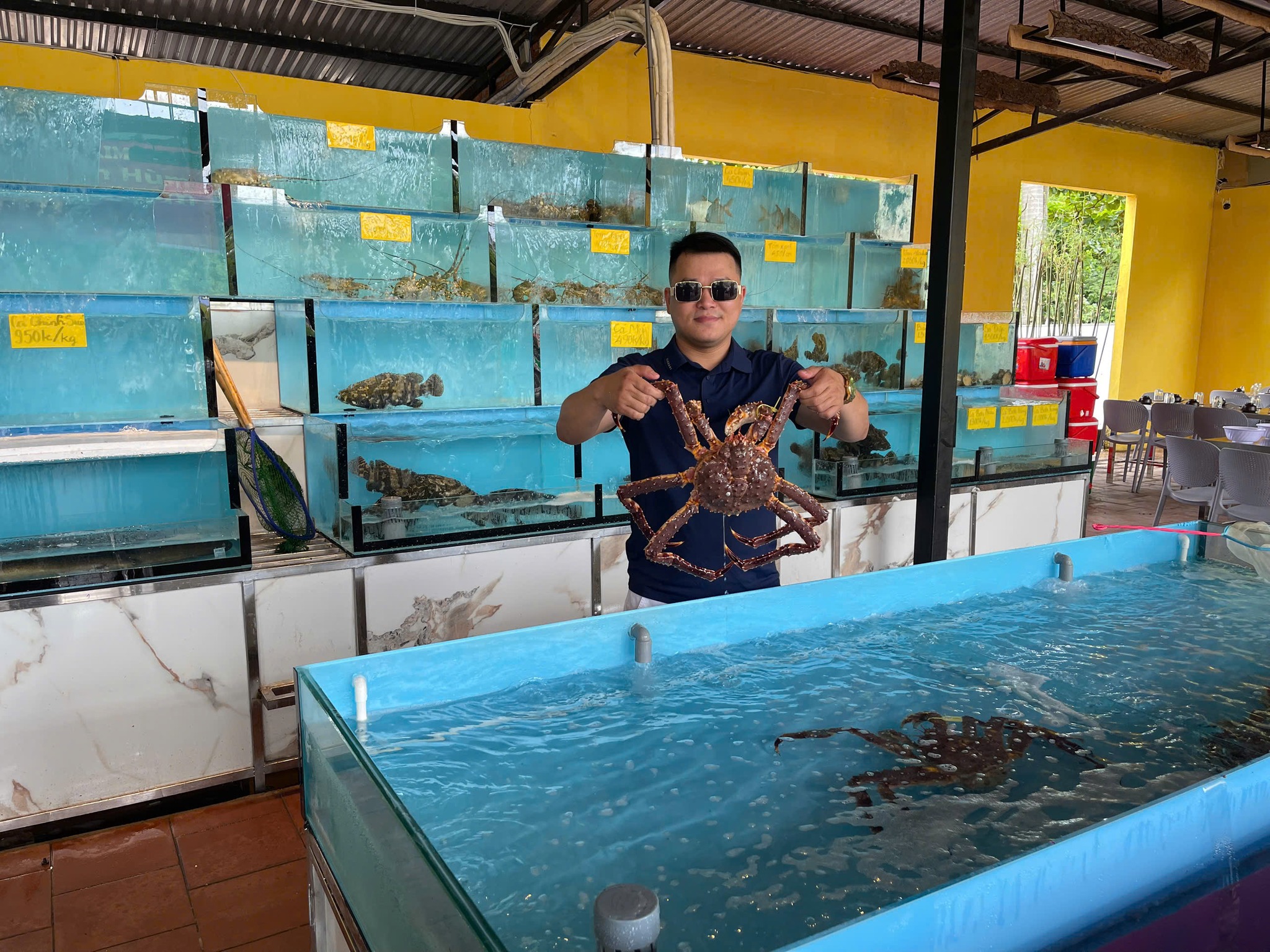
The most crucial factor in fully retaining the natural sweetness of the sea is the physiological state of the seafood at the time of processing. When seafood is maintained in a live state or preserved with proper techniques, the compounds creating Umami sweetness will not decompose, helping the dish keep its original flavor and highest nutritional value.
Live seafood preserves meat structure and sweetness
In a live state, enzymes in the seafood’s body operate stably, helping to maintain a firm muscle fiber structure and natural elasticity for the meat. It is the amount of sweet meat juice accumulated in these cells that creates the characteristic natural sweetness of the sea that no frozen food can replicate.
Conversely, when seafood begins to lose its freshness, the process of self-decomposition occurs, causing proteins to change and juices to leak, leading to a loss of sweetness and mushy meat. Once freshness declines, the original purity will quickly be replaced by a strong fishy smell and a bland sensation when eating.
👉 See more: Fresh seafood – a clear difference in quality and natural flavor
The time interval from harvest to processing
The speed of transport and the establishment of a cold chain are the vital “race” to protect the natural sweetness of the sea from the open sea to the dining table. Strict temperature control immediately after harvest helps inhibit bacterial growth and slows down the natural oxidation process of the food.
Proper preservation is not just about icing; it also requires quick-freezing techniques or maintaining a suitable artificial living environment for each species. The shorter the transit time, the more the seafood retains a high amino acid content, ensuring your every meal is filled with rich flavors from the ocean.
How to recognize seafood that still retains the natural sweetness of the sea
To choose high-quality live seafood, buyers need to train their sharp observation skills through sensory signs such as eyes, shells, and characteristic odors. A good fish must have clear eyes and bright red gills, while crustaceans like shrimp and crabs should have sturdy shells and flexible leg joints.
Scent is also an important indicator, because truly fresh seafood will have a light salty smell of seawater rather than an unpleasant foul or ammonia-like odor. Mastering these identification rules helps you always select the best ingredients, ensuring the natural sweetness of the sea is still fully preserved in every fiber of meat until it reaches the plate.
4. How processing methods affect the natural sweetness of the sea
Processing techniques are the final bridge bringing the natural sweetness of the sea from raw ingredients to the diner’s palate. If you do not master the principles of temperature and seasoning, you can easily dissipate the inherent natural essence of the seafood, turning an expensive ingredient into something mediocre.
Why simple steaming and grilling best preserve the sweetness
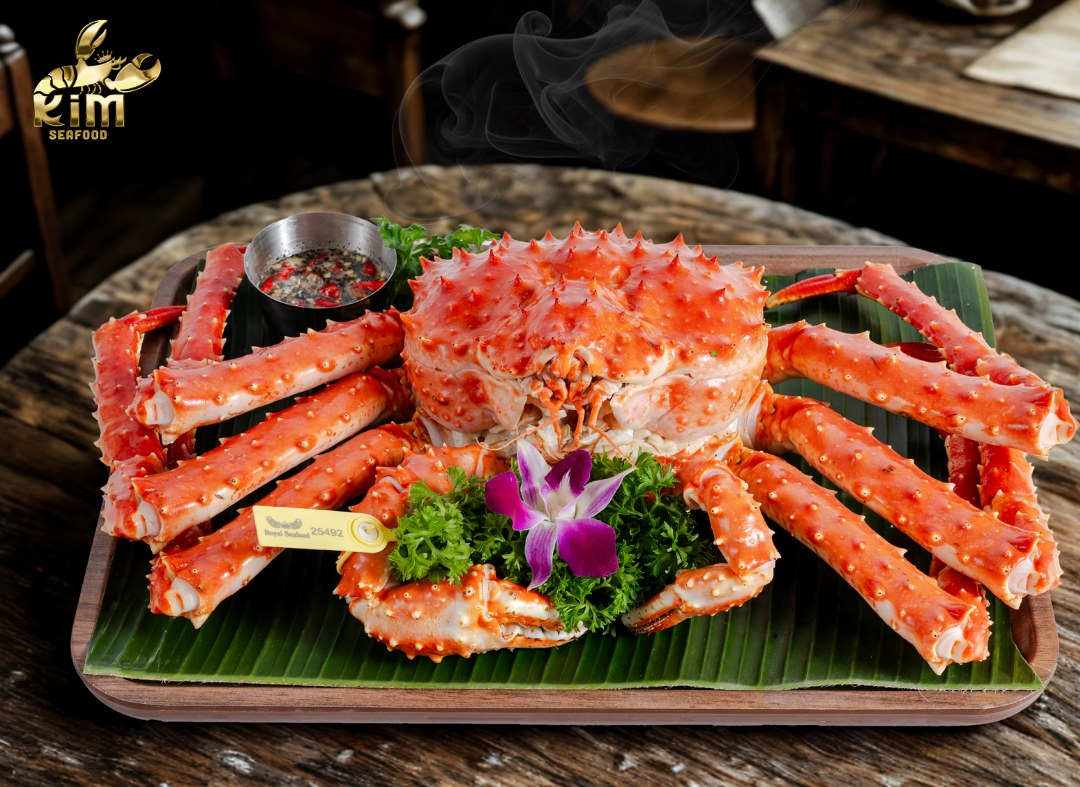
Methods such as water steaming or plain grilling are prioritized by connoisseurs because of their ability to maximally preserve the meat juices inside. When steaming, moderate temperatures help proteins coagulate gently without losing the amino acids that create the characteristic natural sweetness of the sea of shrimp, fish, or snails.
The medium-heat grilling method also helps the outer skin firm up quickly, locking the sweet juices inside, creating a characteristic aroma without losing the natural moisture of the meat fibers. This simple processing is suitable for most types of live seafood, helping diners most clearly feel the purity of the ocean without being distracted by any other factors.
Excessive seasoning can lose the natural sweetness of the sea
A common mistake in seafood processing is the abuse of thick sauces, pungent spicy flavors, or too much oil to suppress the fishy smell. In fact, using too much sugar, MSG, or industrial seasonings will create a fake taste barrier, completely masking the original natural sweetness of the sea of the food.
Dishes submerged in spicy sauce or overly deep-fried usually only bring immediate palatability from seasonings, not from meat quality. This not only reduces the culinary value but also makes it difficult for the eater to judge the true freshness of the ingredient, sometimes causing a feeling of quick bloating and heaviness for the digestive system.
Eating seafood correctly to perceive the full flavor
Correct seafood eating habits start with choosing the right time to enjoy it immediately after cooking to ensure the best heat and meat structure. Besides that, combining it with moderate dipping sauces like lemon pepper salt or light ginger fish sauce will help honor the flavor layers of the seafood rather than overwhelming them.
Enjoying slowly, feeling the chewiness and crispness mixed with a sweet aftertaste, will help you realize the value of freshness. When you know how to choose the right ingredients and apply the appropriate cooking method, every meal will become an experience of discovering the full natural sweetness of the sea, bringing absolute satisfaction even to the most fastidious diners.
👉 See more: Eat seafood properly to fully enjoy the ocean’s fresh sweetness
5. The processor and standards for selecting input seafood
The skill of the chef and strict standards in the ingredient selection stage are the final barriers to protecting the natural sweetness of the sea for the dish. A good cook is not just about kitchen techniques but must also be an expert who understands the biological characteristics and development cycles of each type of aquatic product.
Experience in selecting seafood affects dish quality
In fact, not all types of seafood retain their deliciousness and firm meat year-round because they depend closely on the breeding season and molting cycle. A lack of understanding of the seasons can lead you to choose thin fish with little fat or shrimp and crabs that are in their molting period, causing the natural sweetness of the sea to be significantly reduced as nutrients are concentrated on growing shells or eggs.
Experienced people will know how to observe the “golden time” to import goods, ensuring the seafood is at its strongest state and has the highest nutritional content. This sensitivity helps eliminate weak individuals, ensuring that every product brought into processing meets the standards for sweetness, toughness, and natural aroma.
Why professional restaurants maintain stable sweetness
Restaurants specializing in seafood usually establish a stable supply network directly from offshore fishing vessels or standardized farms. Strict control from the purchasing stage helps them always get the freshest batches, retaining the full natural sweetness of the sea without going through many intermediaries that cause wasted preservation time.
Furthermore, the tank and water filtration systems at professional restaurants are designed to simulate the natural environment, helping seafood maintain life in the best state until the very moment of processing. This is why the experience at Kim Seafood restaurant always brings a difference in the aftertaste, as every fiber of meat still retains the juiciness and original pure natural sweetness of the sea of the ocean.
6. Experience the full natural sweetness of the sea when eating seafood in Da Nang
Enjoying food right at the source is the best way for you to verify the difference in the natural sweetness of the sea compared to frozen goods transported from afar. In Da Nang, the combination of daily caught ingredients and professional processing procedures helps keep the highest amino acid content in every fiber of meat.
Space, timing, and emotions when eating seafood

Taste perception is influenced not only by food quality but also by the seaside atmosphere. When sitting in the salty sea breeze, the senses are naturally awakened, allowing diners to better recognize the natural sweetness of the sea in every bite of fresh shrimp and fish. The open space, fresh air, and coastal rhythm all contribute to a more vivid and memorable tasting experience.
Seafood is at its best on sunny days, when fishing boats have just returned with their fresh catch. This just-harvested freshness delivers a crisp texture and natural juiciness, enhancing the natural sweetness of the sea and creating a clean, refreshing sensation that no seasoning can truly replicate.
Why many diners look to Kim Seafood when they want to eat delicious seafood
👉 See more: Kim Seafood Restaurant: What Makes It a Must-Try in Da Nang
7. Conclusion
The natural sweetness of the sea of seafood is formed from the living environment, freshness, and strict preservation procedures. Understanding these factors helps you choose quality ingredients and elevate your family meal.
To fully enjoy the pure aftertaste, you should choose reputable locations and apply the correct way of eating seafood to preserve the nutritional value. Hopefully, the above information has helped you successfully decode the flavor of the ocean and know how to find the most authentic culinary experiences.
Contact Information:
- Address: Kim Seafood, A2.01 Ly Nam De Street, An Hai Trung Ward, Son Tra District, Da Nang, Vietnam.
- Phone: 0916111143
- Opening Hours: 10:00 AM – 11:00 PM
- Email: hello.kimseafood@gmail.com
- Facebook Fanpage: Hải sản KIM Seafood