Fresh seafood – a clear difference in quality and natural flavor
Fresh seafood creates a distinct difference in quality, flavor, and the dining experience at seafood restaurants following strict standards.
It is not just a matter of ingredients; freshness also reflects how a restaurant selects its sources, operates its kitchen, and builds trust with diners. From meat texture and natural sweetness to the emotions felt while dining, this article will clarify why fresh seafood is considered the foundation of modern coastal culinary standards.
🦐 The Sensitive Nature of Seafood
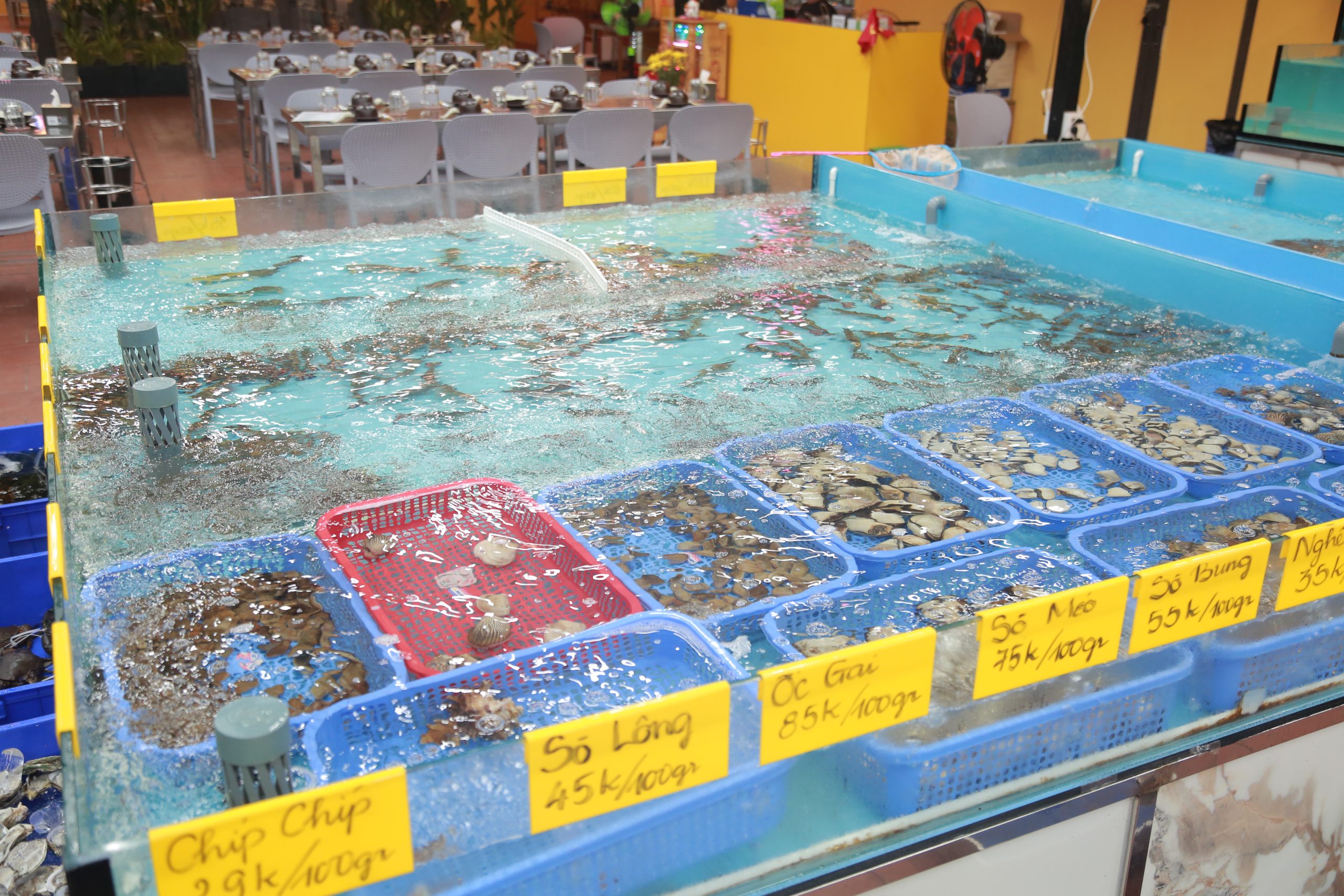
Seafood is a food group that is extremely sensitive to time. Just a few hours’ difference in preservation or transportation can significantly alter meat quality, flavor, and safety. Therefore, fresh seafood is not merely an ingredient for cooking; it becomes a benchmark for quality and the foundation for creating natural flavors that other preservation methods can hardly replace.
📊 The Reality of Seafood Products
In reality, not every seafood restaurant has the conditions to seriously pursue fresh seafood standards. Maintaining live seafood requires a suitable preservation system, strict selection processes, and the ability to control quality daily.
In professional business models like Kim Seafood, the “freshness” factor is not just a marketing tactic. It is a consistent operational criterion, from the selection of seafood and storage in tanks to the cooking methods used to preserve the original flavor.
🔍 The Difference Between Fresh Seafood and Preserved Seafood
Not Just “Not Frozen”
Many people mistakenly believe that fresh seafood simply means seafood that has not been frozen. However, in reality, “fresh” is a completely different state, reflecting the entire lifecycle of the ingredient from the moment it leaves the sea until it is prepared.
👉 See more: Discover Local Soul & Premium Taste — Why KimSeafood Stands Out Among Seafood restaurants in Da Nang
Freshness is a State
Fresh seafood refers to ingredients that still possess the ability to move, react, and maintain their natural biological structure. They have not undergone “thermal shock” due to deep freezing, a factor that often breaks down meat structure and affects the flavor during cooking.
This live state helps the seafood meat retain its firmness, natural sweetness, and characteristic sea scent. This is also why dishes like steaming, grilling, or simple preparations always require truly fresh seafood ingredients.
The Golden Time from Sea to Table
When it comes to fresh seafood, the time factor plays a decisive role in determining the final excellence of the culinary experience. The entire logistical process—starting from the moment of catching, moving through specialized transport, and finally bringing the products to preparation—needs to be strictly controlled to ensure that the fresh seafood does not weaken, lose its natural texture, or experience a decline in nutritional quality. Generally, the shorter the interval between the ocean and the dining table, the higher the ability for the dish to retain its full, delicate flavor profile that connoisseurs expect.
However, achieving this level of excellence is a complex challenge, as not every fresh seafood establishment has enough resources, specialized infrastructure, or established supply chain relationships to perform this labor-intensive task consistently every day. Maintaining a steady flow of high-quality fresh seafood requires a significant investment in modern storage technology and a dedicated team focused on quality assurance. Only those deeply committed to the art of maritime cuisine can truly master the rigorous standards necessary to serve the finest fresh seafood available to their custoers consistently.
👉 The difference between fresh seafood and frozen seafood Discover local & premium flavors — Why Kim Seafood stands out among Da Nang seafood restaurants.
💰 Why Do Many Restaurants Not Pursue Fresh Seafood?
High input costs, large loss rates, and complex technical preservation requirements lead many restaurants to choose frozen seafood for easier control. This is a safe solution in terms of operation, but in return, the quality and dining experience are often diminished.
Only units that invest seriously and have clear processes like Kim Seafood can maintain a fresh seafood model long-term. This also explains why differences in flavor often start with how a restaurant selects ingredients from the very beginning.
🧬 Quality of Fresh Seafood: Difference Starting from Meat Texture
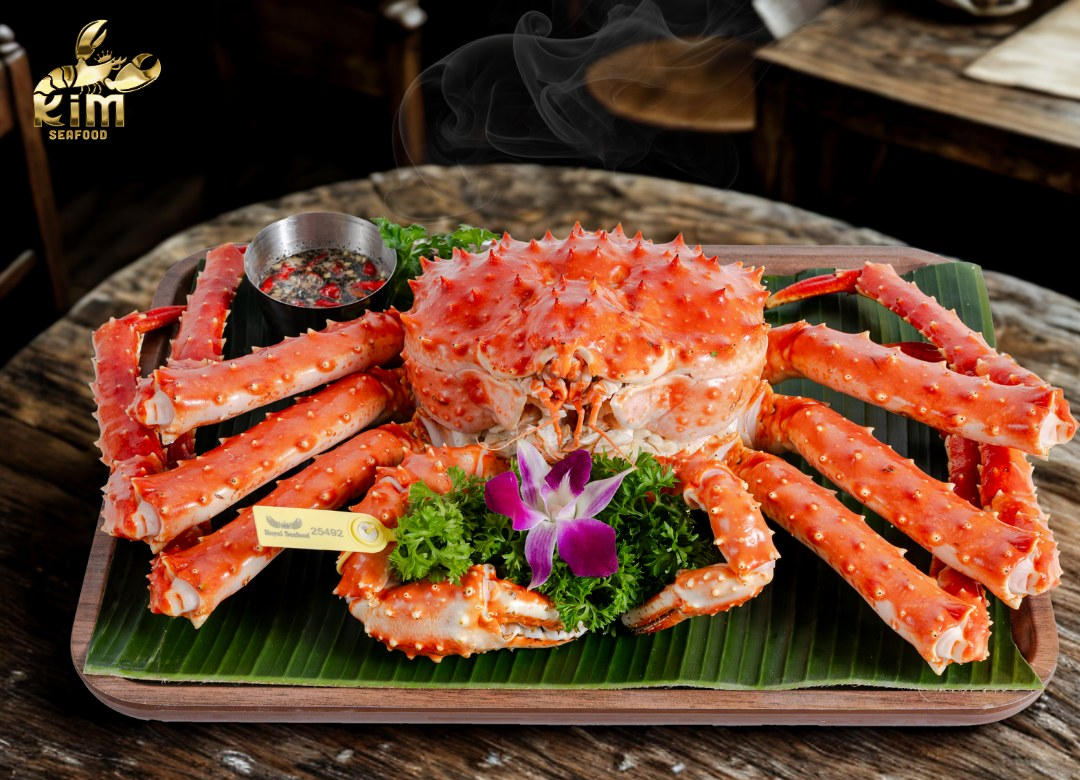
The difference in fresh seafood does not lie in the outward appearance but is most evident when preparation and enjoyment begin. It is the meat texture that first shows why, for the same type of shrimp, crab, or fish, the dining experience can vary significantly at each restaurant.
Muscle Fiber Structure: A Factor Few People Notice
Fresh seafood meat generally features firmness and clear elasticity when touched. When cutting or separating the meat, the fibers are continuous and do not become crumbly or watery like cold-preserved seafood.
This is the result of the ingredient not having its cellular structure broken down by the freezing process. Thanks to this, when cooked, the meat retains its original shape and provides a firm mouthfeel when eaten.
Meat Reaction When Exposed to Heat
One of the easiest ways to identify fresh seafood is to observe the reaction of the meat when exposed to heat. Fresh seafood cooks evenly, does not shrink aggressively, and does not release much water during steaming, boiling, or grilling.
Conversely, cold-stored seafood often shrinks quickly, the meat dries easily, and the natural juices in the meat are lost. This is why simply prepared dishes often yield very different results between seafood restaurants with inconsistent ingredient standards.
🌊 Flavor of Fresh Seafood: Cannot Be “Seasoned” to Compensate
Flavor is the factor that makes many diners recognize the difference of fresh seafood from the very first taste. Without needing too many spices or sophisticated techniques, the ingredient itself decides most of the dish’s deliciousness, something not every seafood restaurant can achieve if they do not control the fresh seafood source well.
Self-Sweetness: Not from Seasoning
The sweetness of fresh seafood comes directly from the meat cells, formed when the ingredient still retains its natural biological state. This is a clear, non-harsh sweetness that does not require salt, sugar, or sauces to “push the flavor.”
Therefore, dishes made from fresh seafood usually do not need heavy marinating. Over-seasoning can sometimes even lose the original sweetness that the ingredient provides.
Natural Sea Scent, Not Harshly Fishy
Another characteristic of fresh seafood is a light, clean, and pleasant sea scent. This scent is completely different from the fishy smell caused by decomposition or improper preservation. When cooked, fresh seafood does not create a strong, unpleasant odor; instead, it offers a characteristic “cool and fragrant” feeling.
👉 Experience authentic seafood at our seafood restaurant: Seafood Restaurant in Da Nang – Top Local Dining Spots for Tourists
🍽️ Why Do Simpler Dishes Need Fresh Seafood More?
Dishes like steaming, grilling, or sashimi have almost no layers of seasoning to cover them. The entire flavor depends directly on the quality of the initial ingredients. For that reason, simply prepared dishes are always the clearest “test” for fresh seafood.
Fresh Seafood Decides How Chefs Cook
In culinary arts, ingredients determine the limits of cooking methods. With fresh seafood, chefs can choose simpler preparation methods while still ensuring dish quality—something many seafood restaurants find hard to achieve if they rely on frozen ingredients.
When the ingredients are good enough, the chef does not need to show off. Fresh seafood allows them to minimize the use of spices. Instead of masking smells or adjusting flavors, they focus on controlling heat and time to preserve the full meat structure.
👨🍳 Fresh Seafood and “Difficult” Preparation Methods
Cooking methods like steaming whole, charcoal grilling, or quick pan-searing all require ingredients to reach high freshness. If the seafood is not fresh enough, these methods will immediately reveal flaws in smell, dryness, or meat texture.
With fresh seafood, these “difficult” methods become an advantage. The meat cooks evenly, does not shrink much, and retains its natural sweetness, helping the dish achieve stable quality without complex processing.
🐠 Why Do Many Restaurants Choose Frozen Seafood for “Safety”?
From an operational perspective, frozen seafood is easy to preserve, easy to control in terms of quantity, and reduces the risk of spoilage. This is a popular choice for many restaurants to ensure business stability.
In contrast, pursuing fresh seafood means accepting higher costs and stricter processes. Kim Seafood chooses this difficult path to maintain its identity while creating conditions for chefs to promote their skills based on true ingredient quality, rather than depending on masking techniques.
👥 Diner Experience with Fresh Seafood
For many diners, eating seafood does not just stop at “whether the dish is delicious or not,” but is the entire process from entering the restaurant until the end of the meal. Fresh seafood creates a clearly different experience where customers participate in choosing ingredients and understand exactly what they are eating.
The Feeling of “Choosing” One’s Own Meal
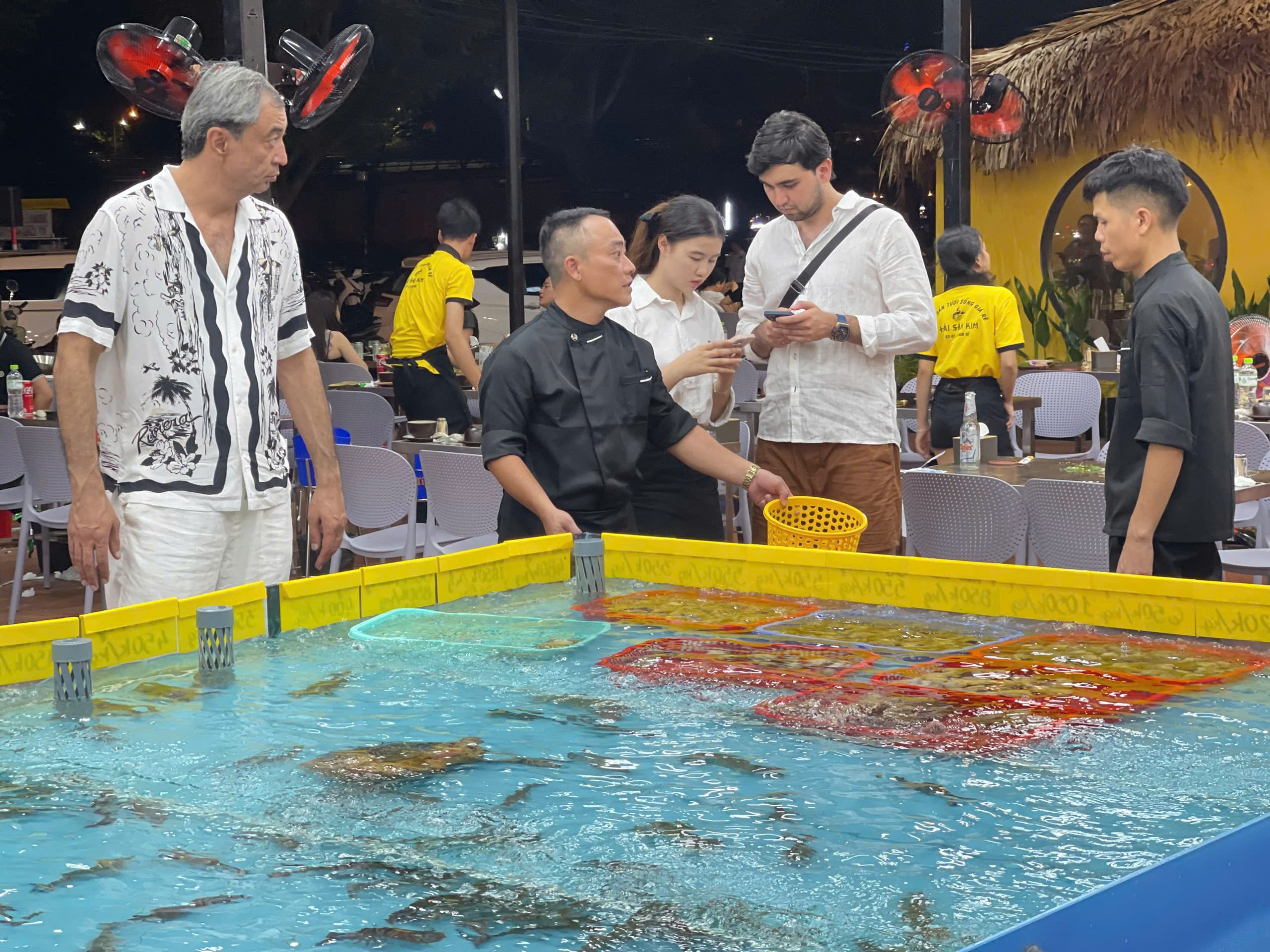
Being able to see the seafood with one’s own eyes, directly selecting the type desired, weighing it correctly, and witnessing the preparation process creates a sense of ownership over the meal. Diners are no longer passive recipients waiting for the dish to be brought to the table.
The process of seeing – choosing – weighing – processing helps eliminate common doubts when eating seafood. This is also why many fresh seafood restaurants build higher trust compared to pre-served models.
Fresh Seafood Creates Emotion for the Meal
When clearly knowing the origin and freshness of the dish, diners tend to eat slower and pay more attention to the flavor. The meal is no longer just “eating quickly to finish” but becomes a true enjoyment experience.
The freshness of the seafood helps the natural sweetness stand out, being less dependent on spices. This makes it easy for the eater to recognize the difference, even when the dish is prepared in a simple way.
>> Book a table at Kim Seafood restaurant: Kim Seafood reservation – Enjoy authentic Da Nang seafood
🙋♂️ Why Do Customers Return to Fresh Seafood Restaurants?
Customers choose to return not simply because of the food’s flavor. They return because of the peace of mind and the complete experience that the fresh seafood model brings. At Kim Seafood, this experience is maintained consistently through every visit. It is that consistency that makes many diners consider this a familiar choice whenever looking for a reliable seafood restaurant.
👀 Recognizing Standard Fresh Seafood
Many people think that just seeing seafood still alive is enough to evaluate freshness. In fact, this is only a very small part of the process of identifying standard fresh seafood quality.
Observing Seafood Behavior
Standard fresh seafood usually has fast reflexes, swimming or crawling flexibly when impacted. Healthy shrimp or fish will react clearly to a light touch, rather than staying still or moving slowly.
Conversely, sluggish seafood with weak reflexes indicates they have been stressed, lacked oxygen, or been stored for too long. This is an important sign that eaters often overlook when choosing seafood at a restaurant.
The Preservation Environment Speaks to Quality
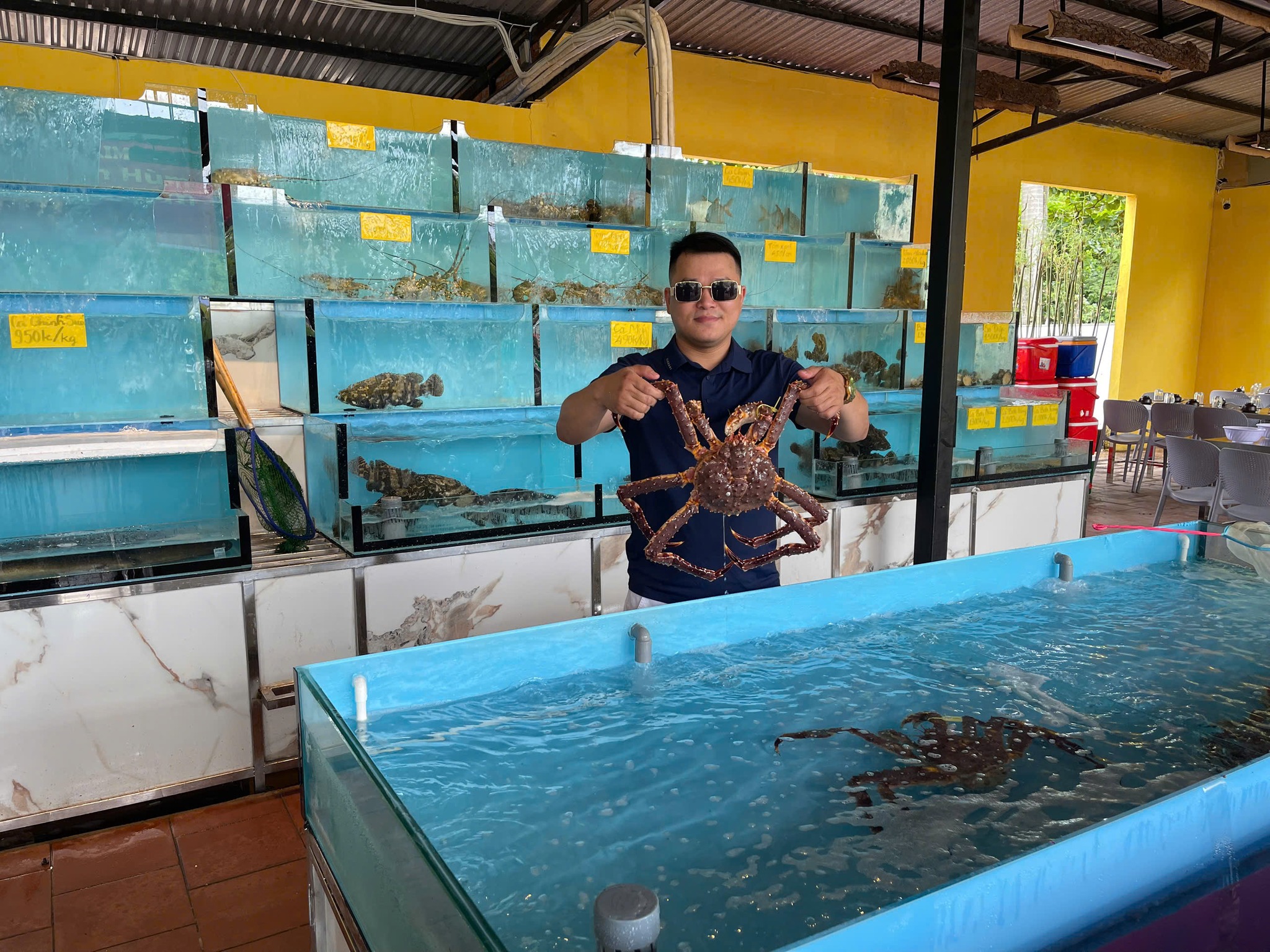
Seafood tanks are the factor that most clearly reflects the level of investment and understanding of fresh seafood preservation. Clear water, without turbidity or suspended sediment, shows that the filtration and water change systems are operated correctly.
Additionally, tanks need to ensure enough oxygen for the seafood to maintain a healthy living state. The absence of strange odors in the display area is also a sign that the ingredients are handled and preserved according to standards.
✅ Signs at Reputable Restaurants like Kim Seafood
At reputable seafood restaurants, seafood is usually clearly classified by species and size. This helps limit the situation of communal housing causing stress and affecting quality.
Furthermore, staff are capable of transparently advising on origin, arrival time, and suitable preparation methods. This clarity not only helps customers choose the right fresh seafood but also creates trust so they are ready to return in the future.
🏷️ Kim Seafood: A True Fresh Seafood Model

Not every model labeled “fresh” truly puts quality at the center. The difference lies in how ingredients are selected, how the kitchen is operated, and how decision-making power is given to the customer from the very beginning of the meal.
Kim Seafood is a prime example of building the entire experience around fresh seafood in the truest sense. Instead of optimizing storage or fixed menus, this model focuses on actual daily freshness—the core factor creating reputation for a long-term seafood restaurant.
Daily Seafood Selection
Seafood at Kim Seafood is imported and rotated daily, not prioritized for long-term storage to ensure quantity. This approach helps ingredients always maintain a good fresh state, limiting quality risks due to prolonged inventory.
Prioritizing freshness instead of maximizing stock requires higher costs and tighter management. However, this is the foundation for ensuring the dining experience meets the expectations of customers when coming to a seafood restaurant specialized in fresh seafood.
Customers Are the Ones Who Decide the Ingredients
Instead of imposing “available dishes,” customers at Kim Seafood get to directly choose the seafood before preparation. This process creates transparency and helps customers actively control the quality of their meal.
From one ingredient, the chef can flexibly prepare it in many different ways depending on taste. This shows that fresh seafood is not framed within a menu but becomes the starting point for a personalized experience.
⭐ Fresh Seafood as a Brand Foundation
At Kim Seafood, the concept of fresh seafood is far more than just a fleeting marketing slogan or a short-term promotional message used to attract attention. Instead, it serves as a fundamental and consistent operational philosophy that dictates every stage of the business, from the meticulous sourcing of daily catches and advanced preservation techniques to the final presentation at the table. It is this unwavering commitment to excellence that allows the brand to build long-lasting, sustainable trust with its patrons, ensuring that they return time and again rather than visiting only once for the novelty.
By prioritizing the integrity of their ingredients above all else, the establishment has solidified its reputation as a premier destination for those who truly value the ocean’s bounty. This transparent and dedicated approach to quality is precisely why a growing number of discerning diners consistently view Kim Seafood as a reliable fresh seafood institution. When searching for an authentic culinary experience that doesn’t compromise on taste or health, travelers and locals alike recognize that this restaurant stands out as a sanctuary for true quality in a crowded market.
📝 Conclusion
Fresh seafood creates a clear difference right from the foundation of quality, not just in the sensation while eating. When the ingredient retains its living state, the meat structure is firmer, the natural sweetness is clearer, and it is less altered during the cooking process. This is why many professional chefs view freshness as the decisive factor, even before cooking techniques.
This difference is manifested in three aspects: meat quality, original flavor, and the dining experience. Seafood that has not been frozen for long days will retain elasticity, not release water during cooking, and does not need odor treatment with strong spices.
However, fresh seafood is not always cheap. The cost of catching, fast transportation, and proper preservation makes the price higher than frozen seafood. But in return, the eater receives commensurate value: from stable dish quality to peace of mind regarding the source of ingredients.
More importantly, fresh seafood creates a different dining experience. Diners tend to eat slower, pay more attention to each dish, and clearly feel the difference between simple preparation methods like steaming, grilling, or pan-searing. This is something that many mass-market seafood restaurants find hard to achieve if they do not invest seriously in the source of ingredients.
If you want to feel the true taste of the sea and understand why seafood is considered the essence of coastal cuisine, the most reasonable starting point is still fresh seafood. And that experience is only complete when it comes from places that do real work and operate authentically, in the way Kim Seafood has pursued from the beginning until now.
👉See more: Fresh Seafood in Da Nang: A Comprehensive Guide to Vietnam’s Culinary Gem
Contact Information:
- Address: Kim Seafood, A2.01 Ly Nam De Street, An Hai Trung Ward, Son Tra District, Da Nang, Vietnam.
- Phone: 0916111143
- Opening Hours: 10:00 AM – 11:00 PM
- Email: hello.kimseafood@gmail.com
- Facebook Fanpage: Hải sản KIM Seafood