Fresh Seafood in Da Nang: A Comprehensive Guide to Vietnam’s Culinary Gem
Introduction: Why Da Nang is a Seafood Lover’s Paradise
Da Nang, with its pristine beaches, azure waters, and vibrant culinary scene, has firmly established itself as a must-visit destination in Central Vietnam. While the city boasts rich history and breathtaking landscapes, its true crown jewel is its fresh seafood. The proximity to the East Sea means that every day, fishermen bring in an astonishing bounty, offering a seafood experience that is unparalleled in its freshness, variety, and flavor.
This comprehensive guide will take you on a deep dive into the world of fresh seafood in Da Nang. We will cover everything from the best times to visit, the must-try species, where the locals eat, and a detailed spotlight on a renowned establishment: Kim Seafood. By the end, you’ll not only be prepared to navigate the local seafood scene like a seasoned traveler but also understand why this coastal city is a global culinary powerhouse.
Da Nang, with its long, pristine coastline and proximity to rich fishing grounds, stands as the undisputed capital for fresh seafood in Da Nang. It’s a city where the bounty of the ocean is not just a menu item, but a way of life, dictated by the rhythm of the tides and the daily return of fishing fleets to Tho Quang port. For travelers, the search for truly fresh seafood in Da Nang isn’t a challenge; it’s an immersive culinary journey that defines the Central Vietnamese experience.
🗺️ Chapter 1: Understanding the Da Nang Seafood Ecosystem
The sheer quality of seafood in Da Nang isn’t an accident; it’s a result of geography, tradition, and a commitment to freshness.
1.1. The Geographic Advantage: Why Da Nang’s Seafood is Exceptionally Fresh
Da Nang sits at a strategic point along the coast, benefiting from warm ocean currents and rich fishing grounds.
-
Short Supply Chain: The fishing boats often dock right along the coast (e.g., Tho Quang Port), meaning the catch is transported mere minutes to nearby markets and restaurants.
-
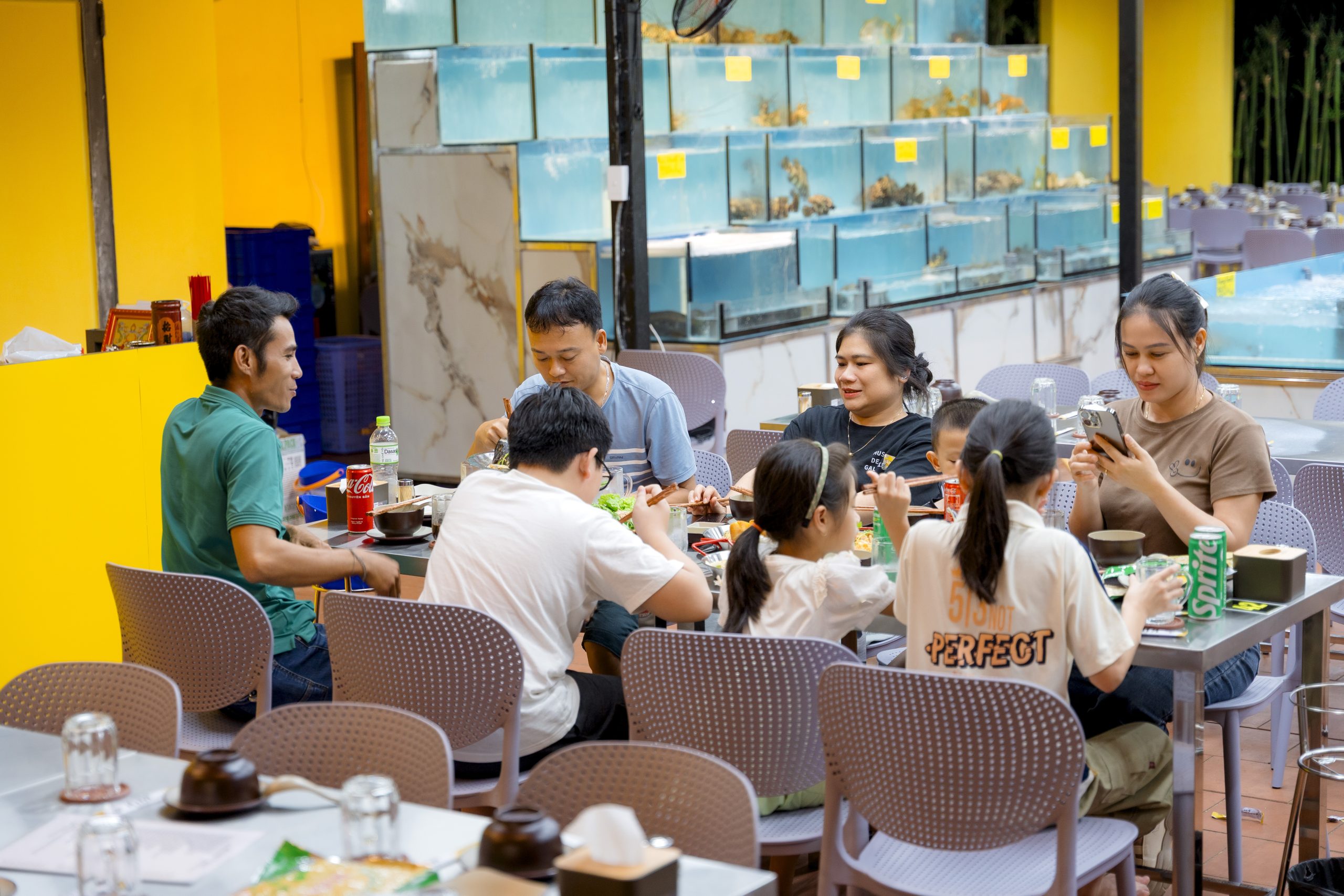
The Live Tank Culture: Unlike many Western restaurants that rely on frozen or chilled fish, most seafood establishments in Da Nang, including Kim Seafood, feature large tanks where customers select their meal while it is still alive. This is the ultimate guarantee of freshness.
1.2. Seasonality and the Catch: When to Find the Best Seafood
While seafood is available year-round, certain species peak during specific seasons, enhancing the experience of eating fresh seafood in Da Nang.
| Season | Months | Highlight Species | Culinary Experience |
| Dry/Peak Season | March – August | Crabs, Prawns, Snapper, Squid | Best weather for outdoor dining and fishing. |
| Rainy/Off-Peak | September – February | Groupers, Clams, Oysters, Abalone | Cooler weather, often better prices, and heartier dishes. |
🍽️ Chapter 2: The Must-Try Menu: Iconic Da Nang Seafood Dishes
The Vietnamese way of preparing seafood is simple, letting the natural flavor and freshness shine. Here are the dishes you absolutely must order to savor the best fresh seafood in Da Nang.
2.1. The King of Crustaceans: Da Nang Crab (Cua)
-
Preparation: Cua hấp sả (steamed with lemongrass) or Cua rang me (stir-fried with tamarind sauce).
-
Why it’s a Must-Try: Da Nang crabs are known for their dense, sweet meat. Steaming it with lemongrass preserves the delicate flavor while adding an aromatic lift.
2.2. The Ultimate Grill: Grilled Prawns and Squid (Tôm & Mực)
-
Preparation: Tôm nướng muối ớt (grilled prawns with chili salt) and Mực nướng sa tế (grilled squid with chili and peanut paste).
-
Flavor Profile: The smoky char from the grill, combined with the spicy, salty rub, transforms the already sweet flesh into a powerful taste experience.
2.3. Shellfish Sensations: Clams and Snails (Nghêu & Ốc)
-
Preparation: Nghêu hấp xả (clams steamed with lemongrass and chili) or Ốc hương nướng bơ tỏi (grilled sweet snails with butter and garlic).
-
Local Secret: Shellfish are incredibly affordable and are often enjoyed as an appetizer paired with local Vietnamese beer.
2.4. Fish for the Connoisseur: Red Snapper and Grouper (Cá Hồng & Cá Mú)
-
Preparation: Often prepared as Gỏi cá (raw fish salad, a local delicacy) or Cá hấp xì dầu (steamed with soy sauce, ginger, and scallions).
-
The Verdict: Steaming highlights the firm texture and clean taste of a truly fresh seafood fish.
📍 Chapter 3: Finding the Best Spot – Where Locals Eat Fresh Seafood in Da Nang
To find the most authentic and best-value seafood, you need to venture beyond the main tourist strips.
3.1. Seafood Street Eateries (Phố Hải Sản)
The biggest cluster of local seafood restaurants is often found along the streets near the beach, particularly the Pham Van Dong and Hoang Sa areas. Look for tanks brimming with live creatures—this is your sign of quality.
3.2. Local Seafood Markets
-
Cho Han (Han Market) & Cho Con (Con Market): While primarily wet markets, you can often find vendors willing to cook your purchase on the spot for a small fee, providing the absolute freshest meal possible.
-
Tho Quang Port Area: For the ultimate experience, visit the area where the boats dock in the early morning (around 5:00 AM) to see the daily catch unloaded.
3.3. The Mid-Range Champion: Kim Seafood – A Deep Dive into Excellence
For visitors seeking the perfect balance of unbeatable freshness, hygienic standards, English-speaking staff, and a comfortable setting, look no further than Kim Seafood.
💎 Chapter 4: Spotlight on Kim Seafood Da Nang: The Epitome of Freshness
Kim Seafood has become a landmark for both locals and international tourists seeking a premium, yet authentic, Da Nang seafood experience. It embodies everything a tourist needs to feel confident and delighted when ordering a seafood feast.
2. Culinary Excellence: Honoring the Freshness
The philosophy at Kim Seafood is that the best preparation is the one that honors the freshness, not masks it.
-
Mastery of Simple Techniques: The most popular dishes showcase the purity of the protein:
-
Steaming (Hấp): Simple steaming with ingredients like lemongrass (sả) or ginger (gừng) for fish and shrimp is often recommended, as this minimal preparation locks in the ocean’s natural sweetness—the clearest sign of truly fresh seafood in Da Nang.
-
Grilling (Nướng): Items like squid and scallops are expertly grilled over high-heat charcoal (than hoa), often brushed with just scallion oil and crushed peanuts (mỡ hành), resulting in a smoky flavor that complements the fresh seafood’s texture without overpowering it.
-
-
Customization is Key: Unlike rigid menus, Kim Seafood empowers the diner to choose the cooking style. You select the seafood, and the knowledgeable staff offers the optimal traditional Vietnamese method (e.g., Tamarind, Satay, or Steamed Soy Sauce) to match the item.
4.1. The Kim Seafood Philosophy: “Live-Catch to Table”
At the heart of the Kim Seafood experience is the commitment to absolute freshness.
-
The Live Tanks: Upon entering, you are greeted by rows of large, aerated tanks showcasing the day’s catch. This isn’t just a display; it’s your menu. You personally select the exact crab, lobster, or fish you want, which is weighed and immediately sent to the kitchen for preparation.
-
Quality Control: Their long-standing relationships with local fishing boats ensure they get the prime selection before it reaches the general market.
4.2. An Extensive Menu that Caters to All Tastes
While they excel at traditional Vietnamese preparations, Kim Seafood also offers a wider range of styles, making it an excellent choice for first-time visitors to Vietnam.
| Seafood Item | Recommended Vietnamese Style | Alternative Preparation |
| Lobster (Tôm Hùm) | Grilled with cheese (Nướng phô mai) | Sashimi (for ultimate freshness) |
| Mantis Shrimp (Tôm Tít) | Steamed with beer (Hấp bia) | Deep-fried with salt and chili (Rang muối ớt) |
| Garoupa/Grouper (Cá Mú) | Steamed with soy sauce (Hấp xì dầu) | Hot Pot (Lẩu) |
| Razor Clams (Ốc Móng Tay) | Sautéed with water spinach (Xào rau muống) | Grilled with green onion oil (Nướng mỡ hành) |
4.3. Service and Ambiance: Comfort Meets Authenticity
One of the key advantages of Kim Seafood is its service infrastructure, which caters specifically to international guests.
-
Transparent Pricing: Seafood is priced by weight (per 100g or 1kg), and the price is clearly displayed, eliminating the concern of being overcharged. The weighing process is done right in front of the customer.
-
Friendly, Bilingual Staff: The staff is often able to communicate in English, helping visitors navigate the extensive and sometimes complex menu of local fish and preparation styles.
-
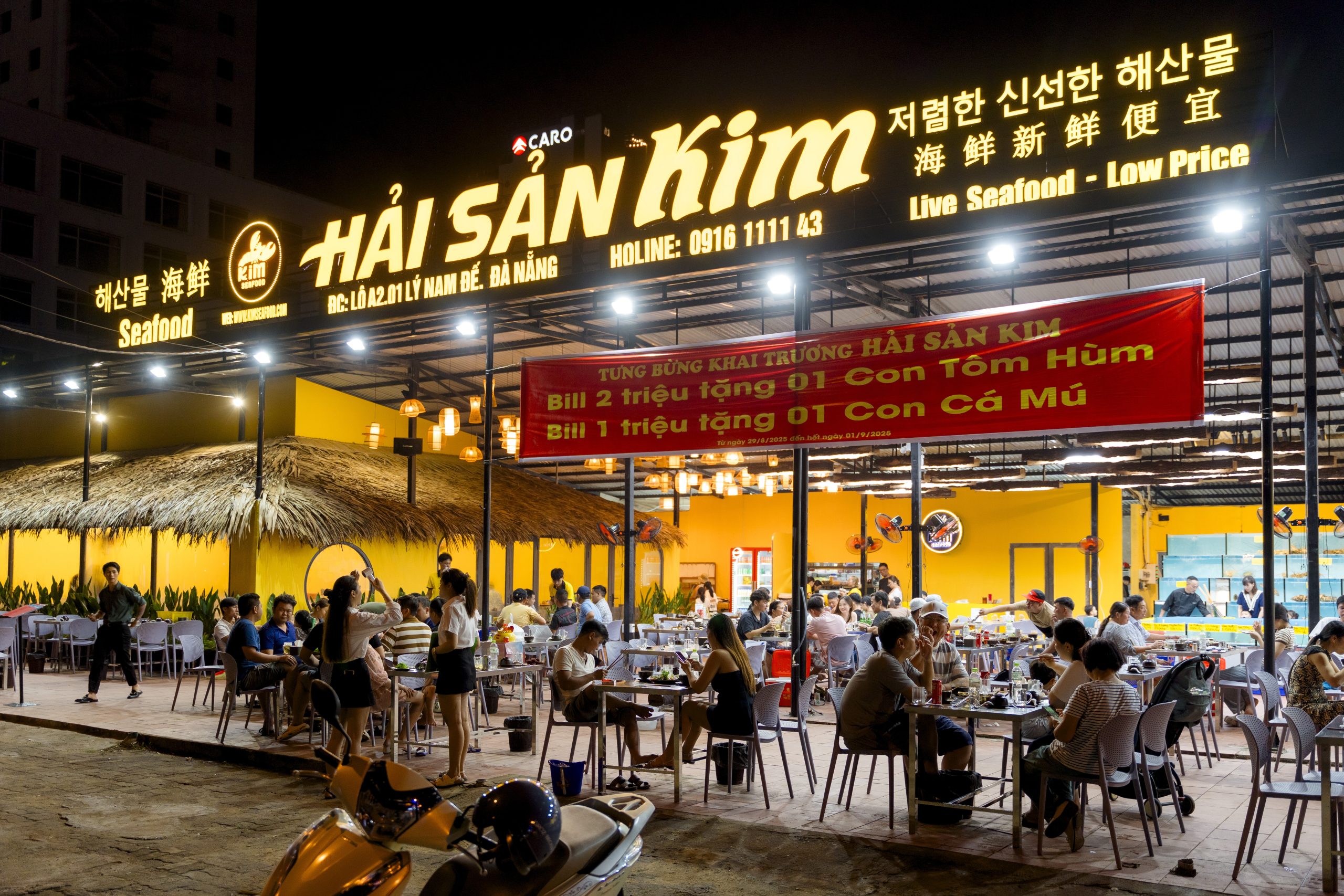
Atmosphere: The restaurant typically offers a bustling, vibrant, open-air setting—the quintessential Da Nang dining experience—but in a clean, well-managed environment.
📝 Pro Tip for Kim Seafood: Always ask the staff for the “special of the day.” Often, the truly rare or premium catch (like a large Conger Eel or rare Abalone) is reserved for those who ask.
🔎 Chapter 5: SEO & Practical Tips for Orderin Fresh Seafood in Da Nang
Ordering seafood in a bustling Vietnamese restaurant can be daunting, but with these tips, you’ll order like a local.
5.1. The Three-Step Ordering Process
-
Select: Go to the live tanks and point out the exact creature you want (e.g., “I want this crab”).
-
Weigh: Watch the staff weigh the item in front of you. Confirm the weight and the price per kilo/gram. (e.g., “The crab is 0.8 kg at 500,000 VND/kg”).
-
Choose Preparation: Tell the staff how you want it cooked (e.g., Hấp xả, Nướng muối ớt, Rang me).
5.2. Essential Vietnamese Phrases for Ordering Seafood
Knowing a few key phrases will enhance your experience, especially at local spots.
| English Phrase | Vietnamese Translation | Pronunciation Guide |
| How much is this? | Cái này bao nhiêu tiền? | Kai nai bao nyoo tee-en? |
| Steam with lemongrass | Hấp xả | Hup sa |
| Grill with chili salt | Nướng muối ớt | Nuh-ung moo-oy uht |
| Fried rice | Cơm chiên | Kuhm chee-en |
| Delicious! | Ngon quá! | Ngawn wah! |
5.3. Pairing Your Meal: Drinks and Sides
No seafood meal is complete without the proper accompaniment.
-
Drinks: The go-to pairing is Larue Beer (brewed locally in Central Vietnam) or Tiger Beer. For non-alcoholic options, try fresh coconut water or a local lemonade (nước chanh).
-
Sides: Always order a plate of Cơm chiên (fried rice, often seafood or garlic flavored) and a simple stir-fried vegetable dish, like Rau muống xào tỏi (water spinach stir-fried with garlic), to balance the richness of the seafood.
📈 Chapter 6: The Economic and Cultural Impact of Fresh Seafood in Da Nang
The seafood industry is more than just a tourist attraction; it’s the lifeblood of the city.
6.1. A Driver of Local Economy
Fishing remains a primary industry. The success of restaurants like Kim Seafood directly supports local fishermen, market vendors, and farmers who supply the accompanying vegetables and spices. By choosing fresh seafood in Da Nang, you are directly investing in the local community.
6.2. Seafood as a Communal Tradition
Kim Seafood successfully blends the chaotic, fun energy of a traditional Vietnamese seafood stall (Quán Hải Sản) with the comfort and service standards expected by international tourists.
-
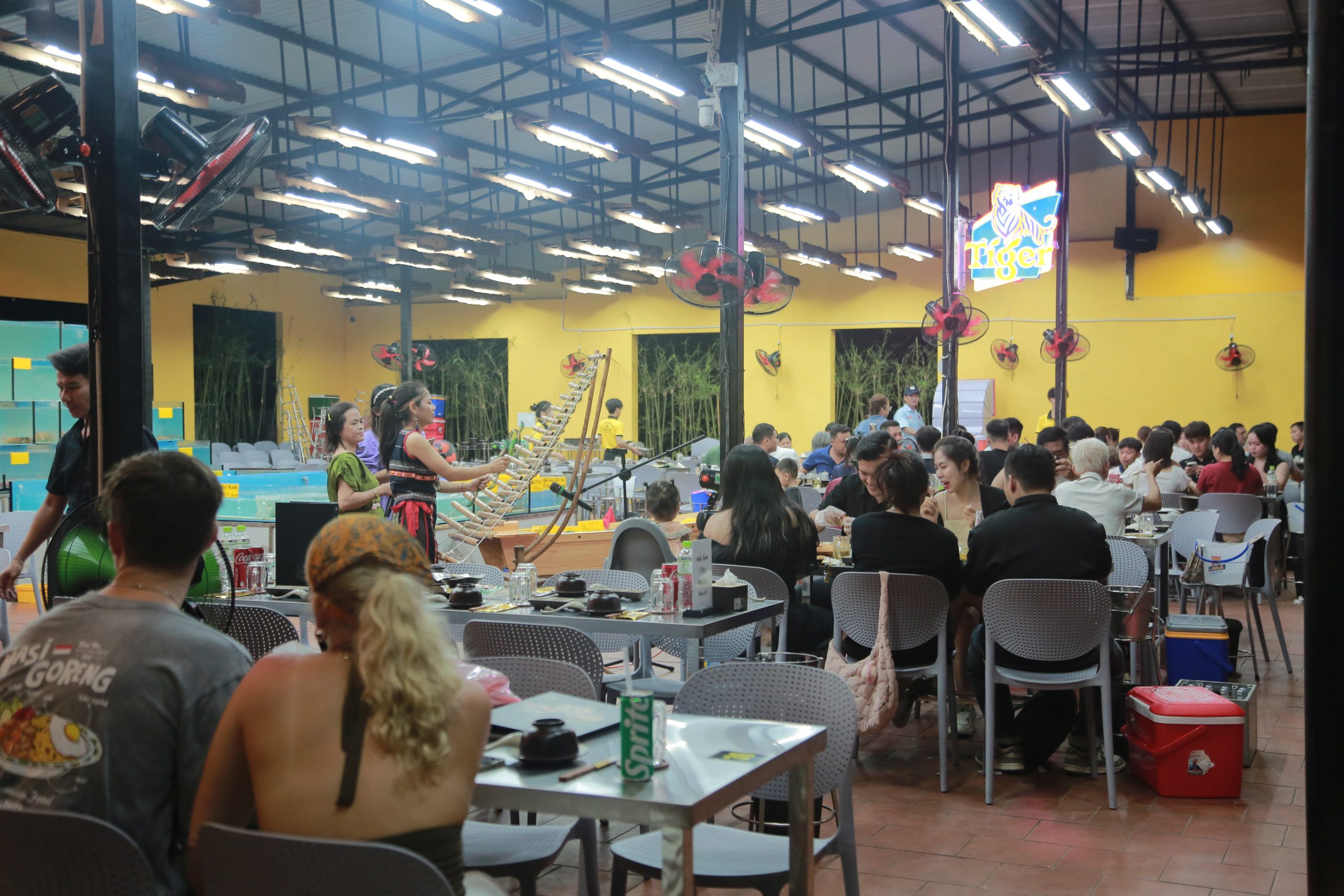
Vibrant Atmosphere: The dining area is spacious and bustling, reflecting the communal joy of a Vietnamese feast. It’s a perfect spot for groups and families.
-
Transparent Pricing Model: A standout feature is their commitment to fairness. All prices are clearly listed by weight (giá theo ký), and the total cost is confirmed with the customer before the item is sent to the kitchen. This eliminates the price shock common in less scrupulous tourist-oriented venues.
-
Staff Service: The staff is efficient, multilingual (or at least equipped with ordering tools), and dedicated to bridging the cultural gap, making the process of selecting and ordering fresh seafood in Da Nang smooth and enjoyable.
Vietnamese dining is inherently communal. Seafood feasts are often shared among large families or groups of friends.
-
The Shared Plate: Dishes are placed in the center of the table, and everyone digs in with chopsticks, fostering conversation and togetherness.
-
The Dipping Sauce (Nước Chấm): The complex and customizable dipping sauce (usually chili, lime, sugar, and fish sauce) is the critical element that ties all the flavors together.
✅ Conclusion: Your Next Seafood Adventure in Da Nang Awaits
Da Nang offers a seafood experience that transcends mere dining; it is a rich cultural immersion. From the moment you select your live lobster to the last bite of a perfectly grilled clam, you are participating in a cherished Vietnamese tradition. The absolute guarantee of freshness, the sheer variety available, and the dynamic atmosphere of the coastal restaurants make the city a global seafood haven.
Whether you venture into the bustling local street stalls or enjoy the curated excellence and reliability of Kim Seafood, your journey for fresh seafood in Da Nang will undoubtedly be the highlight of your culinary travels in Vietnam.
Contact Details:
Fanpage: Here
Address: Kim Seafood, A2.01 Ly Nam De, An Hai Trung, Son Tra, Da Nang, Vietnam.
Phone: 0916111143
Opening Hours: 10:00 – 23:00
Email: kimseafood@gmail.com
By providing clear and accessible contact information, Kim Seafood ensures that anyone seeking the fresh seafood in Da Nang can plan their visit effortlessly.